
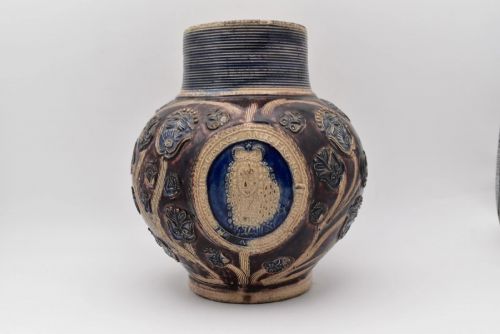
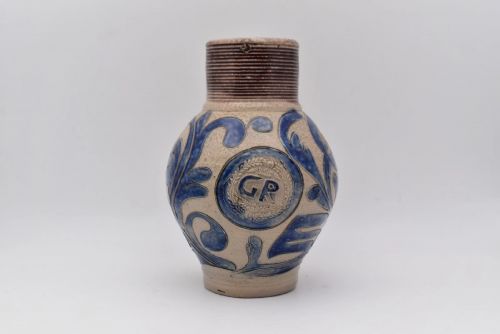

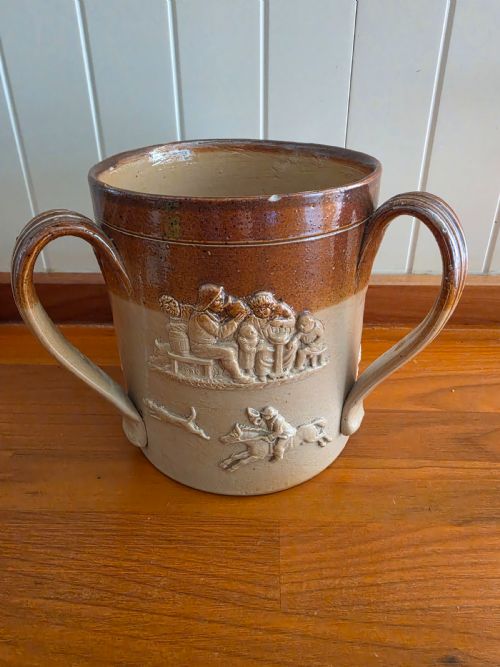


Salt Glazed Stoneware Vessel
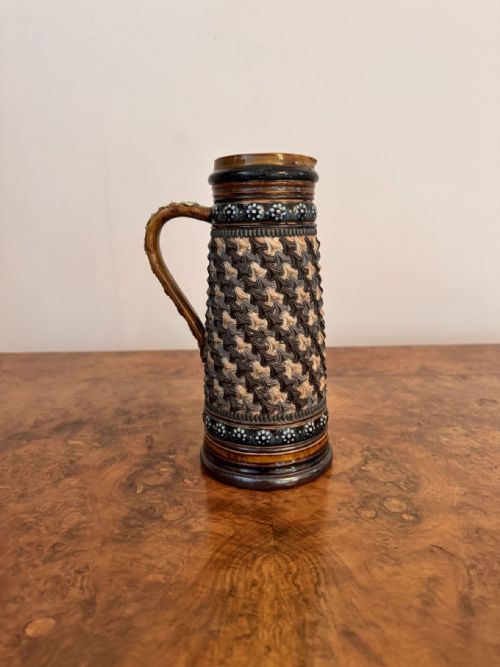
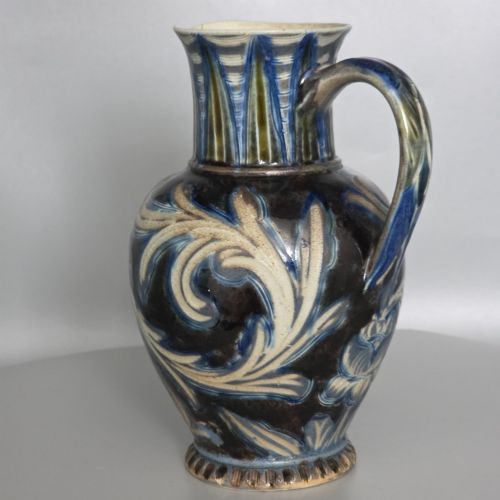
A salt glazed stoneware vessel brings a rugged utilitarian beauty to a room, forged from high-fired clay and finished with an orange-peel texture.
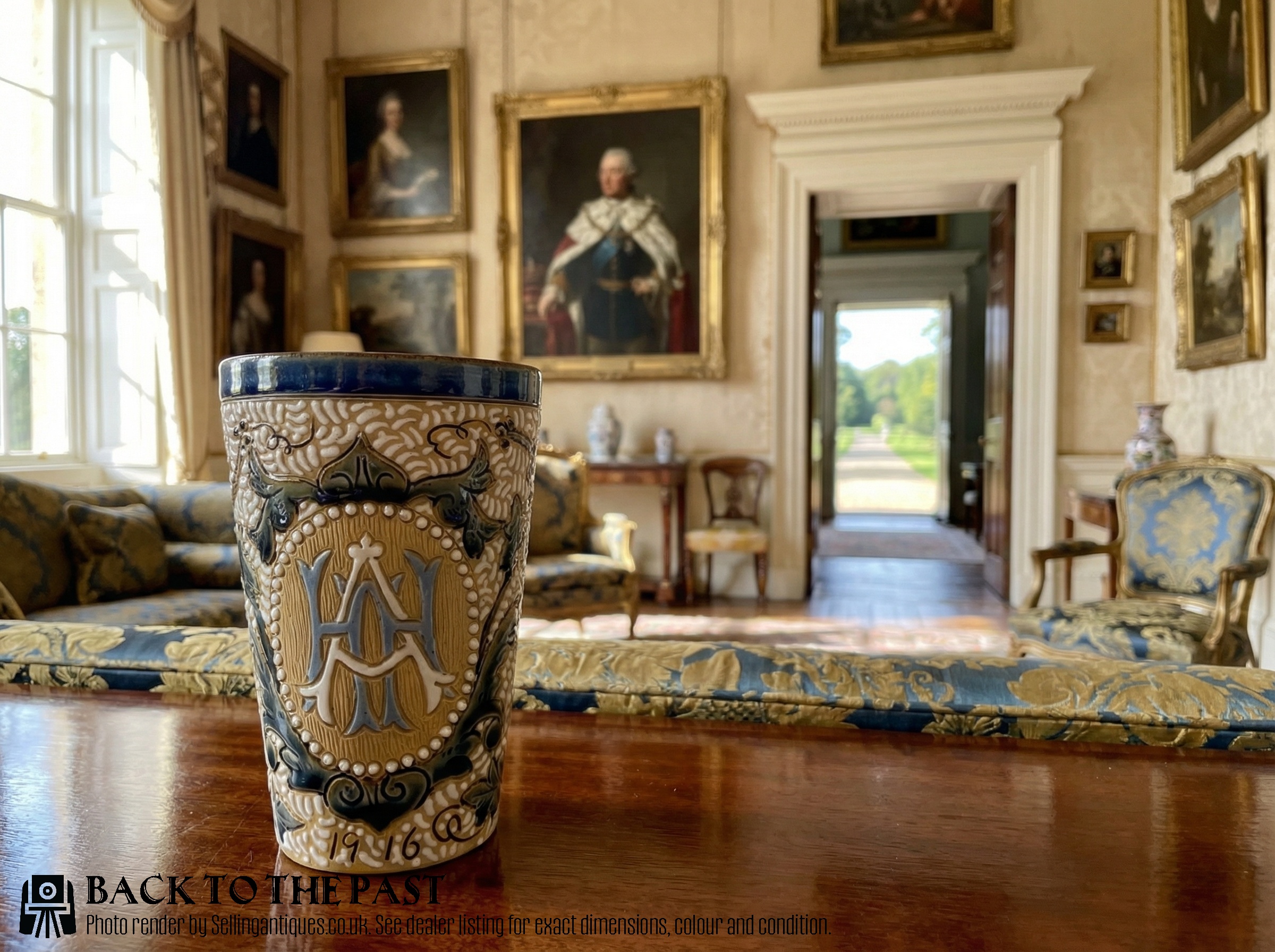
Salt Glazed Stoneware Vessel
A salt glazed stoneware vessel encompasses heavy utilitarian forms and decorative studio ceramics spanning several centuries of production. When you search for a salt glazed stoneware vessel, you encounter everything from German tavern flagons and English water filters to Victorian art pottery jugs and ewers.
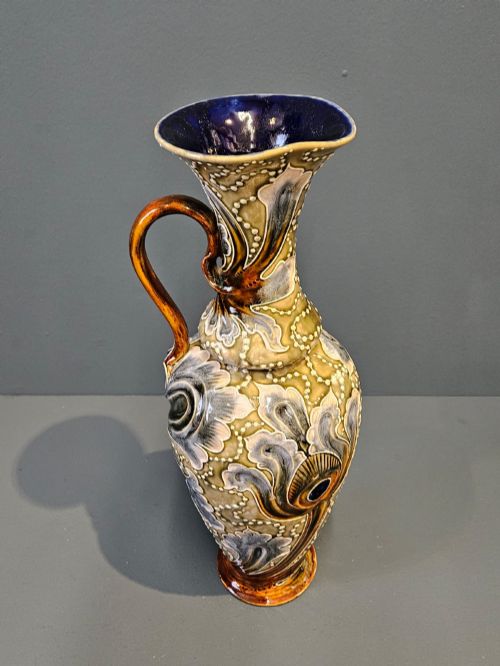
The pieces listed on this page run from the sixteenth century through to the twentieth century, with a strong representation of Victorian Doulton Lambeth production. Forms include jugs, pitchers, bottles, jars, tankards, vases, and barometers, reflecting both domestic use and exhibition craftsmanship.
Origins stretch across England, Germany, and France, linking early continental salt-glaze traditions with later British arts and crafts workshops. Buyers find both modest tavern pieces and elaborate silver-mounted presentation items within this selection.
How they were made
Makers shaped these objects from dense clay bodies before throwing them on a wheel or moulding them by hand. Common materials recorded in the evidence include stoneware, salt glaze, ceramic, clay, and cobalt oxide pigments used for surface decoration.
During the high-firing process, common salt was shovelled into the kiln to vaporise and react with the silica in the clay body. This chemical reaction produced the characteristic pitted, impervious orange-peel texture known as salt glaze.
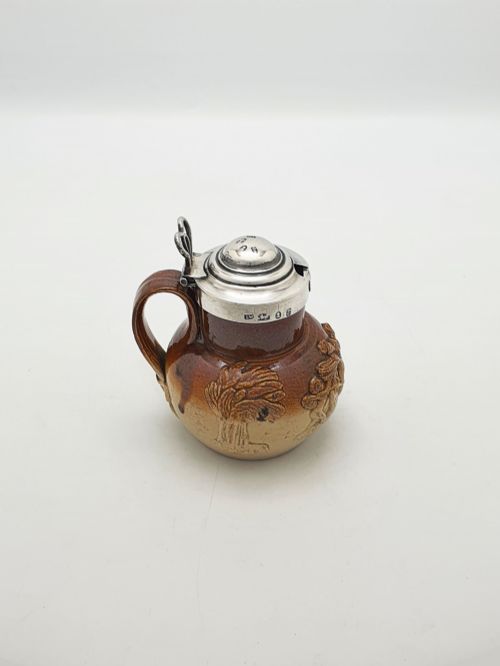
Certain pieces received additional ornamentation through sprigged relief decoration, incised patterns, or cobalt blue slip painting. Some domestic and presentation vessels were finished with sterling silver collars, mounts, and hinged lids.
Salt Glazed Stoneware Vessel Retail Price Guide 2026
Typical asking prices for salt glazed stoneware vessel among the pieces listed under this phrase on Sellingantiques today, from the lower quarter to the upper quarter. They describe what is for sale here now, not the wider market.
Listings span centuries of production, recording everything from sixteenth-century German Bartmann jugs to nineteenth-century English Doulton Lambeth vases.
What varies in quality
Quality in these ceramics rests upon the crispness of the moulded or incised detail and the evenness of the orange-peel texture. Pieces with sharply defined sprigged masks, royal ciphers, or intricate botanical patterns executed by skilled studio potters command greater attention than plain commercial utility wares.
The presence of precious metal mounts alters the standing of an object, particularly where hallmarked sterling silver collars and hinged lids elevate a simple drinking vessel into a presentation piece. Condition also plays a role, distinguishing undamaged exhibition pieces from heavily used tavern flagons.
Doulton Lambeth·Dee Filter Company·C & A Painter·Fulham Pottery·Roger Guerin
The Salt Glazed Stoneware Vessel Glossary
- Salt glaze
- A vitreous coating formed by throwing common salt into a hot kiln during the firing process. This creates a durable, slightly pitted surface resembling the skin of an orange.
- Stoneware
- A dense, hard ceramic fired at high temperatures until the clay body vitrifies and becomes non-porous. It resists liquids without needing an internal lead glaze.
- Sprigged
- A decorative technique where moulded clay motifs are applied in relief to the unfired body of a vessel. These sprigs often depict royal ciphers, portraits, or floral patterns.
- Bartmann
- A German stoneware jug featuring a bearded mask applied to the neck, often called a bellarmine. These vessels date primarily from the sixteenth and seventeenth centuries.
- Tyg
- A large drinking vessel fitted with three or more handles to allow communal passing around a table. Early examples appear in English country pottery and stoneware.
Salt Glazed Stoneware Vessel: Frequently Asked Questions
How were salt glazed stoneware vessels used originally?
These vessels served primarily practical purposes in domestic and tavern life, holding liquids such as beer, wine, oil, vinegar, and water. Heavy flagons and bottles stored provisions safely, while specialised containers like water filters and puzzle jugs provided functional utility.
Over time, many forms evolved from kitchen and tavern equipment into decorative studio ceramics. Victorian examples often sat in parlours as vases, ewers, and jardiniere stands rather than serving daily storage needs.
How can I tell the age of a stoneware vessel?
Dating relies on stylistic clues, form, and production marks recorded in the evidence. Early continental pieces from the seventeenth century often feature distinctive mask decorations, mottled salt glazes, and Westerwald or Siegburg origins.
Later Victorian pieces frequently carry factory stamps, artist initials, or specific commemorative dates. Examining the manufacturing technique and the presence of silver mounts helps narrow down the period of production.
Are these vessels waterproof without a glaze?
Stoneware fires at such high temperatures that the clay body vitrifies and sinters into a non-porous material. Because of this natural density, the vessels hold liquids securely even without an internal liquid glaze.
The exterior salt glaze adds an extra layer of chemical resistance and a decorative sheen. This combination made stoneware the preferred material for long-term storage of liquids and foodstuffs before modern glass and plastics.
How do I care for antique stoneware at home?
Antique stoneware requires minimal maintenance due to the durability of the fired clay body. Gentle washing with warm water and a mild detergent removes dust without harming the historic salt glaze surface.
Pieces with sterling silver mounts or delicate applied sprigs need careful handling around the metal and relief details. Avoid harsh chemical cleaners and abrasive scouring pads that might scratch the ceramic or damage historic mounts.