

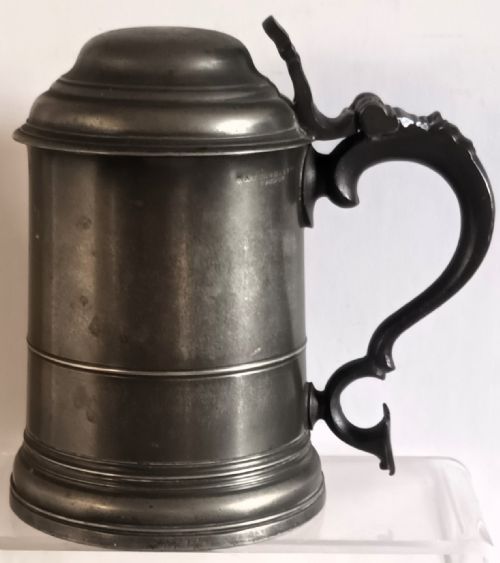


Antique Pewter Lid Mug
These antique pewter lid mug examples combine robust metalwork and hinged covers, offering a tangible link to historical tavern and domestic drinking traditions.
Antique Pewter Lid Mug
When you search for an antique pewter lid mug, you encounter robust drinking vessels spanning the eighteenth and nineteenth centuries, including Victorian and Edwardian examples. These drinking vessels take the form of tankards, flagons, and lidded measures produced in English and continental workshops.
You are most likely to meet plain metal tankards alongside decorated salt-glazed stoneware or Westerwald salt-glazed jugs fitted with hinged metal lids. English quart and pint measures sit alongside German beer steins and Arts and Crafts designs, reflecting diverse domestic and tavern uses.
Materials and construction
Metal vessels rely on cast and shaped pewter alloys, often combining lead and tin, whilst other examples utilise silver plating, old Sheffield plate, or copper components. Potters manufactured ceramic bodies using salt-glazed stoneware, tin-glazed earthenware, and faience, applying cobalt decoration before firing.
Craftsmen joined separate components with soldered joints and integrated articulated thumb-pieces onto hinged lids to secure the contents. Potters and metalworkers shaped handles and bodies to withstand daily service, applying stamped capacity marks or hand-painted polychrome designs.
Antique Pewter Lid Mug Retail Price Guide 2026
Typical asking prices for pewter lid mug among the pieces listed under this phrase on Sellingantiques today, from the lower quarter to the upper quarter. They describe what is for sale here now, not the wider market.
Assessing quality and character
Quality rests in the crispness of maker stamps, touchmarks, and cast details that reveal the origin and workshop skill. Heavier metal gauge and balanced proportions separate utilitarian kitchenware from finer presentation pieces commissioned for specific markets.
The integrity of the hinged lid mechanism and the survival of original surface patination influence the desirability of each piece. Ceramic bodies show distinction through sharp cobalt transfer work or carefully controlled polychrome glazing on faience surfaces.
Watts and Harton·Archibald Knox for Liberty and Co·Burgum and Catcott of Bristol
The Antique Pewter Lid Mug Glossary
- Pewter
- A malleable metal alloy primarily composed of tin combined with copper, antimony, or lead. It serves as the primary material for historic drinking vessels.
- Flagon
- A large drinking vessel with a handle and a lid, typically used for wine or ale. These vessels often feature flat or dome-shaped covers.
- Westerwald
- A German region renowned for producing salt-glazed stoneware ceramics featuring distinctive blue cobalt decoration. These pieces frequently incorporate mounted pewter lids.
- Old Sheffield Plate
- A composite material formed by fusing a thin sheet of silver onto a thicker copper base. It was widely utilised before the advent of electroplating.
- Touchmark
- A small stamp or punch applied by a metalsmith to identify their work. These marks indicate maker identity, guild standards, or town origins.
Antique Pewter Lid Mug: Frequently Asked Questions
What is an antique pewter lid mug?
An antique pewter lid mug is a lidded drinking vessel, such as a tankard or measure, designed for ale or beer.
These pieces date primarily from the eighteenth and nineteenth centuries and reflect tavern and household customs of the period.
How do I date an antique lidded tankard?
Dating relies on identifying touchmarks, capacity stamps, and stylistic details such as flat or domed lids.
Makers often struck specific town or maker marks directly into the metal, helping narrow down the decade of production.
Were these mugs used for daily drinking?
These vessels served patrons in public houses, inns, and domestic households for consuming ale, beer, and other fermented drinks.
Sturdier pieces handled heavy tavern use, while finer examples remained in domestic dining settings.
How should I clean antique pewter?
Cleaning antique pewter requires gentle washing in warm, soapy water followed by thorough drying with a soft cloth.
Avoid aggressive metal polishes that remove historic patination and soften crisp touchmarks.
Are ceramic tankards considered pewter?
Ceramic tankards from Westerwald or German faience traditions feature ceramic bodies with applied metal lids.
The pewter component serves as the hinged cover, whilst the main vessel consists of fired clay and glaze.