
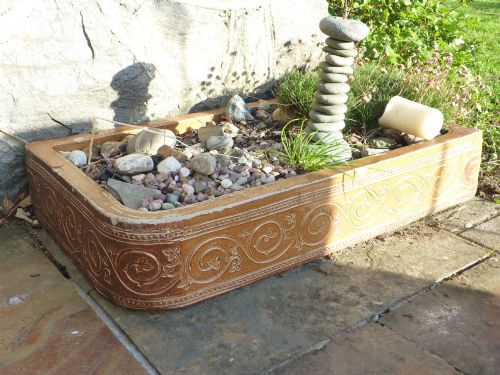


19th Century Stoneware Pot
A 19th century stoneware pot is a sturdy, salt-glazed or lead-glazed vessel prized for its robust utility and earthy presence.
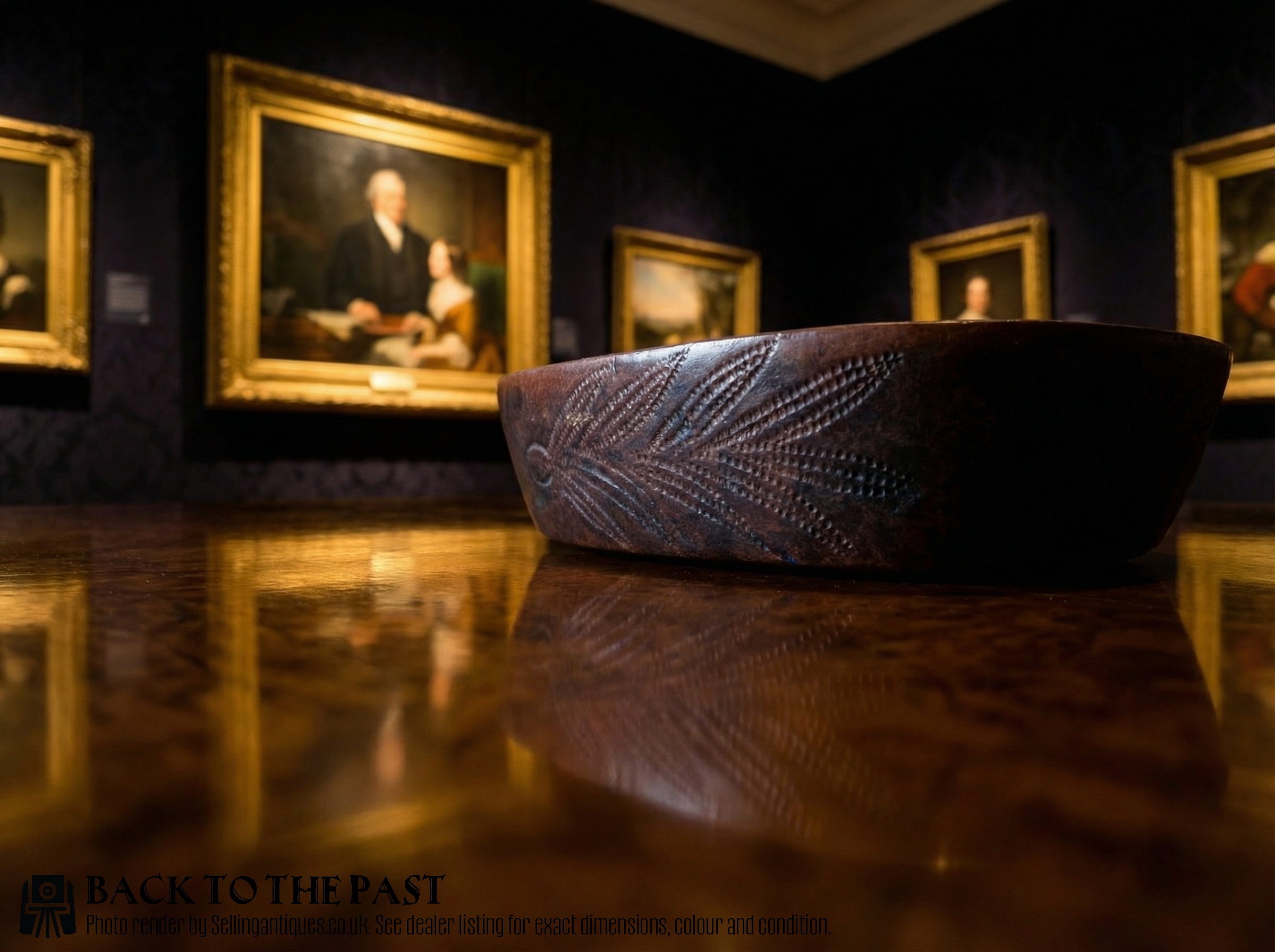
19th Century Stoneware Pot
When you search for a 19th century stoneware pot, you encounter hard-fired ceramic containers designed for kitchen storage, apothecary use, and garden display. These pieces range from utilitarian confit jars and cooking dishes to novelty inkwells and large planters.
You are most likely to meet French confit jars and salt-glazed garden vessels on this page, alongside English tavern jars and utilitarian kitchenware. Their origins stretch across French provincial workshops and Victorian establishments, reflecting practical domestic and commercial needs of the era.
The forms encompass window planters, storage jars, teapots, and large jardiniere log bins. Each object demonstrates the heavy, durable qualities required of nineteenth-century ceramics intended for daily use.
How they were made
Potters shaped these items from heavy clay, terracotta, and stoneware bodies, often applying salt glaze or coloured lead glazes to create impermeable surfaces. Salt-glazing produced characteristic textured, pebbled finishes during high-temperature kiln firings.
Handmade construction methods left subtle surface irregularities, tool marks, and organic variations in the green, white, and brown glazes. Artisans also utilised faux bois modelling and moulded details on specialised garden planters and novelty items.
Rugby balls occasionally inspired Victorian potters, resulting in surprisingly heavy ceramic inkwells for nineteenth-century writing desks.
What varies in quality
Quality in these ceramics depends on the crispness of form, the depth and consistency of the glaze, and the preservation of original surfaces. Superior examples display balanced proportions and deliberate decorative choices, such as intricate faux bois bark textures or well-defined moulded lettering.
The distinction between standard utilitarian vessels and finer pieces often lies in the sophistication of the glaze and the ambition of the object type, moving from plain storage jars to artistic window troughs and novelty inkwells.
Guichard Carriès·C & A Painter·Wedgwood
The 19th Century Stoneware Pot Glossary
- Salt-Glazed Stoneware
- Pottery fired at high temperatures where common salt thrown into the kiln vapourizes to form a glossy, pitted orange-peel texture.
- Confit Jar
- A traditional French earthenware or terracotta pot with handles, glazed internally or partially, originally used for preserving meats.
- Faux Bois
- An artistic technique imitating wood grain, often modelled into nineteenth-century garden planters and troughs.
- Terracotta
- Porous unglazed or glazed fired clay of a brownish-red colour, commonly utilised for garden planters and large bowls.
- Jardiniere
- An ornamental ceramic pot or stand designed to hold a plant or floral arrangement indoors.
- Apothecary Jar
- A vessel historically used by chemists and pharmacists to store medicinal herbs, powders, and liquids.
19th Century Stoneware Pot: Frequently Asked Questions
What were 19th century stoneware pots used for?
These vessels served practical functions in domestic kitchens, apothecaries, and taverns for storing food, liquids, and dry goods. Confit pots held preserved meats, while specialised jars stored turtle soup or apothecary preparations.
In domestic and garden settings, larger vessels acted as planters, log bins, and window troughs. Their dense ceramic walls protected contents from moisture and temperature fluctuations.
How do I care for antique stoneware?
Wash stoneware gently with warm water and mild soap, avoiding harsh scouring pads that might damage historic glaze surfaces. Pat dry thoroughly rather than letting them air dry.
Keep terracotta and porous ceramic pieces indoors during freezing winter weather to prevent cracking from trapped moisture. Display them on stable surfaces away from heavy foot traffic.
How do I identify French confit pots?
French confit pots typically feature robust earthenware or terracotta bodies with characteristic side handles and glazed upper portions. Their earthy green, yellow, or terracotta tones reflect regional French provincial workshops.
They appear in various sizes, often designed with rounded bellies to facilitate the removal of preserved duck or pork confit. Surface wear and glaze pooling indicate genuine historic usage.
What is salt-glazed stoneware?
Salt-glazed stoneware is pottery produced by introducing common salt into the kiln during high-temperature firing. The salt reacts with silica in the clay body to form a durable, glossy surface with a distinctive textured finish.
This vitrified finish made the pots completely waterproof and highly resistant to acids, ideal for kitchenware and outdoor garden planters.
Are these pots waterproof?
Stoneware and salt-glazed pieces are generally vitrified and hold liquids securely without leaking. Terracotta and earthenware vessels can remain slightly porous unless heavily glazed on the interior.
Check individual pieces for internal glazing if you intend to use them as vases or planters holding standing water.