
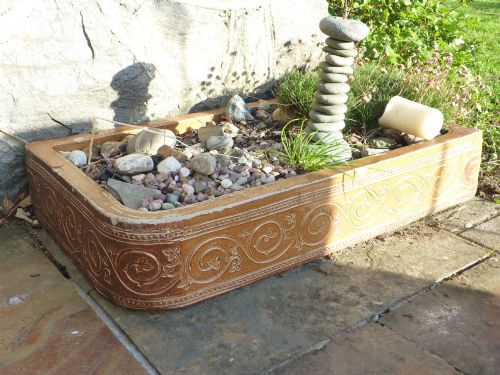
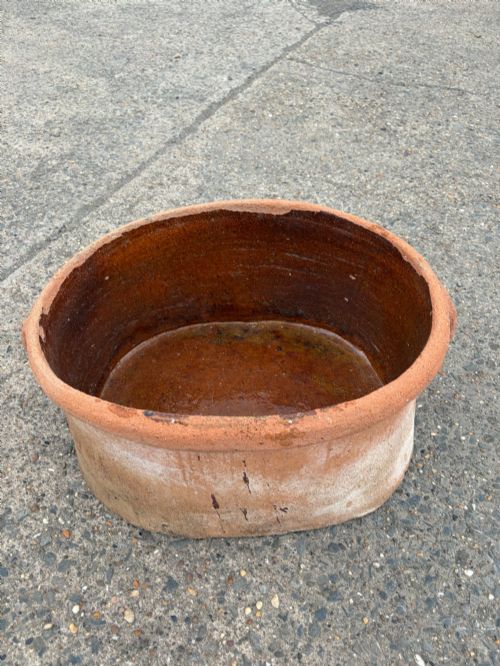


Antique Ceramic Trough
An antique ceramic trough provides a purposeful vessel for planting or display, bringing historic utility and character to home and garden spaces.
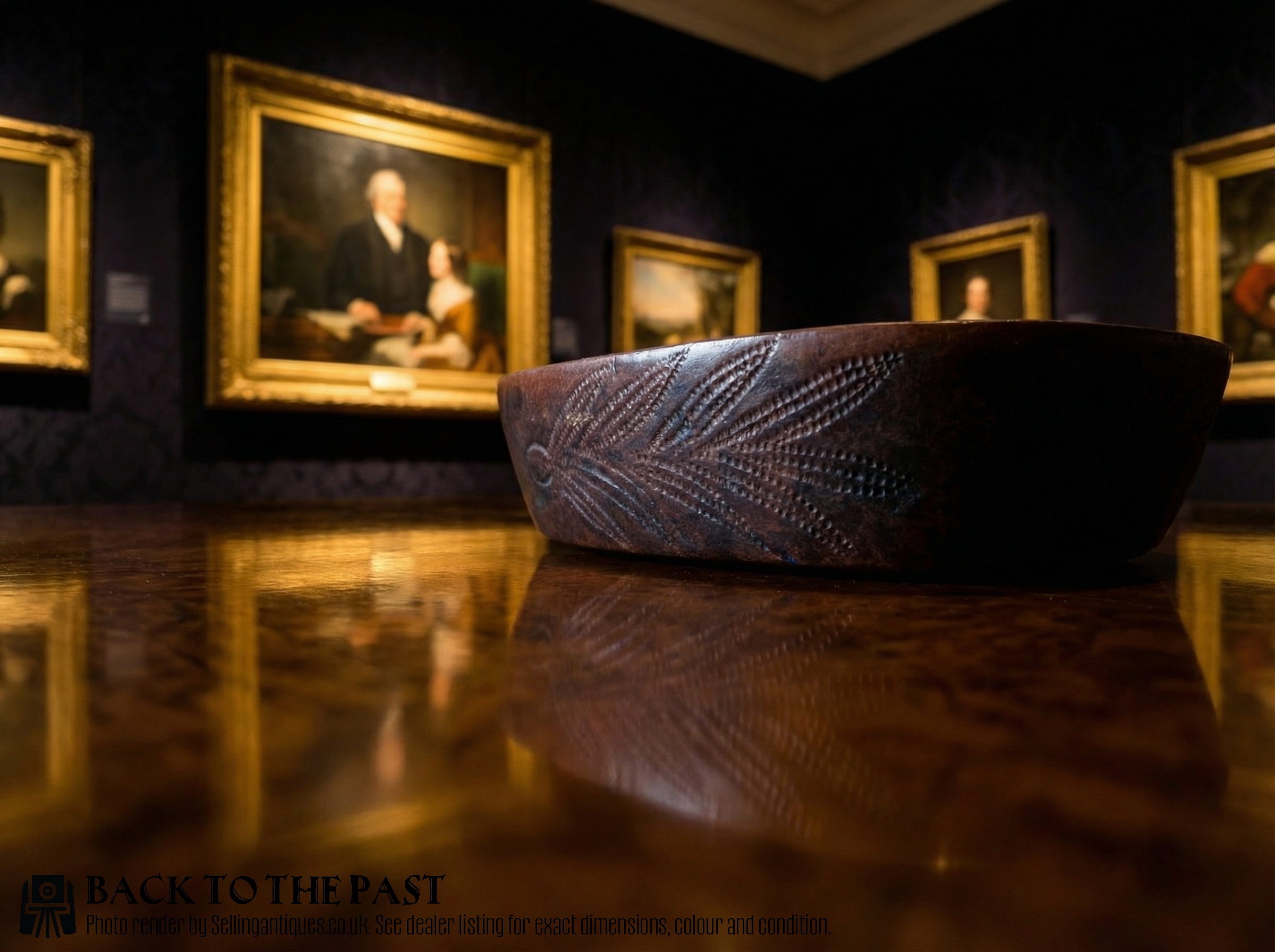
Antique Ceramic Trough
An antique ceramic trough encompasses utilitarian vessels and decorative planters spanning the eighteenth to the twentieth century. These pieces appear in varied forms including garden planters, footbaths, window planters, and kitchenalia.
Many items serve dual purposes as indoor centrepieces and outdoor garden troughs, demonstrating the durable nature of ceramic materials across different historical periods.
Materials and Construction
Potters utilised durable earthenwares, stonewares, and porcelains, shaping heavy garden pansheons and delicate decorative vessels alike. Salt-glazed stoneware provided a dense, impervious surface suited to robust utility.
Applied glazes, majolica enamels, and intricate hand-painted Chinoiserie or Imari designs decorated the surfaces of finer porcelain and earthenware pieces. Terracotta and unglazed clays were left porous for horticultural purposes.
Listings feature ceramics spanning the eighteenth, nineteenth, and early twentieth centuries, including salt-glazed stoneware, porcelain, and terracotta.
Assessing Quality and Execution
Quality rests upon the precision of the form, the depth and stability of the glaze, and the clarity of any hand-painted or moulded decoration. Superior items show careful attention to structural balance in large vessels like garden pansheons and footbaths.
Artistic execution distinguishes standard utilitarian wares from ambitious pieces reflecting specific movements such as Arts and Crafts or French Art Nouveau. The integrity of the ceramic body and the preservation of the glaze define the enduring character of each piece.
Royal Doulton·Royal Dux
The Antique Ceramic Trough Glossary
- Terracotta
- A porous, unglazed or slip-coated fired clay commonly utilised for garden planters and horticultural vessels.
- Jardiniere
- A decorative ceramic pot or trough designed to hold growing plants or floral arrangements.
- Salt-Glazed Stoneware
- A dense ceramic material finished by throwing common salt into the kiln during high-temperature firing, creating a characteristic orange-peel texture.
- Majolica
- A type of earthenware decorated with opaque coloured glazes over an absorbent buff body, popular during the Victorian era and Italian Renaissance Revival.
- Pansheon
- A large, shallow ceramic basin traditionally utilised in domestic dairies or farmhouses for setting milk or general kitchen tasks.
Antique Ceramic Trough: Frequently Asked Questions
What were antique ceramic troughs originally used for?
These ceramic vessels served practical functions in domestic kitchens, dairies, and gardens. Many acted as washing basins, cooking dishes, or functional troughs for plants and roots.
Over time, sturdier earthenware and salt-glazed stoneware adapted easily from agricultural utility to decorative garden and interior use.
How can I date an antique ceramic trough?
Dating relies on observing the material composition, glaze characteristics, and stylistic markers such as Victorian country forms or Art Nouveau motifs. Period evidence ranges from eighteenth-century Chinese export porcelain to early twentieth-century stoneware.
Maker marks, where present, provide precise attribution to specific potteries and production eras.
Can antique ceramic troughs be used outdoors?
Many stoneware, terracotta, and heavy earthenware troughs suit outdoor garden placement due to their durable fired composition. Porous clays require caution during freezing winter conditions to prevent cracking.
Glazed porcelain and decorative majolica pieces typically remain better suited for indoor display or sheltered garden settings.
What is the difference between a jardiniere and a trough?
A jardiniere generally refers to an ornamental pot or container designed specifically for displaying indoor plants or floral centrepieces. A trough describes a longer, rectangular vessel originally shaped for feeding livestock or washing before finding horticultural use.