


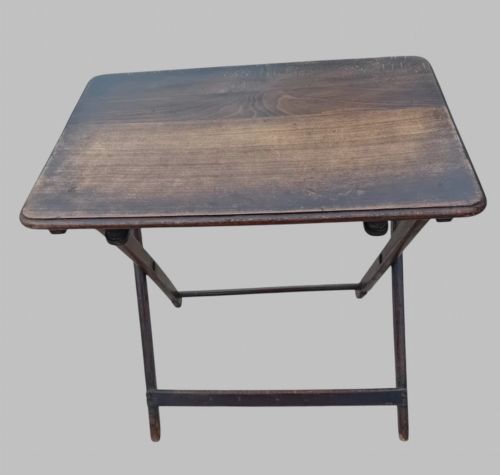
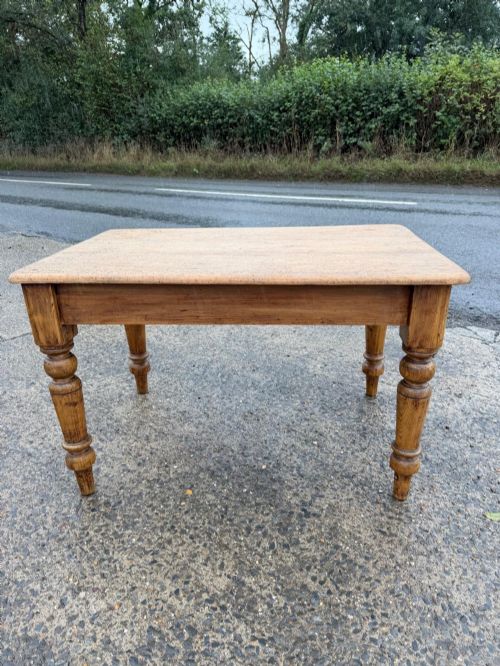
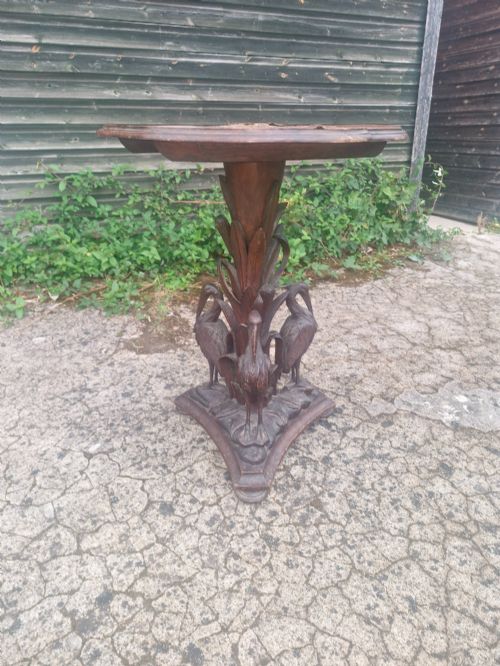
Rustic Accent Table
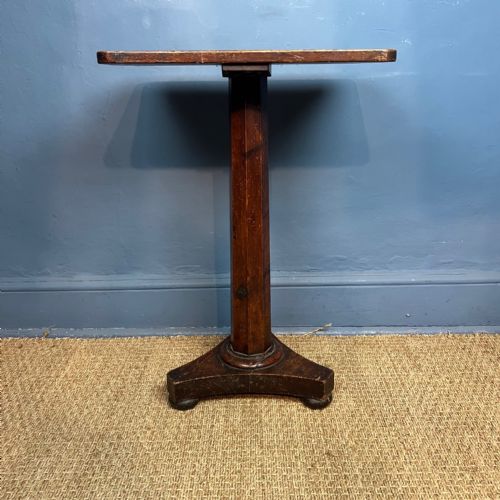
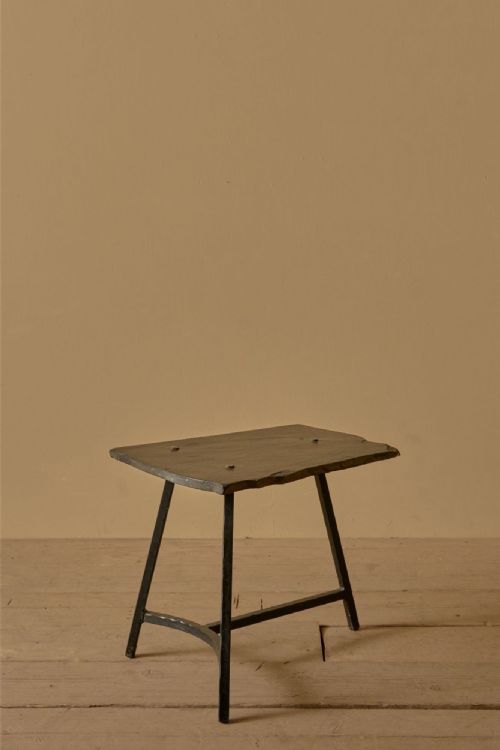
These rustic accent table examples span centuries of practical carpentry, offering solid timber surfaces designed to bring texture and character into a room.
Rustic Accent Table
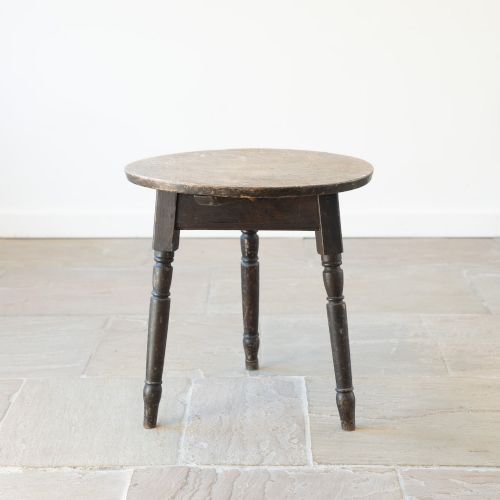
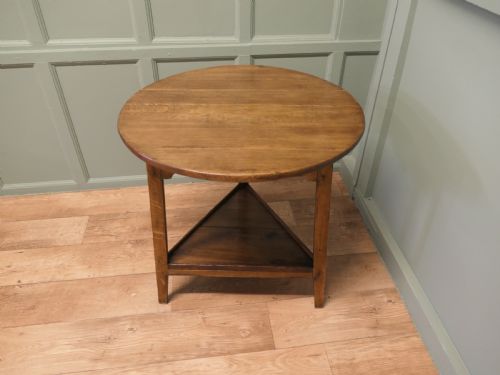
A rustic accent table serves as a compact surface for everyday use, taking the form of side tables, occasional pieces, cricket tables, and small stools. When searching for a rustic accent table, buyers encounter utilitarian forms shaped by regional traditions across Britain, France, Italy, Spain, and Sweden.
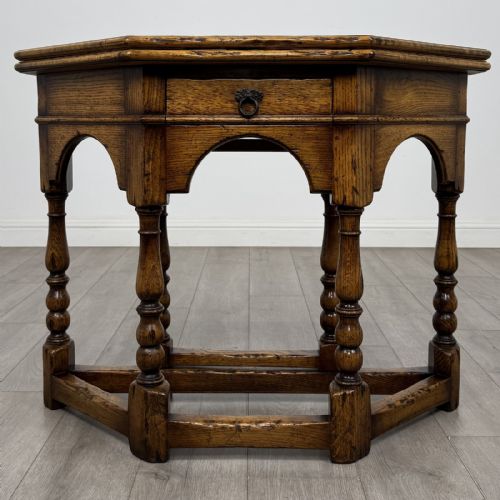
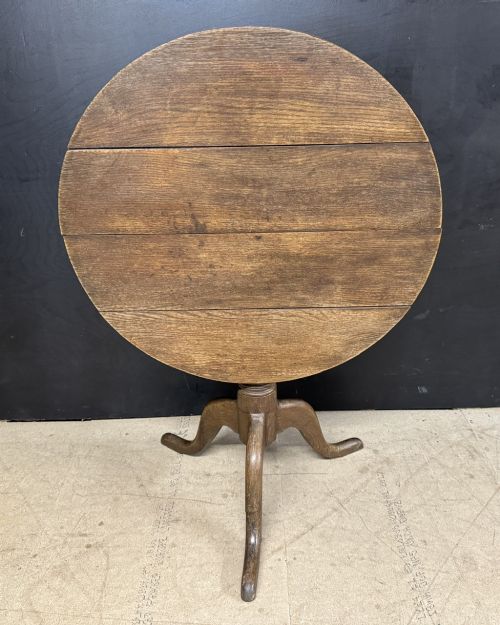
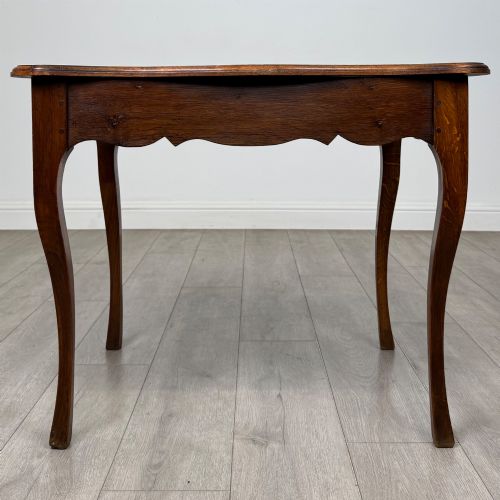
The selections span several periods, reaching from the seventeenth century through the eighteenth and nineteenth centuries into the early twentieth century. Common configurations include three-legged cricket tables with circular tops, gateleg designs, and low side tables equipped with single drawers.
Makers working within vernacular styles utilised accessible local timbers to construct sturdy, unpretentious furniture for domestic spaces. These pieces prioritised function over ornament, resulting in honest construction methods that remain visible today.
Materials and Technique
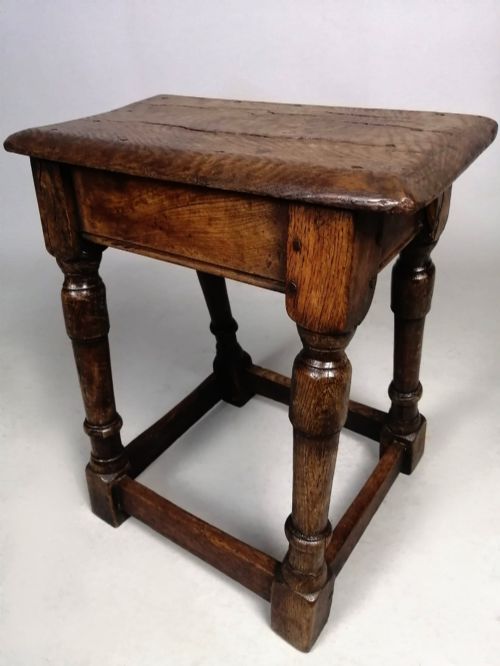
Construction relies heavily on native hardwoods and softwoods, with oak, pine, elm, fruitwood, and walnut appearing frequently across the inventory. Carpenters joined structural members using traditional jointing techniques, such as pegged mortise and tenon joints found on joint stools and side tables.
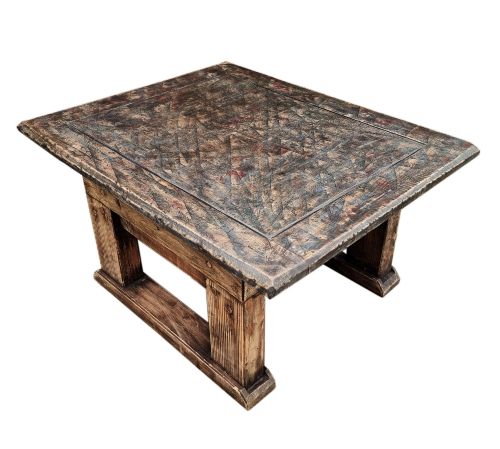
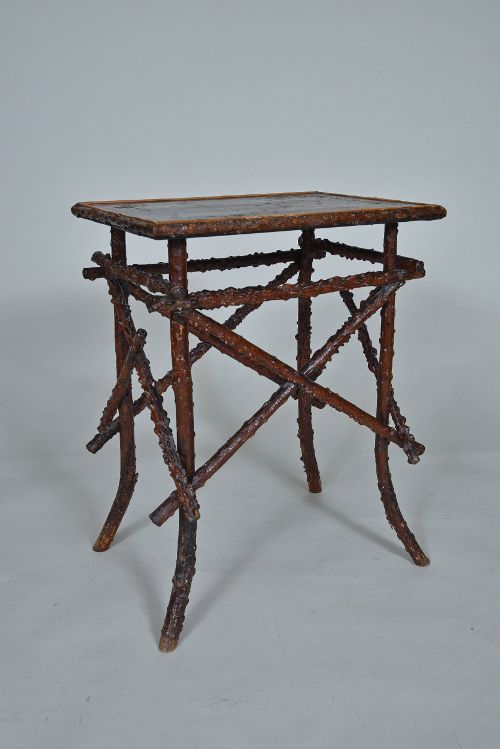
Surface treatments range from plain waxed timber and scumble paint to original painted finishes and primitive grotto work. Selected pieces incorporate turned legs, tripod bases, and carved details that reflect regional preferences without sacrificing structural integrity.
Rustic Accent Table Retail Price Guide 2026
Typical asking prices for rustic accent table among the pieces listed under this phrase on Sellingantiques today, from the lower quarter to the upper quarter. They describe what is for sale here now, not the wider market.
Listings feature oak, pine, elm, and fruitwood spanning the seventeenth, eighteenth, and nineteenth centuries.
Assessing Quality
Quality in these domestic items rests upon the integrity of the timber and the honesty of the construction. Pieces retaining their original surface finishes and patination demonstrate superior preservation compared to those stripped or heavily restored.
Proportion and structural stability distinguish standard utility items from finer vernacular examples. Well-balanced tripod bases, tight joints, and untouched regional characteristics separate ordinary workshop output from more compelling historical specimens.
The Rustic Accent Table Glossary
- Cricket table
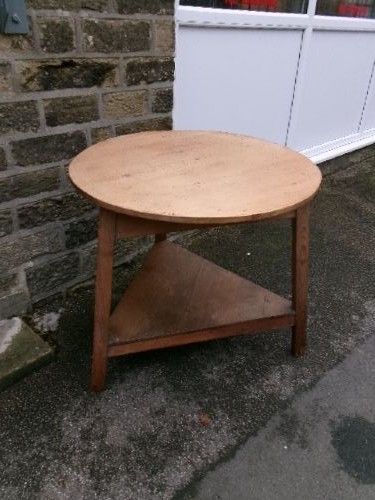
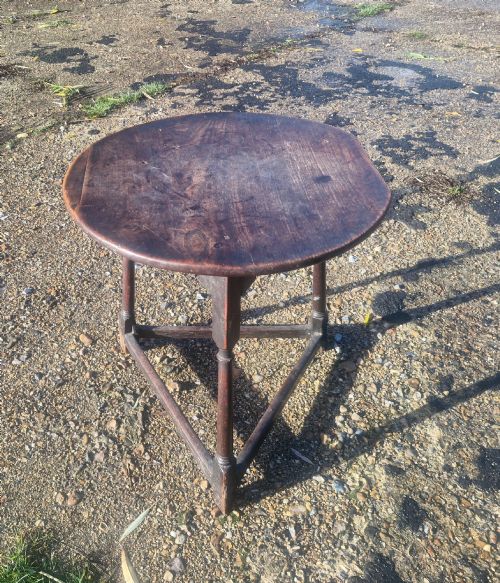
- A small three-legged wooden table originating in Britain, traditionally featuring a triangular or circular top supported by pegged legs. This format provided stability on uneven flagstone floors.
- Gateleg table
- A table with hinged sections that drop down or are supported by swinging legs. This design allowed furniture to be folded away against a wall when floor space was required.
- Joint stool
- A sturdy wooden stool constructed with mortise and tenon joints held together by wooden pegs. These items served multiple purposes as seating or small raised surfaces.
- Scumble paint
- A decorative translucent paint layer dragged or manipulated across a base coat to simulate wood grain or add texture. This finish appeared on nineteenth-century furniture to enhance plain pine.
- Pollard oak
- Timber taken from trees that were pollarded, creating burr growths with dense, swirling grain patterns. Cabinet makers utilised these sections for decorative tabletops.
Rustic Accent Table: Frequently Asked Questions
What is a cricket table?
A cricket table is a traditional three-legged small table with a circular top, designed to stand steadily on uneven floors.
These pieces served utilitarian roles in domestic interiors before evolving into decorative occasional furniture.
How do I date an old wooden table?
Dating relies on examining the timber species, construction joints, tool marks, and overall wear patterns present on the underside and frame.
Historical styles and regional carpentry methods provide further clues to the period of manufacture.
Where were these tables used?
These compact tables functioned in kitchens, taverns, and parlours as moveable surfaces for food, drink, or lighting.
Their modest dimensions allowed them to fit easily beside seating or in tight corners.
How do I care for antique timber?
Maintenance involves applying appropriate beeswax or natural oils to nourish the dry wood without building up heavy chemical layers.
Keeping pieces away from direct heat sources and sudden humidity changes protects the joints and surface patina.