
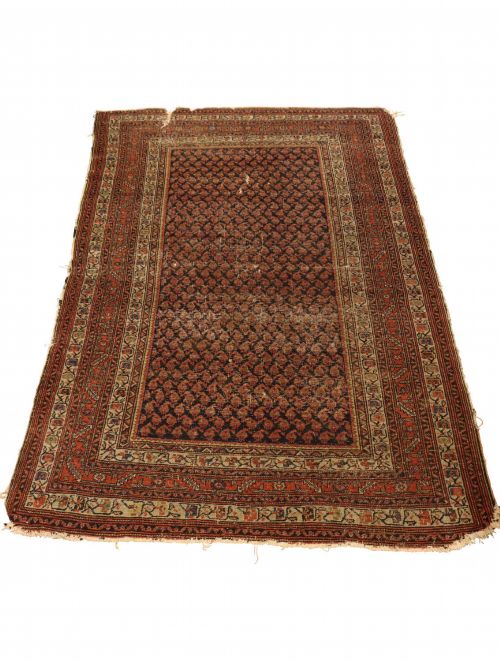


Rust Red Area Rug
A rust red area rug brings deep, grounded warmth to a room through traditional Persian and tribal weaving.
Rust Red Area Rug
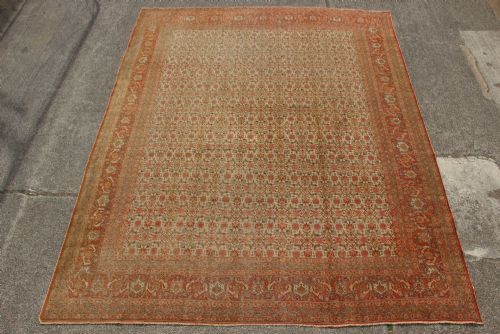
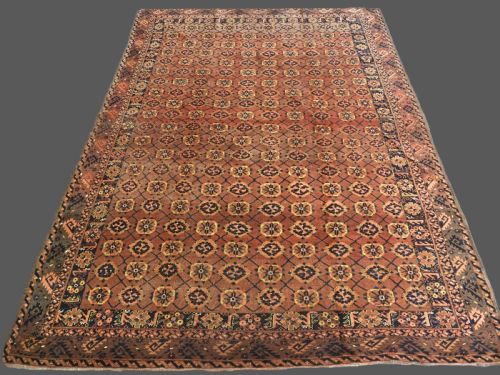
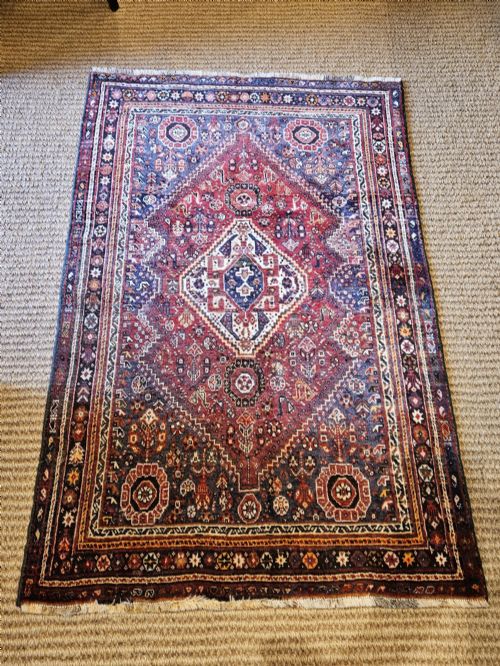
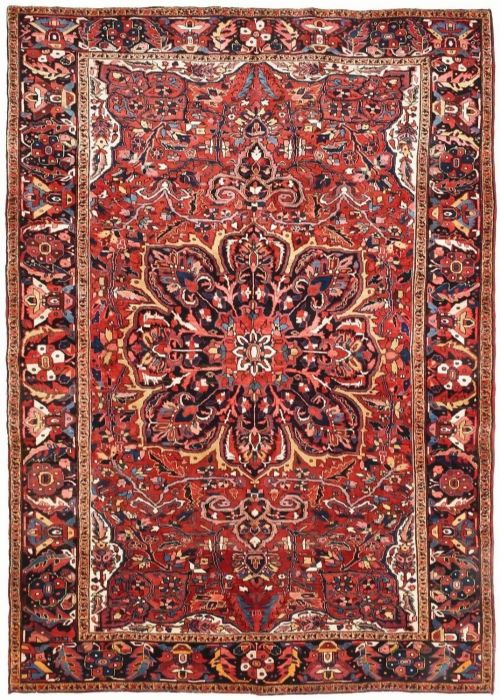
A rust red area rug comprises hand-knotted floor coverings hailing from various Persian and tribal traditions, dating from the mid-nineteenth century through the early twentieth century. These pieces span compact formats suitable for smaller spaces up to large country house proportions, dominated heavily by Heriz, Baluch, and Turkmen village designs.
The aesthetic leans towards traditional motifs such as boteh, all-over geometric repeats, and large medallions set against distinctive rust backgrounds. Buyers encountering this selection will find robust wool carpets originating from regional hubs and nomadic groups alike, created for enduring domestic utility.
How they were made
These floor coverings rely on natural materials, utilising wool for the dense pile alongside cotton and goat hair foundations for structural integrity. Artisans hand-knotted these textiles using traditional village and workshop techniques, binding the pile securely to the warp and weft threads.
Dye methods of the period produced the characteristic rust red tones alongside contrasting shades of indigo and cream, forming intricate geometric and floral patterns that define the style.
Rust Red Area Rug Retail Price Guide 2026
Typical asking prices for rust red area rug among the pieces listed under this phrase on Sellingantiques today, from the lower quarter to the upper quarter. They describe what is for sale here now, not the wider market.
Some nomadic weavers hid tiny intentional irregularities in their geometric repeats to ward off the evil eye.
What varies in quality
Quality differences stem from the density of the hand-knotting, the precision of the geometric or floral layout, and the overall handling of the wool pile. Finer weaves exhibit crisper detail in motifs like the boteh or gul designs, reflecting superior craftsmanship.
The richness and depth of the rust red ground dye also distinguish finer examples, alongside the integrity of the original wool foundations and borders.
The Rust Red Area Rug Glossary
- Boteh
- A traditional teardrop or almond-shaped motif representing a-leaf, bush, or flame. It appears frequently as an all-over pattern in antique rugs.
- Heriz
- A style of carpet originating from the Heris region in northwest Persia, known for bold geometric medallions and durable construction.
- Baluch
- A designation for rugs woven by Baluchi nomadic tribes, typically featuring deep rust and dark wool palettes with distinctive tribal motifs.
- Gul
- An octagonal medallion or floral motif repeated across Turkmen and tribal carpets, forming the central visual structure of the design.
- Warp
- The vertical threads stretched tightly on the loom that form the structural foundation upon which the wool pile is knotted.
Rust Red Area Rug: Frequently Asked Questions
Where should I place a rust red area rug?
These carpets anchor living rooms, studies, or dining areas where deep earthy tones complement traditional wooden furniture and interior architecture. Their robust wool construction handles moderate foot traffic with ease.
Selecting the right size depends on the room proportions, allowing the rust red border to frame the floor space effectively without crowding surrounding furniture.
How do I care for antique wool carpets?
Regular gentle vacuuming without a rotating brush roll keeps dust from settling into the wool pile. Professional cleaning by specialists in antique textiles ensures the dyes and fibres remain stable.
Positioning the rug out of direct, harsh sunlight preserves the vibrancy of the rust red background over decades of use.
What distinguishes Heriz rugs from tribal pieces?
Heriz carpets generally feature large-scale geometric central medallions and sturdy structures woven in northern Persian workshops. They offer a more architectural layout compared to smaller tribal pieces.
Tribal examples like Baluch or Turkmen rugs display compact repeat patterns and nomadic symbols, reflecting the distinct cultural heritage of smaller weaving groups.
How can I tell the age of these rugs?
Dating relies on assessing the natural dye palette, the handling of the wool, and traditional structural characteristics specific to late nineteenth and early twentieth-century production.
Wear patterns, fringe construction, and regional design traits help narrow the period of origin between the mid-1800s and 1930s.