


Antique Veramin Rug
These antique veramin rug pieces are woven Persian floor coverings valued for traditional designs.
Antique Veramin Rug
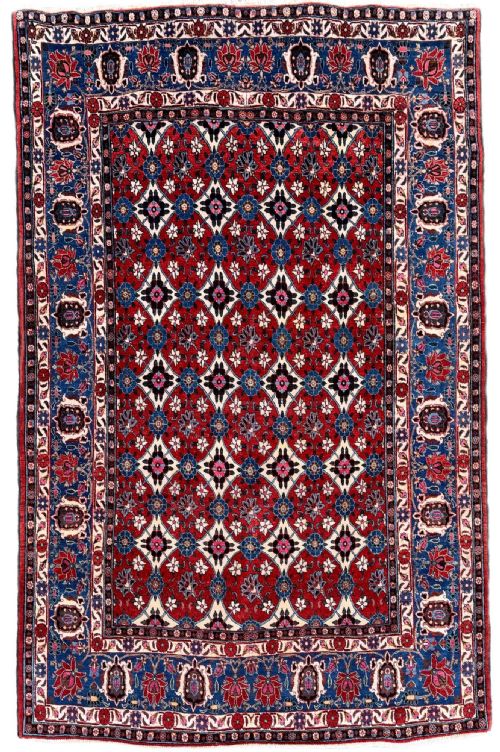
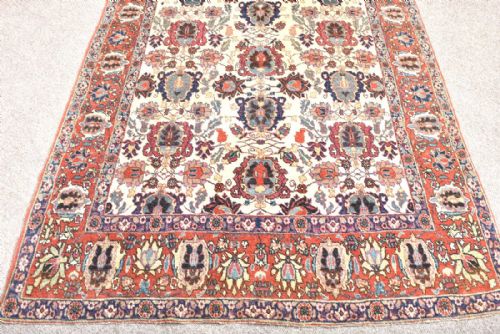
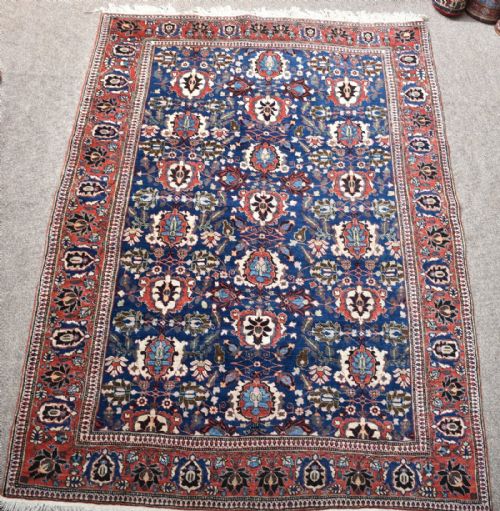
An antique veramin rug represents traditional Persian weaving originating from central Iran. These floor coverings appear in various formats including smaller rugs, large carpets, and narrow hallway runners. When searching for an antique veramin rug, buyers encounter pieces dating from the early twentieth century, specifically between nineteen hundred and nineteen thirty.
The objects displayed on this page reflect Persian tribal and traditional styles. Many examples measure in standard room sizes whilst others provide narrow dimensions suitable for corridors. Each piece functions as a practical floor covering whilst displaying distinct regional weaving patterns.
How they were made
The construction of these floor coverings relies entirely upon wool and cotton materials. Weavers utilise wool for the pile to ensure durability and soft texture underfoot. Cotton typically forms the foundational warp and weft threads that give the structure stability.
Traditional production methods involve hand knotting techniques passed through generations. Artisans build the carpets knot by knot onto vertical looms, creating dense surfaces that withstand generations of domestic use.
Materials utilised across the current selection consist strictly of traditional wool and cotton.
What varies in quality
Quality differences in these textiles stem from knot density and precision of the underlying design. Finer examples display intricate pattern work such as the mina khana motif executed with sharp geometric clarity. Variations in the wool quality also alter the tactile experience and visual depth of the pile.
The choice of ground colour and dye saturation influences the overall visual impact of each carpet. Mid blue grounds and balanced border proportions separate standard village productions from finer workshops pieces. The integrity of the cotton foundation determines how well the textile holds its shape over decades.
The Antique Veramin Rug Glossary
- Pile
- The upright loops or cut ends of yarn that form the usable surface of the carpet. This component absorbs foot traffic and displays the woven design.
- Warp
- The vertical foundation threads stretched tightly on the loom before weaving begins. The horizontal weft threads interlace with these to secure the knots.
- Weft
- The horizontal threads passed through the warp threads after each row of knots is tied. This yarn holds the structure firmly in place.
- Mina khani
- A repeating floral pattern consisting of daisy-like flowers linked by curved lattice lines. This traditional motif appears frequently in Persian weaving.
- Runner
- A long and narrow carpet format specifically designed for hallways and corridors. These pieces measure significantly longer than they are wide.
Antique Veramin Rug: Frequently Asked Questions
Where were veramin rugs made?
These rugs originate from the town of Veramin and the surrounding district south of Tehran in Persia. Local weavers developed distinctive tribal and traditional styles that set their work apart from other weaving regions.
Production in this area drew upon centuries of local textile tradition, utilising materials sourced from the surrounding countryside. The resulting carpets reflect the specific cultural heritage of central Persian village communities.
How do I care for an antique rug?
Protect your floor covering by placing it in areas with moderate foot traffic and avoiding direct, harsh sunlight. Regular vacuuming without a beater bar removes trapped dust from the wool pile safely.
Professional cleaning by specialists in antique textiles prevents fibre degradation over time. Promptly blot any spills with a clean, dry cloth without rubbing the affected wool.
What is the mina khana pattern?
The mina khana design is a traditional geometric floral motif featuring repeating flowers connected by a lattice network. This balanced pattern creates an all-over visual rhythm across the carpet ground.
Master weavers arranged these botanical elements symmetrically to bring order and elegance to the textile. The motif remains one of the defining characteristics of classical Persian village weaving.
Are these rugs suitable for hallways?
Certain pieces within this category are specifically manufactured as narrow runners designed for corridors and passageways. Their elongated proportions fit comfortably in transitional spaces without overwhelming the floor area.
Using a quality underlay beneath the runner prevents slipping and cushions the cotton foundation against hard flooring. This ensures the textile endures daily foot traffic while remaining secure.