




Traditional Iranian Carpet
These woven floor coverings known as a traditional iranian carpet bring centuries of knotting skill and regional design into a room.
Traditional Iranian Carpet
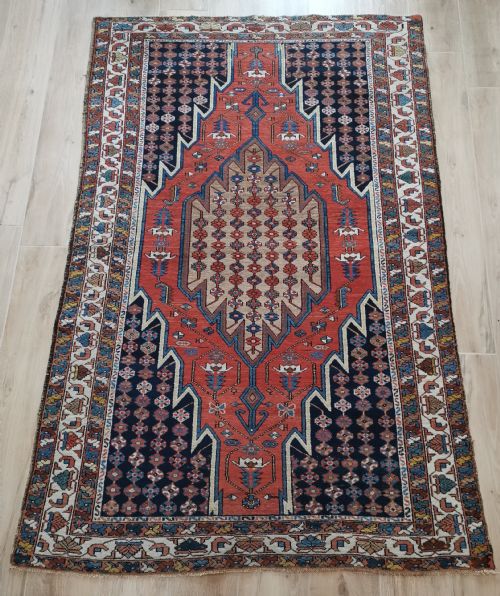
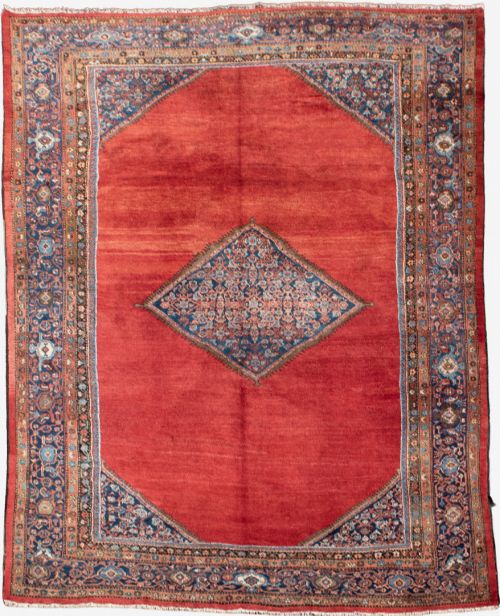
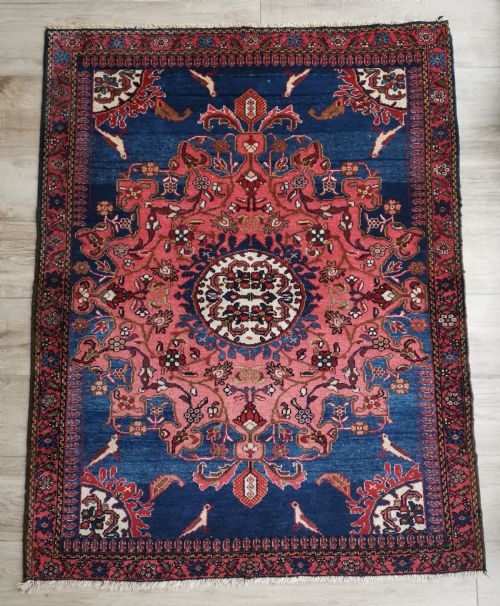
A traditional iranian carpet encompasses rugs, runners, and room-sized floor coverings originating from various Persian workshops and tribal regions. The pieces available span from the late nineteenth century through to the mid-twentieth century, showing distinct local weaving traditions.
Makers in regions such as Heriz, Ferahan, Qum, and Veramin produced diverse formats ranging from large carpets exceeding four metres to compact tribal rugs and long runners. Each production centre utilised specific layout structures and characteristic motifs that distinguish its origin.
Geometric medallion schemes, intricate floral arrangements, and tribal animal motifs recur across these woven works. Buyers encounter both finely knotted city pieces and robustly constructed village or nomadic formats.
Materials and construction
Weavers constructed these carpets using wool, cotton, and silk fibres for the pile, foundation warp, and weft threads. Wool provides resilience for everyday floor use, while silk appears in finer city weaves to allow for detailed graphic execution.
Foundation structures typically combine cotton warps and wefts, though certain nomadic pieces incorporate wool foundations. Hand-knotting techniques secure the pile tightly to the underlying grid, creating a dense textile designed to withstand decades of foot traffic.
Nomadic weavers tucked tiny protective amulets directly into the geometric borders of their carpets.
Assessing the craftsmanship
Knot density and structural tightness dictate the fineness of the finished surface, particularly in city productions where intricate curves require precise placement. Greater knot counts permit sharper delineation of motifs and finer floral details.
The choice of dyeing materials and the consistency of the wool fleece determine the depth and longevity of the colours. Well-preserved pieces retain rich natural hues that develop a harmonious patina over time.
Hajji Jalili·Sahab
The Traditional Iranian Carpet Glossary
- Medallion
- A central ornamental design motif placed in the middle of the carpet field. It usually takes a symmetrical geometric or floral form.
- Kelleh
- A large rectangular format carpet, traditionally longer than it is wide. This format served specific reception room layouts in Persian homes.
- Pile
- The upright yarn surface of the carpet formed by individual knots. The height and density of these fibres determine the tactile feel.
- Warp
- The vertical foundation threads stretched lengthwise on the loom. Weft threads are subsequently passed horizontally through these warp strands.
- Runner
- A long and narrow carpet format suited for hallways, corridors, and staircases. These pieces balance length with a restricted width.
Traditional Iranian Carpet: Frequently Asked Questions
How do I clean a traditional iranian carpet?
Regular gentle vacuuming without a beater bar removes surface dust and grit from the wool fibres.
Professional specialist cleaning is necessary for deeper maintenance to prevent dye bleeding or structural distortion.
Where should I place a runner rug?
These elongated formats fit well in narrow entryways, hallways, and along bedside spaces.
Ensure an appropriate underlay is used to keep the textile stable on smooth flooring surfaces.
How do I identify a tribal rug?
Tribal pieces display bolder geometric patterns, asymmetrical touches, and more rustic wool foundations.
These designs reflect nomadic storytelling rather than formal urban workshop planning.
What does roomsize mean?
Roomsize refers to larger formats capable of anchoring central furniture arrangements within a living space.
These substantial carpets typically measure over three metres in length.