






Round Gilded Frame Mirror
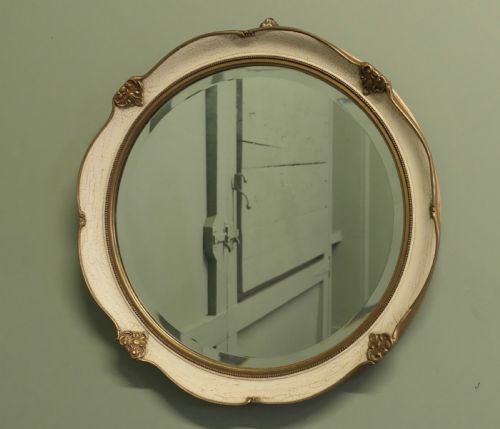
A round gilded frame mirror brings depth and warmth to a room, focusing light through its curved glass and ornate metallic border.
Round Gilded Frame Mirror
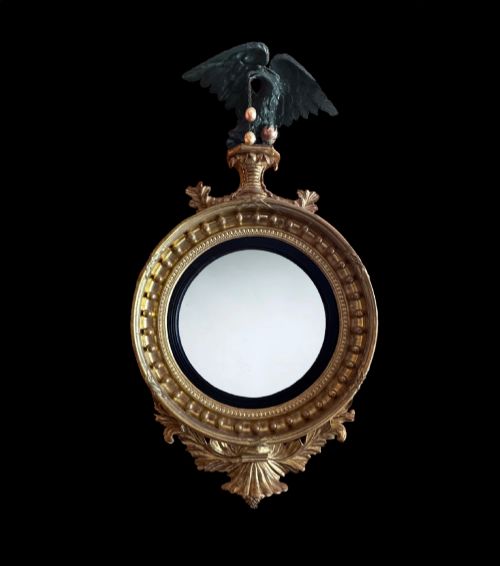
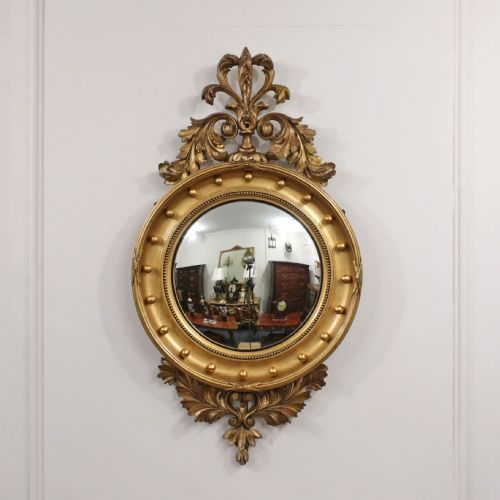
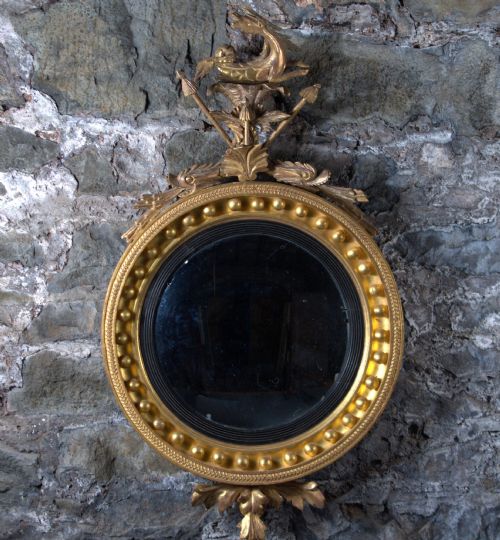
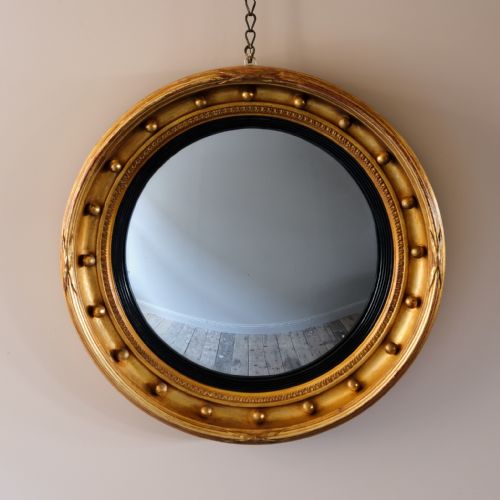
A round gilded frame mirror is primarily represented by circular convex wall mirrors and circular hall mirrors, drawing the eye with their distinct hemispherical glass. These pieces appear across the Regency period, the Victorian era, and into the twentieth century, bringing a traditional focal point to interior spaces.
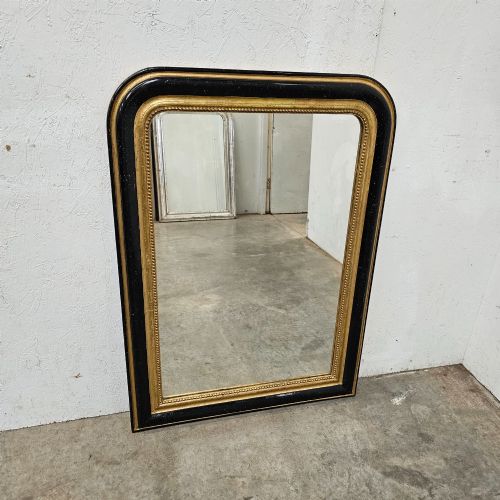
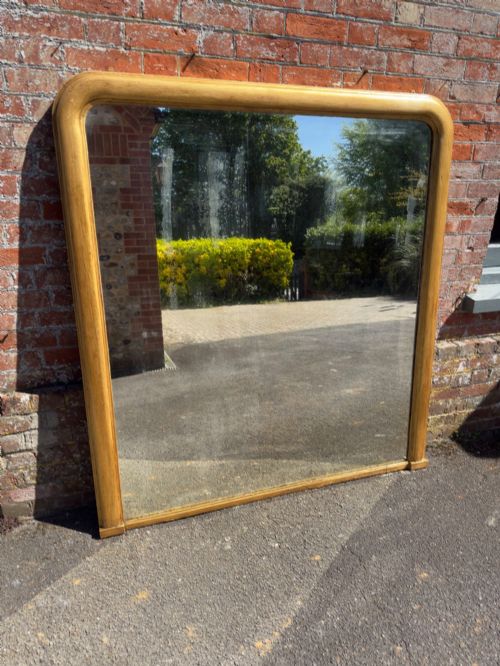
Most examples encountered here date from the nineteenth century or follow Regency and Louis Philippe designs, spanning wall mirrors and overmantel forms. The selection includes grand scale circular mirrors as well as smaller hall mirrors, finished with carved wood and gesso frames.
Makers and designers from various epochs utilised gold leaf and gilt paint to catch the ambient light in hallways and reception rooms. Such mirrors serve both a practical domestic function and a decorative role within period and revival schemes.
Materials and Construction
Frames are constructed predominantly from wood, often finished with moulded gesso that accepts fine detail and carving. Craftsmen then applied gold leaf or gilt paint over the prepared surface to achieve a bright, reflective metallic finish.
The characteristic curved glass creates a wide-angle reflection of the interior. This convex plate is typically set within a deep rebate, occasionally accompanied by ebonised wood details or decorative motifs such as dragons or classical carvings.
Listings feature periods from the Georgian era through the Regency and Victorian periods up to 1940, utilising giltwood, gesso, and ebonised wood.
Judging Quality and Craftsmanship
Quality rests in the crispness of the gesso carving and the depth of the gilding on the wood frame. Superior examples display sharply defined ornamentation without heavy overpainting, while lesser pieces show softer moulded details from later revival periods.
The integrity of the mirror plate itself distinguishes the better items, alongside the stability of the timber construction behind the gilt surface. Original convex glass with minimal distortion represents a higher standard of period manufacture.
The Round Gilded Frame Mirror Glossary
- Giltwood
- Wood that has been coated with gold leaf or a gold-coloured finish. This technique creates a luminous surface that defines many period frames.
- Gesso
- A plaster-like material applied to wood frames to provide a smooth base for carving and gilding. It allows for intricate decorative mouldings.
- Convex mirror
- A curved mirror glass that reflects a wide, fish-eye view of the room. It was widely utilised in Regency and nineteenth-century interiors.
- Overmantel mirror
- A large wall mirror designed to hang above a fireplace mantel. These pieces often feature arched tops or extended horizontal dimensions.
- Louis Philippe
- A nineteenth-century French style characterised by restrained classical elegance and gentle curves. Mirrors from this tradition often have softly rounded upper corners.
Round Gilded Frame Mirror: Frequently Asked Questions
Where should I hang a convex mirror?
These mirrors work well in hallways, living rooms, and above mantelpieces where their curved glass can capture and distribute light across the space. Their wide-angle reflection opens up smaller areas.
Position them at eye level to make the most of their decorative impact and practical viewing capability within the room.
How do I identify a Regency period mirror?
Regency pieces often feature circular giltwood frames with specific decorative elements such as ball-bearing mouldings or carved creatures like dragons. The construction relies on traditional timber and gesso techniques typical of the early nineteenth century.
Comparing the frame depth, glass curvature, and gilding style against known period examples helps confirm the era of manufacture.
What is the difference between giltwood and painted gilt?
Giltwood involves the application of thin sheets of gold leaf to a prepared gesso and wood surface, producing a warm and enduring metallic sheen. Painted gilt typically uses liquid metallic paint instead of leaf.
Under close inspection, gold leaf reveals subtle overlaps and a deep lustre, whereas paint can appear more uniform and flat.
How do I clean an antique gilt frame?
Dust the frame gently with a soft, dry brush to remove surface particles without disturbing the fragile gilt surface. Avoid using water, chemical sprays, or abrasive cloths.
For the glass plate, apply a mild glass cleaner to a cloth rather than spraying directly onto the mirror, preventing any liquid from seeping behind the frame edge.