
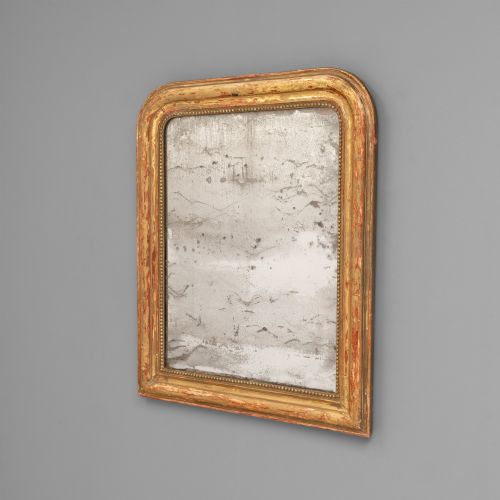
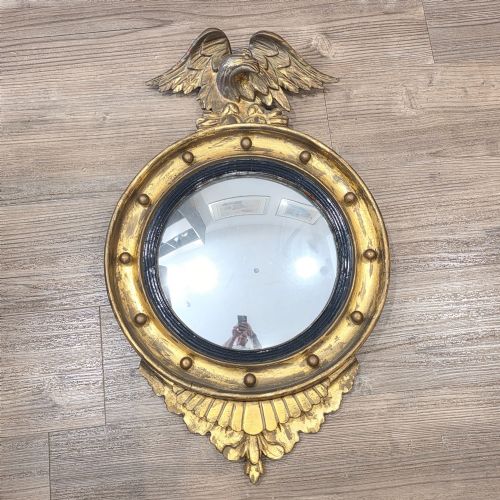
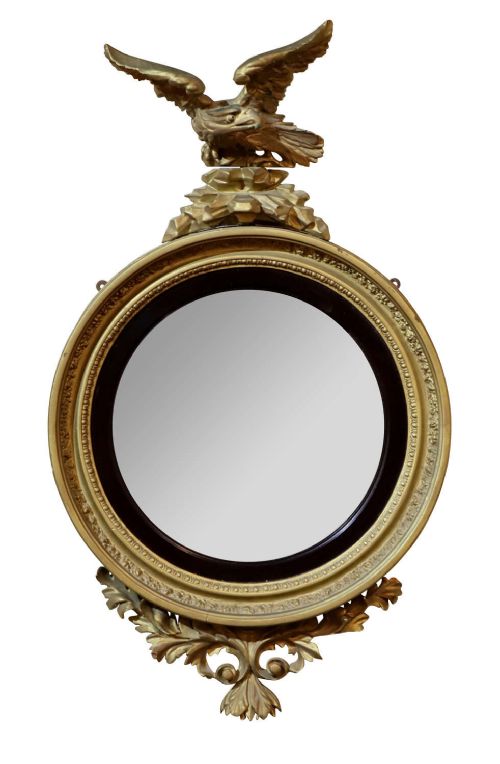
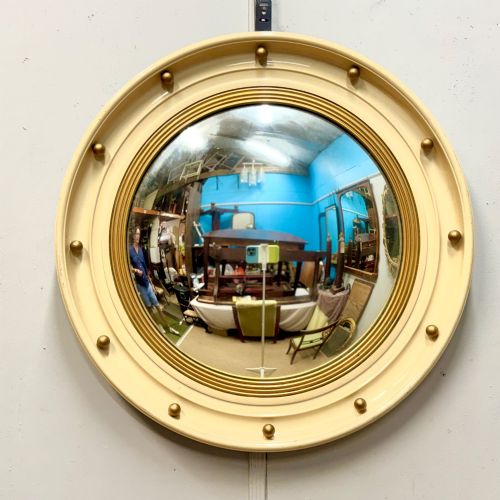


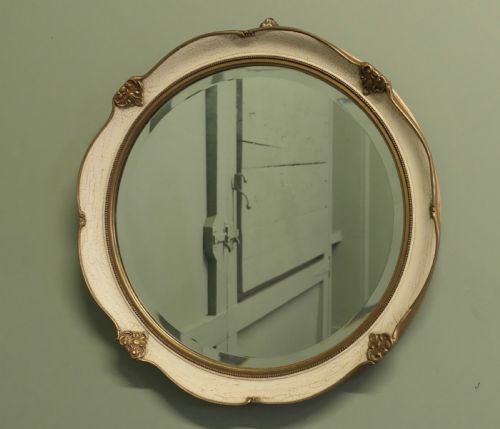
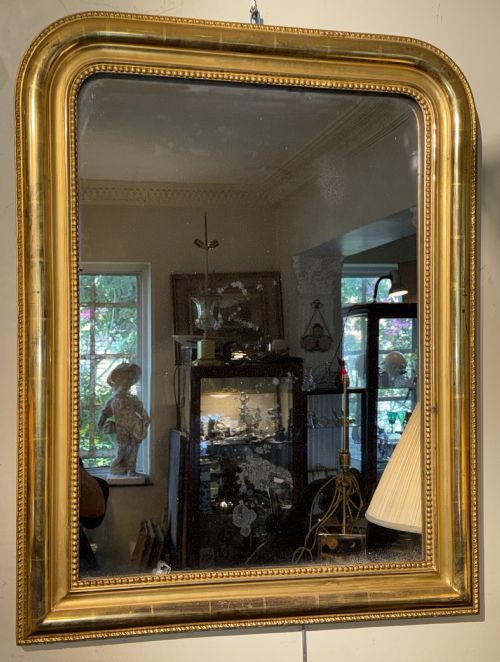
Round Gold Wall Mirror
A round gold wall mirror brings immediate light and a sense of depth to a room, capturing distorted reflections across curved glass.
Round Gold Wall Mirror
A round gold wall mirror serves as a striking focal point, with circular frames that draw the eye and open up interior spaces. When you search for a round gold wall mirror, you encounter pieces that span multiple centuries, from the Regency era through to the Edwardian period and the early twentieth century.
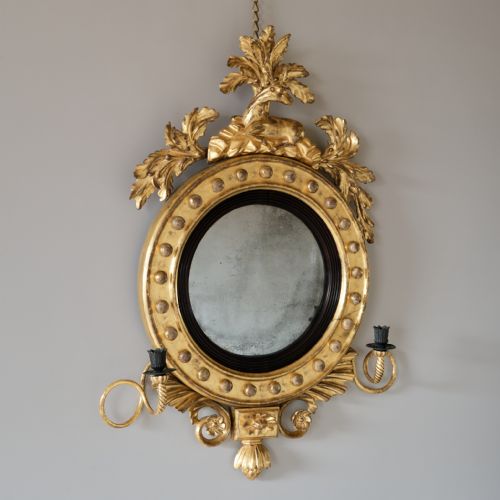
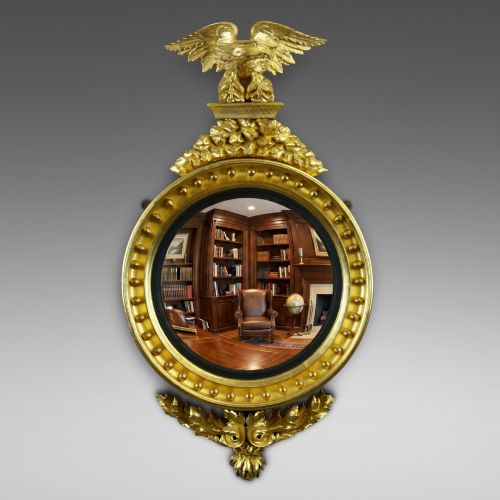
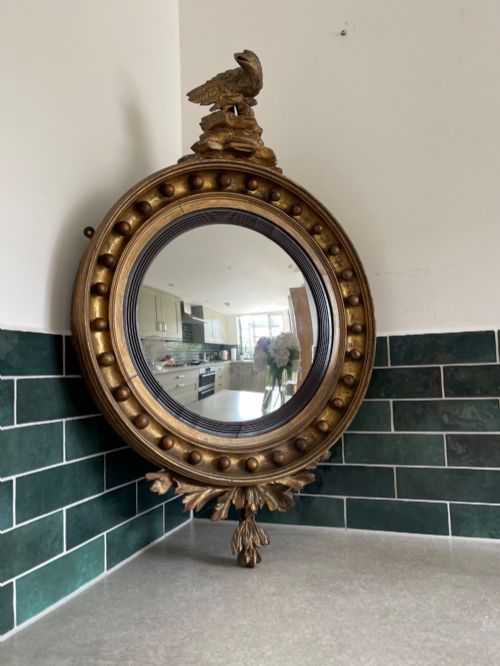
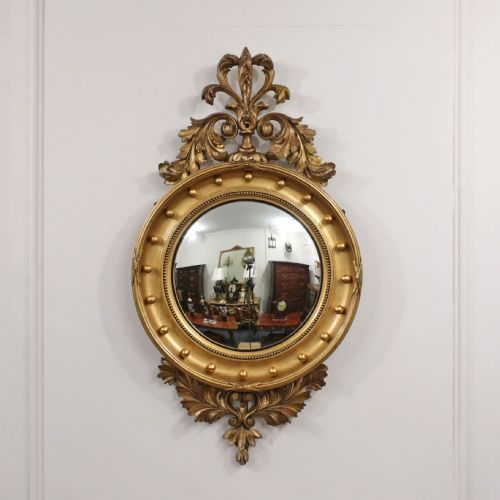
The selection on this page relies heavily on nineteenth-century craftsmanship, alongside Regency pieces and later expressions from the Edwardian and Art Deco periods. Convex glass appears frequently, set within circular wooden or gesso frames finished in gilt.
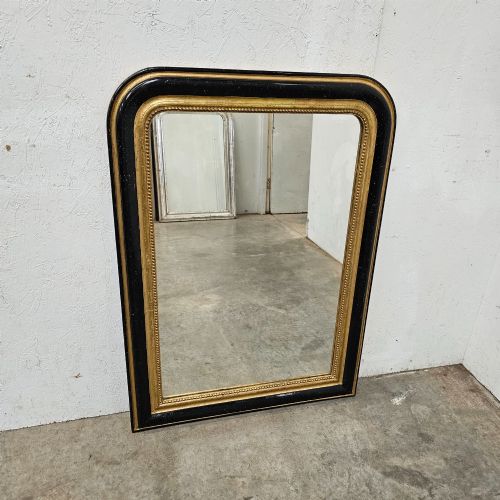
Overmantel mirrors and porthole designs also emerge among the listings, offering variety in scale and proportion while maintaining the characteristic round or curved format. These items range from small, intimate wall pieces to substantial decorative fixtures.
Materials and construction
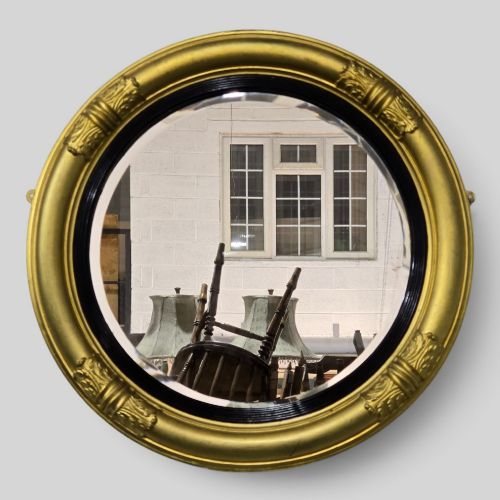
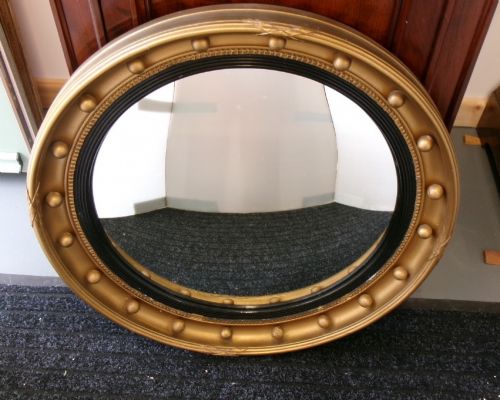
Makers constructed these frames primarily from wood, applying layers of gesso to build up carved details before finishing the surface with gold leaf or gilt. Ebonised wood slips often appear on convex frames, creating a dark inner ring that contrasts sharply with the outer gilded moulding.
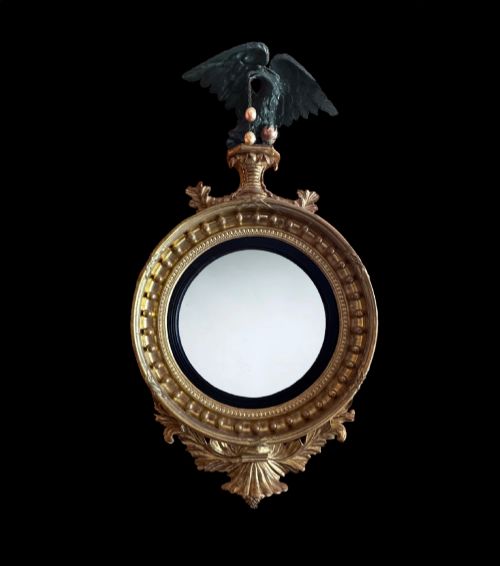
Convex mirror glass forms the core of many pieces in this category, curving outward to capture a wide-angle reflection of the entire interior. Artisans mounted these curved plates securely within deep wooden rims, sometimes incorporating crests or animal figures such as eagles at the top.
Listings span the Georgian, Regency, Victorian, Edwardian, and Art Deco periods, showcasing wood, gesso, and glass.
Distinctions in quality
The refinement of the carving dictates the distinction between standard examples and exceptional works, particularly in details like eagle mounts and foliate scrolls. Crisp execution in the gesso and wood work shows the hand of a skilled artisan rather than mass production.
The preservation of the original gilt surface and the clarity of the convex glass influence the overall character of the piece. Subtle patination on the gilding and authentic distortion within the glass indicate age and historical integrity.
The Round Gold Wall Mirror Glossary
- Convex glass
- Curved mirror glass that bulges outward, providing a wide-angle, panoramic reflection of the room. This optical form is traditional in many historical wall mirrors.
- Giltwood
- Timber that has been coated with thin sheets of gold leaf or gilt finish. It creates a luminous surface that catches natural light in a room.
- Gesso
- A plaster-like mixture applied to wood frames to create a smooth surface for carving and gilding. It allows for intricate relief ornamentation.
- Ebonised slip
- A thin, dark inner moulding treated to resemble ebony. It sits between the mirror glass and the main gilt frame to create visual contrast.
- Overmantel mirror
- A large mirror designed to hang above a fireplace mantel. These pieces often feature arched tops or wide horizontal formats.
Round Gold Wall Mirror: Frequently Asked Questions
How do I hang a heavy convex mirror safely?
Heavy convex mirrors require secure fixing directly into wall studs or solid masonry using appropriate brackets and screws. The substantial weight of the timber and gesso frame demands professional wall anchors to ensure stability.
Avoid relying on simple picture wire for larger pieces, as the outward projection of the frame alters the centre of gravity. Distribute the weight evenly using a sturdy hanging strap attached securely to the back of the frame.
Where should I place a round gold wall mirror?
Position a round gold wall mirror opposite a window to maximise natural light distribution throughout the space. The curved glass captures a wide field of view, making smaller rooms feel significantly more expansive.
Consider hanging the mirror at eye level in an entrance hall or living room where its decorative frame serves as a primary visual anchor. Ensure surrounding furniture proportions complement the circular shape of the piece.
How do I tell a Regency convex mirror from a later revival?
Regency convex mirrors typically feature specific construction traits, such as hand-carved wood elements, traditional gesso application, and early float or cylinder glass. The density of the timber and the depth of the rebate offer clues to the period.
Revival pieces from the Edwardian era or the twentieth century often utilise machine-prepared mouldings and different backing boards. Examining the pins, fixings, and surface wear helps clarify the age of the gilding.