
Regency Carved Wall Mirror
A regency carved wall mirror brings classical proportion and brilliant reflection into a room, offering both decorative presence and period charm.
Regency Carved Wall Mirror
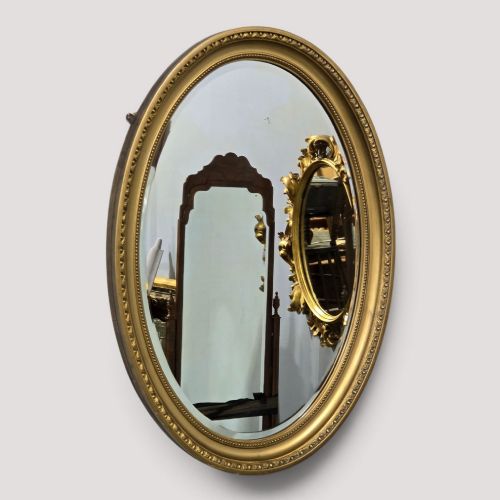
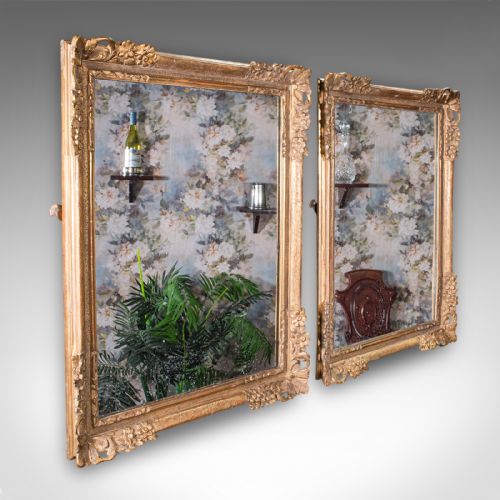
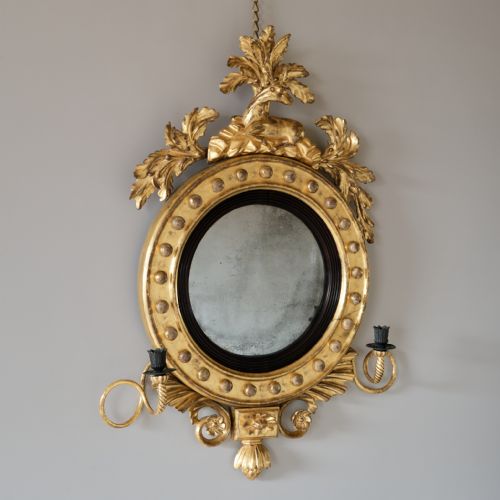
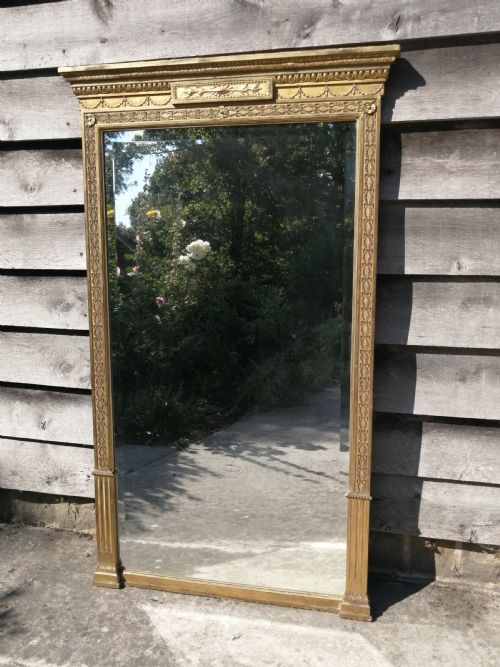
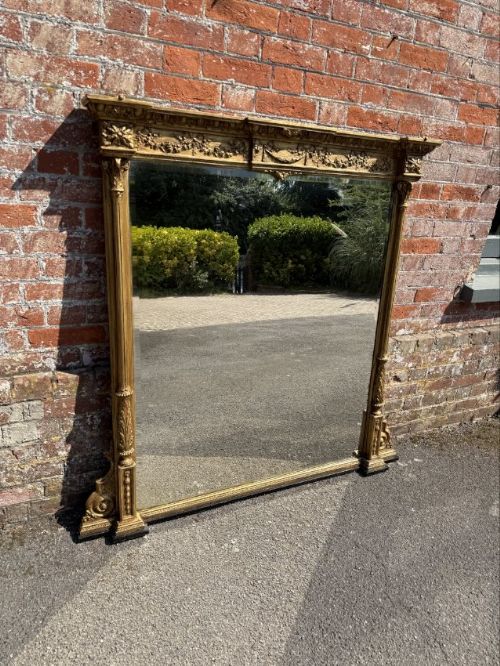
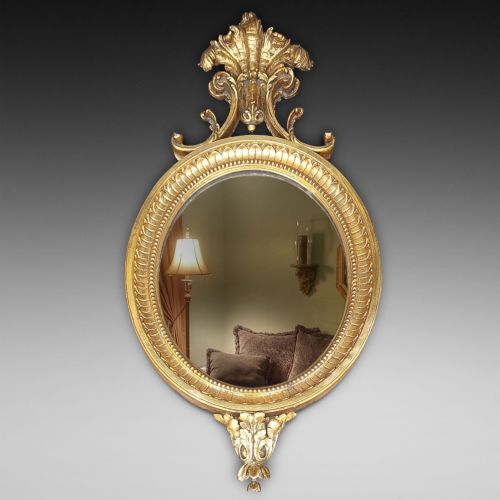
A regency carved wall mirror stands as a definitive item of domestic furnishing, found across various forms including pier mirrors, overmantels, and circular convex glasses. These pieces span the nineteenth century, encompassing original Regency production alongside later Victorian revivals and Edwardian examples.
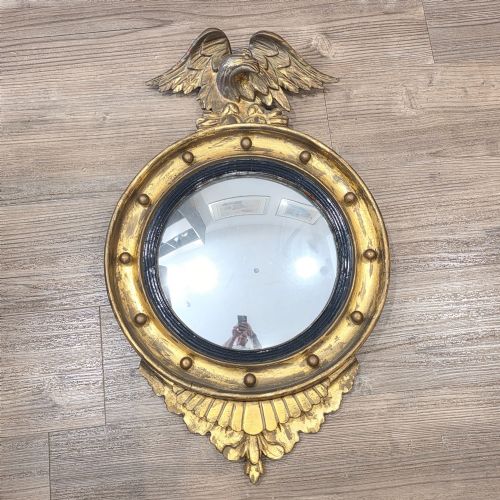
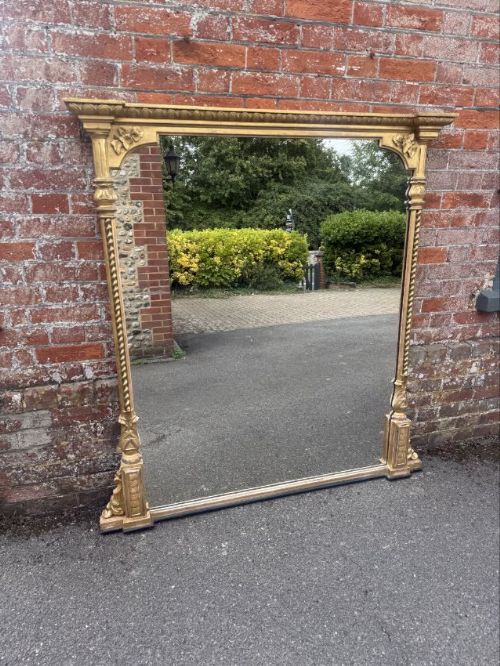
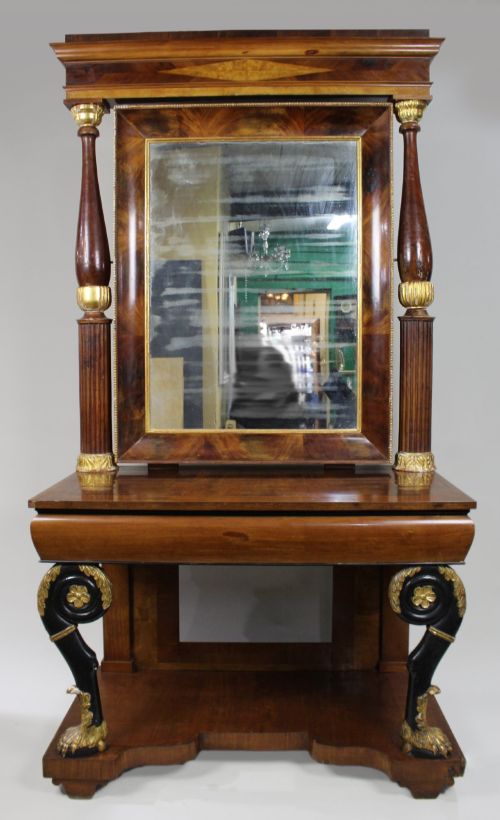
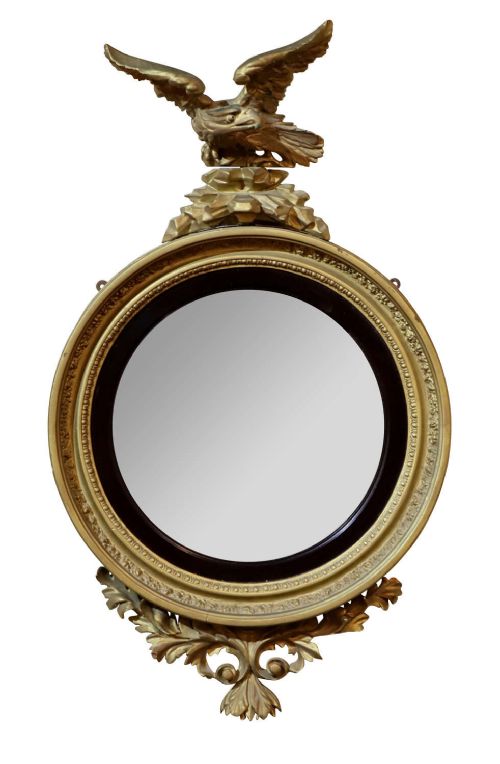
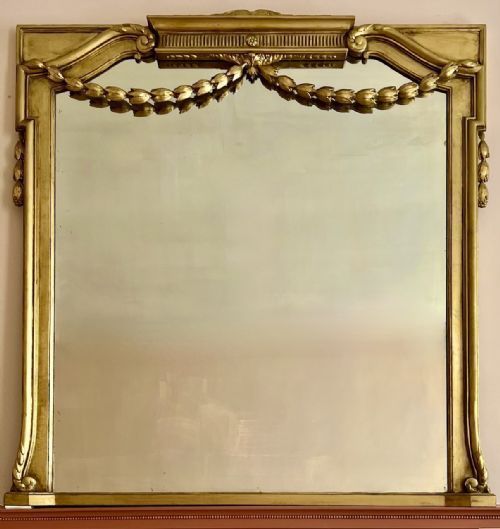
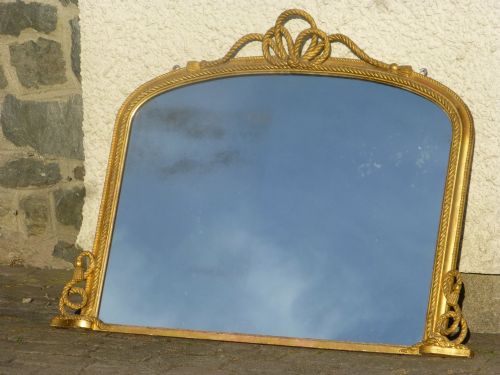
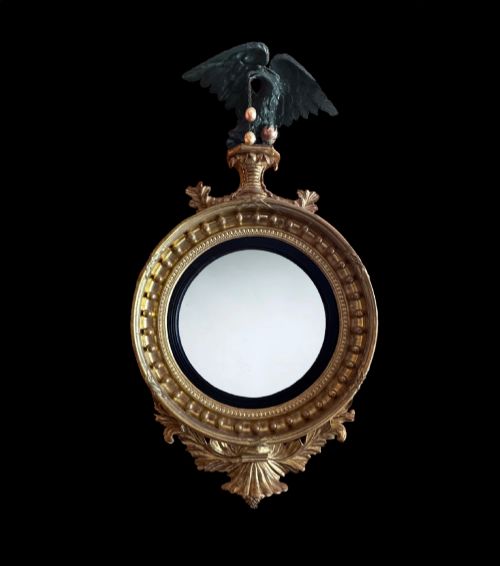
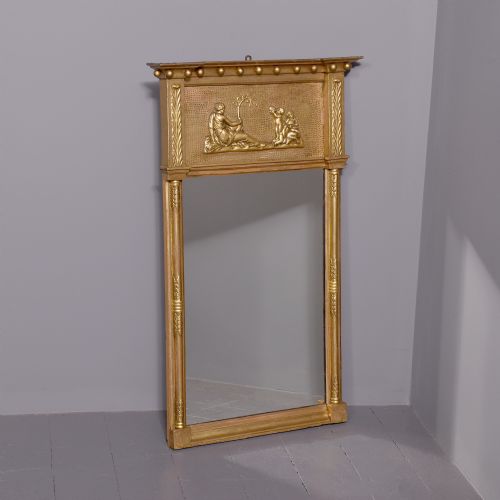
The most common formats on this page range from grand giltwood overmantels designed for parlour fireplaces to circular convex mirrors surmounted by carved eagles. Pier mirrors designed to hang between windows also appear frequently, often retaining original glass plates or verre eglomise panels.
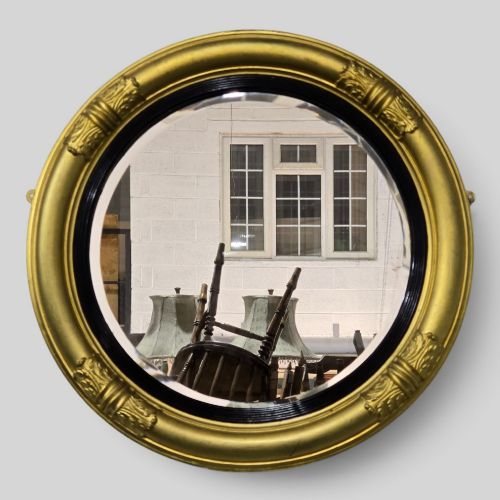
Makers and craftsmen utilised mahogany, rosewood, ebonised wood, and softwood to construct these frames, applying layers of gesso and gold leaf to achieve a lustrous finish. Buyers encounter both rectangular architectural formats and round convex glasses framed by rope twist carvings or classical columns.
How They Were Made
Carvers shaped wooden frames from mahogany, pine, or other foundational timbers, applying plaster or gesso layers to build up intricate surface decoration such as rope twists and eagle crests. Artisans then applied gold leaf by hand, burnishing parts to a high shine while leaving other areas matte for contrast.
Convex mirror glasses were blown and silvered to create curved surfaces that captured wide angles of a room, whilst flat plates provided clear reflections for dressing and pier glasses. Frames often integrated composition ornaments moulded from putty and pressed onto the wood before gilding.
What Varies in Quality
The crispness of the hand-carved wood and gesso ornamentation distinguishes superior examples from simpler moulded pieces, with deep undercutting showing the hand of a skilled artisan. The integrity of the original mercury or silvered mirror plate, along with the depth and warmth of the hand-applied gold leaf, determines the visual weight of the object.
Proportion and structural soundness separate finer works from later revivals, particularly in the balance of eagle crests, ball-studded bezels, and column supports. Original surfaces that retain their first gilding without excessive overpainting command greater interest from collectors.
Gillows Of Lancaster
The Regency Carved Wall Mirror Glossary
- Convex mirror
- A round mirror with an outward-curving glass plate that reflects a wide, fish-eye view of the entire room. These were popular in the early nineteenth century for checking guests and lighting.
- Giltwood
- Timber that has been coated with thin sheets of gold leaf over a prepared gesso base. It gives furniture and mirrors a bright, metallic sheen.
- Gesso
- A plaster mixture applied to wood frames to create a smooth surface for carving and gilding. Artisans modelled intricate relief details directly into this layer.
- Pier mirror
- A tall mirror designed specifically to hang on the narrow wall space between two windows. They often sat directly above matching console tables.
- Verre eglomise
- A cold decoration technique where designs are painted and gilded on the reverse side of glass panels. It frequently appears on the upper sections of Regency pier mirrors.
- Overmantel mirror
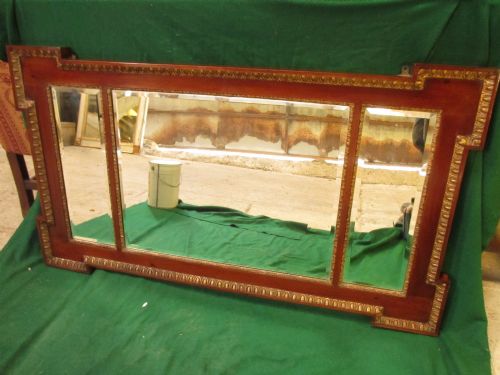
- A wide horizontal mirror built to hang on the wall directly above a fireplace mantelpiece. They often feature tripartite glass plates and heavy architectural frames.
Regency Carved Wall Mirror: Frequently Asked Questions
How do I hang a heavy overmantel mirror safely?
Heavy overmantel mirrors require robust fixings secured directly into wall studs or masonry using appropriate brackets. Professional installation is strongly recommended due to the substantial weight of the timber and glass.
Ensuring the weight rests partially on the mantel shelf itself can also provide additional structural support for very large nineteenth-century frames.
What is the difference between a convex mirror and a pier mirror?
A convex mirror is round with a curved glass plate designed to capture a panoramic reflection of the interior space. These frequently feature eagle mounts or candle sconces.
In contrast, a pier mirror is tall and vertical, created to fit narrow wall sections between windows or to stand above pier tables.
Why do some mirrors have dark spots on the glass?
Dark spots and foxing occur naturally as the silver backing on older mirror plates oxidises over decades of exposure to air and moisture. This ageing process is normal for authentic nineteenth-century glass and adds character to the piece.
Many collectors prize original foxed plates because they confirm the mirror has retained its antique glass rather than a modern replacement.