






Rococo Porcelain Figure
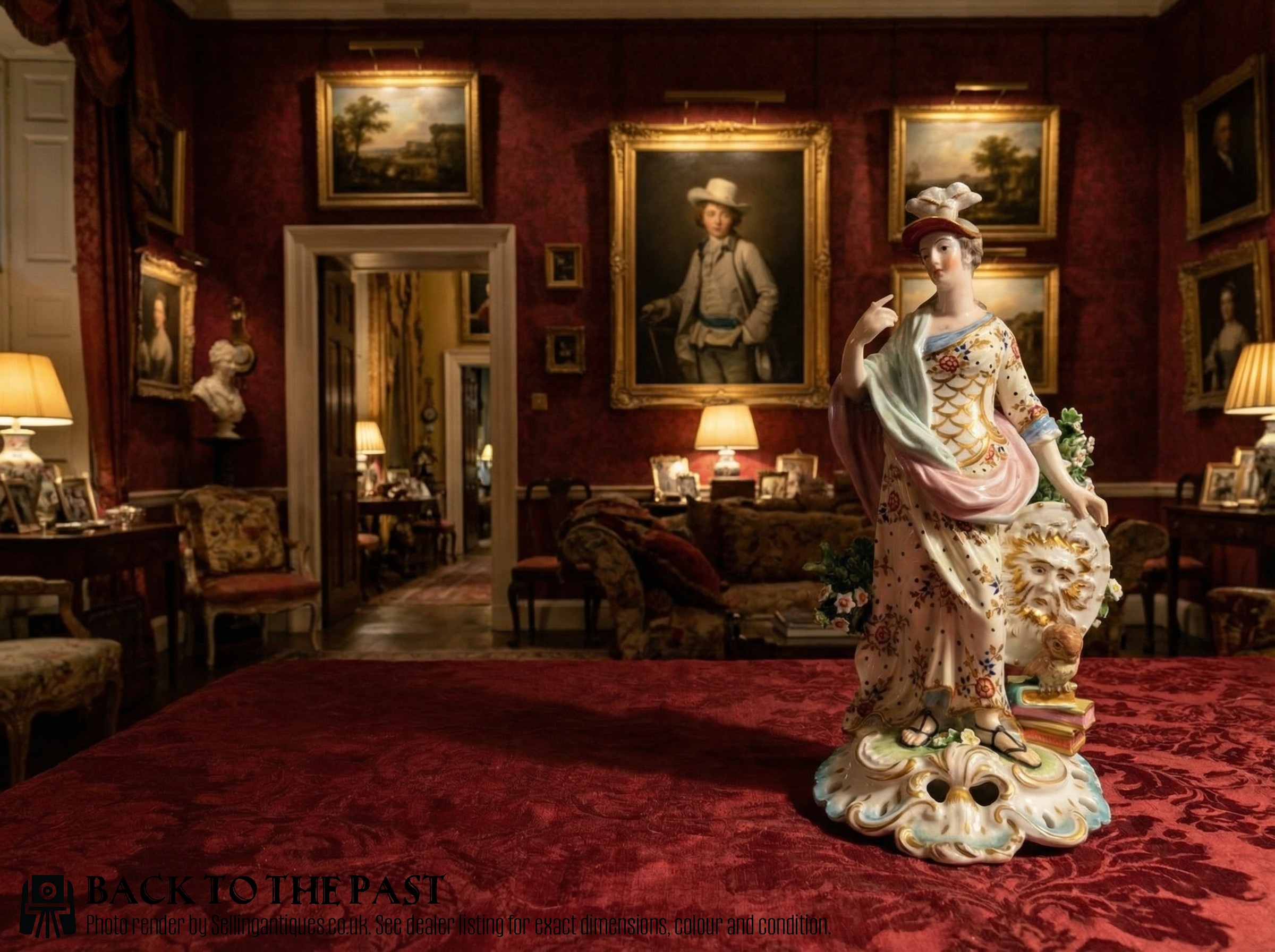
A rococo porcelain figure captures the flamboyant asymmetry and organic curves of the mid-eighteenth century in delicate ceramic form.
Rococo Porcelain Figure
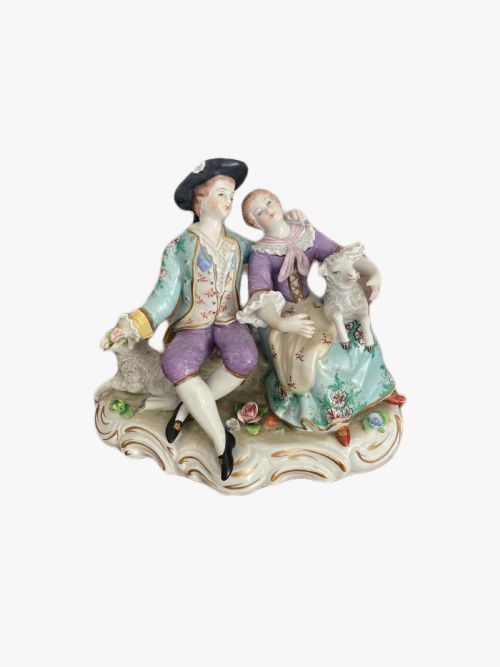
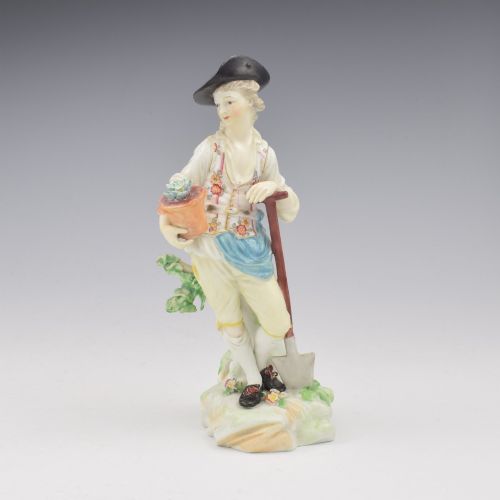
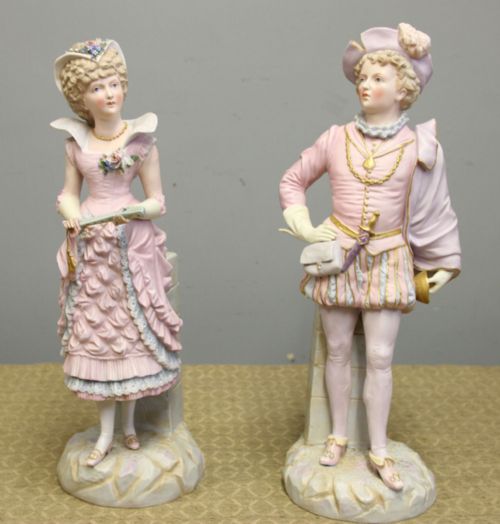
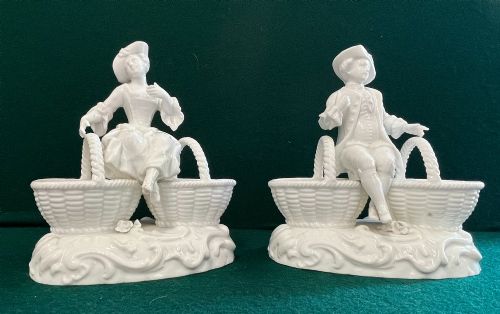
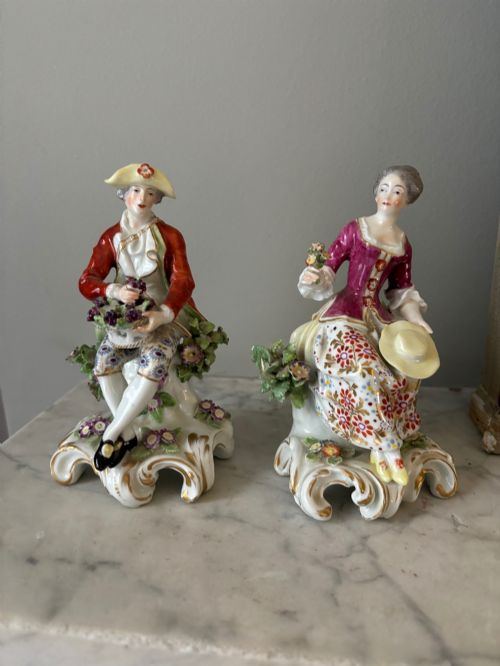
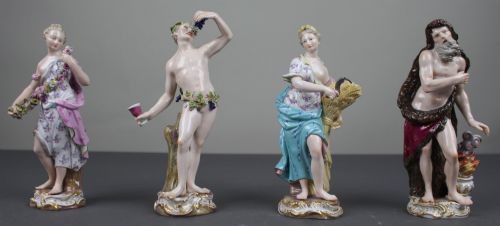
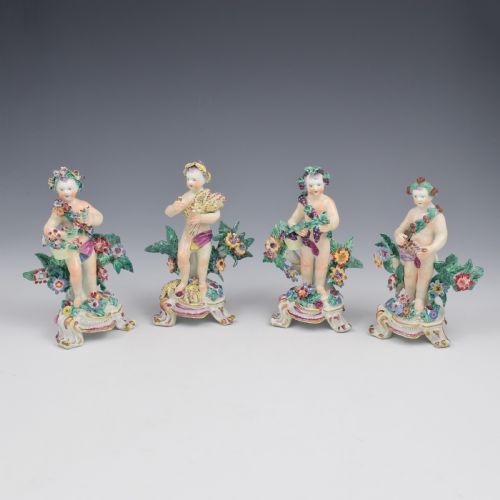
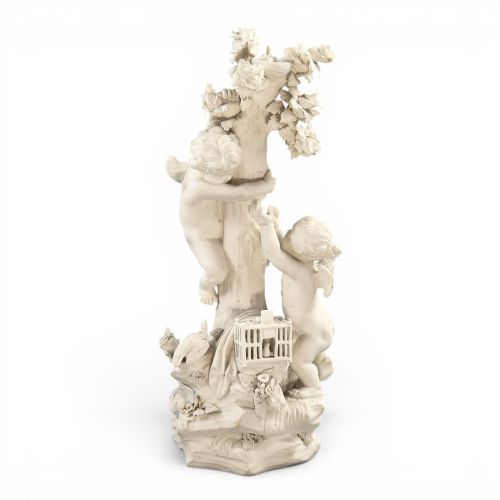
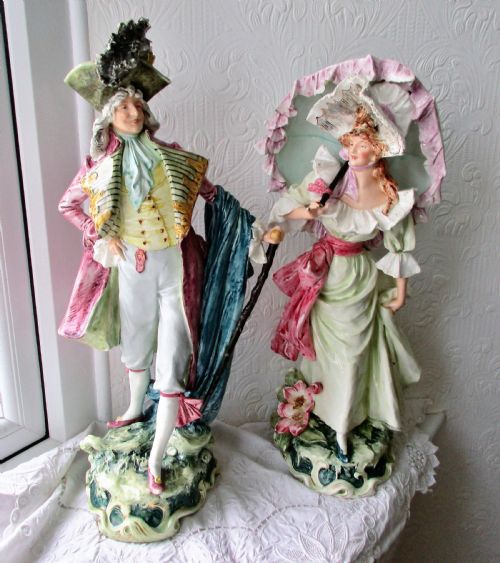
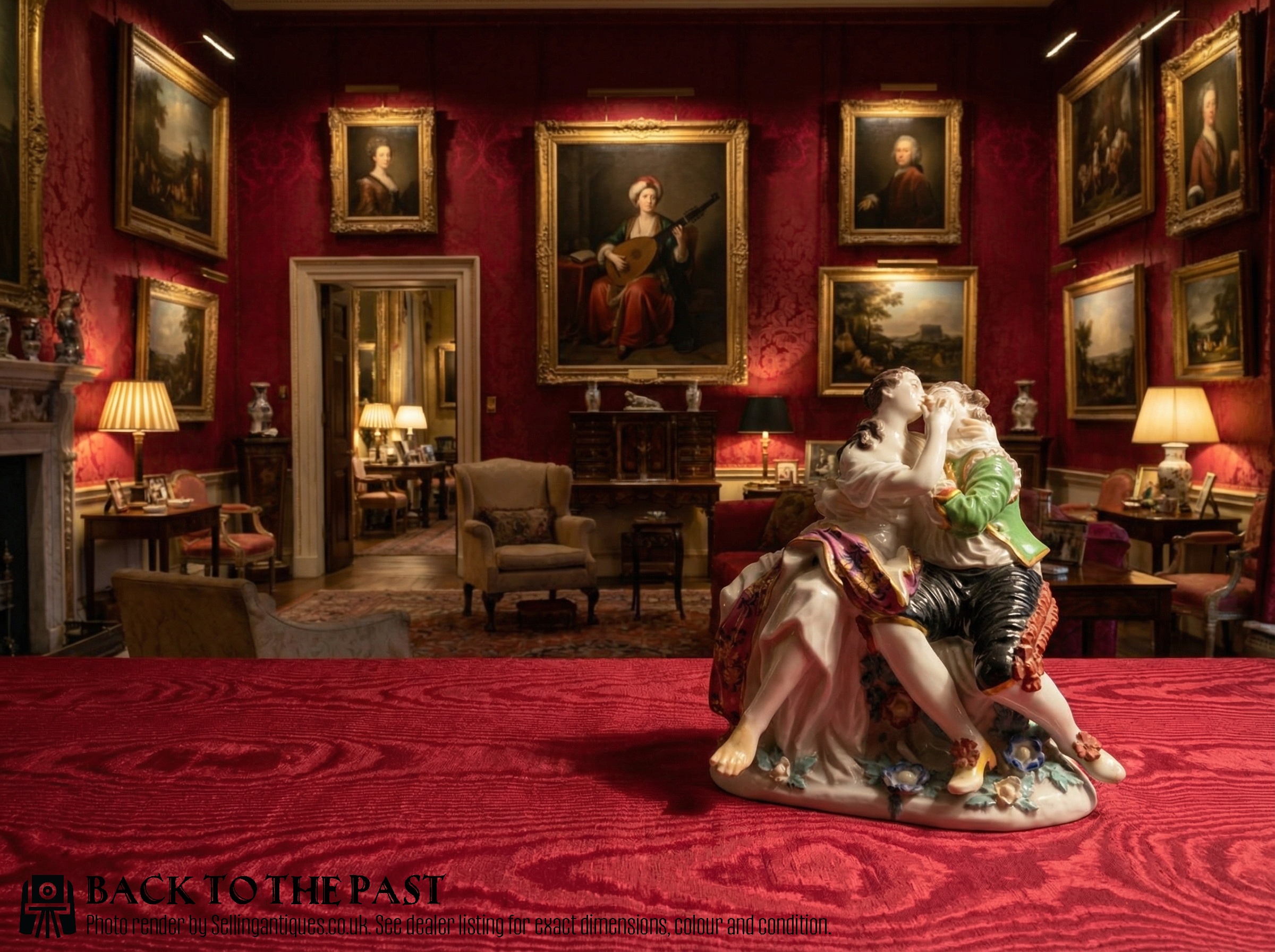
A rococo porcelain figure brings sculptural modelling and decorative subjects into domestic spaces, ranging from pastoral gardeners and allegorical putti to gallant couples. Buyers seeking a rococo porcelain figure will encounter seventeenth and eighteenth-century origins alongside nineteenth-century revivals.
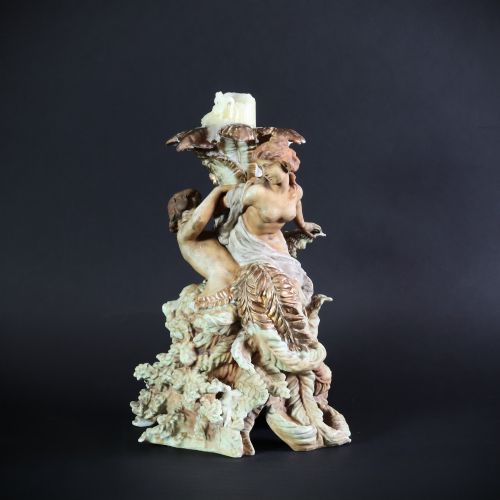
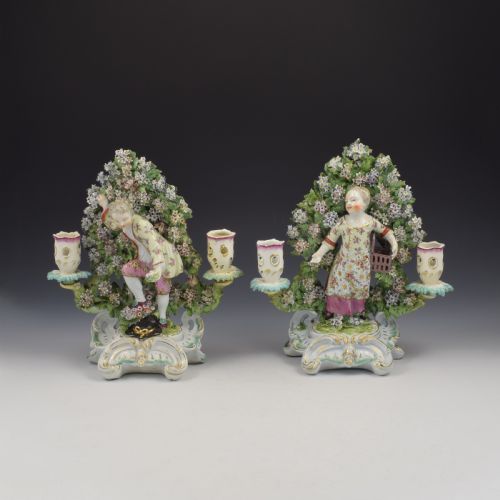
The selections span figures modelled as single characters, paired companions, and elaborate candelabras incorporating bocage foliage. Meissen, Derby, and Bow factories dominate the offerings, spanning both hard-paste and soft-paste compositions.
Materials and Techniques
Manufacture relies upon hard-paste or soft-paste porcelain bodies, shaped in moulds and finished by hand with applied enamel colours and gilding. Enamel painting supplies the polychrome decoration, whilst gold leaf and gilding accent highlights on garments and bases.
Specialised techniques include the application of delicate porcelain lace, formed by dipping real fabric into slip before firing, and the construction of intricate bocage backgrounds behind seated figures.
Rococo Porcelain Figure Retail Price Guide 2026
Typical asking prices for rococo porcelain figure among the pieces listed under this phrase on Sellingantiques today, from the lower quarter to the upper quarter. They describe what is for sale here now, not the wider market.
Listings include both hard-paste and soft-paste porcelain bodies decorated with enamel paints and gold leaf.
Factors of Quality
Quality rests upon the crispness of the modelled detail and the precision of the hand-painting across the face and drapery. Sculptural depth in applied elements like floral sweet baskets and leafy bocage distinguishes finer examples.
The integrity of the paste and the vibrancy of the enamel firing determine overall visual success, where superior pieces retain clean lines without distortion from the kiln.
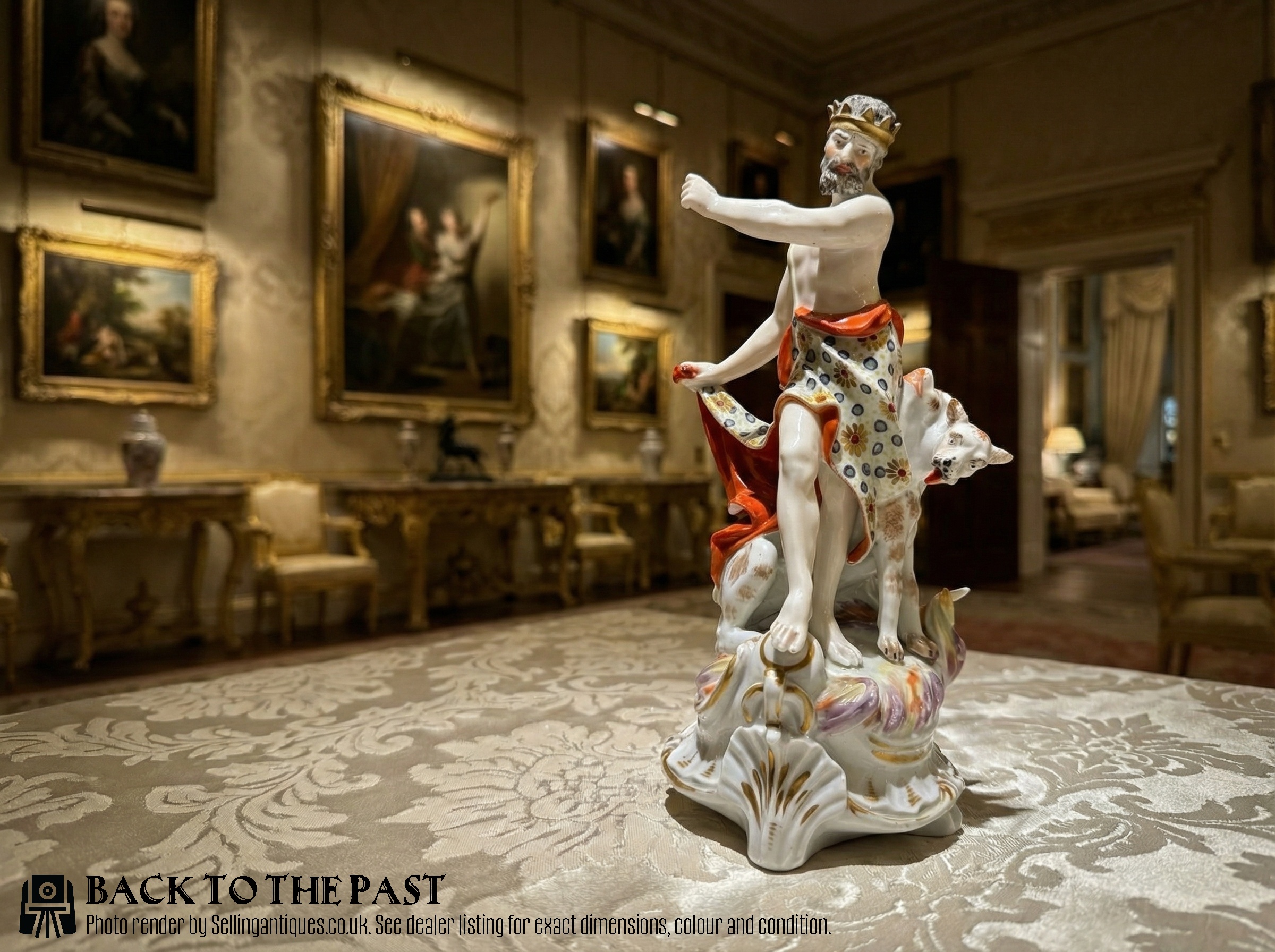
Meissen·Derby·Bow·Volkstedt·Samson Paris·Bourdois & Bloch·La Coutille Factory
The Rococo Porcelain Figure Glossary
- Bocage
- Foliate background made of applied leaves and flowers framing a figure. This ceramic shrubbery characterises mid-eighteenth-century English and continental groups.
- Hard-paste porcelain
- Dense, vitrified ceramic composition fired at very high temperatures. Developed in Europe at Meissen, it resists scratching and yields a bright white body.
- Soft-paste porcelain
- Vitreous ceramic mixture containing glass frit, fired at lower temperatures than hard-paste. It possesses a softer lustre and creamy translucency.
- Putto
- Naked infant motif frequently employed in allegorical sets representing seasons or elements. These winged or wingless figures animate rococo compositions.
- Gilding
- Application of gold leaf or powdered gold onto porcelain surfaces for decorative accent. Artisans fix the metal through subsequent firing.
Rococo Porcelain Figure: Frequently Asked Questions
How were they used historically?
Owners displayed these figures on mantelpieces, dining tables, and sideboards as conversation pieces that demonstrated taste and culture.
Some incorporated functional elements like candle sockets or sweetmeat baskets, combining illumination and hospitality with decorative display.
How do I care for antique porcelain?
Keep pieces out of direct sunlight to prevent enamel fading and avoid areas with rapid temperature fluctuations.
Dust gently with a soft brush and wash only when necessary using lukewarm water and mild soap, ensuring complete air drying.
How are eighteenth and nineteenth century pieces told apart?
Eighteenth-century examples often display the softer translucency of early pastes and hand-mixed enamels characteristic of early factory output.
Nineteenth-century revivals frequently utilise brighter machine-mixed colours and heavier factory marks reflecting industrial standardisation.