
Regency Style Wall Mirror
A regency style wall mirror brings classical proportion and reflective light into a room, drawing the eye with bold circular frames and carved surmounts.
Regency Style Wall Mirror
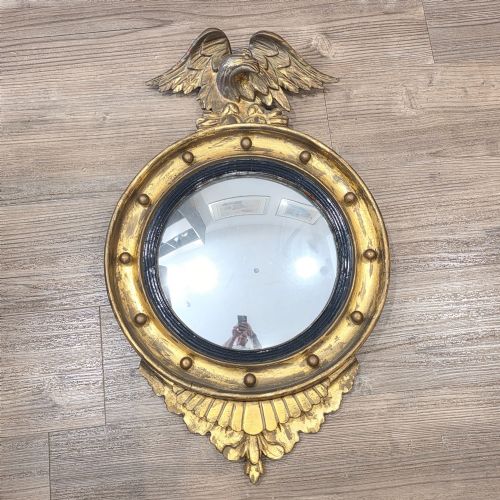
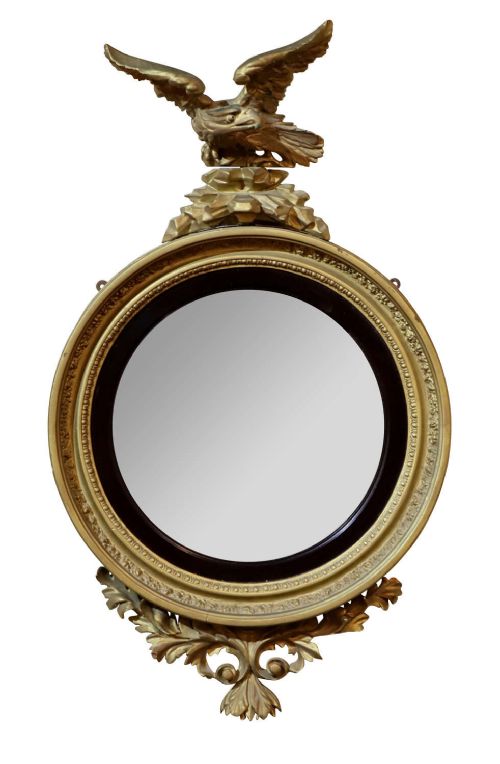
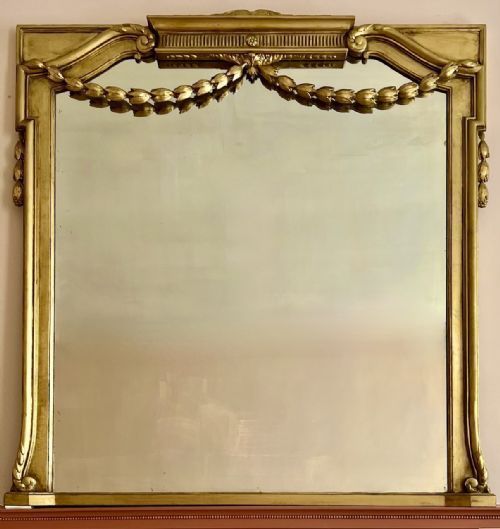
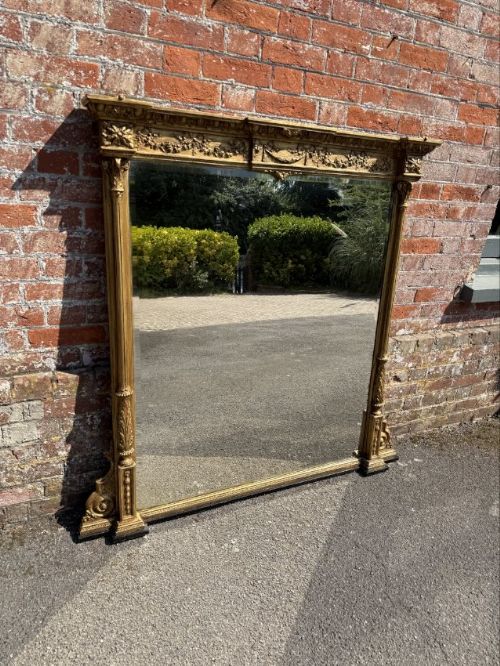
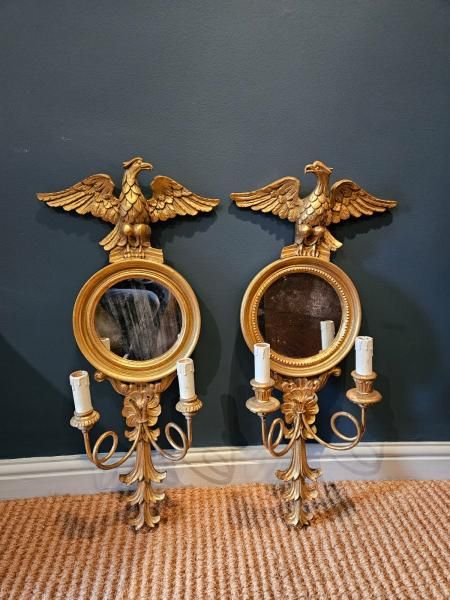
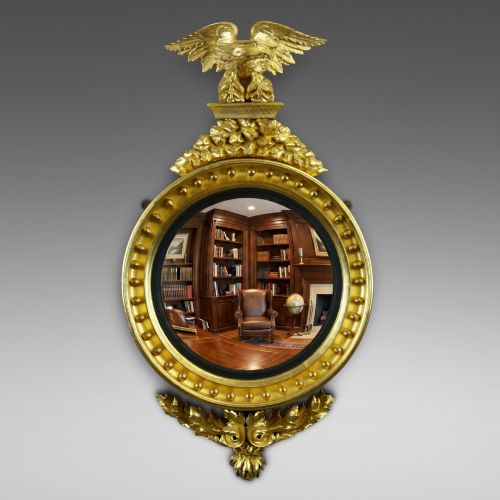
When you search for a regency style wall mirror, you encounter pieces that span the genuine nineteenth-century period as well as later revivals from the Victorian, Edwardian and twentieth-century eras. The selection ranges from compact circular convex glasses topped with eagles to expansive rectangular overmantels designed to sit above a fireplace.
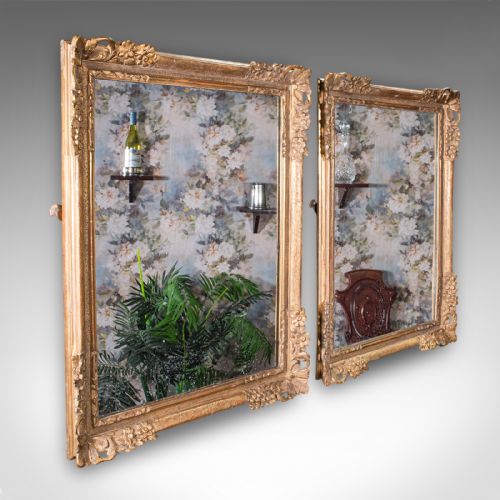
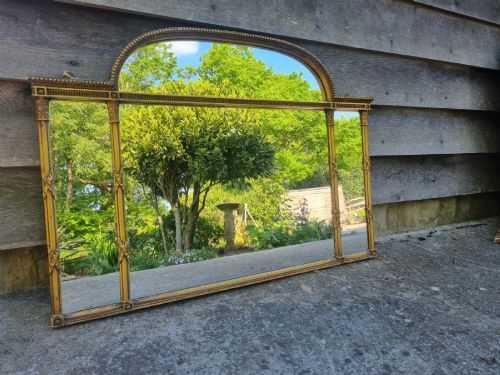
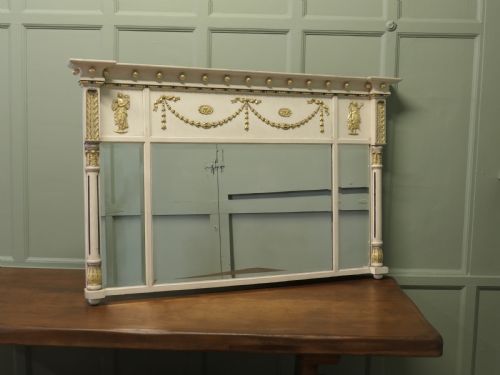
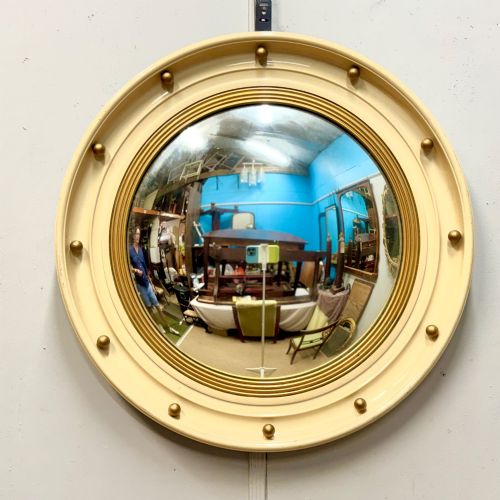
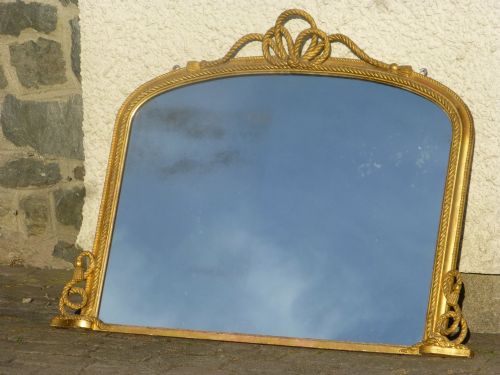
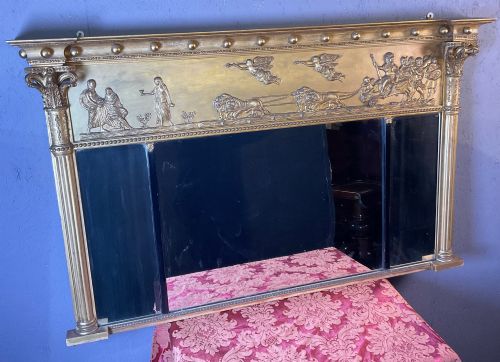
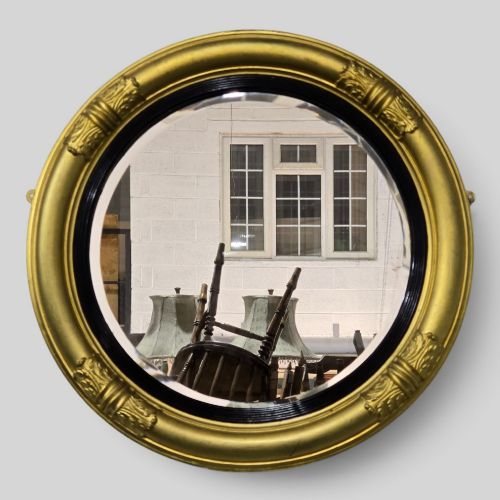
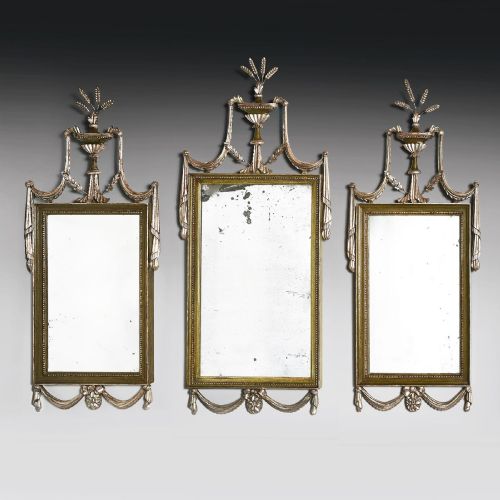
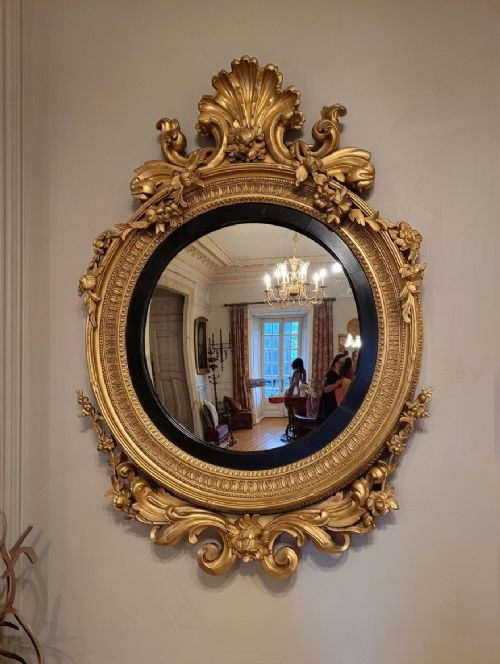
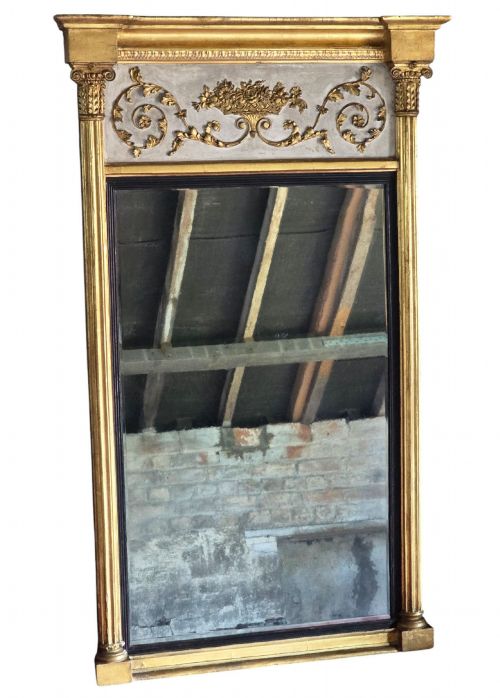
The most common form on this page is the circular convex mirror, often called a butler's or portholes mirror, which distorts the room in a wide-angle reflection. Alongside these round pieces, you regularly find large pier mirrors and overmantels featuring neoclassical details, columnar sides, and giltwood frames that echo the grand aesthetic of the Regency period.
Materials and technique
Makers shaped these frames primarily from carved wood or composition applied over a wooden base, building up intricate decoration through layers of gesso before applying gold leaf or paint. Giltwood and gilded gesso provide the bright, reflective surfaces characteristic of the style, though ebonised wood, mahogany, and rosewood also appear in the historical record.
Regency Style Wall Mirror Retail Price Guide 2026
Typical asking prices for regency style wall mirror among the pieces listed under this phrase on Sellingantiques today, from the lower quarter to the upper quarter. They describe what is for sale here now, not the wider market.
Listings span multiple eras from the early nineteenth century through to the Edwardian period and later twentieth-century revivals.
Standards of craftsmanship
The distinction between ordinary and exceptional examples lies in the crispness of the carved ornamentation and the depth of the gilding. Finer pieces display sharply defined neoclassical motifs, well-balanced proportions, and heavy, solid timber frames rather than lightweight modern substitutes.
The quality of the mirror plate itself and the integrity of the underlying gesso work mark the upper tier of the range. Original mercury or silvered glass showing soft, natural foxing commands greater appreciation among collectors than later utilitarian replacements.
Gillows Of Lancaster
The Regency Style Wall Mirror Glossary
- Convex glass
- A curved mirror lens that reflects a wide, panoramic view of the interior space. This spherical form was especially popular during the Regency period.
- Gesso
- A plaster-like mixture applied to wood frames to create a smooth surface for gilding or painting. Artisans carved intricate details directly into this layer once dry.
- Overmantel mirror
- A large horizontal looking glass designed specifically to hang on the wall directly above a fireplace mantelpiece. They often feature tripartite plates or architectural framing.
- Girandole
- A wall mirror fitted with attached candle sconces that reflect candlelight into the room. They combine illumination with decorative impact.
Regency Style Wall Mirror: Frequently Asked Questions
Where should I hang a convex mirror?
Convex mirrors work best opposite a window or in a hallway where they can capture maximum light and offer a wide-angle view of the surrounding space. Because of their curved glass, they create a distinct focal point in smaller rooms.
Position the glass at eye level so the reflection remains balanced and functional within the interior scheme.
How do I distinguish an original Regency mirror?
Original pieces from the early nineteenth century typically feature heavier timber construction, hand-carved gesso details, and backboards constructed from old pine or oak. Closer inspection often reveals subtle signs of age in the silvering of the glass plate.
Revival pieces from later decades imitate these forms but usually employ machine-cut framing elements and modern backing materials.
What is the difference between a pier glass and an overmantel?
Pier glasses are proportioned to hang on the narrow wall space situated between two windows, maximising the reflection of natural daylight. Overmantels are wider horizontal mirrors designed to sit above a fireplace.
Both forms utilise similar neoclassical decoration and giltwood framing techniques depending on the period.
How do I care for antique gilded frames?
Gilded wood and gesso surfaces require gentle dusting with a soft, dry brush to prevent damage to the delicate gold leaf. Avoid using liquid cleaners or chemical polishes, as moisture can lift the gesso from the underlying wood.
Keep the mirrors away from direct sources of heat and damp environments to preserve the integrity of the antique finish.