
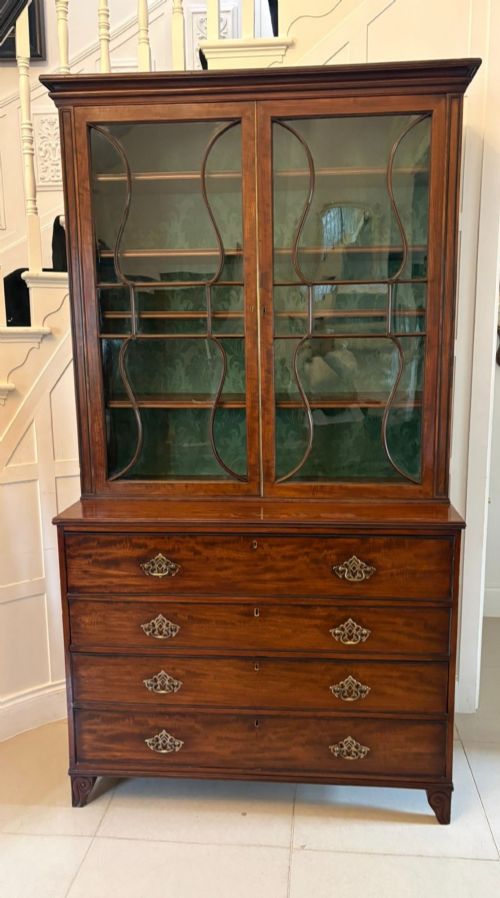
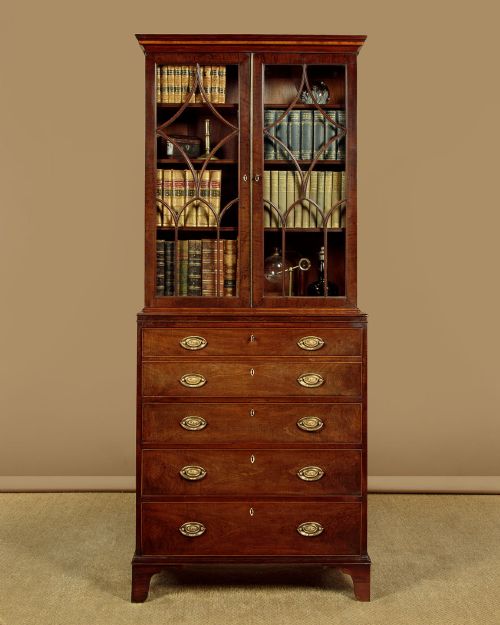
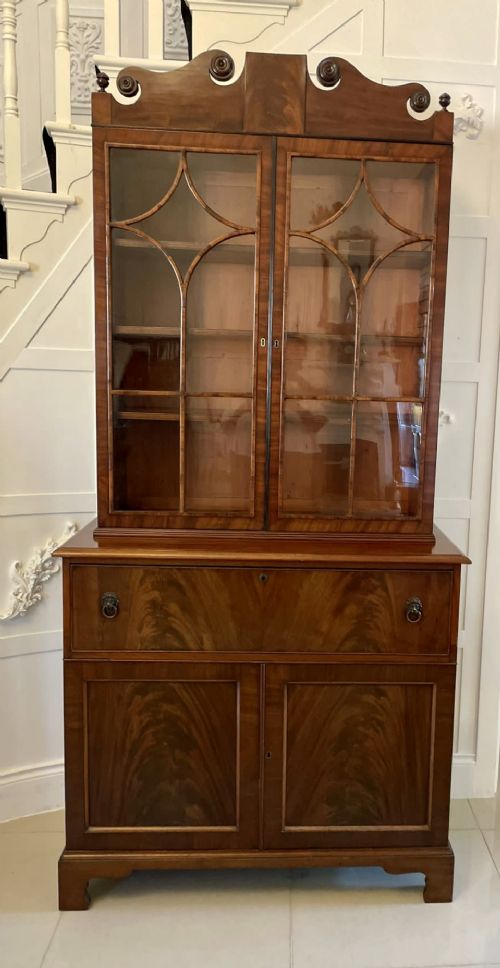
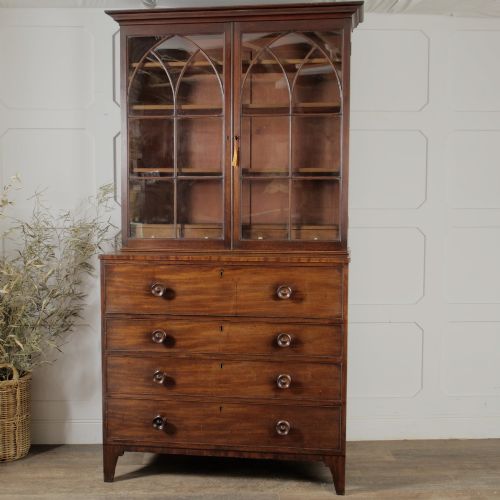
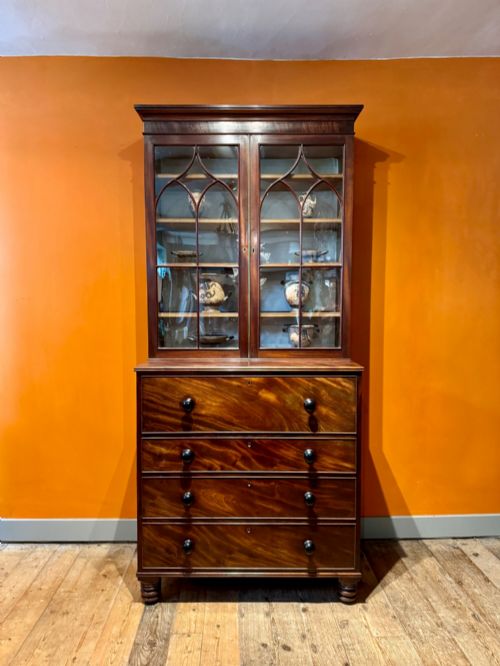
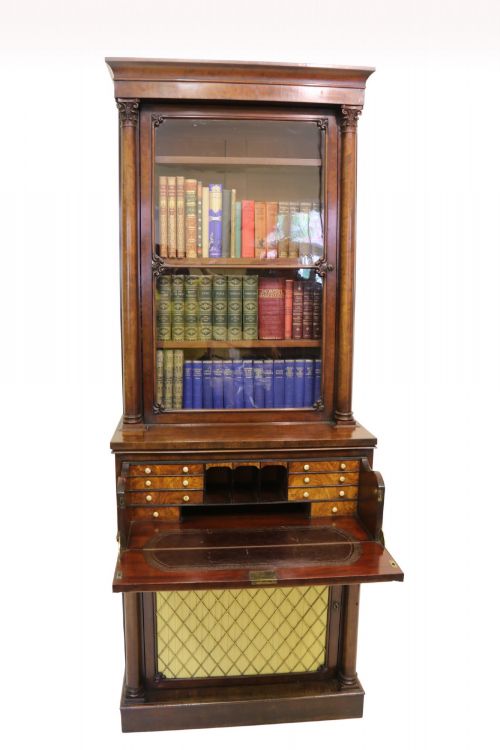
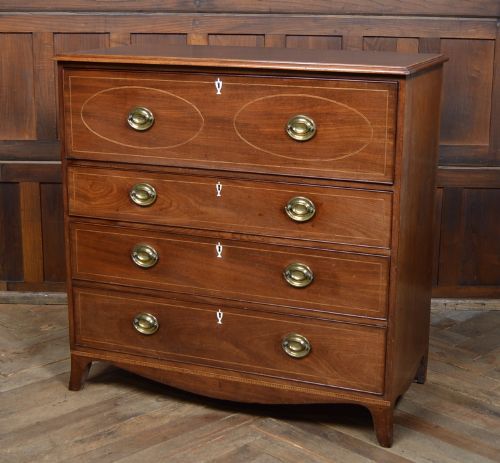

Regency Secretaire Cabinet
A regency secretaire cabinet combines architectural elegance with a clever fold-down writing surface, offering both a display case and a functional desk.
What a regency secretaire cabinet is
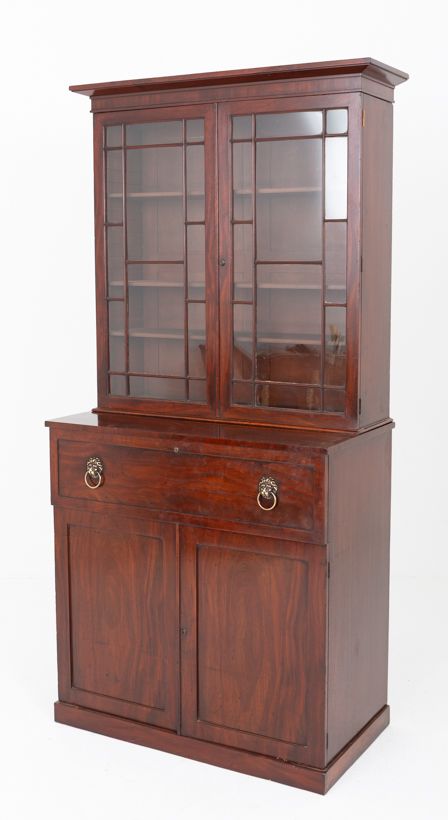
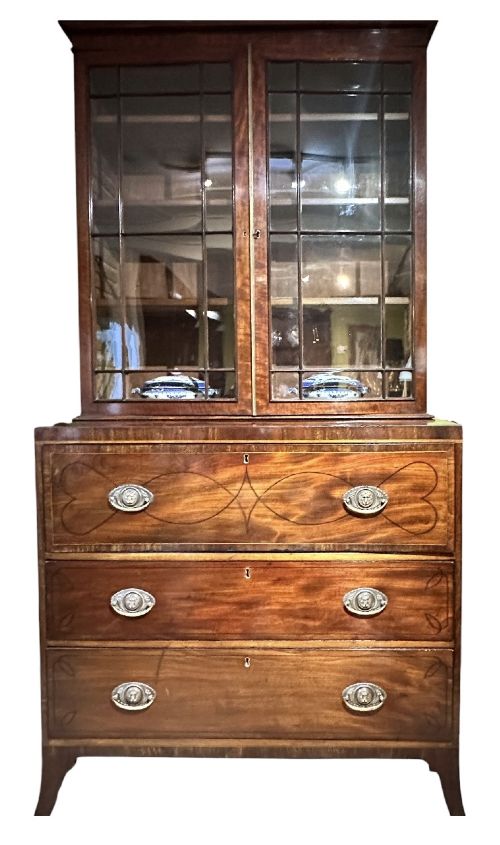
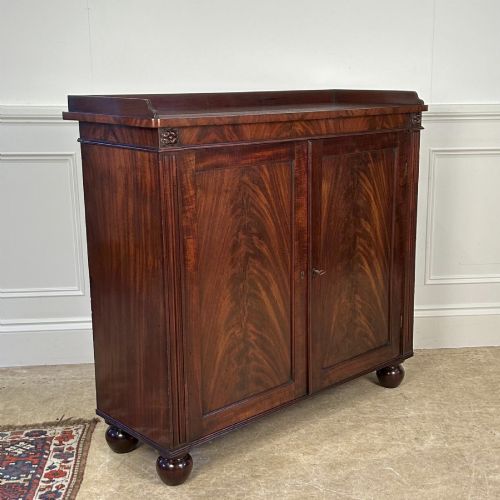
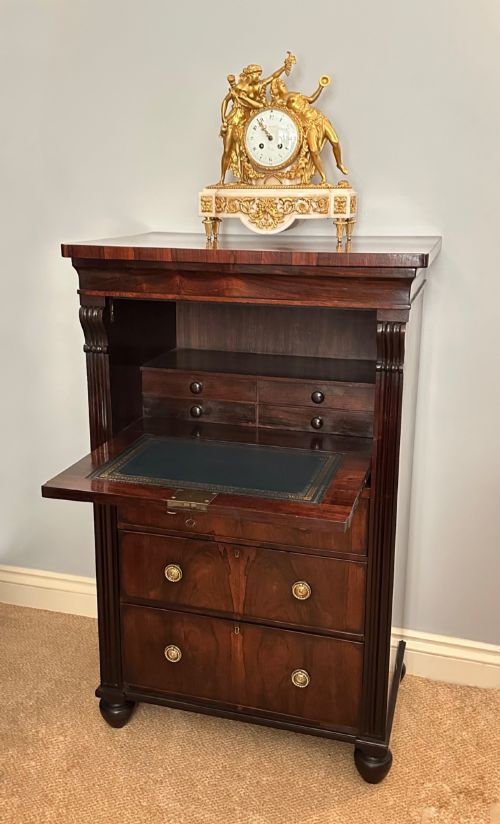
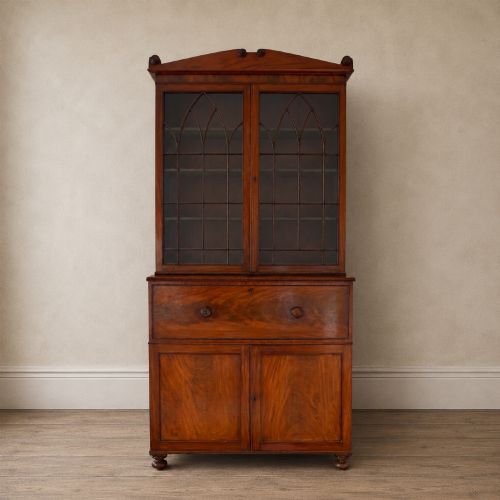
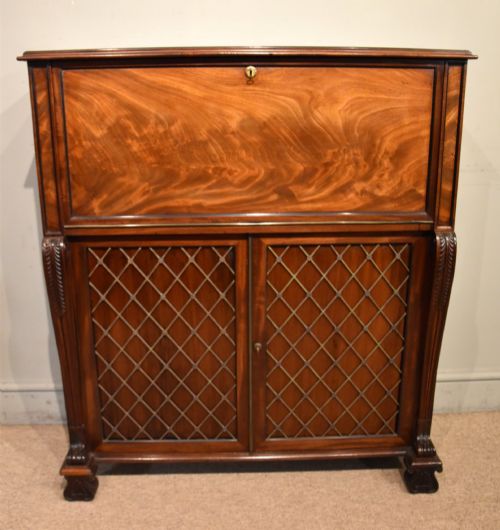
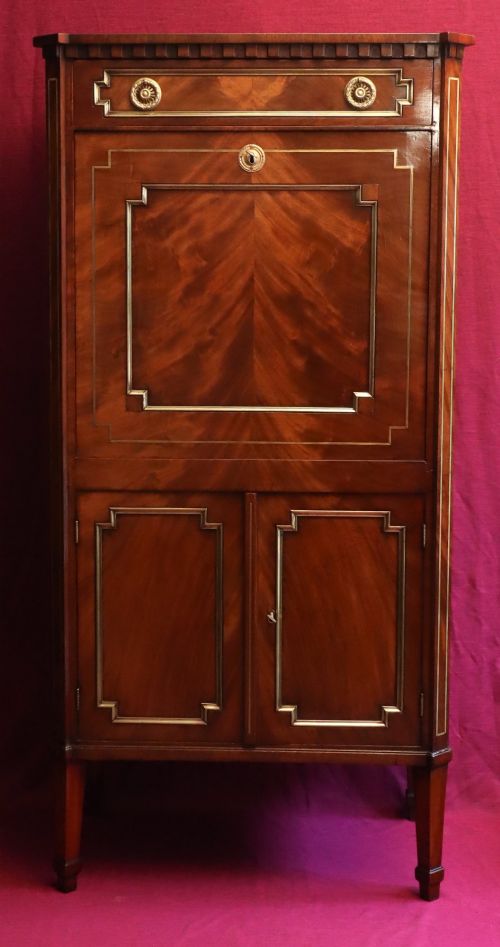
A regency secretaire cabinet brings together the fine craftsmanship of the nineteenth century with practical domestic utility. These pieces include tall bookcase variants, compact side cabinets, and architectural sideboards designed to hold books and provide a writing surface.
The versions most commonly met on this page date from the Georgian and Regency eras, with many examples originating from the nineteenth century. They span distinct stylistic phases such as William IV, Late Georgian, and George IV.
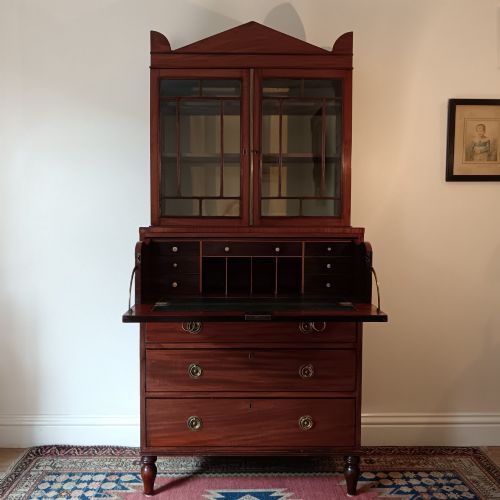
Makers designed these items for home studies, libraries, and elegant drawing rooms. Their forms range from small bureaus to grand architectural bookcases with glass panelling and fitted interior drawers.
How they were made
Cabinet makers utilised choice timbers such as mahogany, flame mahogany, figured mahogany, satinwood, rosewood, and pollard and burr oak. These woods were selected for their rich grain patterns and polished to a deep lustre.
Metalwork played a key structural and decorative role, with brass accents integrated into the design. Glass featured heavily in the upper bookcase doors, while leather provided a smooth writing surface on the pull-down desk flaps.
Retail Price Guide 2026
Typical UK retail prices for regency secretaire cabinet, calculated from the Sellingantiques database of over a million retail prices indexed since 2003. This retail price guide relies exclusively on Sellingantiques data; no external sources or auction records are used, so the figures do not describe the wider market.
Listings feature items from the 19th Century, Georgian, and Regency periods, constructed from mahogany, brass, glass, and leather.
What varies in quality
Decoration also dictates the upper tier of quality, ranging from restrained brass inlay to architectural pediments and stamped signatures. The integration of fitted pigeonholes and small drawers behind the fall-front desk reveals the level of specialist joinery involved.
Gillow
The Regency Secretaire Cabinet Glossary
- Secretaire
- A cabinet or desk featuring a pull-down or drop-front flap that conceals a writing surface and small interior compartments. This form allows the piece to function as a closed chest or cabinet when not in use.
- Abattant
- A vertical cabinet with a drop-front panel that serves as a desk. This term often applies to upright writing furniture from the period.
- Chiffonier
- A low cabinet, popular during the Regency period, often fitted with shelves or drawers. It frequently served a multipurpose role in dining rooms and drawing rooms.
- Escritoire
- A traditional term for a writing desk or cabinet designed for correspondence and paperwork. These pieces often contain numerous hidden drawers and pigeonholes.
- Flame mahogany
- Timber veneer cut from the branch junction of a mahogany tree to produce a flickering, flame-like pattern. Cabinet makers utilised this figuring on primary display surfaces.
Frequently Asked Questions
What is a regency secretaire cabinet?
A regency secretaire cabinet is a piece of nineteenth-century furniture that combines storage, display, and a fold-down writing desk. These items were designed to serve as both bookcases or side cabinets and practical desks for correspondence.
They reflect the architectural and decorative tastes of the Georgian and Regency periods, utilising fine timbers like mahogany and rosewood.
How were these cabinets used?
Owners used these cabinets in libraries, drawing rooms, and estate offices for storing books, paperwork, and valuables. The drop-front flap provided an instant writing surface without requiring a separate standalone desk.
Interior compartments kept letters and documents organised, while upper glass doors displayed prized book collections.
Where should I place one?
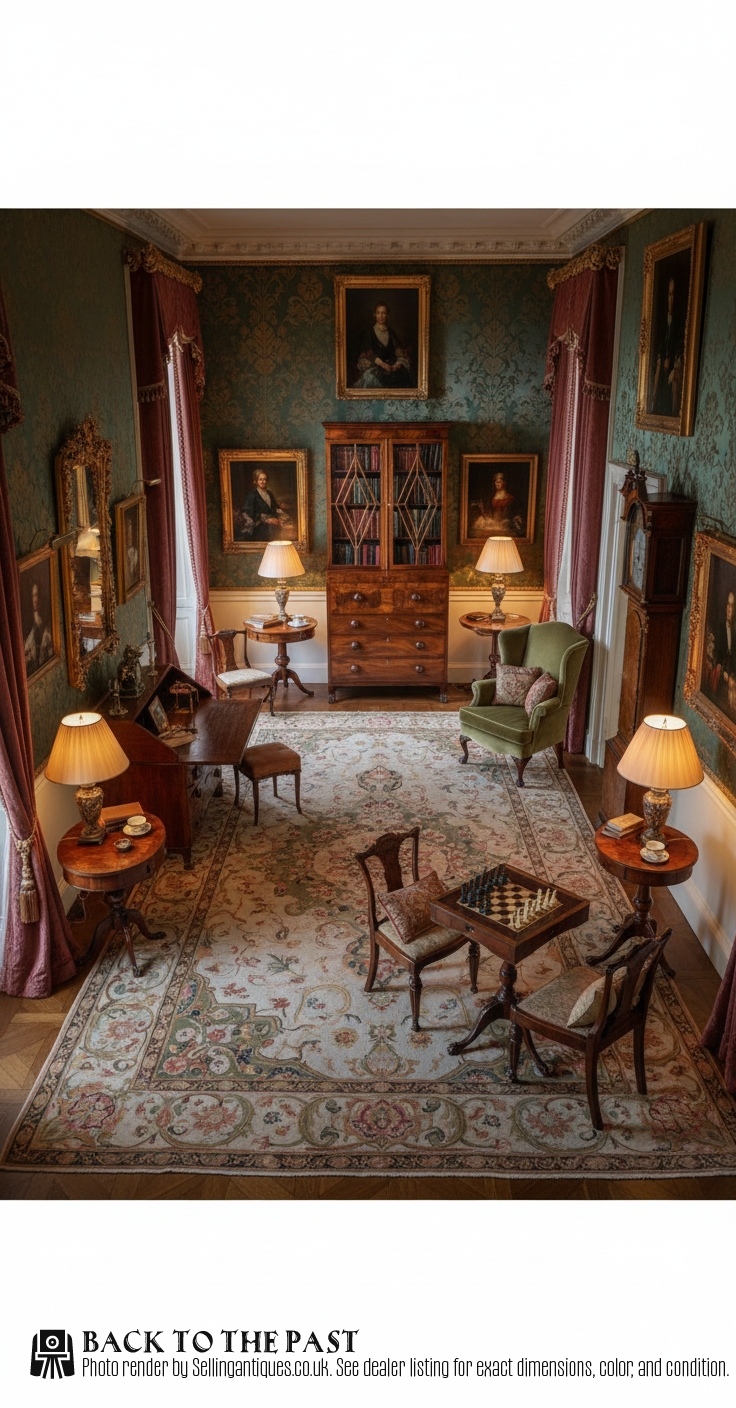
These cabinets suit studies, living rooms, and hallways where their dual function as storage and desk space is useful. Placing them away from direct sunlight and strong heat sources protects the polished timber and leather surfaces.
Their varied forms, from compact side units to taller bookcase combinations, allow them to fit into both spacious and intimate rooms.