

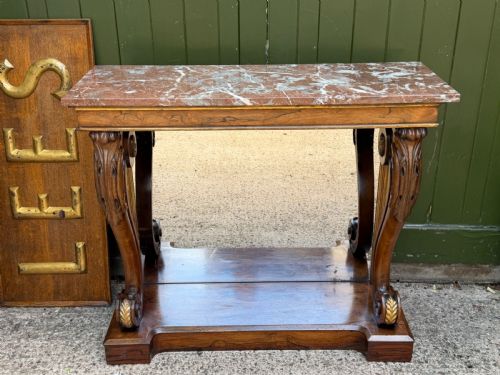


Regency Period Hall Table
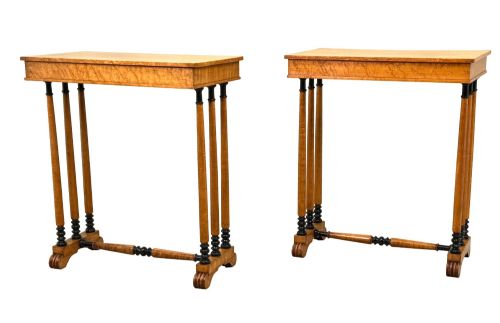
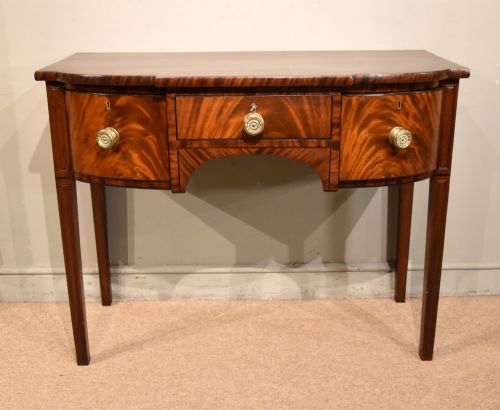
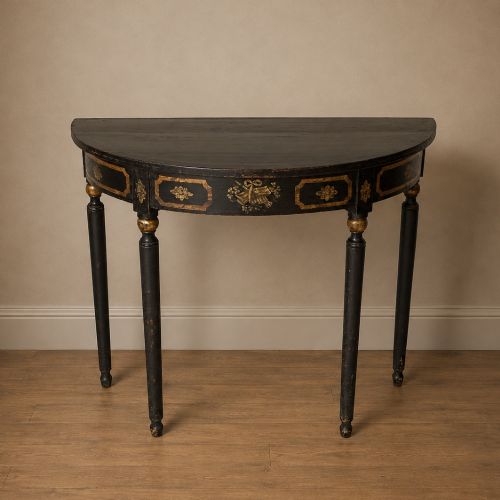
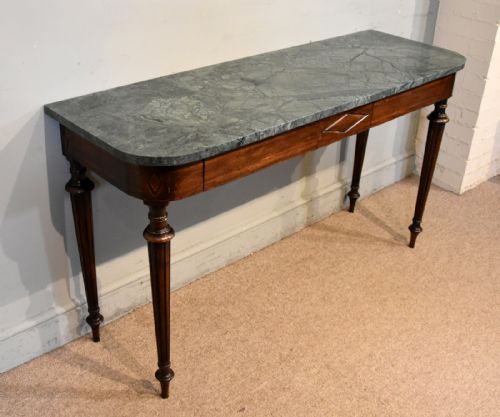
These pieces of a regency period hall table bring architectural discipline and rich timber grain to narrow entrance spaces.
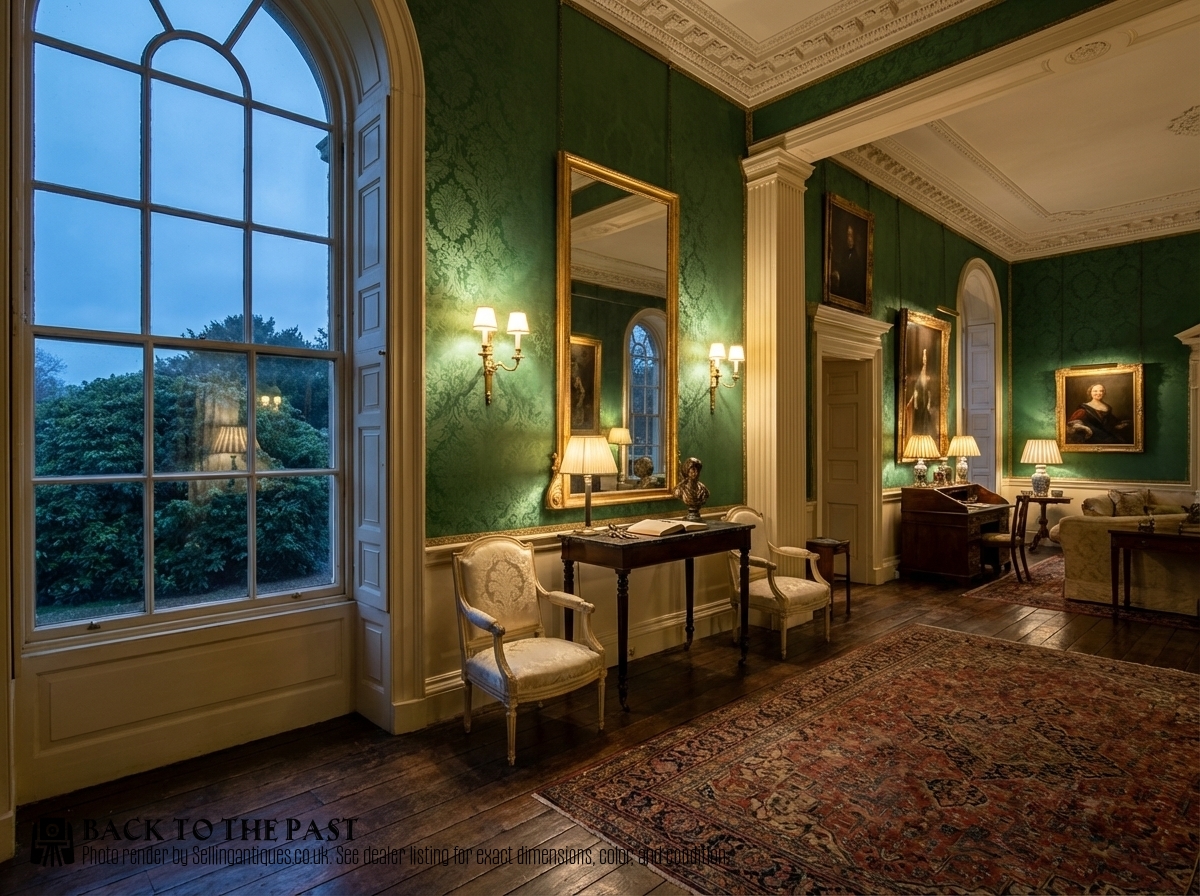
Regency Period Hall Table
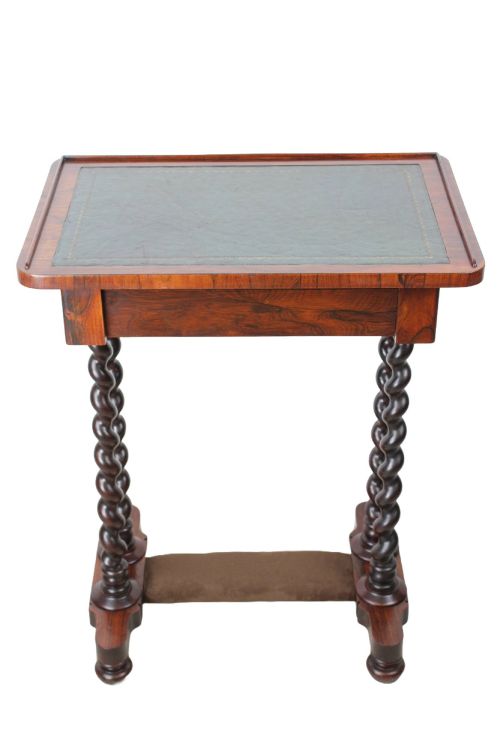
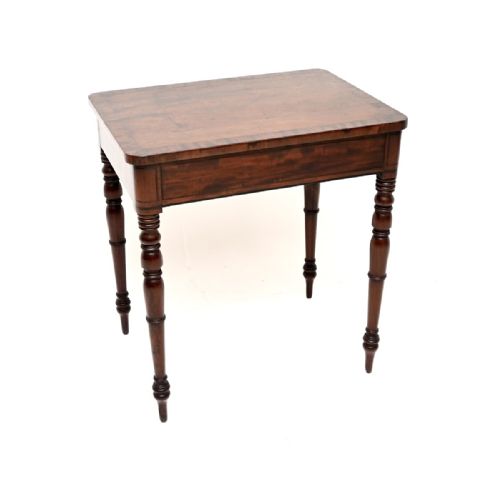
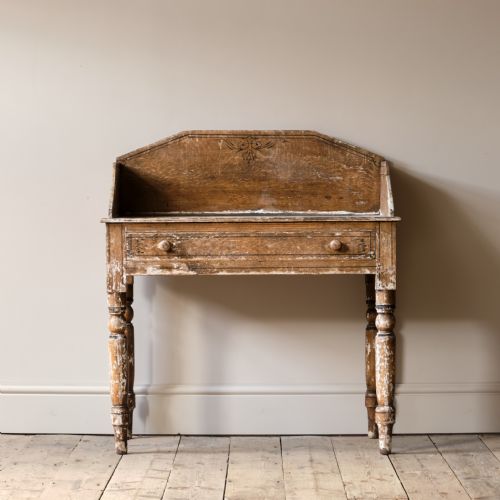
When you examine a regency period hall table, you encounter furniture designed specifically for the entranceways and corridors of nineteenth-century homes. The selection comprises console tables, side tables, and serving tables that hug the wall, constructed primarily during the Regency, George IV, and William IV periods. These forms developed to provide a formal surface for the hallway without obstructing the passage of guests.
The dominant forms on this page include mahogany and rosewood console tables, often featuring marble tops or brass inlay. Alongside these are side tables and serving tables reflecting George III, Georgian, and nineteenth-century design influences. Makers utilised specific layouts like D-shapes and demi-lune profiles to fit shallow hallway depths.
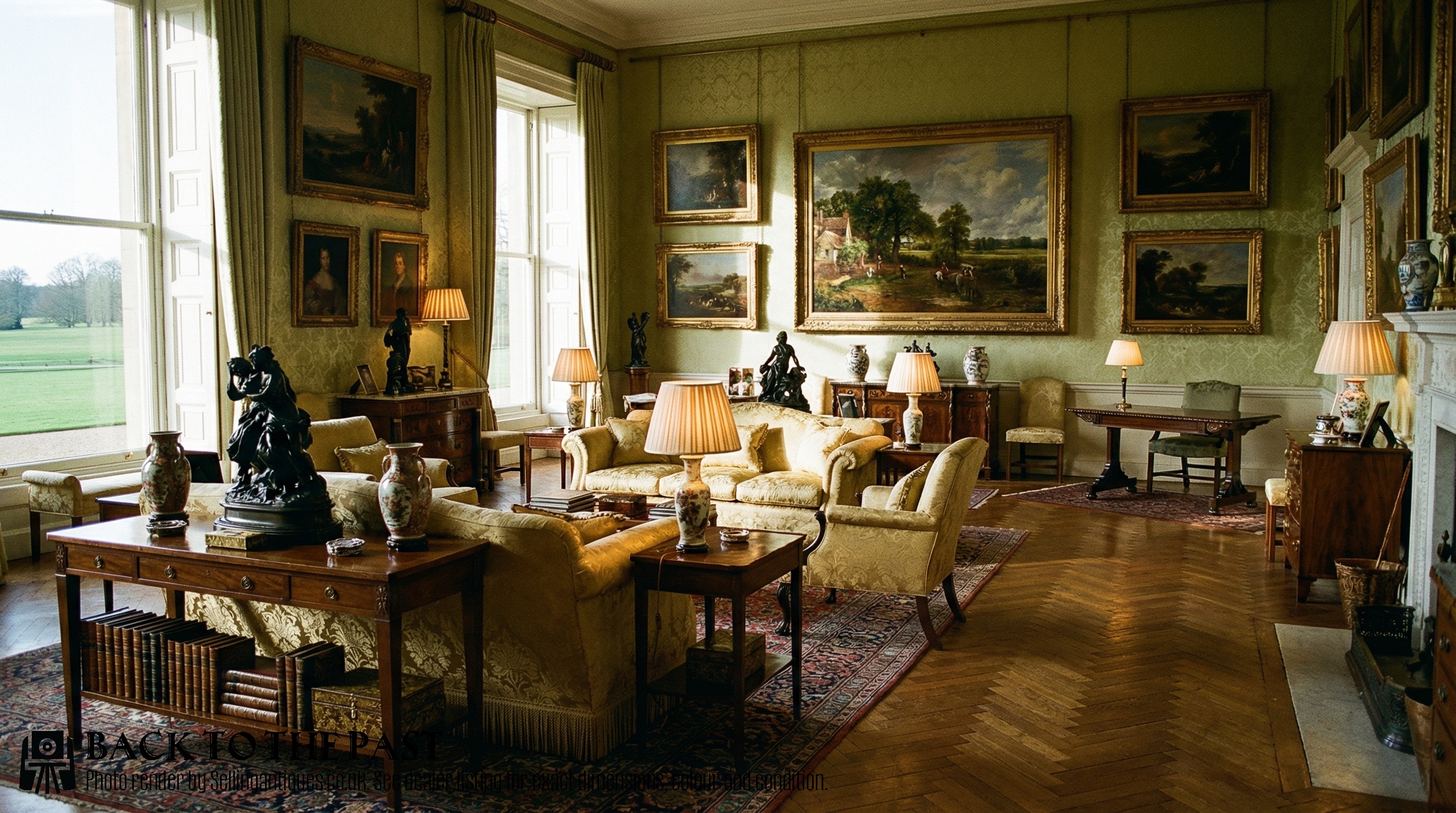
Materials and construction
Cabinetmakers relied heavily on solid mahogany and rich rosewood veneers, frequently enhanced by flame mahogany veneer or ebonised wood. Brass inlay, parcel-gilt details, and leather surfaces appear across the pieces to punctuate the dark timber grounds. Specimen marble and figured marble tops provide durable, contrasting surfaces for heavy use in entrance spaces.
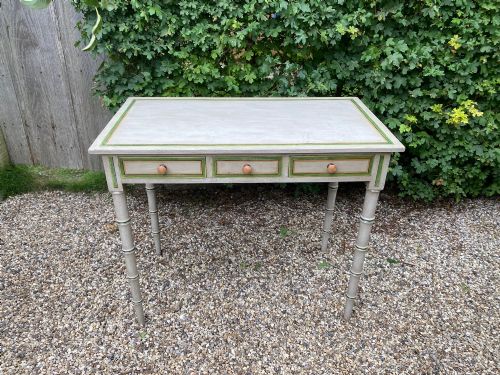
Structural execution combines traditional joinery with decorative surface work such as marquetry inlay and painted faux bamboo finishes. Workshops integrated mirror-backs into console tables to reflect light within dimly lit hallways, while drop leaves and pivoting tops appeared on multi-functional tea and sofa tables.
Regency Period Hall Table Retail Price Guide 2026
Typical asking prices for regency period hall table among the pieces listed under this phrase on Sellingantiques today, from the lower quarter to the upper quarter. They describe what is for sale here now, not the wider market.
The listings demonstrate a strong preference for rosewood and mahogany, frequently enhanced with brass inlay and marble tops across nineteenth-century forms.
Variations in quality
The distinction between standard utility pieces and high-end examples rests upon the selection of timber and the precision of the brass or marquetry inlay. Superior items display finely figured rosewood or flame mahogany grain that has been carefully matched across symmetrical surfaces. Lesser pieces rely on simpler pine or plain mahogany construction with minimal decorative embellishment.
Execution of carved details and structural mounts separates workshop tiers. Top-tier tables incorporate sophisticated architectural elements, such as parcel-gilt demi-lune frames and inset specimen marble tops, requiring advanced joinery and carving skills. Simpler variations lack these complex geometric stone inserts and elaborate metalwork.
The Regency Period Hall Table Glossary
- Console table
- A table designed to stand against a wall, frequently secured to it with brackets for stability. These forms suit narrow entrance halls and corridors.
- Demi-lune
- A half-moon shape used for table tops and frames. This profile allows the furniture to sit flush against a hallway wall.
- Flame mahogany veneer
- A thin slice of mahogany timber cut from the fork of the tree to create a distinctive flickering flame pattern. Cabinetmakers applied this to prominent surfaces for visual depth.
- Parcel-gilt
- Partially gilded with gold leaf to highlight specific carved details or mouldings. This technique contrasts brightly against ebonised wood or dark rosewood.
- Specimen marble
- A mosaic top composed of various coloured marbles arranged in geometric or pictorial patterns. These tops demonstrate lapidary skill.
Regency Period Hall Table: Frequently Asked Questions
Where should a hall table go?
Place these tables against a flat wall in an entrance hall, corridor, or reception landing where foot traffic allows clearance. Their shallow profiles keep them from blocking pathways while offering a surface for correspondence or decorative objects.
Ensure the table proportions match the scale of the wall space and surrounding architectural mouldings. Placing a mirror above the console or side table helps reflect light into darker passage areas.
How do I clean rosewood?
Dust the timber surfaces regularly with a soft, dry, lint-free cloth to prevent particulate accumulation. Avoid silicone-based polishes that can build up and soften historical finishes over time.
Apply a microcrystalline wax sparingly when the timber appears dry, buffing it gently to maintain the natural sheen. Keep the furniture away from direct heat sources and strong sunlight to prevent the rosewood from fading or splitting.
Are marble tops original?
Many console and centre tables incorporate original white, figured, or specimen marble slabs inset into the wooden frame. These heavy stone surfaces provided a practical, waterproof shelf for resting objects in formal entryways.
Examine the fit of the marble within the timber rebate to understand its relationship to the structure. Period replacements often match the exact thickness and edge bevelling of nineteenth-century stonecutting standards.