
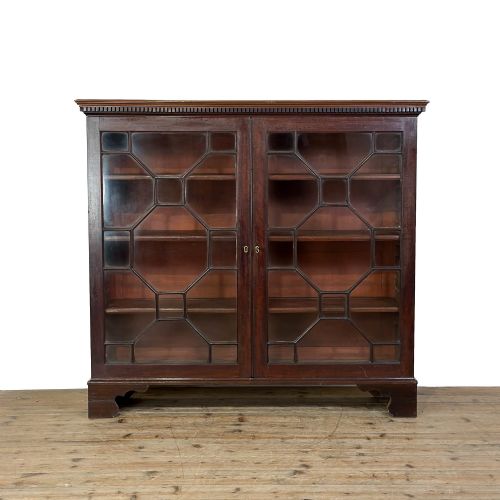
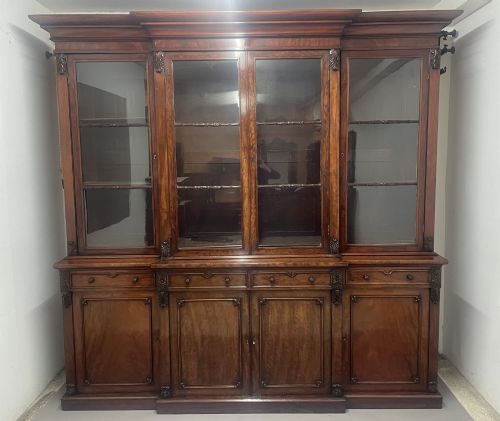
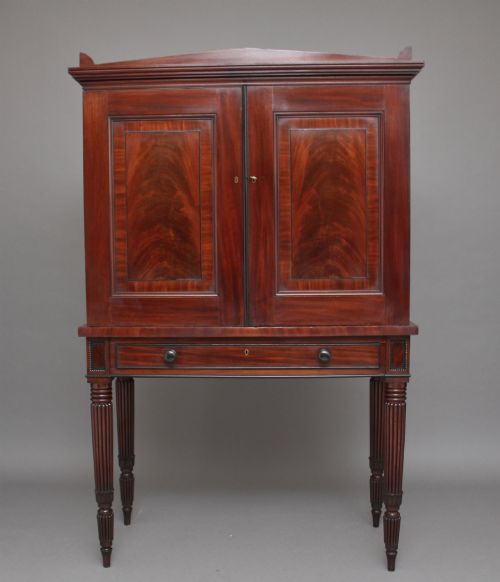
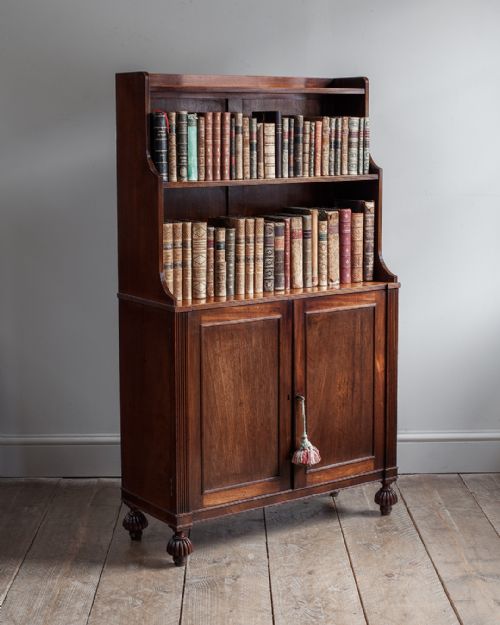
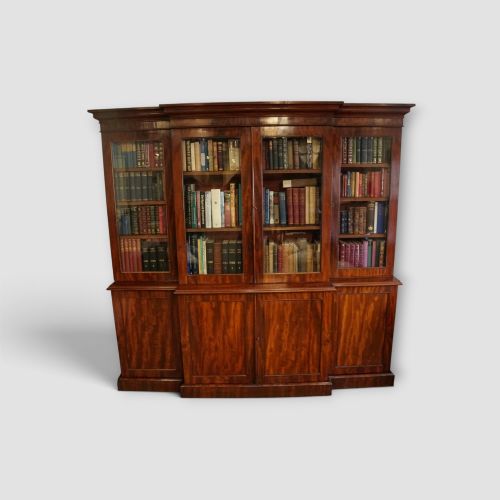
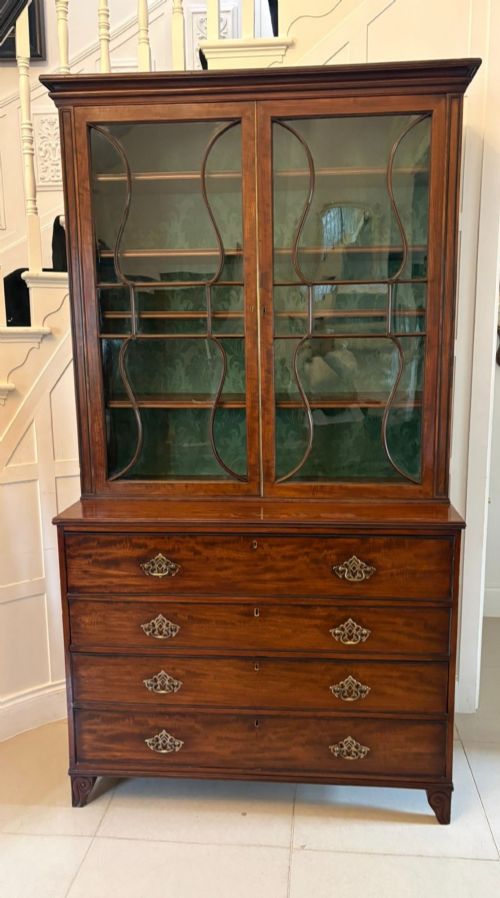
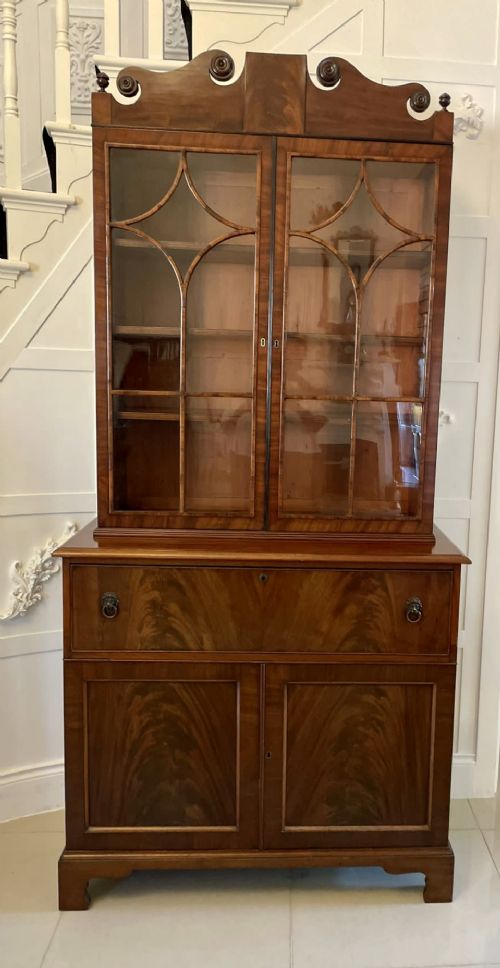
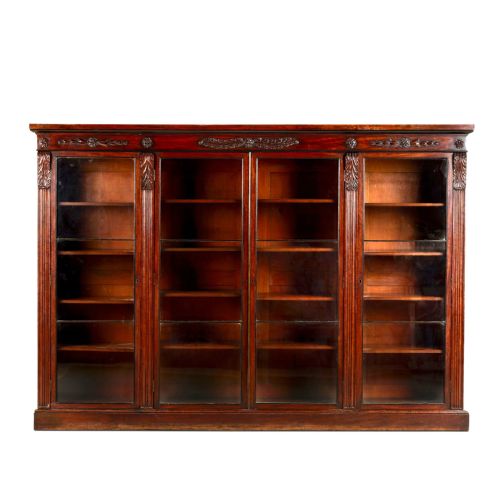
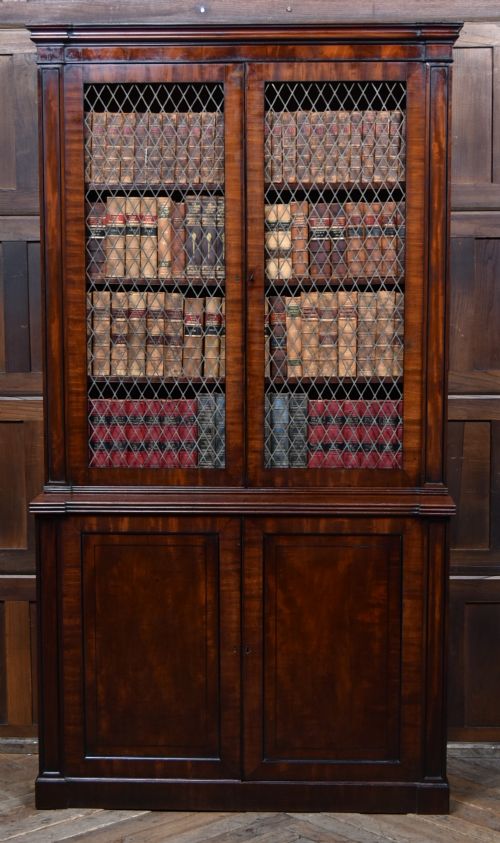
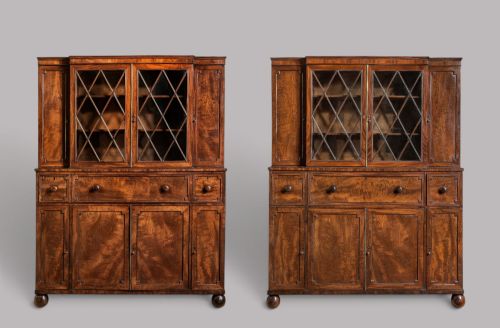
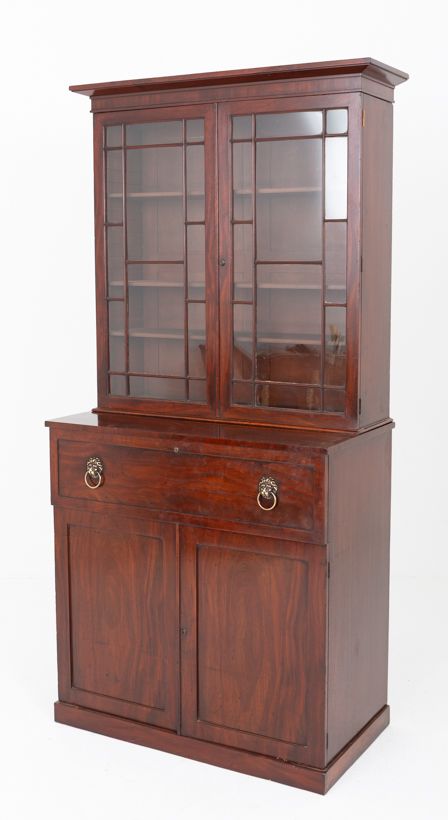
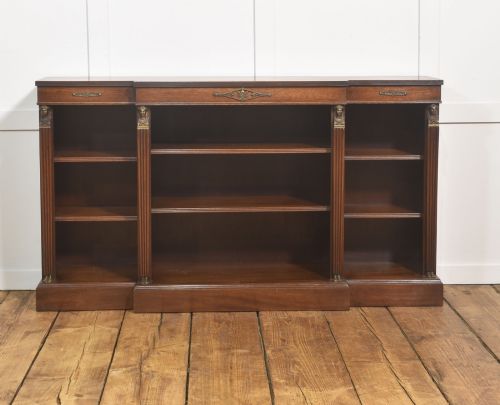
Regency Mahogany Display Cabinet
A regency mahogany display cabinet brings architectural restraint and rich timber figures into a room, serving as a handsome home for cherished books and objects.
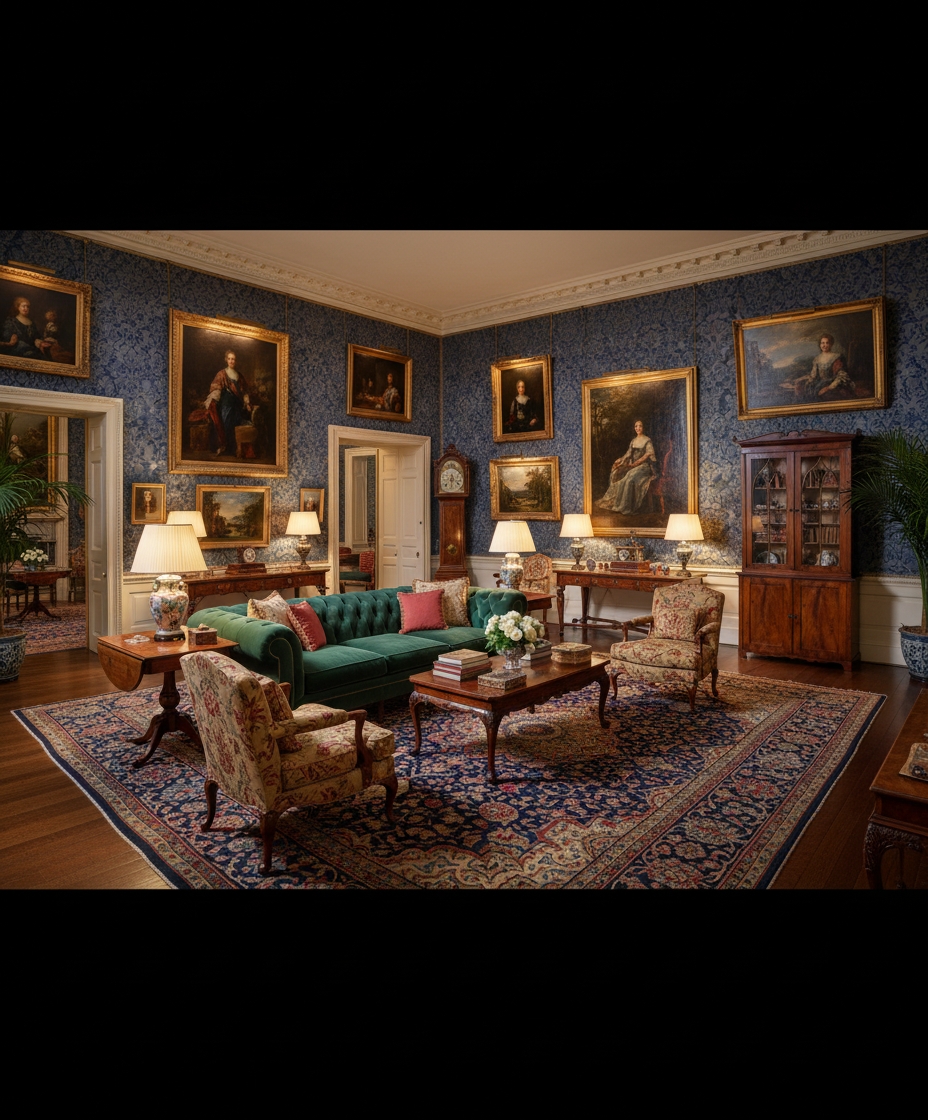
Regency Mahogany Display Cabinet
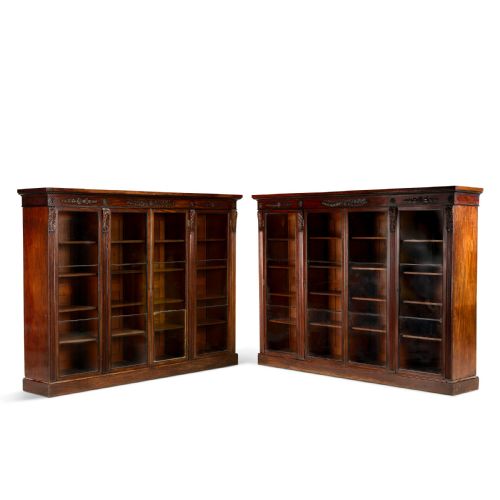
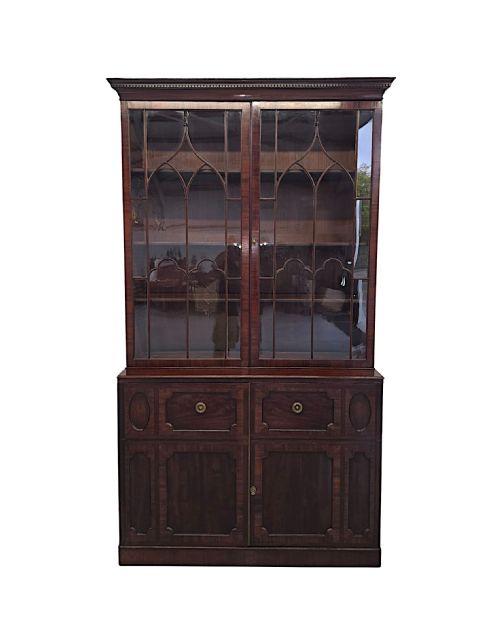
When you search for a regency mahogany display cabinet, you enter a field dominated by tall breakfront bookcases, secretaire cabinets with fitted writing interiors, and glazed cupboards designed for formal libraries and drawing rooms. The pieces appearing here span the Georgian, Regency, William IV, and Victorian periods, alongside later revival works from the twentieth century.
Most examples combine upright shelving with glazed doors or open upper tiers, though smaller table-top cabinets and corner stands also emerge from the workshops of the early nineteenth century. These forms reflect a domestic culture that prized both the display of prized volumes and the secure storage of papers and curiosities.
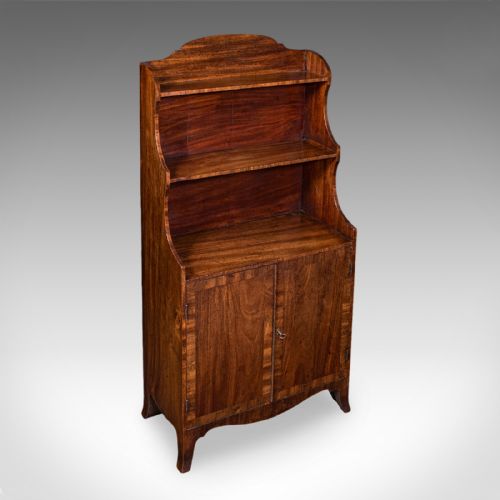
Makers of the period favoured clean geometric lines tempered by figured timber grains, producing breakfront library bookcases, waterfall shelves, and side cabinets that suited polite interiors. Buyers today encounter these forms preserved across various scales, from petite chiffoniers to large architectural bookcases.
How they were made
Cabinet-makers relied heavily upon solid mahogany and flame mahogany veneer, laying thin slices of highly figured timber over secondary woods to create striking patterns on door panels and drawer fronts. This structural foundation was frequently enhanced with contrasting brass mounts, wire mesh inserts, and fine fabric linings behind glazed doors.
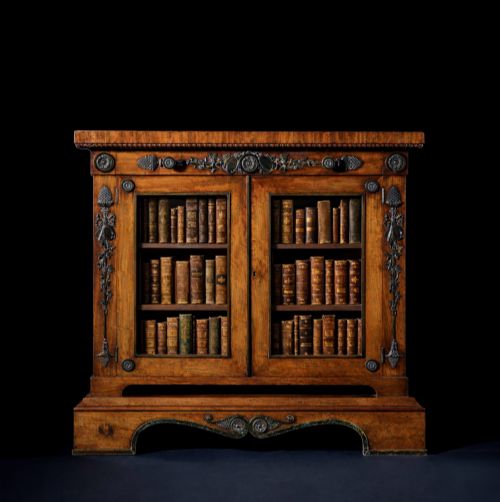
Joinery techniques prioritised rigidity and balance, particularly in large breakfront library bookcases where heavy glass doors and tiered shelving required sound framing. Workshops utilised brass inlay, bronze mounts, and subtle stringing to outline doors and cornices without overwhelming the natural warmth of the mahogany.
Materials recorded across these cabinets include solid mahogany, flame mahogany veneer, brass inlay, bronze mounts, wire mesh, and fabric.
What varies in quality
Quality rests upon the selection of the timber veneer and the precision of the cabinet work, particularly in the matching of flame mahogany figures across wide breakfront doors. Superior examples display thoughtful proportions, crisp glazing bars, and original brass fittings that integrate harmoniously with the carcase.
The refinement of internal fittings, such as secretaire drawers with pigeonholes and small spice drawers, separates utilitarian cupboards from pieces produced by skilled workshops. Structural integrity in the cornices, plinths, and door seating ultimately dictates the enduring presence of each cabinet.
Gillows·Marsh & Tatham
The Regency Mahogany Display Cabinet Glossary
- Breakfront
- A cabinet design where the central section projects forward from the flanking wings. This architectural arrangement creates depth and visual rhythm in large library bookcases.
- Secretaire bookcase
- A tall cabinet incorporating a pull-down writing drawer fitted with small drawers and pigeonholes. It merges a bureau workspace with upper glazed shelving.
- Flame mahogany veneer
- Timber sliced to reveal a flickering, flame-like grain pattern applied over a stable base wood. It was prized during the Regency period for decorative door panels.
- Waterfall bookcase
- A set of open shelves diminishing in depth from bottom to top, often finished with a small gallery back. The style became popular in the early nineteenth century.
- Glazing bar
- A wooden or metal strip holding individual panes of glass within a door. Fine glazing bars create delicate geometric patterns across the cabinet front.
Regency Mahogany Display Cabinet: Frequently Asked Questions
How do I spot a Regency piece?
Regency pieces often display classical architectural motifs, such as brass inlay, columnar supports, and clean, restrained lines inspired by Greco-Roman design. Makers utilised flame mahogany veneers and bronze mounts to achieve a formal yet balanced aesthetic.
Looking closely at the secondary woods, internal construction, and glazing bar patterns helps distinguish genuine early nineteenth-century work from later revival pieces made around nineteen-ten.
Where should I place a large bookcase?
Large breakfront bookcases require a principal wall with adequate ceiling height to let their architectural proportions breathe without overwhelming the room. Placing them away from direct sunlight and strong heat sources protects the fragile mahogany veneers and old polishes.
These cabinets serve well in studies, drawing rooms, or libraries where their glazed doors can safely house book collections and display objects.
What is a secretaire interior?
A secretaire interior is a fitted writing compartment hidden behind a drop-front drawer within a larger bookcase or cabinet. It typically contains small pigeonholes, tiny drawers, and sometimes a leather-lined writing surface.
This clever design allowed owners to write letters and manage papers without needing a separate desk in the room.
Are small display cabinets useful?
Small table-top cabinets, corner stands, and petite chiffoniers offer practical display space for collectors who lack room for a full-sized library bookcase. They bring the warmth of mahogany and glazed framing into smaller domestic spaces.
These compact formats retain the period details and veneer work of their larger counterparts while fitting easily onto side tables or corner floors.