




Red Orange Imari Dish
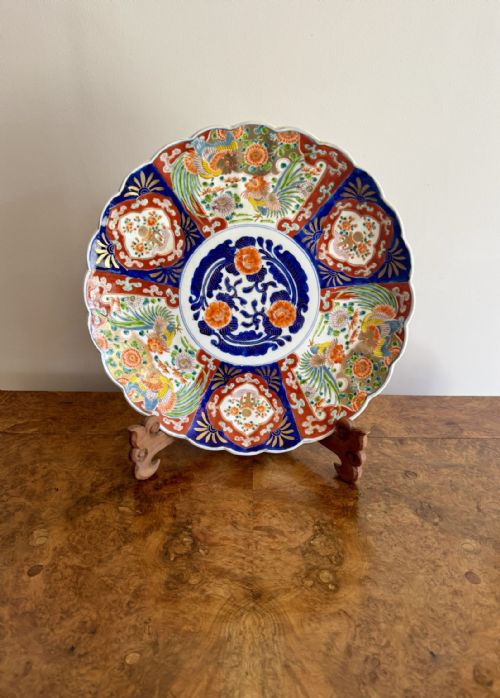
A red orange imari dish brings vibrant traditional palettes and intricate patterns into your interior.
Red Orange Imari Dish
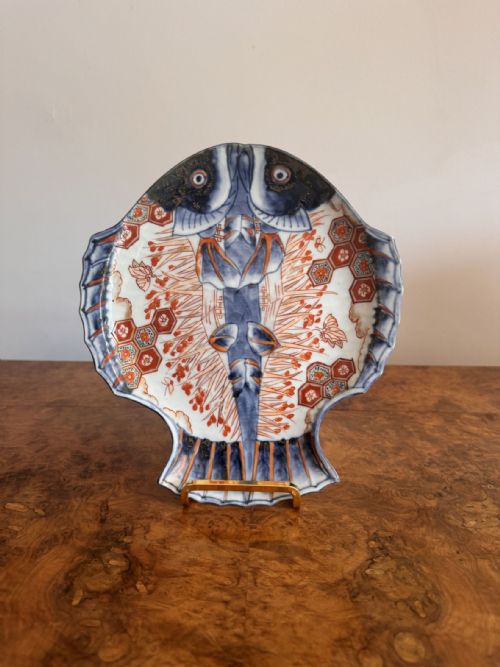
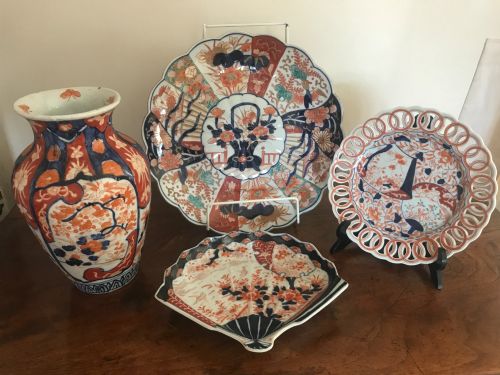
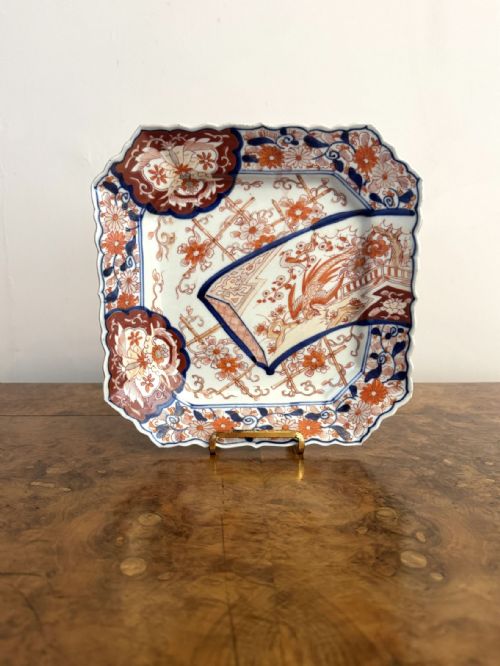
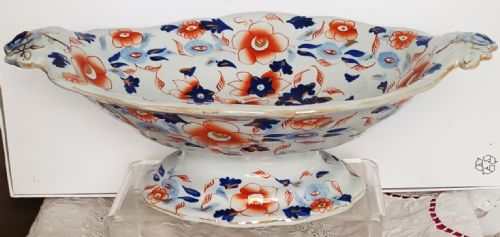
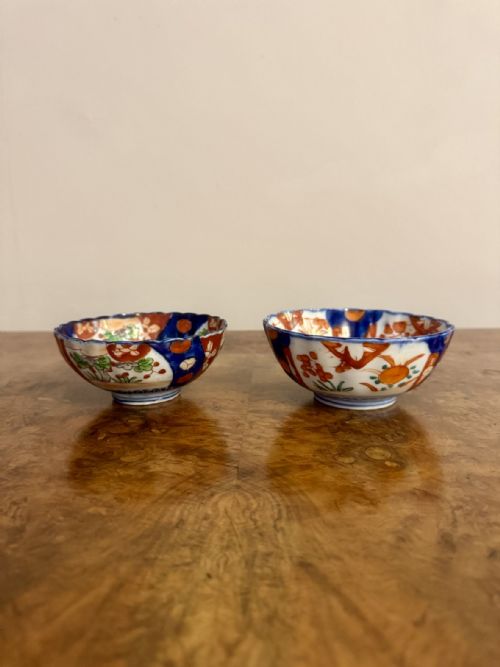
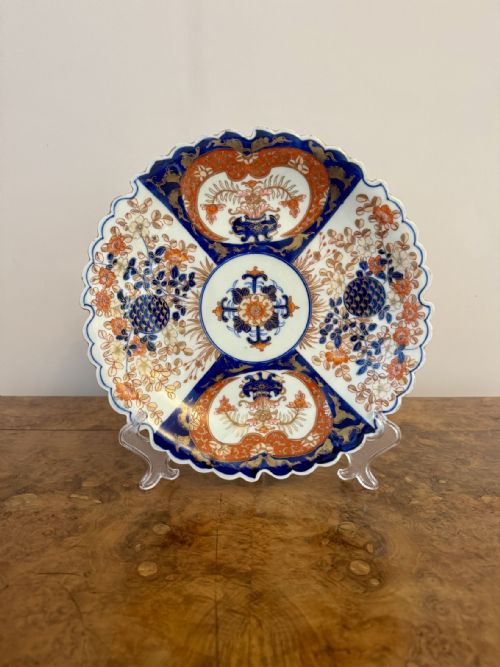
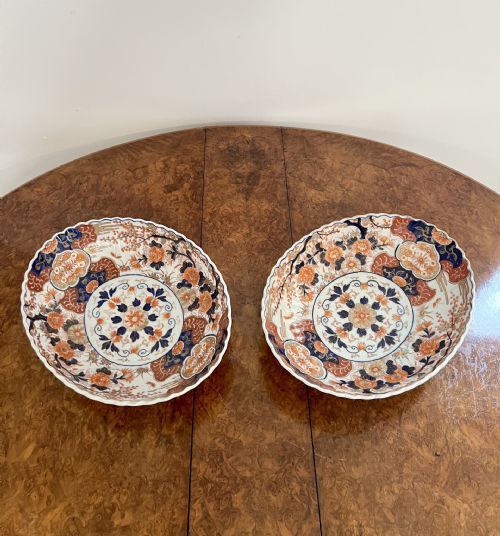
A red orange imari dish encompasses a variety of decorative plates, chargers, bowls, and comports originating from Japanese Edo, Meiji period, and 19th-century workshops, alongside English Georgian ironstone alternatives. The pieces appearing here span circular, square, hexagonal, scalloped, ribbon, fish, shell, and boat shapes designed for decorative display.
Buyers will most frequently encounter Japanese imari plates and chargers dated to around 1900, alongside larger bowls and multi-piece collections. These items utilise traditional forms intended for visual appeal rather than everyday dining service.
How they were made
These items rely on ceramic and porcelain bodies finished with glaze and enamel colours. Artisans applied hand-painted designs using characteristic red and orange palettes.
Many examples incorporate gold leaf, gilt, or gilding to accent the painted motifs across the porcelain surface. The combination of ceramic glaze and metallic highlights defines the finished appearance of each plate and bowl.
Some plates take the form of swimming fish, boats, and seashells.
What varies in quality
Quality rests upon the precision of the hand-painted detailing and the complexity of the forms. Unusual shapes, such as fish, shell, and boat-shaped dishes, demonstrate greater artistic ambition than standard circular plates.
Larger chargers and matched pairs with well-preserved enamel and gilding represent the upper tier of the selection. The depth of colour and the crispness of the glaze separate ordinary decorative wares from exceptional pieces.
The Red Orange Imari Dish Glossary
- Imari
- A style of Japanese porcelain decorated in underglaze blue and overglaze red, gold, and other colours. This aesthetic originated in the Edo period and influenced later ceramic production.
- Charger
- A large decorative plate utilised historically for display rather than for serving food at the table. These substantial pieces showcase expansive painted scenes.
- Comport
- A raised dish or bowl mounted on a foot, designed for holding fruit or acting as a centrepiece. English Georgian versions sit alongside oriental ceramics.
- Meiji Period
- The era in Japanese history spanning from 1868 to 1912, associated with many of the exported porcelain plates and bowls found in this selection.
- Ironstone
- A type of durable ceramic developed in Britain during the 19th century as a robust alternative to porcelain, seen here in Georgian Japan pattern footed comports.
Red Orange Imari Dish: Frequently Asked Questions
How do I display an imari charger?
Chargers are traditionally shown on walls using specialised plate hangers or displayed upright on sturdy plate stands within cabinets.
Because these large decorative dishes feature intricate painted designs, placing them away from direct, harsh sunlight preserves the enamel colours.
What is the difference between a plate and a charger?
A charger is significantly larger in diameter than a standard plate, typically measuring well over twelve inches across.
While plates served various dining functions, chargers were primarily manufactured for ornamental display on sideboards and tables.
How do I clean antique porcelain safely?
Dust porcelain surfaces gently with a soft, dry cloth to remove everyday particles without disturbing the glaze.
Avoid using harsh chemical cleaners, abrasive sponges, or soaking the piece in water, especially if gold leaf or delicate gilding is present.
Are these pieces safe for food use?
Antique decorative ceramics are intended primarily for display and collection rather than modern culinary service.
Enamels and metallic gilding applied to nineteenth-century and Meiji period wares can degrade when exposed to acidic foods or frequent washing.