




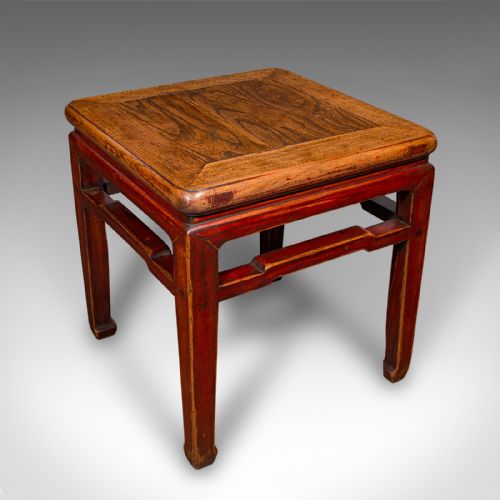


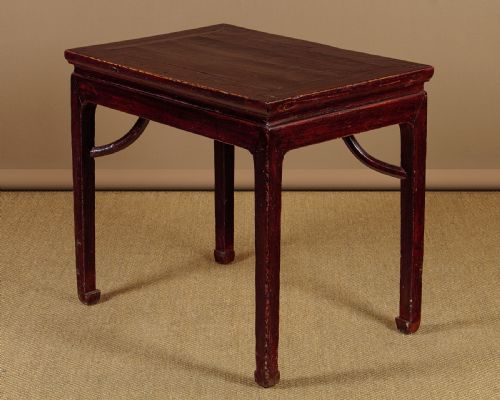

Red Lacquer Tea Table
A red lacquer tea table brings rich colour and exotic craftsmanship into a room, spanning distinct stylistic traditions from China, Japan, and Burma.
Red Lacquer Tea Table
When you search for a red lacquer tea table, you encounter low tables, side tables, games tables, and nests designed for serving tea or display.
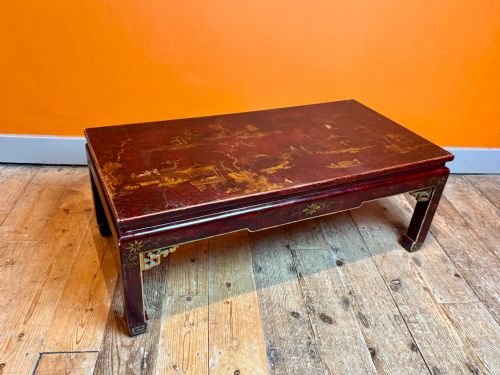
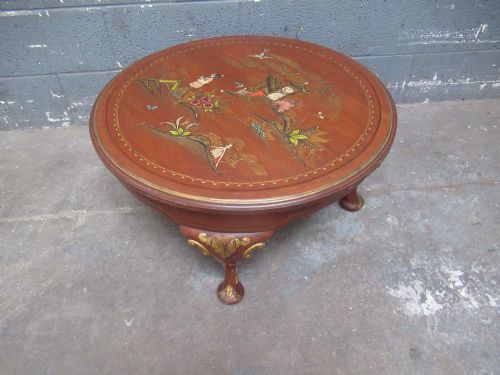
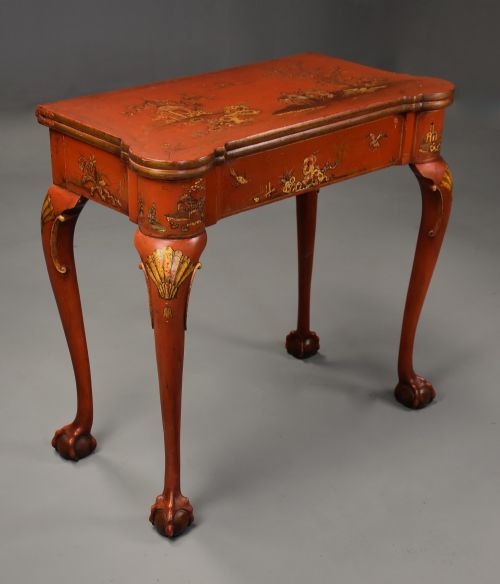
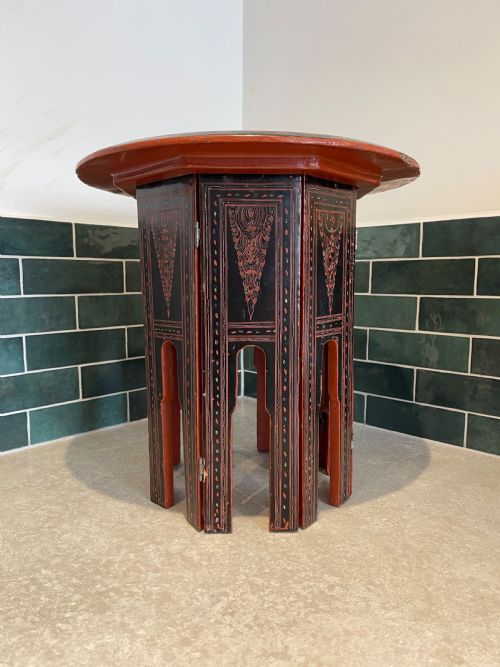
The selections on this page range from Victorian interpretations and early twentieth century Chinoiserie to nineteenth century Chinese low occasional tables and Burmese colonial pieces.
You are most likely to meet Chinese provincial low tables and twentieth century Chinoiserie side tables finished in vivid red surfaces.
Origins stretch from the Qing Dynasty and Meiji period Japan to British colonial workshops in Burma and India.
How they were made
Construction relies upon traditional timber frames, utilising sturdy woods like elm and bamboo as the structural core for subsequent surface treatment.
Arartisans applied layers of lacquer, pigment, and gold leaf to achieve the characteristic glossy red finish, frequently embellishing the top with gilt Chinoiserie decoration.
Certain examples incorporate carved cinnabar or detailed painted motifs derived from Japanese Meiji and Chinese export traditions.
Red Lacquer Tea Table Retail Price Guide 2026
Typical asking prices for red lacquer tea table among the pieces listed under this phrase on Sellingantiques today, from the lower quarter to the upper quarter. They describe what is for sale here now, not the wider market.
Several tables were designed specifically for kneeling or card games, proving that past generations took their leisure very seriously indeed.
What varies in quality
Quality rests upon the depth and stability of the lacquer surface, where superior examples exhibit smooth, even coats without extensive cracking or modern repainting.
The refinement of the gilt work and painted ornamentation dictates the tier of the piece, distinguishing finely detailed export or Meiji items from simpler provincial work.
Structural integrity of the underlying elm or wooden frame ensures the table remains stable for daily use.
The Red Lacquer Tea Table Glossary
- Chinoiserie
- European artistic interpretation of Chinese and East Asian stylistic motifs. This decorative style gained immense popularity during the Victorian era and the early twentieth century.
- Lacquer
- A durable resin finish applied to wooden objects in multiple layers. It provides a smooth, protective coating that accepts pigments and gilding.
- Meiji
- The period of Japanese history lasting from 1868 to 1912. Pieces from this era often feature precise craftsmanship and traditional iconography.
- Cinnabar
- A bright scarlet mineral form of mercuric sulphide used to create red pigment. Carved cinnabar involves building deep layers that are subsequently cut into relief patterns.
- Nest of tables
- A set of graduated tables designed to fit neatly beneath one another. They offer flexible surface space for tea service and entertainment.
Red Lacquer Tea Table: Frequently Asked Questions
How do I clean a red lacquer tea table?
Dust the surface gently with a soft, dry microfibre cloth to prevent scratching the delicate finish. Avoid using chemical polishes, abrasive cleaners, or excess water.
Keep the table away from direct sunlight and heat sources to prevent the lacquer from drying out or cracking over time.
How do I distinguish Chinese from Burmese lacquer?
Chinese pieces often feature smooth panels with gilt Chinoiserie landscapes or carved cinnabar relief. Burmese examples typically display distinct regional ornamentation reflecting colonial trade.
Examining the underlying wood species, such as elm in Chinese pieces, also helps clarify the geographic origin.
What period do most red lacquer tables belong to?
The available selection primarily spans the nineteenth century through the early twentieth century. You will find Victorian interpretations alongside genuine Qing Dynasty and Meiji period examples.
Earlier eighteenth century pieces appear occasionally in low occasional forms.