



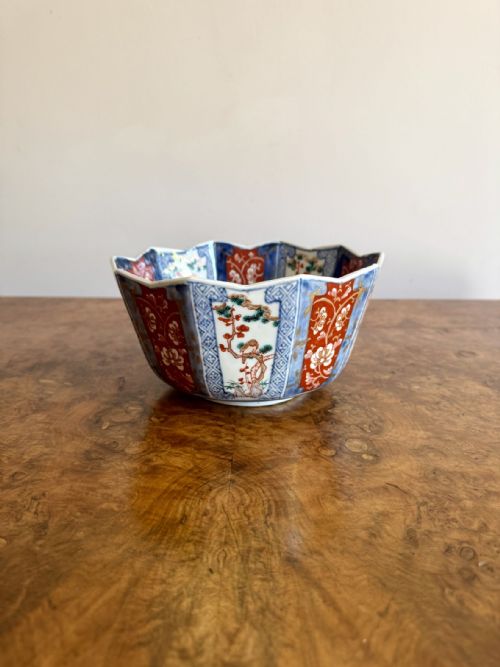
Red Gilded Japanese Porcelain
Red gilded japanese porcelain brings together intricate ceramic forms, deep enamel tones, and metallic leaf highlights.
Red Gilded Japanese Porcelain
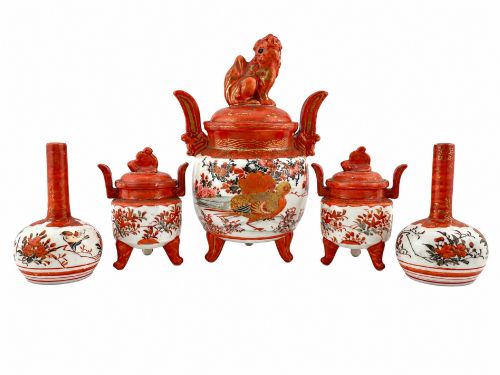
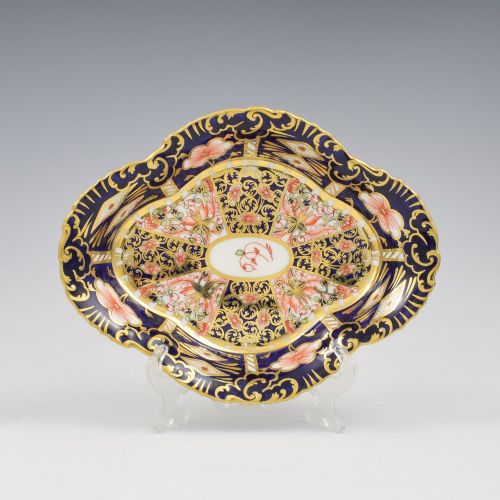
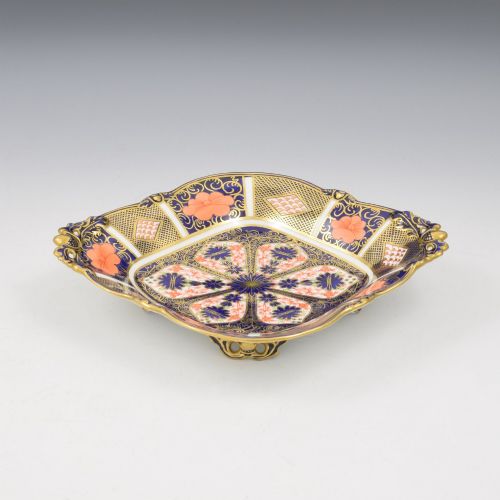
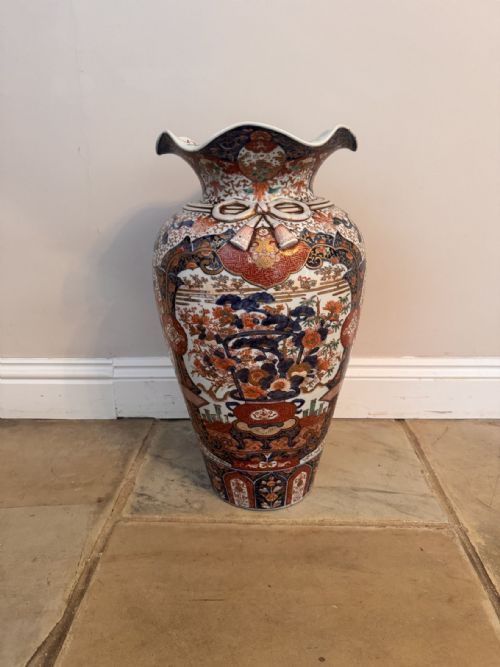
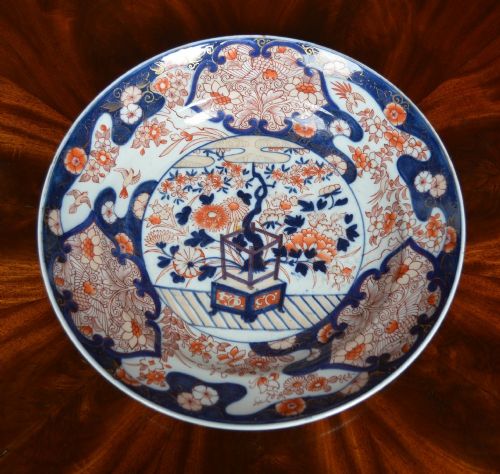
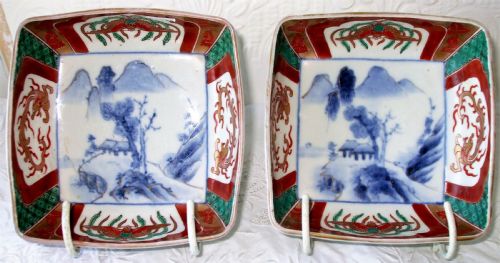
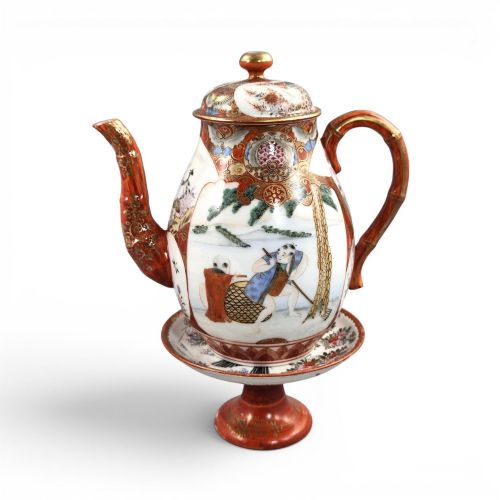
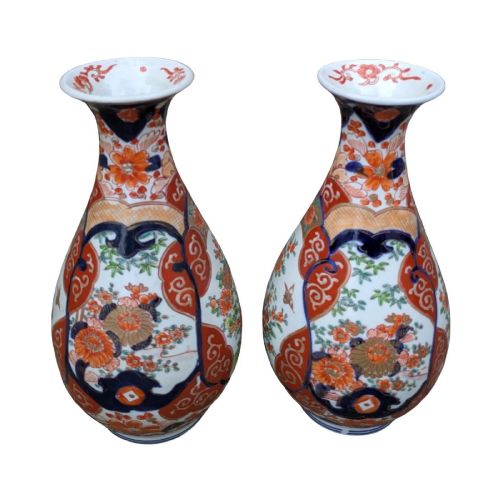
Red gilded japanese porcelain encompasses items created during the Edo and Meiji periods, alongside Victorian and Edwardian European interpretations. These objects appear as decorative plates, chargers, vases, bowls, and teacups, often featuring traditional floral and bird motifs.
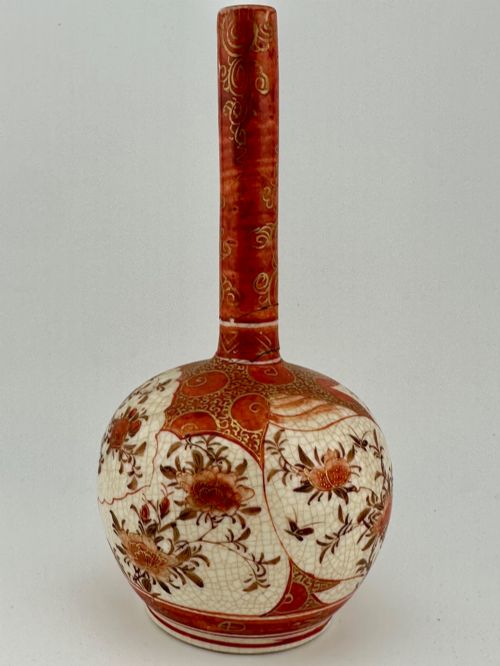
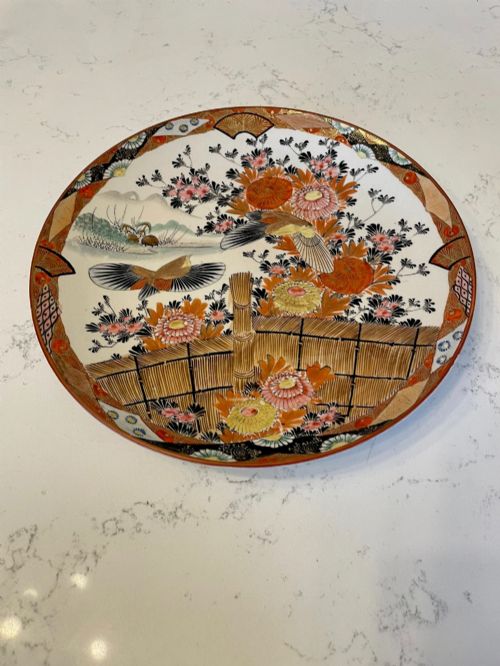
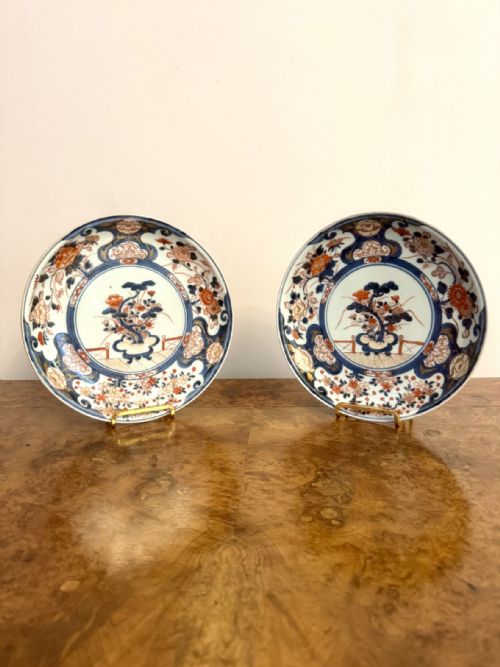
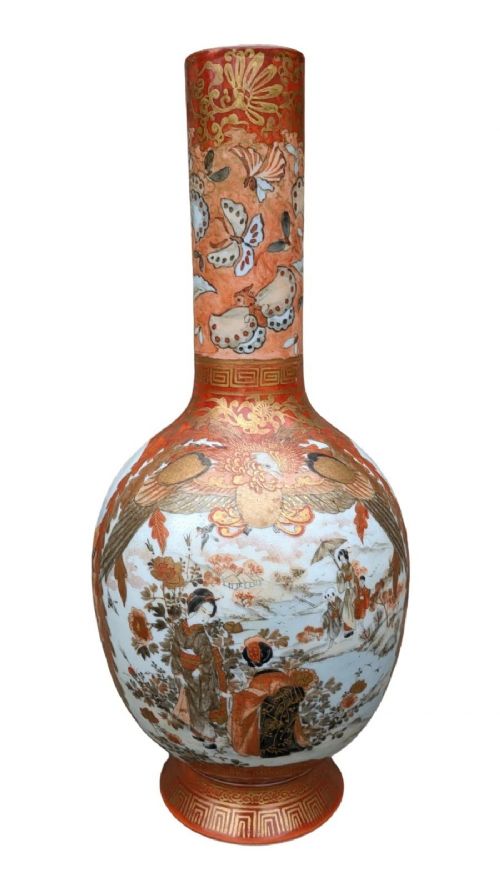
The items most frequently encountered include Japanese Imari chargers and Kutani vases. These forms highlight the characteristic red and blue palettes accented with metallic leaf.
How they were made
Potters shaped porcelain bodies before applying mineral glazes and enamel colours. Artisans then integrated gold leaf or gilding onto the hardened surfaces to create metallic highlights.
Hand painting dictated the final appearance of floral and animal subjects across plates and vases. Firing in kilns set the underglazes and fixed the enamel layers to the ceramic base.
Materials recorded on this page include enamel, bone china, gold leaf, and glaze.
What varies in quality
The precision of the hand-painted brushwork distinguishes standard items from superior examples. Fine pieces display balanced compositions and crisp delineation within the floral and bird scenes.
The application of the gold leaf or gilding influences visual depth. Heavier, more luminous metallic accents elevate the overall presence of the porcelain form.
The Red Gilded Japanese Porcelain Glossary
- Imari
- A style of Japanese porcelain featuring a palette dominated by red, blue, and gold. This decoration method spread from port towns to European markets.
- Kutani
- A distinct type of Japanese porcelain known for bold enamels and detailed pictorial subjects. These wares often incorporate extensive red and gold pigments.
- Gilding
- The application of gold leaf or powdered gold to ceramic surfaces. This technique adds reflective metallic detail to the finished design.
- Edo Period
- A historical Japanese era associated with foundational ceramic traditions. Pieces from this time predate the Meiji era developments.
- Meiji Period
- A later Japanese era noted for prolific ceramic production aimed at international collectors. Items from these decades often display complex hand-painted motifs.
Red Gilded Japanese Porcelain: Frequently Asked Questions
What is red gilded japanese porcelain?
These items comprise ceramic plates, vases, and bowls decorated with coloured enamels and metallic leaf. They reflect traditional craftsmanship from East Asian and European workshops.
Such objects served primarily as decorative display pieces rather than functional tableware. Their intricate designs made them centrepieces in period interiors.
How do I identify Imari porcelain?
Imari pieces typically show a distinctive palette combining deep red, cobalt blue, and gold accents. The surface patterns frequently include floral arrangements and birds.
Stylistic conventions and potting techniques help differentiate original Japanese export wares from later European imitations. Examining the glaze and weight provides further clues to origin.
Where were Kutani ceramics made?
Kutani porcelain originates from the Ishikawa Prefecture in Japan. Production flourished during the nineteenth century, particularly within the Meiji period.
These wares are recognised for their expressive use of enamel colours and narrative scenes. Miniature bowls and large vases demonstrate this regional focus.
How should I display these ceramics?
Plates and chargers look best on stable stands or mounted securely within display cabinets. Vases and bowls require flat surfaces away from heavy traffic.
Lighting should highlight the reflective qualities of the gilding without exposing the glaze to prolonged direct sunlight. Careful placement protects the delicate enamel surfaces from accidental impacts.