
Oriental Hand Painted Urns
Oriental hand painted urns bring together centuries of intricate ceramic traditions from China and Japan, offering striking decorative presence for any room.
Oriental Hand Painted Urns
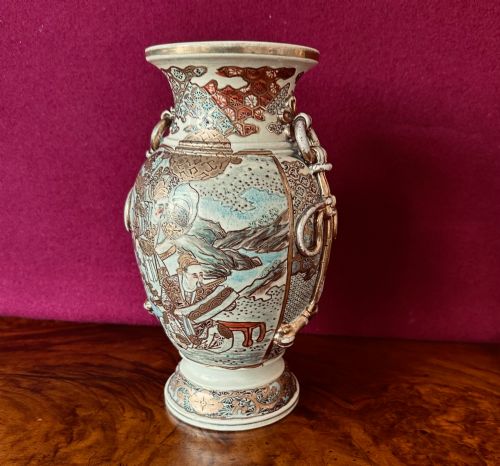
Oriental hand painted urns encompass large decorative floor vases, covered ginger jars, and table lamps originating from Chinese and Japanese kilns. The selection leans heavily towards 19th-century and early 20th-century production, spanning the Meiji, Taisho, and Qing periods.
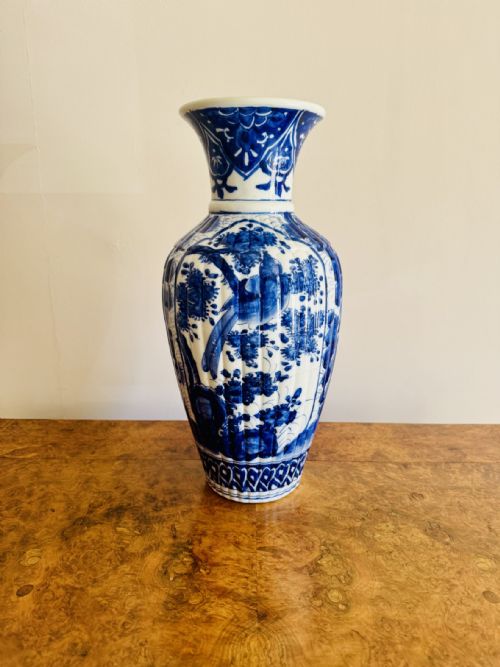
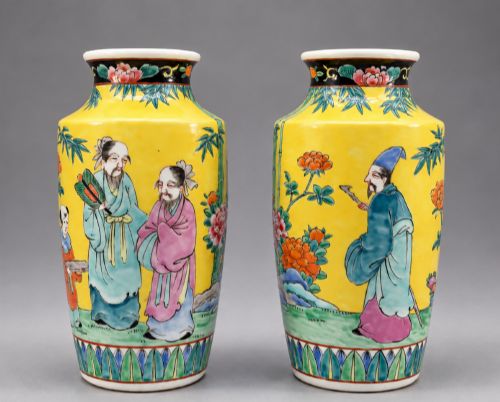
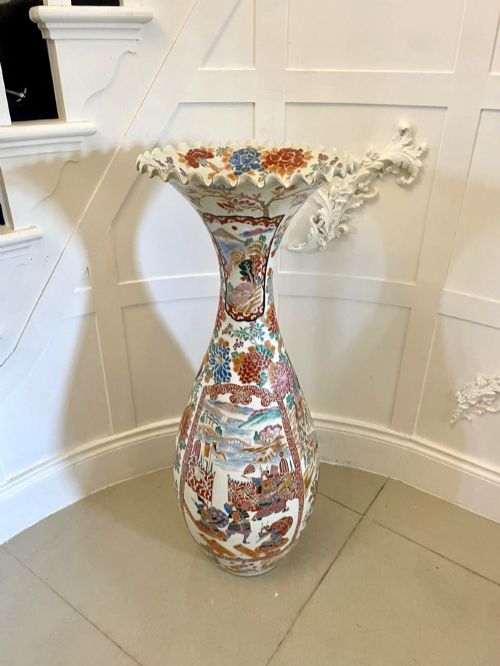
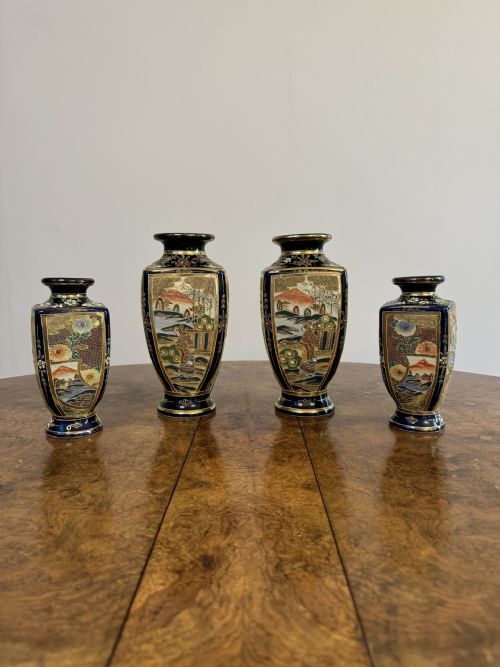
Forms range from monumental palace floor jars and garniture sets down to domestic ginger jars and double gourd vases. Many pieces display traditional motifs such as figural scenes, floral landscapes, and birds executed in distinct regional palettes.
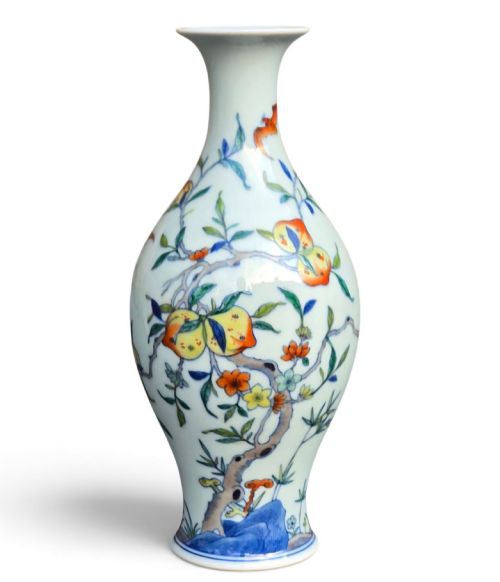
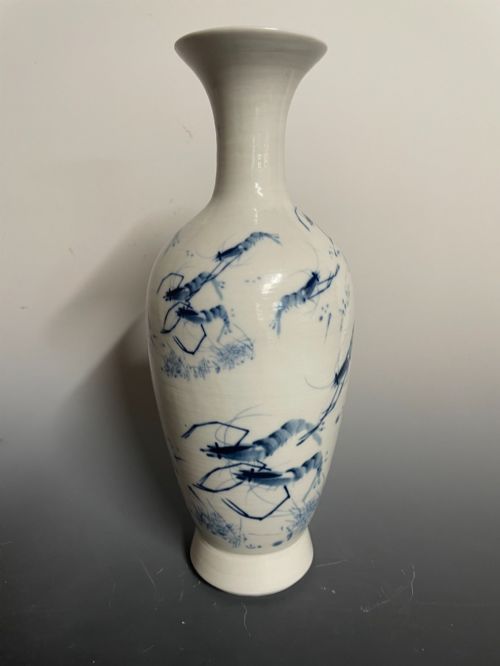
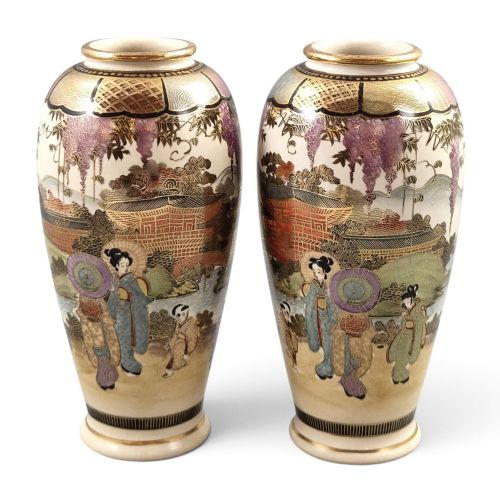
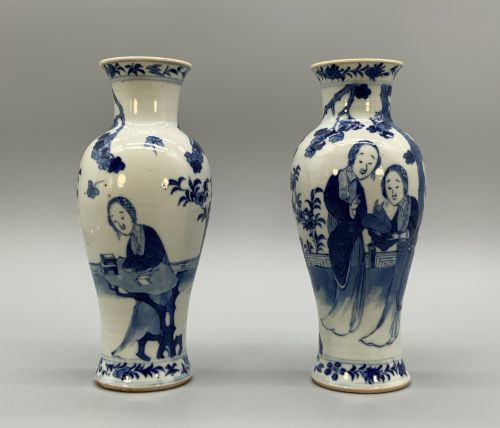
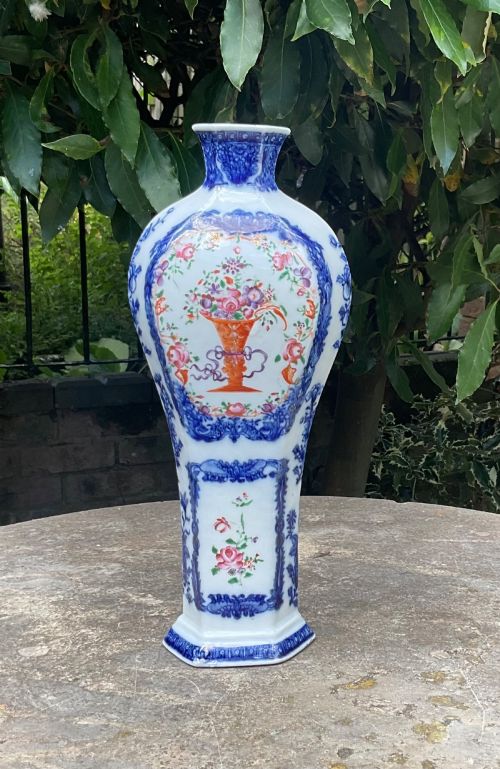
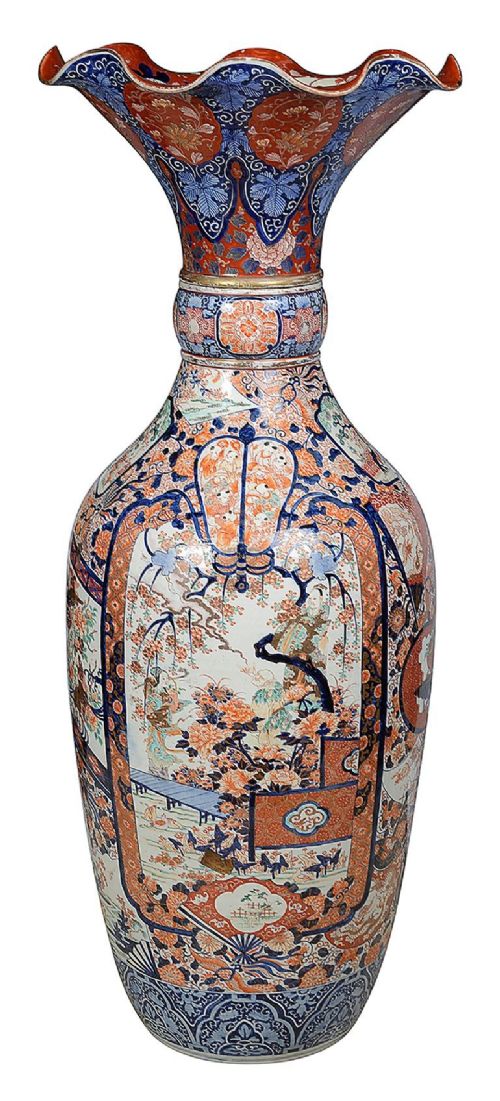
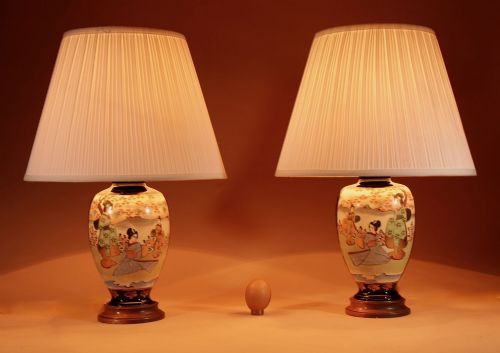
Japanese examples frequently showcase Imari, Satsuma, and Kutani styles, whilst Chinese counterparts present blue and white, famille rose, and celadon glazes. Buyers encounter both original display vessels and those later converted for electrical table lamps.
How they were made
Potters shaped these vessels from ceramic, earthenware, and fine porcelain bodies before applying intricate hand-painted designs using cobalt glaze, enamel pigments, and metallic gold leaf. Kiln firing fixed the underglaze cobalt and body form, whilst overglaze enamels and gilding required subsequent lower-temperature firings.
Gilt highlights and gold leaf details were layered over the glaze to catch the light, paired with rich cobalt blue or polychrome enamel schemes. Many pieces incorporate a glossy clear glaze finish that seals the pigment and deepens the colour profile.
One towering floor vase reaches nearly five feet tall, demanding a dedicated corner of its own.
What varies in quality
The standard of an oriental hand painted urn rests in the precision and density of the brushwork across the surface. Finer examples display disciplined control in miniature figural details, botanical rendering, and symmetrical pattern repeats.
The depth and brilliance of the enamel palette, alongside the richness of the applied gold leaf and gilt work, distinguish superior pieces. Structural scale also plays a role, with monumental floor vases and matched garniture sets requiring exceptional skill during the throwing and firing stages.
Maruni Kobe·Shozan
The Oriental Hand Painted Urns Glossary
- Imari
- A traditional Japanese style of porcelain originating from Arita, characterised by a distinctive palette of underglaze blue, iron red, and gold. These pieces often feature dense brocade patterns and floral panels.
- Satsuma
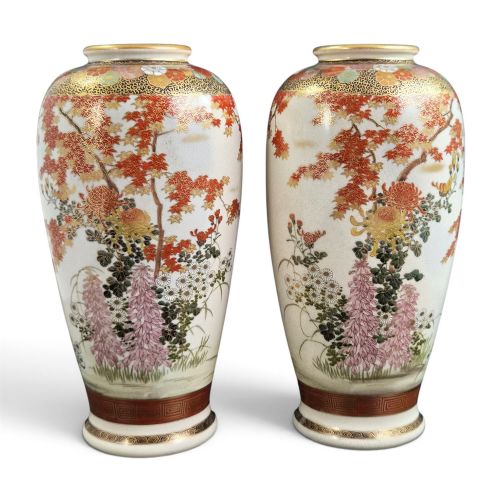
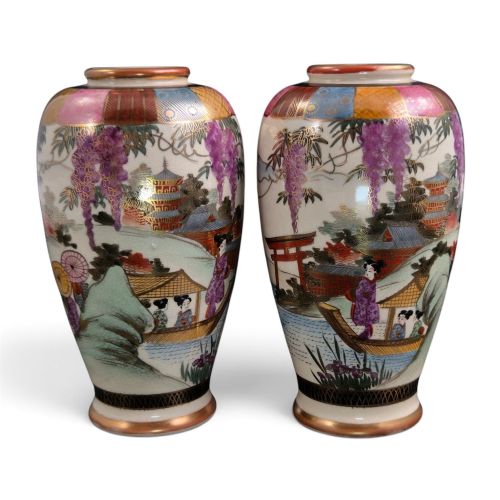
- An earthenware pottery type from Japan featuring a crackle-glaze ivory body decorated with polychrome enamels and heavy gilding. Often depicts historical figures, court scenes, and landscapes.
- Famille Rose
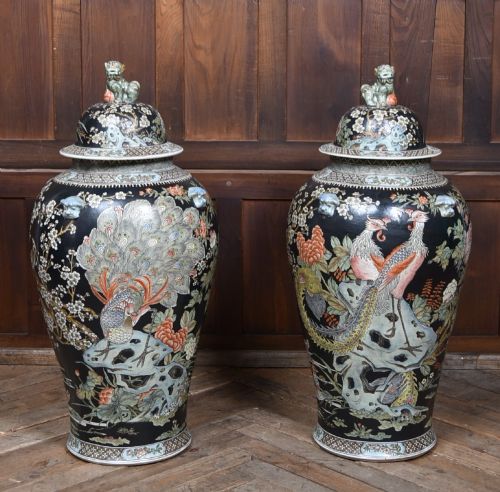
- A major palette of Chinese ceramic porcelain introduced during the Qing dynasty, named for its predominant opaque pink or rose enamel colour. The style accommodates delicate rendering of birds, flowers, and human figures.
- Ginger Jar
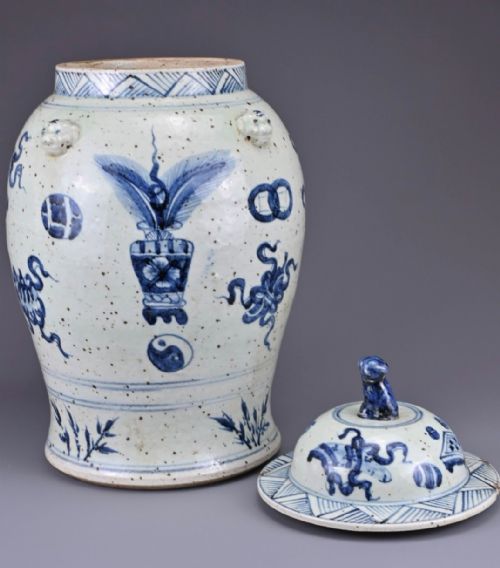
- A high-shouldered ceramic storage vessel with a domed cover, originally designed for spices and herbs. These jars became prominent decorative staples in both Chinese and Japanese export wares.
- Garniture
- A set of matching vases or jars designed to be displayed together on a mantelpiece or cabinet top. Typically comprises three, four, or five graduated pieces sharing identical decorative schemes.
Oriental Hand Painted Urns: Frequently Asked Questions
What are oriental hand painted urns?
Oriental hand painted urns are decorative ceramic vessels, ginger jars, and floor vases originating from China and Japan. They are defined by hand-applied glazes, enamel paintings, and gold leaf detailing.
These pieces reflect specific historical eras including the Meiji period and Qing dynasty. They serve primarily as ornamental focal points in interior spaces.
How were these urns used historically?
Many of these vessels functioned as storage containers for spices, tea, or dry goods, particularly the covered ginger jars. Others were created purely as ornamental showpieces for wealthy households and export markets.
Larger floor vases and garniture sets occupied prominent positions in grand rooms and halls. Over time, some vessels were adapted into table lamps for domestic lighting.
How do I tell Satsuma from Imari ware?
Satsuma ware utilises an earthenware body with a characteristic creamy, crackle-glazed finish decorated in opaque enamel and gold. The designs frequently feature detailed figural scenes and local landscapes.
Imari ware is a porcelain body utilising a stiffer palette dominated by cobalt blue and iron red, highlighted with gold. The patterns tend toward geometric panels, florals, and stylized brocade motifs.
How do I live with antique oriental urns?
Place large floor vases and garniture sets in stable locations away from heavy foot traffic to protect their ceramic bodies. Position table lamps and smaller ginger jars on sturdy surfaces where their hand-painted details can be appreciated.
Keep them out of direct, harsh sunlight to preserve the vibrancy of the overglaze enamels and gold leaf. Dust them gently with a soft, dry cloth without harsh cleaning agents.