
Red Ceramic Vase
A red ceramic vase brings rich colour and striking form to a room through centuries of traditional pottery skills.
Red Ceramic Vase
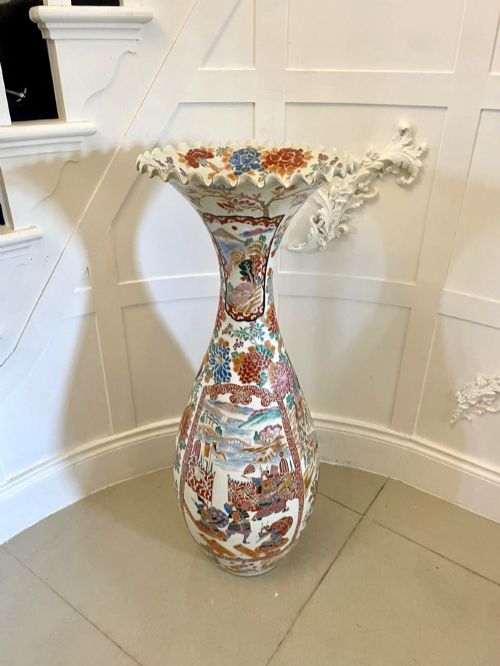
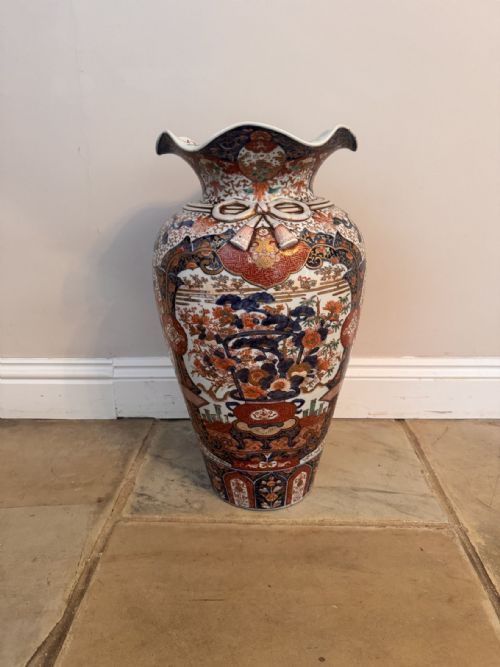
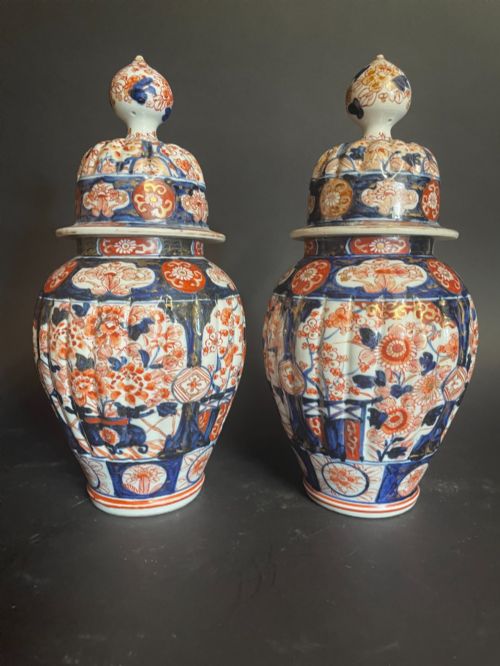
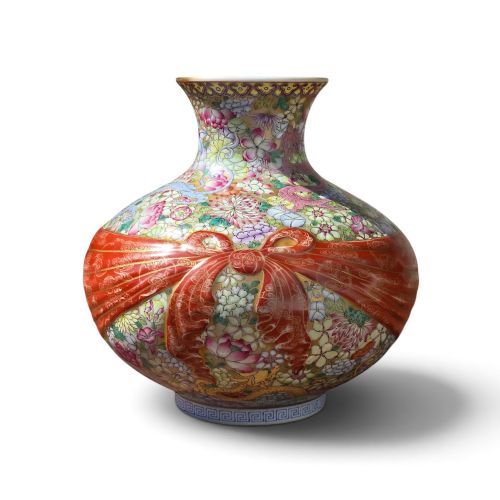
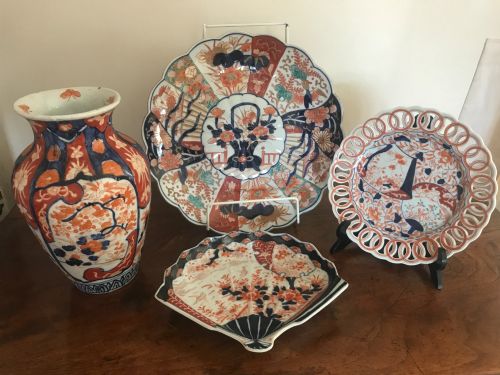
A red ceramic vase encompasses a wide variety of historic vessels, ranging from large floor standing Imari pieces to delicate art pottery and detailed earthenware.
Many examples originate from Japanese workshops of the Meiji period, alongside English art pottery, French ceramics, and Chinese porcelain works.
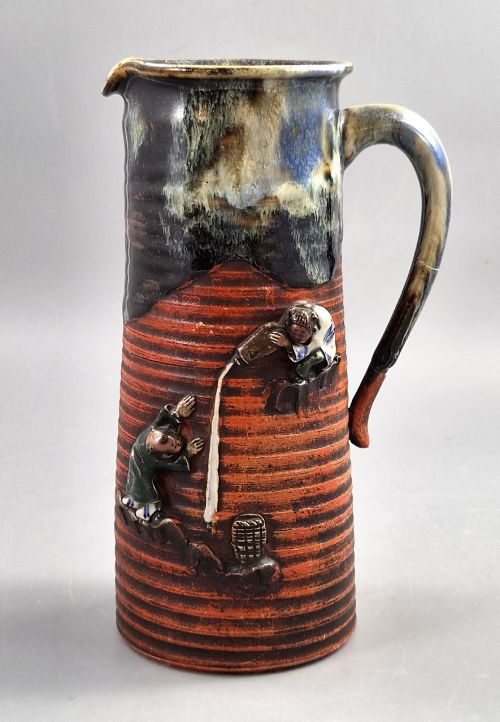
Forms span standard vases, ginger jars, lidded jars, pitchers, and decorative ewers produced across the nineteenth and twentieth centuries.
How they were made
Potters shaped these vessels using earthenware, stoneware, terracotta, and porcelain, applying rich glazes, enamel, and occasional gold leaf details.
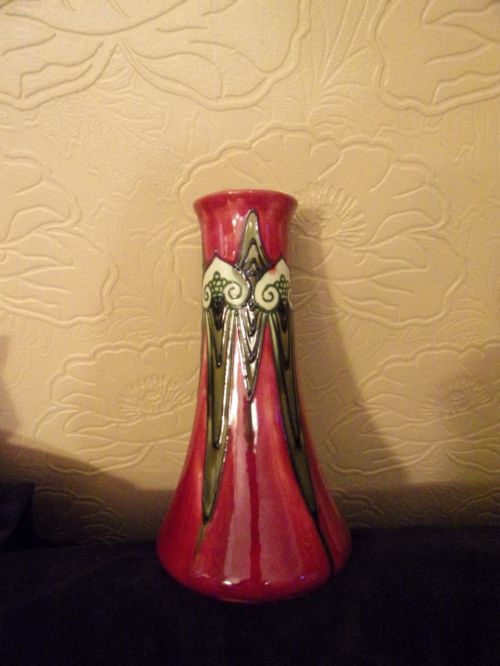
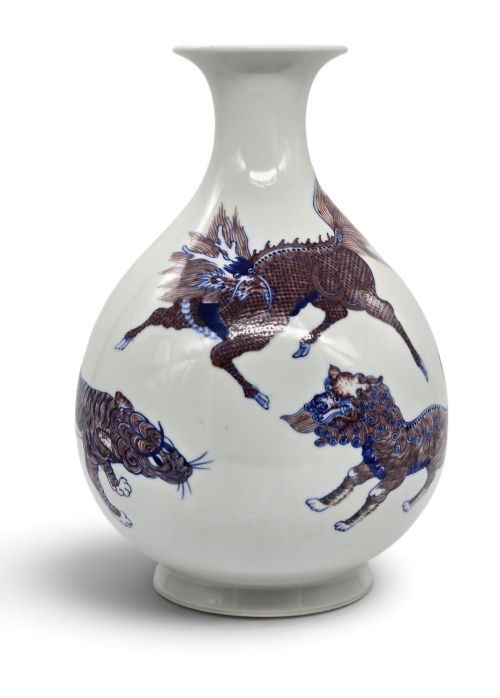
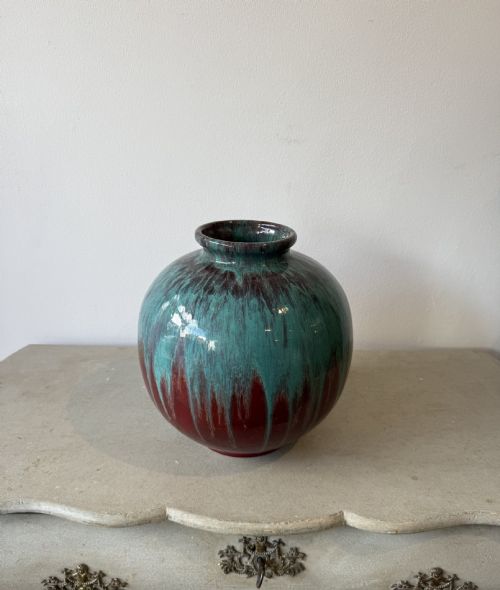
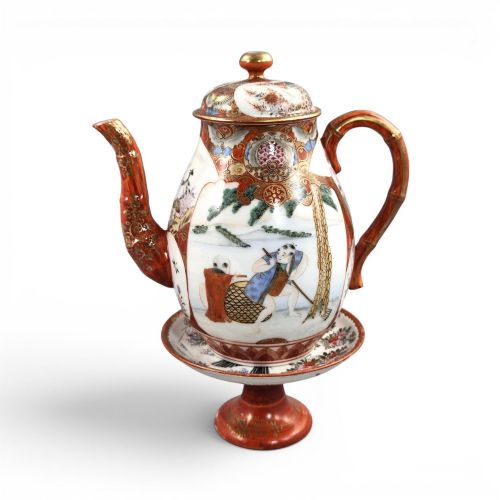
Techniques include tube-lined designs, flambe glazes, and intricate underglaze iron-red painting to achieve deep coloration.
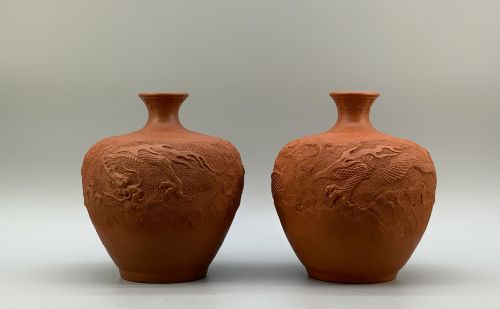
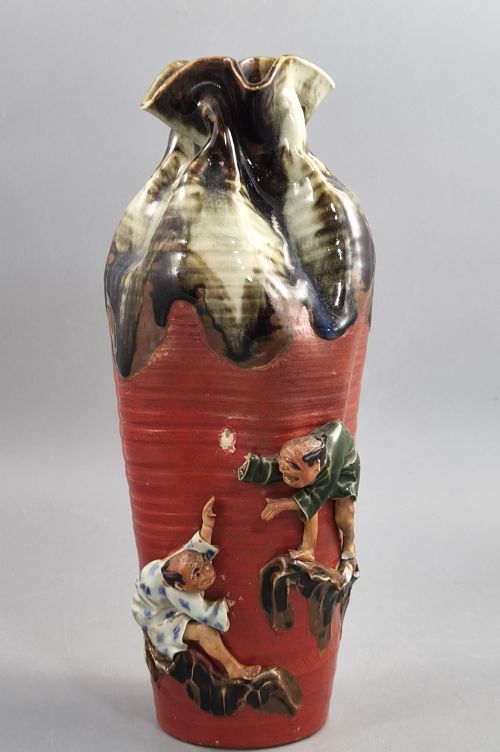
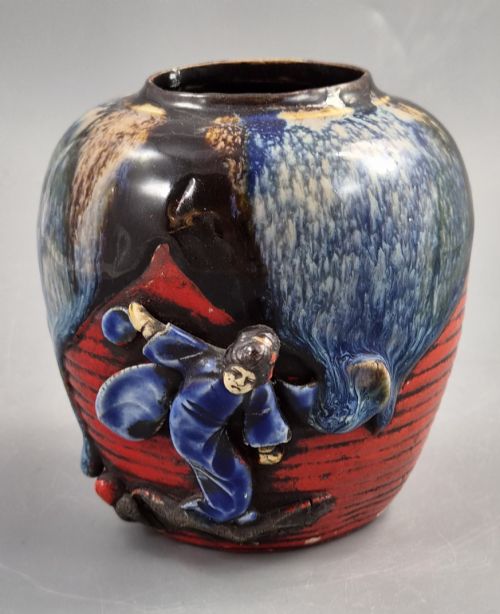
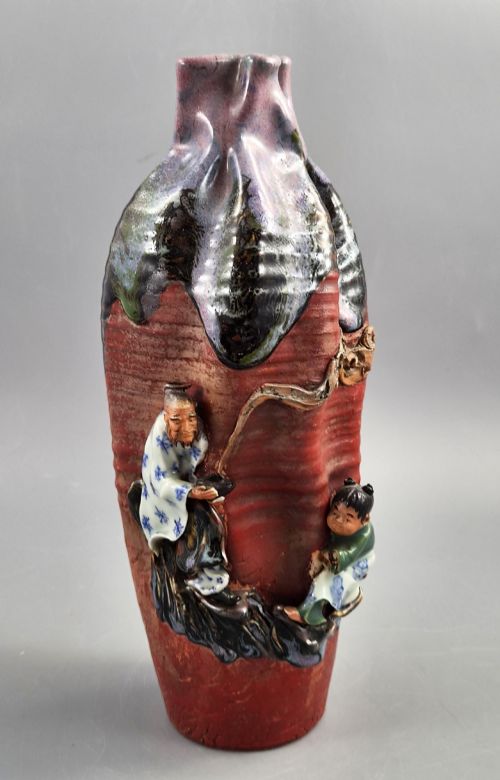
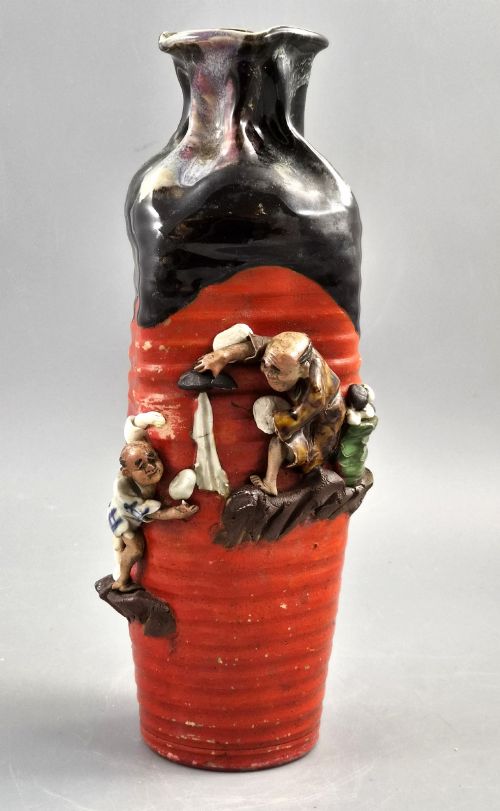
Certain pieces feature sculptural applied figures and textured surfaces characteristic of Sumida Gawa pottery and traditional kiln methods.
Red Ceramic Vase Retail Price Guide 2026
Typical asking prices for red ceramic vase among the pieces listed under this phrase on Sellingantiques today, from the lower quarter to the upper quarter. They describe what is for sale here now, not the wider market.
Listings feature pieces spanning the eighteenth, nineteenth, and twentieth centuries, including Edwardian art pottery and Meiji period ceramics.
What varies in quality
Artistic execution and painting precision separate standard production items from masterworks bearing signatures or specific workshop attributions.
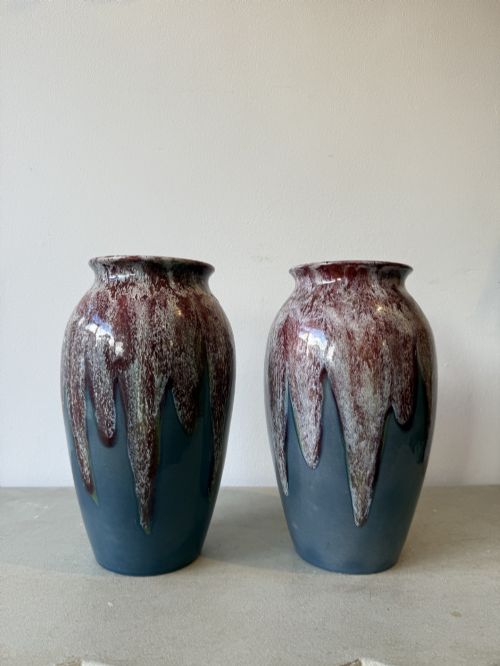
The depth and consistency of the glaze, whether flambe, copper-red, or enamel, dictate the visual impact of the vessel.
Complexity of form, such as sculpted figures or reticulated work, distinguishes finer output.
Minton Secessionist·Inoue Ryosai·Royal Worcester·Moorcroft Flamminian
The Red Ceramic Vase Glossary
- Imari
- A traditional style of Japanese export porcelain characterised by rich underglaze blue and iron-red designs, often highlighted with gold.
- Flambe glaze
- A varied, streaky glaze produced in high-temperature kilns, creating dynamic shifts in colour across the ceramic surface.
- Earthenware
- Porous pottery fired at lower temperatures, commonly used for decorative vessels and glazed jugs before the widespread adoption of stoneware.
- Meiji Period
- An era in Japanese history spanning from 1868 to 1912 noted for exceptional ceramic artistry and export wares.
- Porcelain
- A dense, vitrified ceramic material fired at high temperatures, valued for its fine white body and resonance when struck.
Red Ceramic Vase: Frequently Asked Questions
What is a red ceramic vase?
A red ceramic vase is a decorative or functional vessel shaped from clay and finished with red glazes, enamels, or iron-red pigments. These items span various historical periods and international pottery traditions.
Examples range from Japanese Imari and Sumida Gawa wares to European art pottery and English earthenware creations.
How are different periods identified?
Periods are determined through specific stylistic traits, glaze compositions, and manufacturing signatures recorded on the base or body. Japanese pieces frequently align with imperial eras and specific regional potteries.
European works often display factory marks or designer stamps characteristic of early twentieth-century art pottery movements.
Where were these pieces made?
These pieces originated in diverse global kilns, with a strong representation from Japanese pottery centres such as Arita and Kutani. European examples reflect manufacturing traditions in England and France.
Export networks distributed these distinct ceramic styles widely across international markets during the nineteenth and twentieth centuries.
How do I display a floor vase?
Large floor-standing vases suit open entrance halls or prominent corners where their height and form remain unobstructed. Placing them away from heavy foot traffic protects the ceramic body and glaze.
Pairing them with neutral backgrounds allows the rich red tones and detailed surface work to stand out.