






Red Blue Japanese Ceramics
These red blue japanese ceramics bring rich pigment and bold pattern to a room, drawing the eye instantly to centuries of ceramic skill.
Red Blue Japanese Ceramics
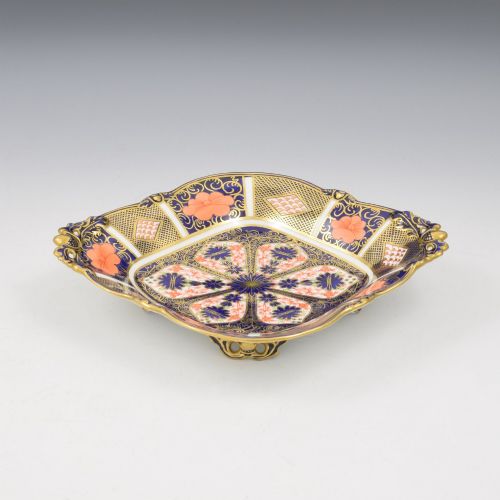
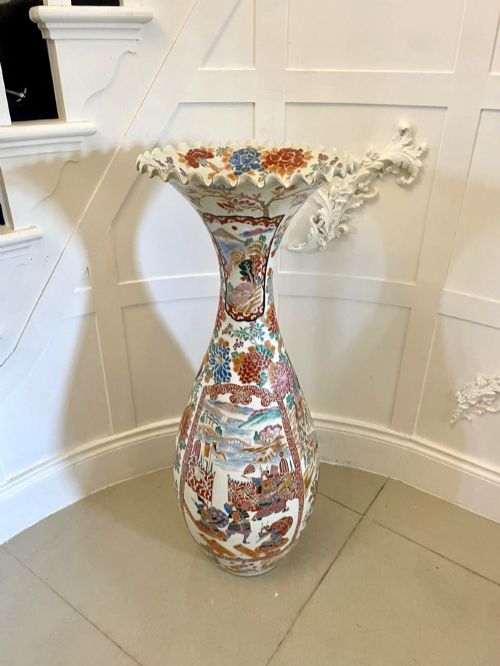
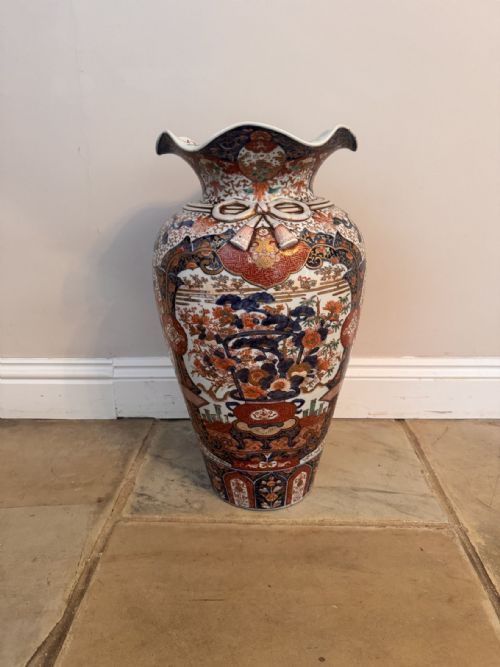
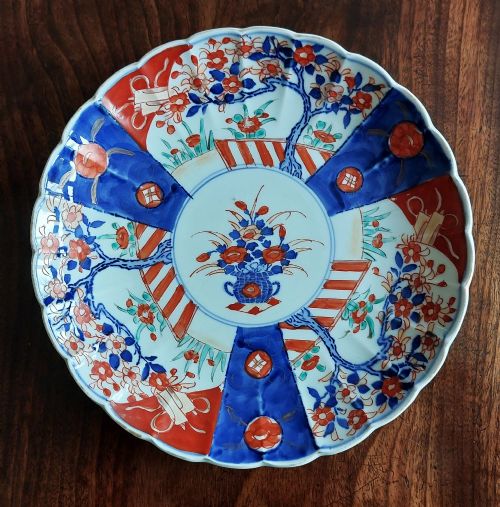
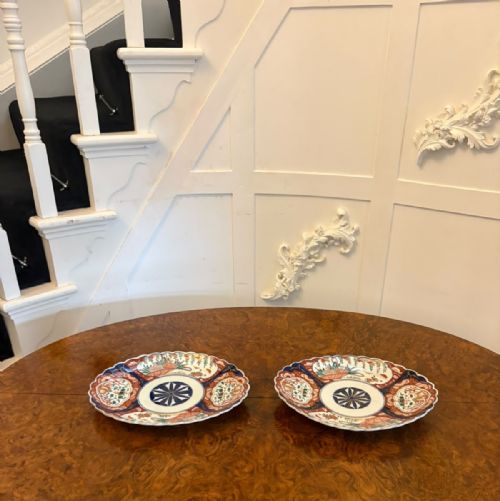
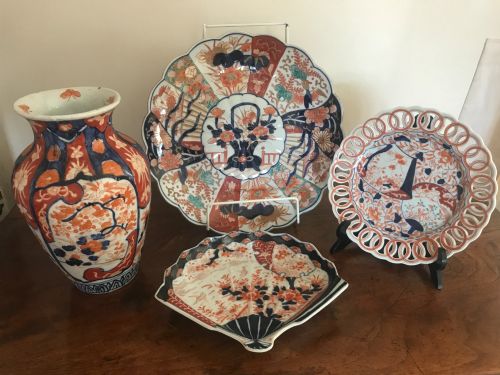
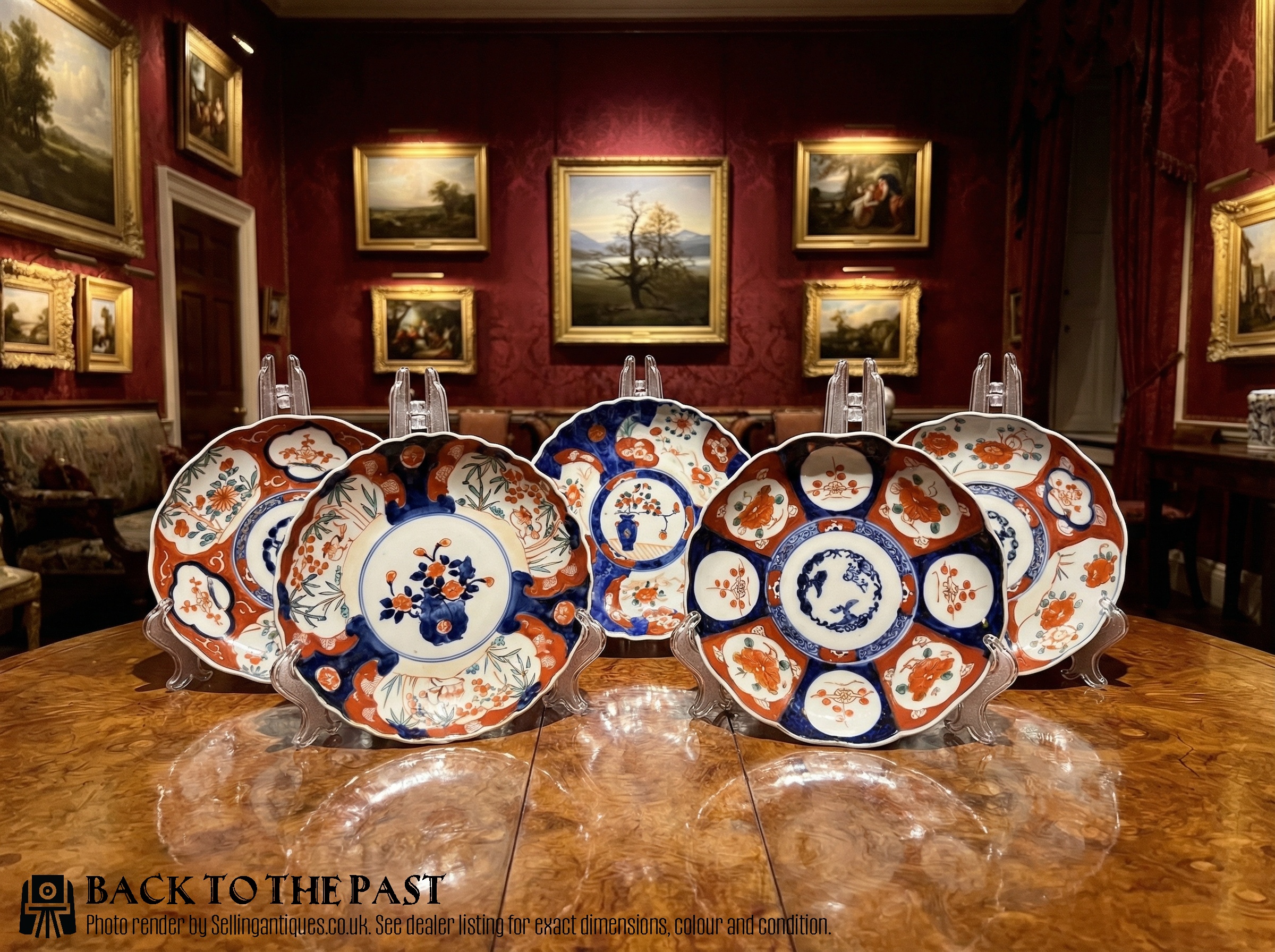
Red blue japanese ceramics encompass a striking range of vessels and display pieces created across the nineteenth and early twentieth centuries. When exploring this selection, collectors routinely encounter Japanese Imari plates, chargers, bowls, and floor standing vases originating from the Meiji period.
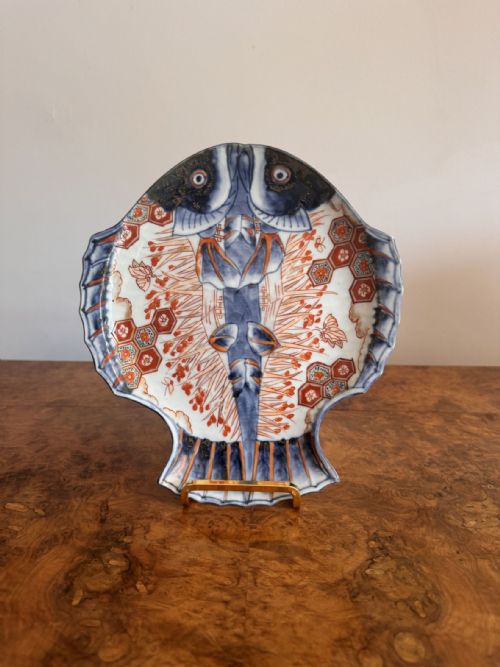
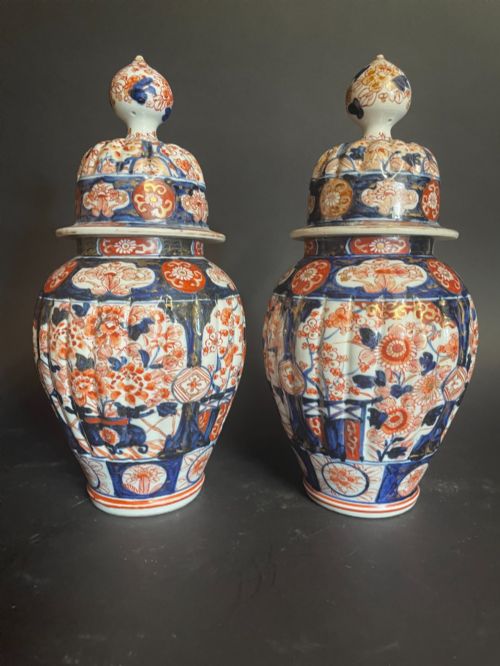
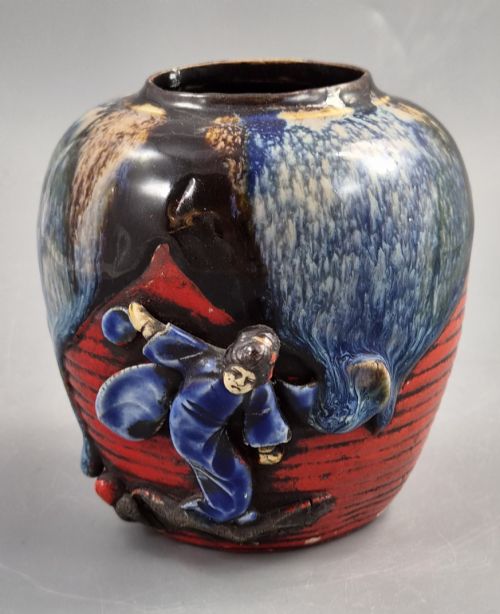
The inventory on this page also highlights specialised forms such as fish shaped dishes, hexagonal plates, jars and covers, alongside unique expressions like Sumida Gawa vases featuring blue flambé glaze. These items span traditional Edo origins through to the Taisho and Showa eras, reflecting diverse decorative needs for domestic display.
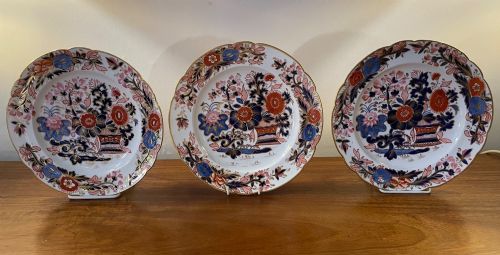
Beyond standard Japanese output, the selection occasionally includes related European interpretations such as English Staffordshire plates finished in the traditional Imari palette. Each piece serves as both a functional vessel and a decorative statement rooted in historic ceramic traditions.
Materials and Techniques
Potters constructed these pieces primarily from fine porcelain and earthenware, shaping them into elaborate forms like scalloped bowls, oval dishes, and substantial floor vases. Artisans then applied cobalt underglaze to achieve deep, lasting blue tones before adding contrasting iron red and supplementary pigments.
Many items incorporate highlights of gold leaf and intricate gilding over the glaze to catch the light and accentuate the painted motifs. Master craftsmen also utilised specialised glazes, such as the dramatic blue flambé seen on later sculptural pieces, to create varied surface textures.
Potters occasionally stepped away from standard round plates to craft vessels shaped precisely like swimming fish.
Distinguishing Quality Levels
The distinction between standard domestic wares and superior examples rests in the crispness of the hand-painted detailing and the depth of the cobalt underglaze. Master artisans achieved cleaner lines and more vivid contrasts between the iron red, blue, and gilt elements on the most accomplished chargers and vases.
Form and complexity further separate the tiers, as demonstrated by unusual shapes like fish, square silhouettes, or heavy floor standing vessels compared to standard round plates. The density of the porcelain body and the precision of the glazed finish also indicate the skill level of the original workshop.
The Red Blue Japanese Ceramics Glossary
- Imari
- A style of Japanese porcelain decorated in underglaze blue, iron red, and gold, named after the port from which it was shipped to Europe. This distinctive palette defines the vast majority of pieces found in this category.
- Charger
- A large decorative plate intended for display on a sideboard or wall rather than for dining. These substantial pieces often showcase the most elaborate painted compositions.
- Meiji Period
- The era in Japanese history spanning from 1868 to 1912, marked by opening trade with the West and a surge in export ceramics. Many of the finest decorative plates and vases date from this dynamic period.
- Cobalt Underglaze
- A blue pigment applied to the raw clay body before firing and glazing, ensuring the colour remains permanent and sharp beneath a glassy protective layer. It forms the structural foundation of the blue and red design scheme.
- Flambé Glaze
- A richly streaked or mottled metallic glaze that chemical reactions during firing render unpredictable and visually arresting. It produces dramatic tonal variations across the surface of the vessel.
Red Blue Japanese Ceramics: Frequently Asked Questions
What are red blue japanese ceramics?
These items are traditional decorative wares originating primarily from Japan during the nineteenth and early twentieth centuries. They combine vibrant iron red and cobalt blue pigments, frequently enhanced with gilding.
Collectors find them shaped into plates, bowls, chargers, and large vases that display intricate floral or avian motifs.
How were these decorative pieces used?
Historically, these ceramics served both functional household roles and as ornamental display objects for wealthy interiors. Chargers and large plates were stood on plate racks or hung on walls to showcase exotic craftsmanship.
Vases and jars functioned as centrepieces in reception rooms, holding dried botanicals or simply standing alone as sculptural art.
How do I display them at home?
Due to their bold colour palettes, these ceramics suit placement against neutral walls or dark wooden sideboards where the red and blue pigments can stand out. Secure plate hangers or dedicated stands ensure larger chargers and bowls remain stable during display.
Grouping items of varying heights, such as pairing a low scalloped dish with a tall floor vase, creates a balanced visual arrangement.
How do I tell periods apart?
Differentiating periods relies on observing stylistic shifts, ceramic body thickness, and the complexity of the painted enamel work. Earlier pieces often display simpler underglaze cobalt with sparing red highlights, while Meiji period items typically feature denser, more colourful decoration.
Later Taisho and Showa examples introduce heavier glazes and sculptural modelling, moving away from flat painted surfaces.