



Red Afghan Tribal Rug
When you select a red afghan tribal rug, you acquire a hand-knotted piece of nomadic heritage shaped by generations of regional weavers.
Red Afghan Tribal Rug
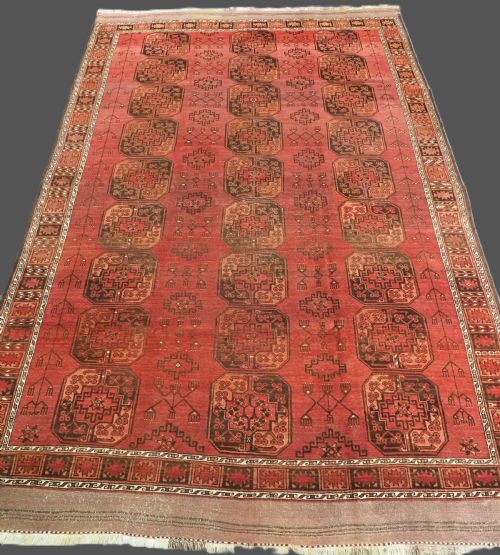
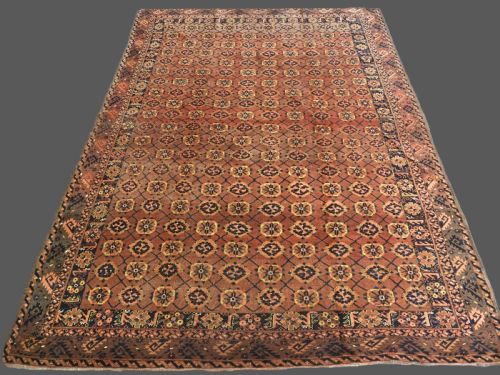
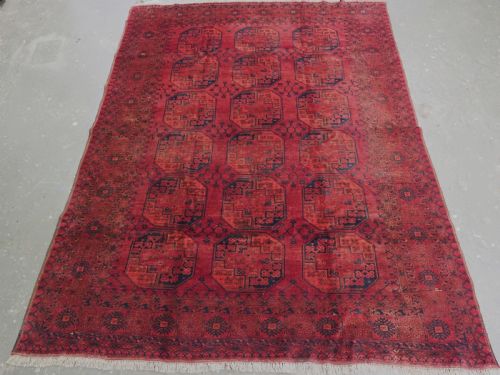
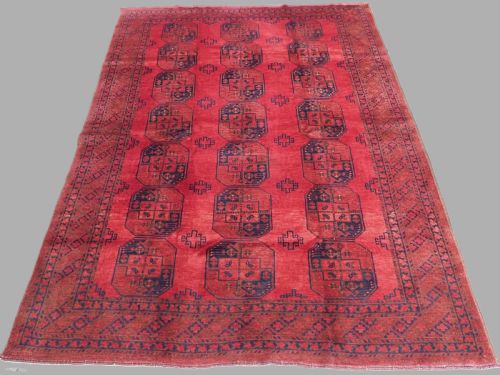
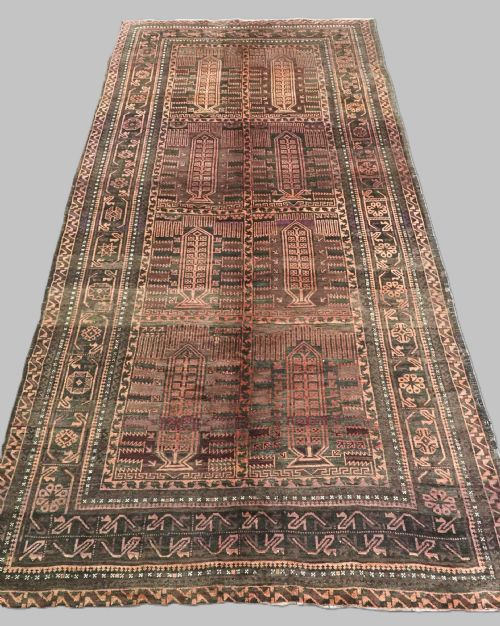
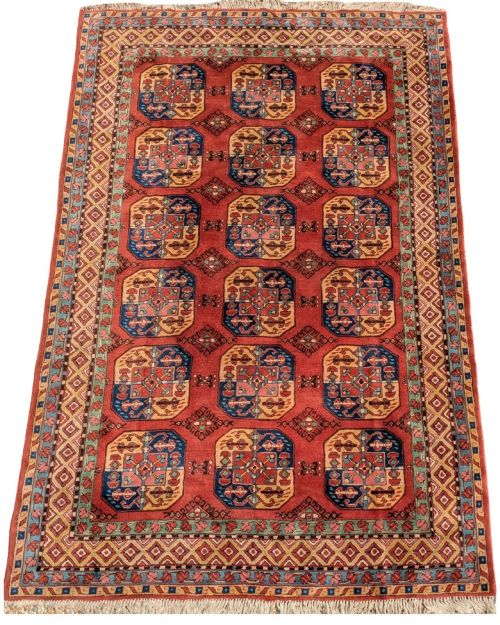
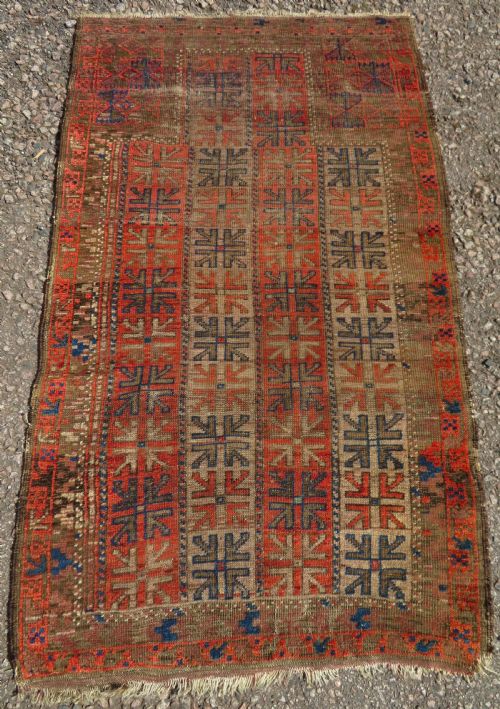
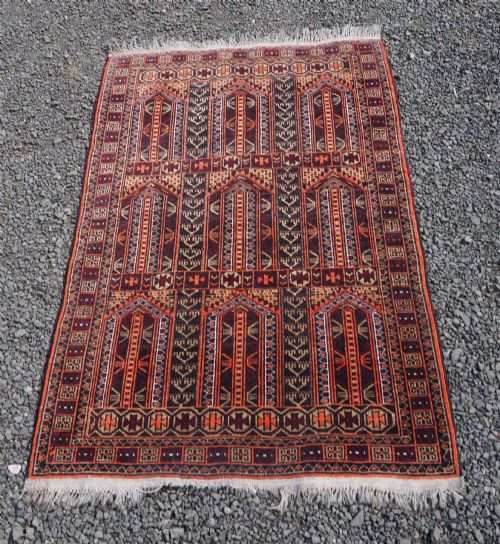
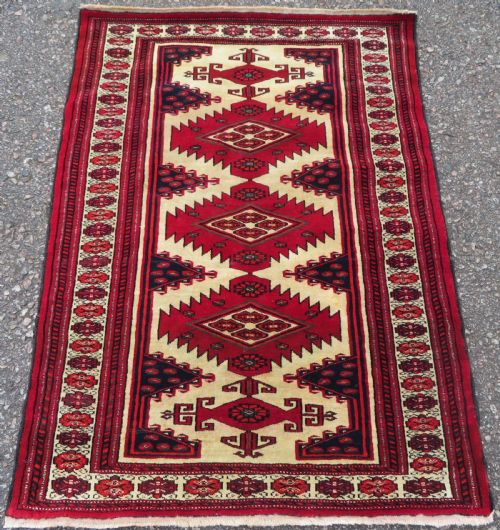
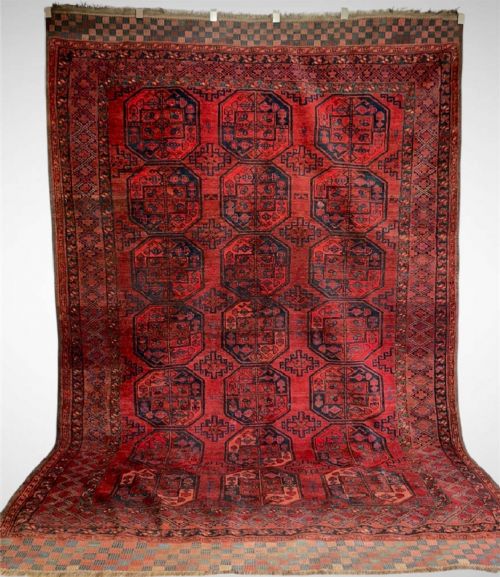
A red afghan tribal rug encompasses various formats produced across the region, including village carpets, runner rugs, and specialised formats like prayer rugs and eating cloths. The items found here frequently display traditional Turkmen, Baluch, or Ersari designs rooted in nineteenth and early twentieth-century village production.
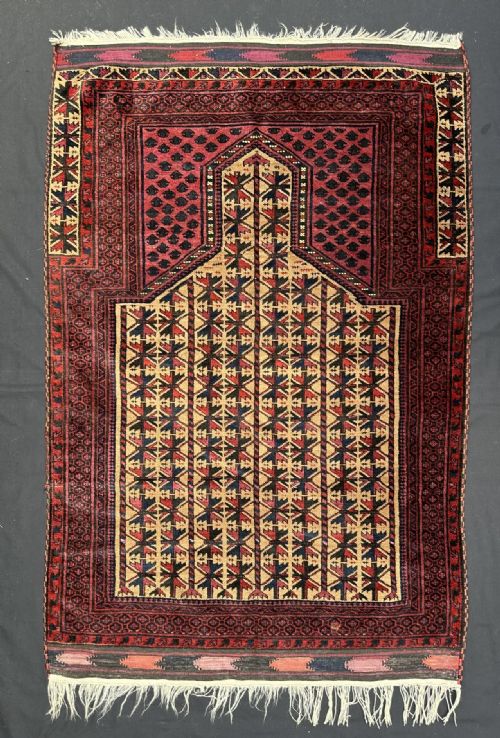
The visual vocabulary relies heavily on warm red hues, deep madder tones, and repetitive geometric motifs such as gul octagons, prayer mihrabs, and border panels. Pieces often emerge from specific tribal groups including the Timuri, Kizil Ayak, and Taimani working within the borderlands of Afghanistan and neighbouring regions.
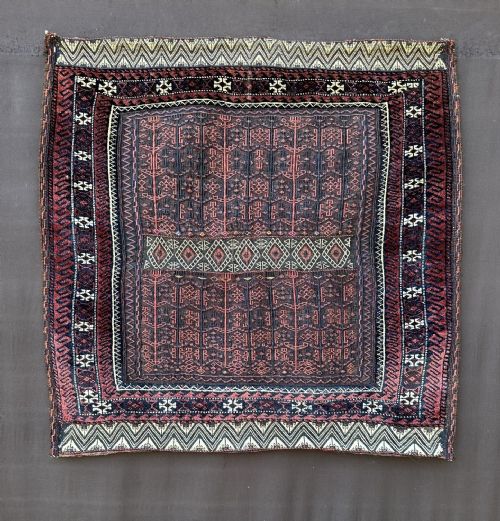
Beyond standard floor coverings, collectors encounter utilitarian textiles such as storage bags, flatwoven kilims, and sophreh cloths designed for domestic use. These varied forms reflect the practical needs of tribal life alongside the decorative traditions passed down through families.
Materials and Construction
Makers utilised locally sourced wool, hand-spun wool, and occasionally cotton or goat hair for foundations and pile construction. These natural fibres were knotted by hand on vertical or horizontal looms, resulting in dense structures meant to withstand heavy domestic wear.
Colour palettes were achieved using natural dyes derived from plants and minerals, yielding the characteristic warm red tones seen across these carpets. Supplementary fibres like horsehair sometimes appear in specific structural elements or braided edges.
The listings span production dates from the late nineteenth century through the early twentieth century, utilising wool, natural dyes, and cotton.
Assessing Craftsmanship
Quality in these textiles depends heavily on the fineness of the knotting, the stability of the wool foundation, and the complexity of the design layout. Tighter knots and well-balanced geometric compositions indicate greater artisan skill during production.
The depth and consistency of natural dye colours also influence the overall character of a piece, with even patination and rich madder saturation marking superior examples. Structural integrity, including intact kilim ends and selvedges, further distinguishes better-preserved specimens.
The Red Afghan Tribal Rug Glossary
- Mihrab
- A niche design element indicating the direction of prayer, frequently seen on rugs intended for devotional use.
- Gul
- A repeating medallion or octagonal motif characteristic of Turkmen and other Central Asian tribal carpets.
- Sofreh
- A woven cloth traditionally used for serving meals or preparing dough within nomadic households.
- Kilim
- A flatwoven textile lacking a knotted pile, often utilised for ends or standalone covers.
- Madder
- A natural red dye derived from plant roots, providing the foundational warm colour across these rugs.
Red Afghan Tribal Rug: Frequently Asked Questions
What is a tribal prayer rug?
A prayer rug is a smaller format textile featuring a distinctive architectural niche known as a mihrab. Weavers designed these pieces for personal devotion, often incorporating regional motifs unique to their specific tribe.
Such rugs were easily rolled and transported, serving spiritual needs across nomadic and village communities alike.
How are different tribal designs identified?
Design attribution relies on specific geometric structures, border arrangements, and characteristic medallion shapes like the gul. Turkmen groups often utilised large octagonal motifs, whereas Baluch weavers favoured intricate prayer formats and darker palettes.
Comparing these structural details against known regional markers helps clarify origin.
What materials make up these carpets?
The primary material is sheep wool, frequently hand-spun and dyed using natural plant and mineral substances. Foundations often incorporate wool, cotton, or goat hair to provide structural stability for the knotted pile.
These organic components contribute to the durable nature of historical nomadic textiles.
Where were these textiles produced?
Production took place across villages and nomadic camps within Afghanistan and adjacent borderlands of Persia and Central Asia. Different tribal confederations occupied specific territories, imparting distinct local aesthetics to their weavings.
This regional diversity explains the broad variety of styles found within the category.