


Qing Dynasty Famille Rose
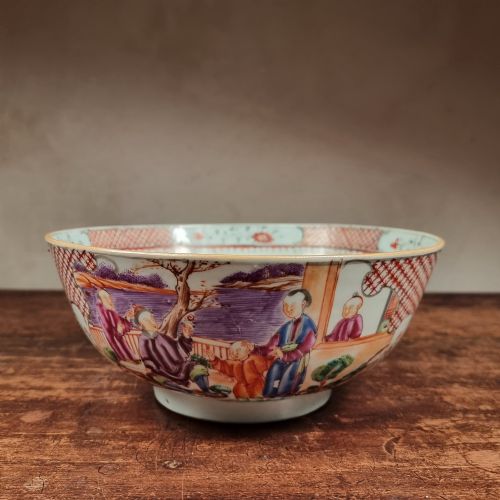
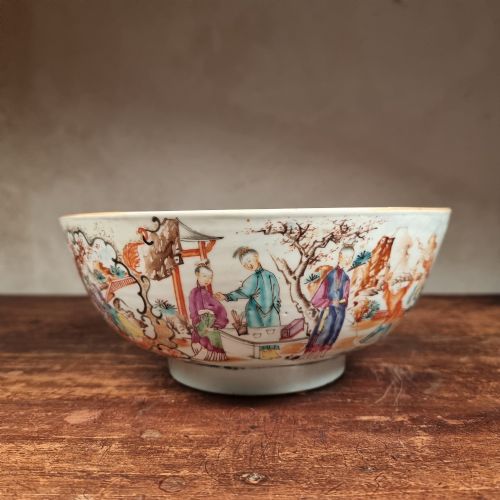
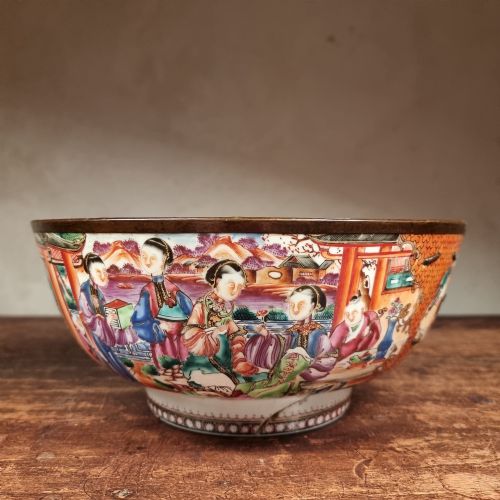
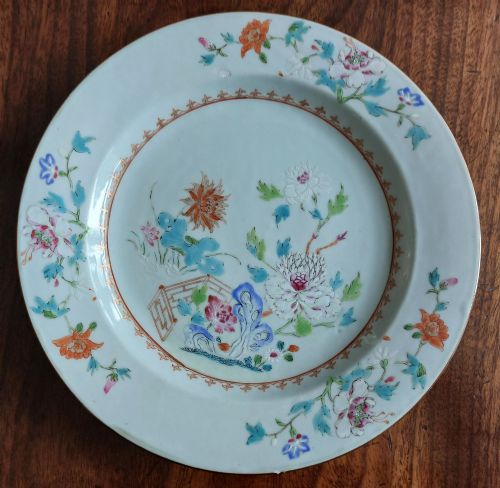
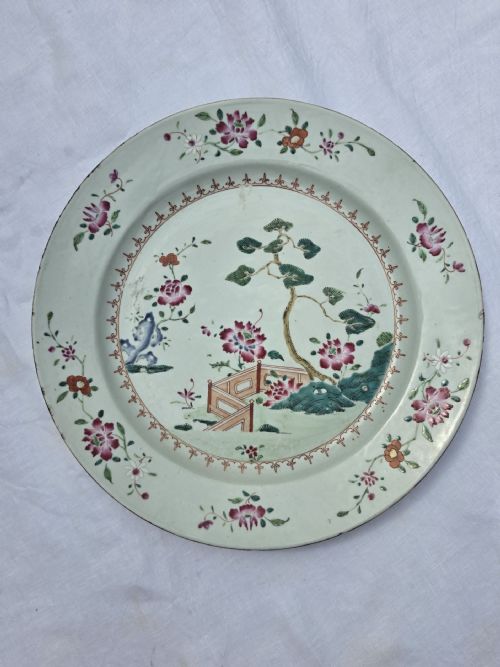
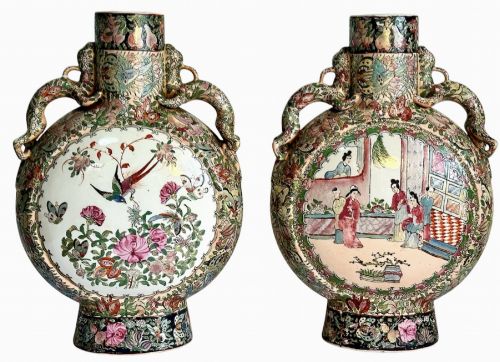
Qing dynasty famille rose pieces are porcelain and enamel creations offering vibrant colour and intricate detail that collectors prize for their traditional artistry.
What qing dynasty famille rose pieces are
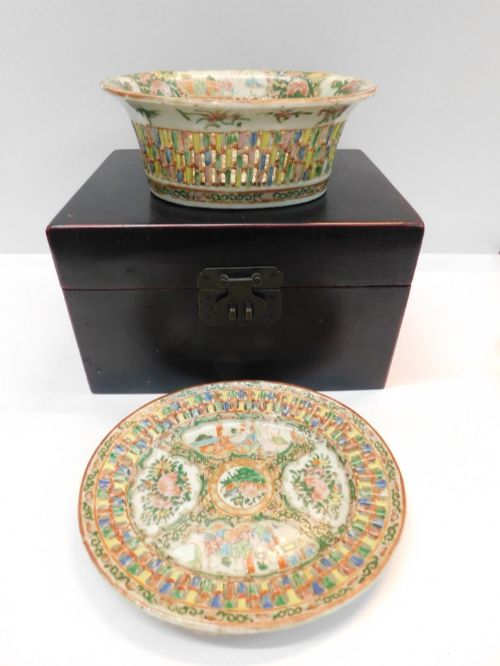
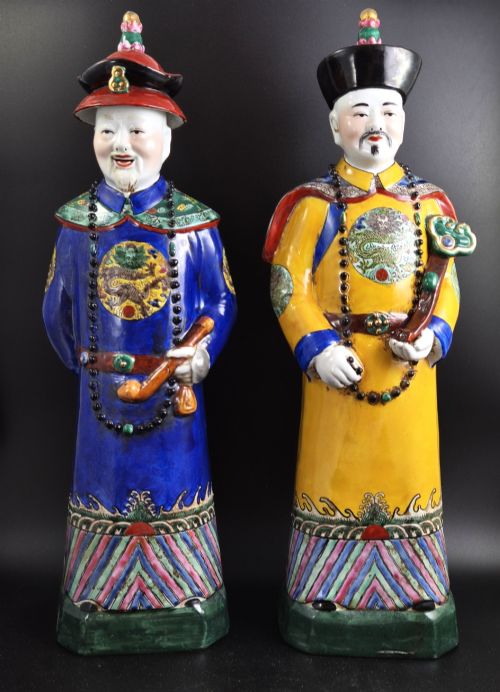
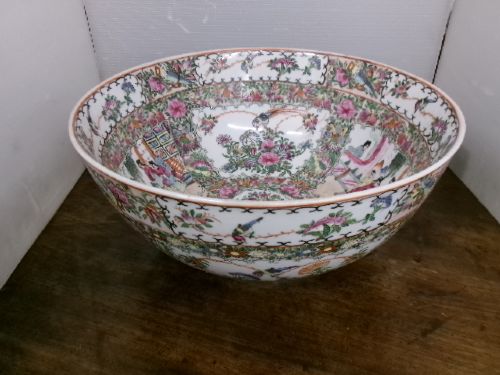
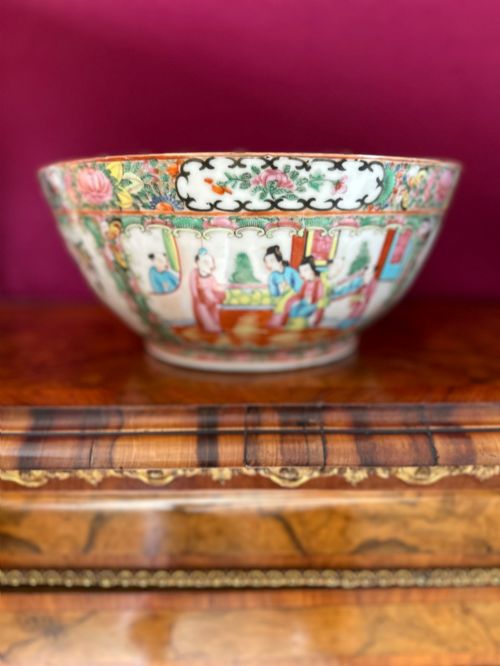
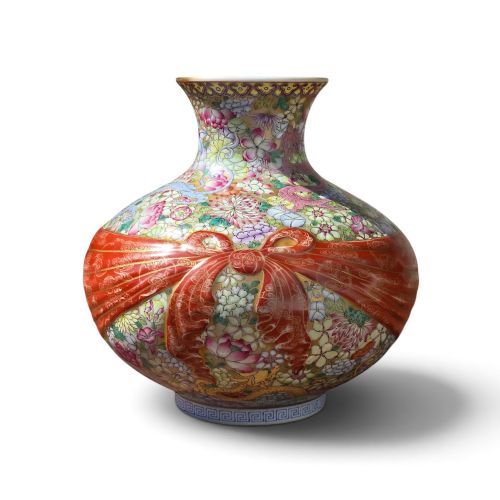
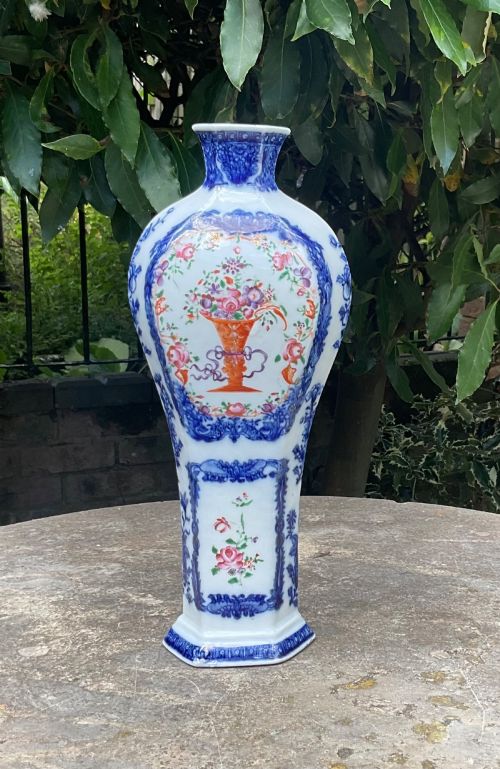
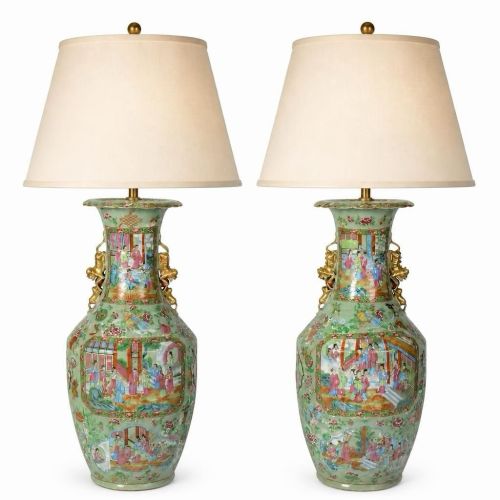
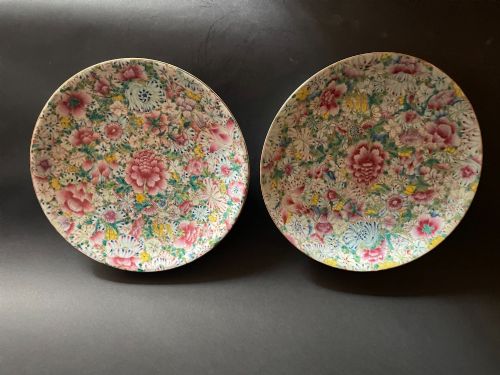
When you search for qing dynasty famille rose, you encounter items spanning the nineteenth century, including bowls, plates, lamps, and vases. These objects range from Chinese export pieces to lobbed rectangular bowls and decorative vessels featuring traditional motifs.
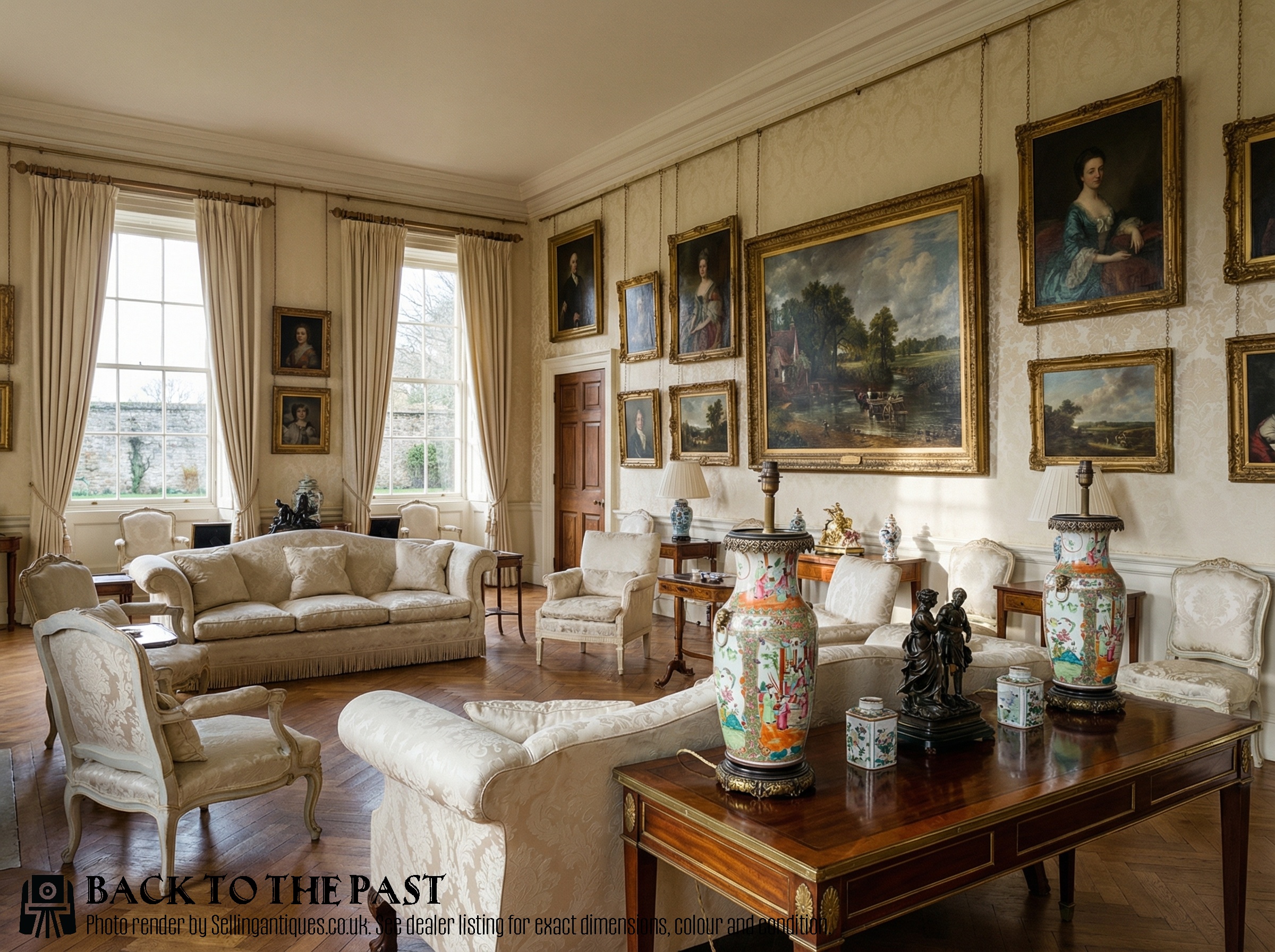
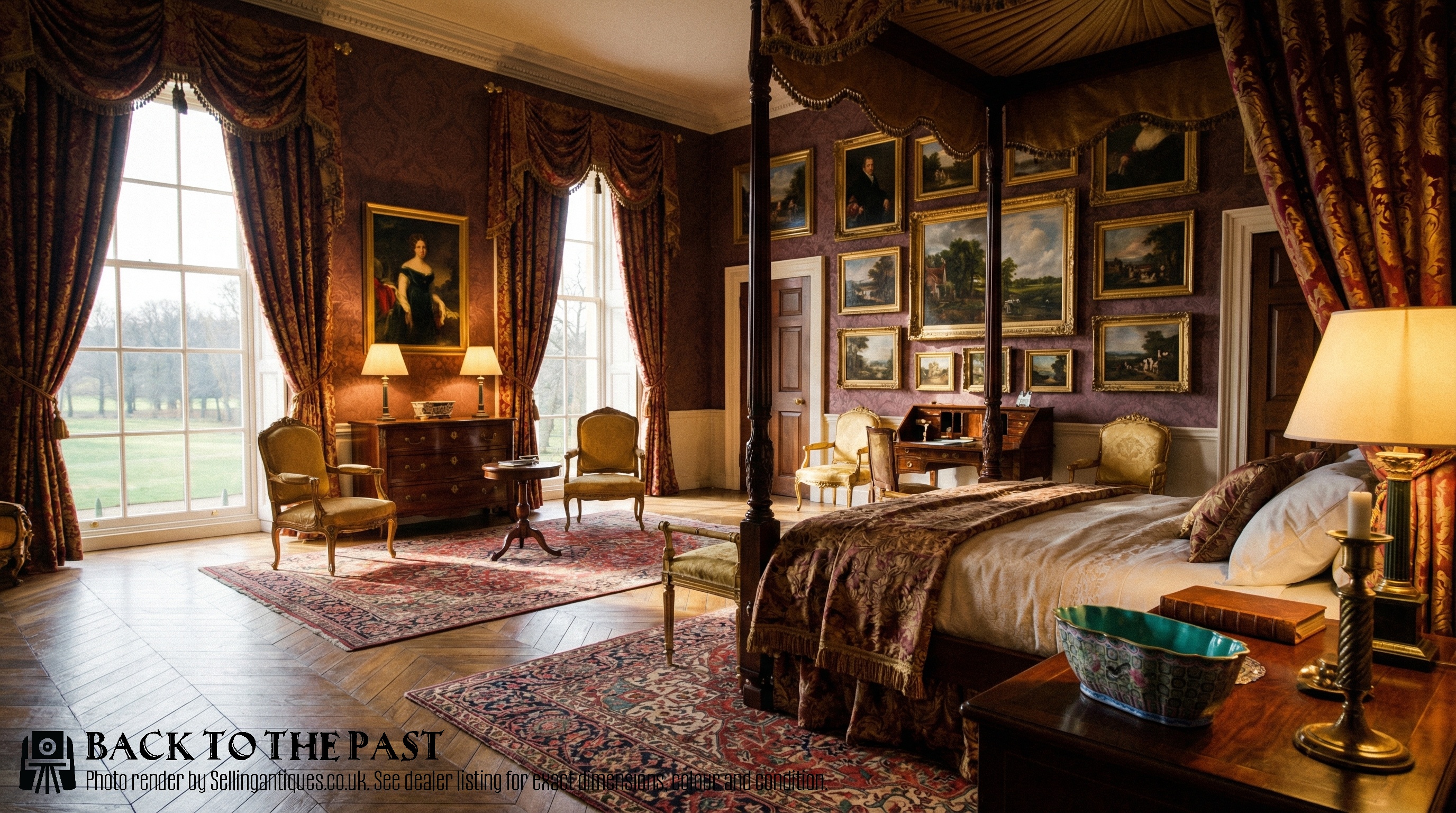
The nineteenth-century examples on this page demonstrate the enduring appeal of painted ceramic forms. Buyers frequently meet decorative bowls and table lamps that bring historic ceramic art into domestic interiors.
How they were made
Artisans built these items using porcelain as the primary base material, applying enamel paints to create detailed surfaces. Additional elements include gold leaf, brass, wood, and gilt accents that complement the ceramic bodies.
The manufacturing process combined traditional pottery techniques with careful enamel painting. Makers utilised these durable materials to produce decorative tableware and fitted lighting fixtures.
Listings feature porcelain, enamel, gold leaf, brass, wood, and gilt materials applied to nineteenth-century decorative bowls and table lamps.
What varies in quality
Quality differences stem from the precision of the enamel work and the refinement of the porcelain body. Superior examples display controlled brushwork and harmonious colour application across the entire surface.
The execution of specific motifs and the integration of secondary materials like gold leaf or brass mounts distinguish standard production from exceptional pieces. Artisanal care in the painting directly influences the visual impact.
The Qing Dynasty Famille Rose Glossary
- Famille rose
- A palette of opaque enamel colours dominated by pink, introduced to Chinese ceramics during the Qing dynasty. This technique allowed artists to achieve subtle tonal gradations and complex pictorial scenes.
- Porcelain
- A hard, fine-grained ceramic material fired at high temperatures to achieve vitrification. It provides a smooth white ground ideally suited for detailed enamel painting.
- Qing dynasty
- The final imperial dynasty of China, lasting from the seventeenth to the early twentieth century. Objects from this period reflect established imperial tastes and export demands.
- Gilt
- A thin layer of gold applied to surfaces such as wood or metal mountings. This technique adds decorative emphasis to lamps and vessel trims.
- Chinese export
- Goods manufactured in China specifically for overseas markets in Europe and America. These pieces often adapt traditional motifs to suit foreign interior preferences.
Frequently Asked Questions
What is famille rose porcelain?
Famille rose porcelain is ceramic ware decorated with opaque enamel colours where pink predominates. The palette arrived during the Qing dynasty and enabled artists to paint complex floral and figurative scenes.
Artisans applied these pigments over a fired porcelain glaze before firing the piece again at a lower temperature to fix the colours.
How are these pieces used today?
Collectors display these items as decorative bowls, plates, and vases within domestic settings. Some nineteenth-century vessels have been adapted into table lamps for functional home lighting.
These objects serve as focal points in room schemes, combining historic ceramic artistry with interior utility.
How do I date nineteenth-century items?
Dating relies on stylistic markers, material analysis, and recorded manufacturing periods from the nineteenth century. Details such as potting style and enamel composition help place pieces within this era.
Comparing specific forms like lobbed rectangular bowls or standard vases against archive records provides further context for their age.
What motifs appear on these ceramics?
Common decorative subjects include natural elements such as pheasants and peonies painted in vibrant enamels. These traditional Chinese motifs carried specific symbolic meanings relating to wealth and honour.
Export pieces sometimes combined these native designs with shapes tailored for international buyers.