

Qing Dynasty Export Painting
These pieces of qing dynasty export painting capture trade and court aesthetics from the eighteenth and nineteenth centuries.
Qing Dynasty Export Painting
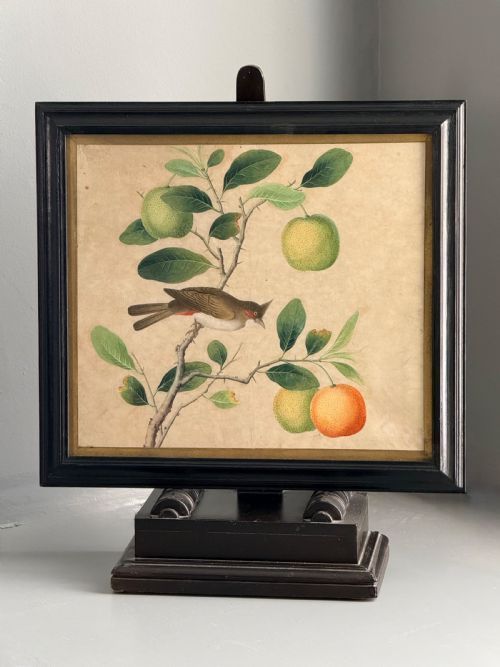
When you search for qing dynasty export painting, you encounter works produced in China for Western markets during the eighteenth and nineteenth centuries. These items record maritime subjects, figures, and botanical studies tailored for European and American buyers.
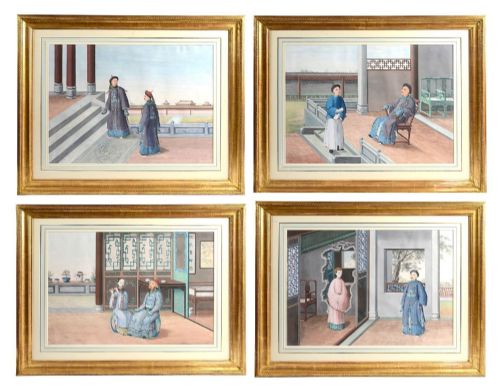
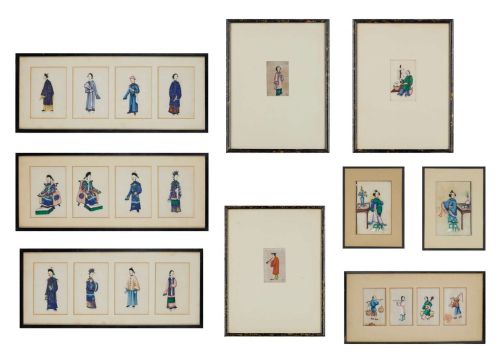
Pith paper paintings form a prominent category on this page, often found in framed groups depicting junks, ships, or domestic scenes. Gouache and watercolour on this delicate vegetable medium display bright pigments applied with fine brushes.
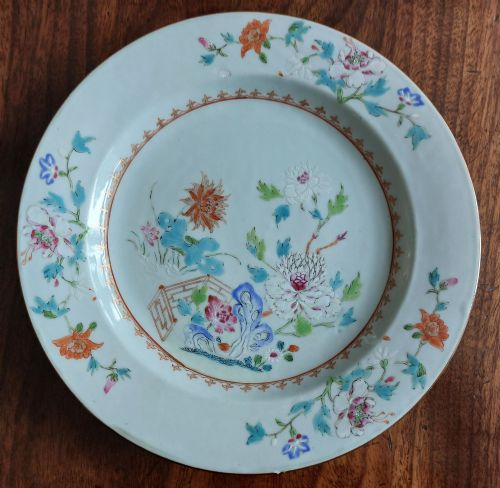
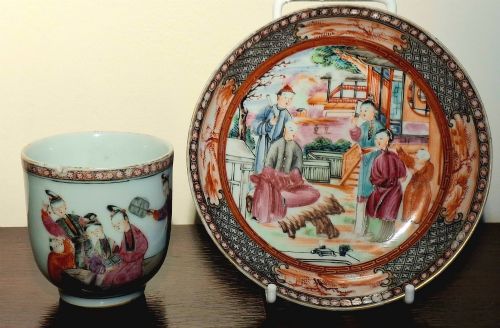
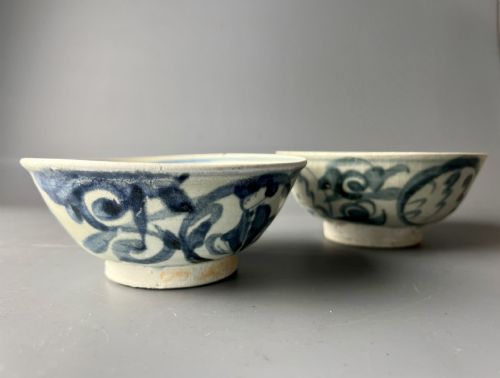
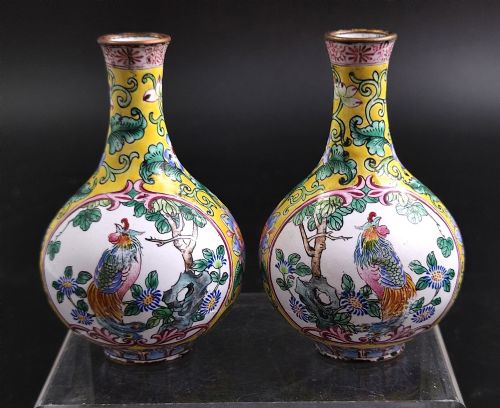
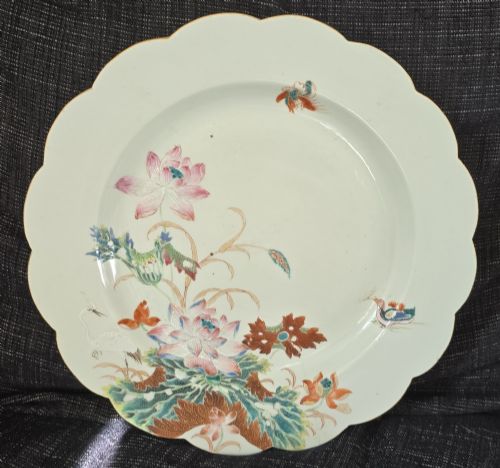
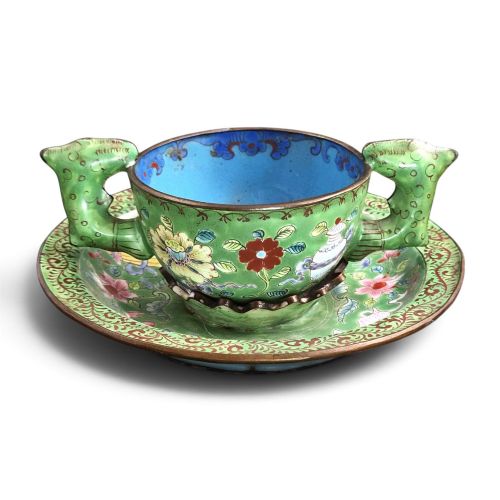
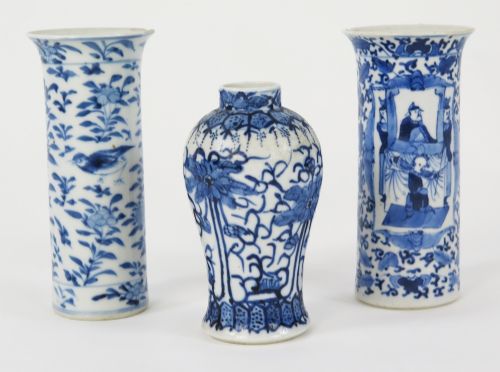
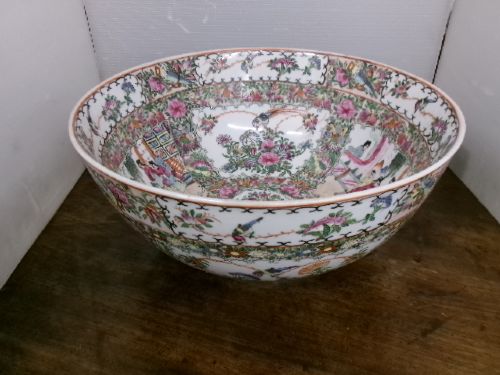
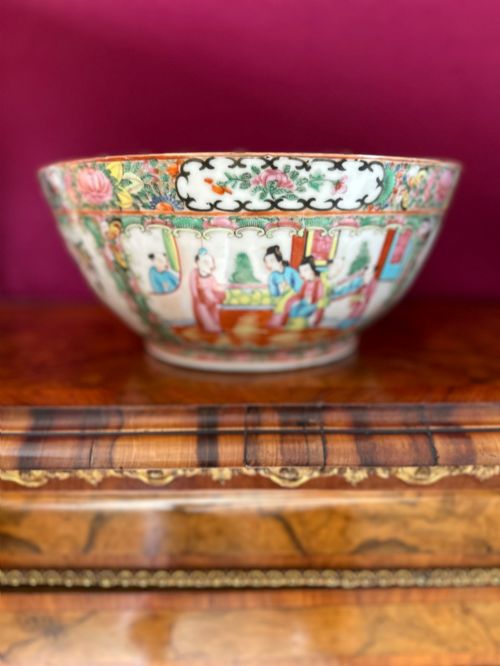
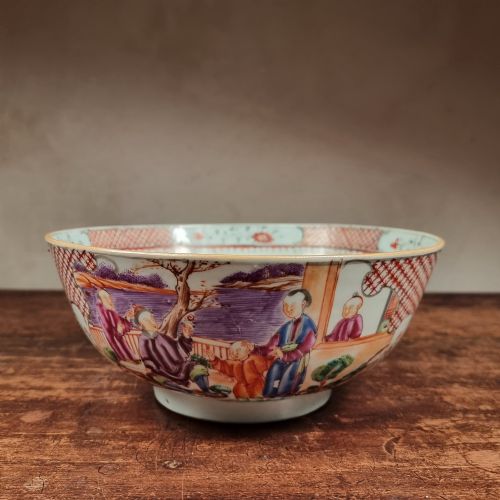
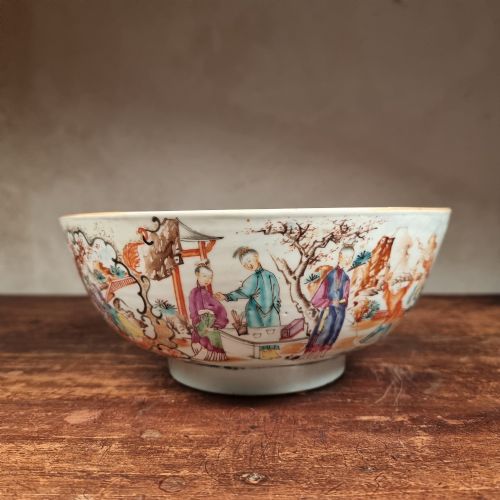
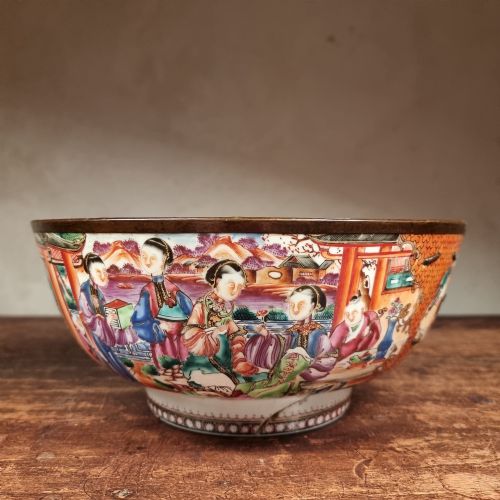
Framed artwork and wall art sit alongside decorative dishes and porcelain vessels that share similar decorative vocabulary. The visual overlap between ceramics and painted works reflects the unified aesthetic of the period workshops.
How they were made
Artists utilised gouache and watercolour paints on prepared sheets of pith paper, a spongy material sliced from the pith of the Tetrapanax papyrifer plant. This absorbent medium holds vibrant mineral and organic pigments without cracking if handled correctly.
Porcelain items incorporated enamel decoration, often in famille rose or famille verte palettes applied over or under the glaze. Workshops in Jingdezhen and Canton fired these pieces at high temperatures before adding detailed hand-painted overglaze enamels.
Listings span the eighteenth and nineteenth centuries, featuring gouache on pith paper alongside porcelain plates, bowls, and vases.
What varies in quality
The refinement of the brushwork distinguishes standard workshop production from works intended for imperial or high-status export markets. Fine shading, precise line work, and well-preserved pigments indicate superior skill by the painter.
The condition of the pith paper substrate heavily influences the overall standard of a painting. Intact margins, stable pigments, and minimal foxing separate well-preserved examples from those degraded by light or moisture.
The Qing Dynasty Export Painting Glossary
- Pith paper
- A delicate material formed from the spongy pith of the Tetrapanax papyrifer plant. Artists painted intricate watercolours and gouaches upon these thin sheets for the export trade.
- Famille rose
- A palette of opaque enamels dominated by pink or rose colours, introduced during the Qing dynasty. This palette decorated both porcelain vessels and related export wares.
- Gouache
- An opaque watercolour paint composed of pigment mixed with a water-binding agent and inert white material. It provides the dense, flat colour fields seen in trade paintings.
- Export painting
- Artworks created in China specifically for foreign merchants and overseas markets. These compositions frequently blended traditional Chinese techniques with Western perspective.
Qing Dynasty Export Painting: Frequently Asked Questions
What is pith paper painting?
Pith paper paintings are delicate watercolours and gouaches executed on sheets sliced from the pith of a Chinese plant. Artists in treaty ports produced these works in quantities for foreign visitors.
The resulting surfaces absorb pigments deeply, producing a velvety texture that differs from European paper. They require careful framing behind glass to prevent atmospheric damage.
How do I care for pith paper?
Pith paper requires protection from direct sunlight and high humidity to prevent the colours from fading and the substrate from becoming brittle. UV-filtering glass helps preserve the organic pigments used in these works.
Keep framed pieces away from fluctuating temperatures near heat sources. Professional framing with acid-free mounts ensures the fragile paper remains uncompressed.
How do I date these paintings?
Dating relies upon costume details, subject matter, shipping types, and stylistic conventions associated with eighteenth and nineteenth-century production. Maritime scenes often correspond to specific decades of trade activity.
Paper quality and mounting styles also provide clues to the era of creation. Comparative examples help place undated works within the broader Qing dynasty timeline.
Were these made for export?
These works were produced specifically for foreign merchants, diplomats, and travellers visiting Chinese ports such as Canton. The subjects were chosen to appeal to Western tastes and curiosity.
Many depict local trades, punishments, flora, fauna, and shipping vessels. This trade satisfied European demand for exotic imagery before photography became widespread.