


Qing Dynasty Pith Artwork
Qing dynasty pith artwork comprises fragile painted studies created for Western export, offering delicate colour and intricate detail.
Qing Dynasty Pith Artwork
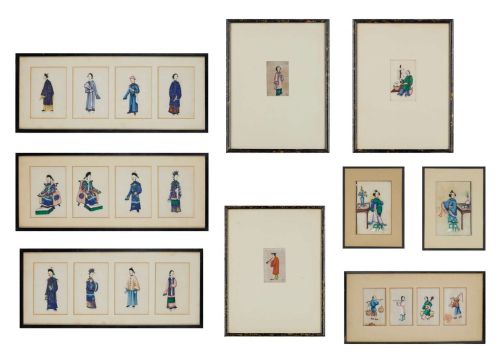
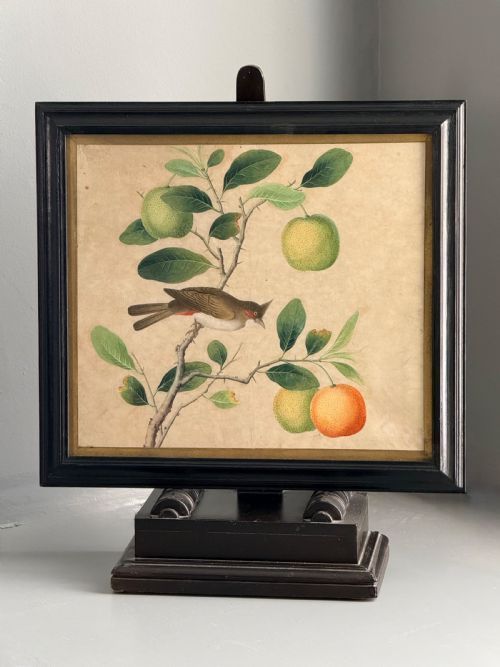
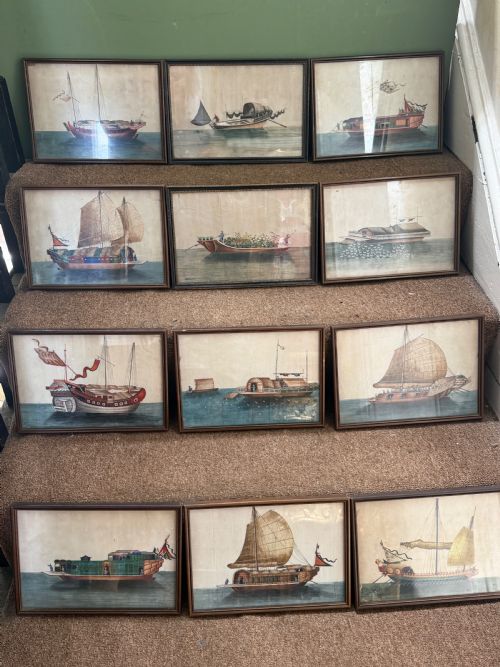
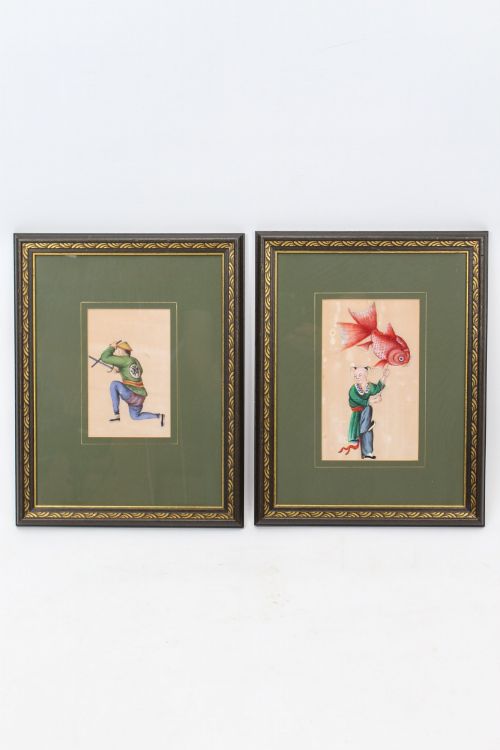
Qing dynasty pith artwork consists of delicate paintings produced primarily for the export market during the nineteenth century. These pieces record figures, junks, flora, and insects with remarkable precision.
Buyers frequently encounter framed sets depicting trades, court life, or maritime vessels. Single botanical and entomological studies also appear across the listings.
How they were made
Artisans applied vibrant gouache and watercolour pigments directly onto thin sheets of pith paper, traditionally misnamed rice paper. This spongy cellular material absorbs colour deeply, lending the painted surface a luminous, velvety depth.
Finished paintings were commonly mounted within ebonised wood frames or glass panel settings to protect the delicate substrate from moisture and physical damage.
Current listings feature nineteenth-century and Edwardian pieces created using gouache, watercolour, glass, and wood.
What varies in quality
Quality rests upon the fineness of the brushwork and the preservation of the pith paper itself. Superior examples display crisp botanical accuracy and rich, stable pigments without extensive flaking.
Complete sets featuring numerous intact sheets command greater attention than isolated fragments. The complexity of the subject matter, from simple floral studies to crowded figural processions, also shapes the character of each piece.
The Qing Dynasty Pith Artwork Glossary
- Pith paper
- A natural material sliced from the spongy pith of the Tetrapanax papyrifer plant. It possesses a unique cellular texture that accepts watercolour and gouache with exceptional brilliance.
- Gouache
- An opaque watercolour medium composed of ground pigments bound in water-soluble plant glue. It provides the dense, matte colour saturation seen on these export paintings.
- Chinese Export
- Art specifically produced in China during the Qing period for Western merchants and travellers. These works often blend traditional Eastern techniques with subjects tailored to European tastes.
- Ebonised wood
- Timber treated to resemble heavy, black ebony wood. It was frequently utilised for framing nineteenth-century works on paper to create a sharp, contrasting border.
Qing Dynasty Pith Artwork: Frequently Asked Questions
What is pith paper made from?
Pith paper is sliced from the pith of a specific shrub native to southern China, rather than pressed rice stalks. The internal cellular structure expands slightly when painted, creating a characteristic velvety surface.
This fragile plant material requires careful framing behind glass to prevent atmospheric damage and structural cracking over time.
How should these paintings be displayed?
These delicate works must be hung away from direct sunlight and high humidity to protect the water-based pigments and fragile pith substrate. Maintaining a stable indoor environment prevents the paper from becoming overly brittle.
Professional framing with UV-protective glass ensures the artwork remains secure while allowing clear visibility of the fine brushwork.
Why are they called export art?
Export art describes items manufactured in China specifically to satisfy European and American demand during the Qing dynasty. Subjects often included local trades, ships, and flora intended as souvenirs for foreign merchants.
These compositions bridge Eastern painting traditions with the specific decorative preferences of Western buyers.
Are these paintings watercolours?
Most examples utilise a combination of watercolour and gouache applied directly to the prepared pith surface. Gouache provides the dense, opaque highlights that make the subjects stand out.
This technique gives the finished images their characteristic vibrant colour and matte texture.