



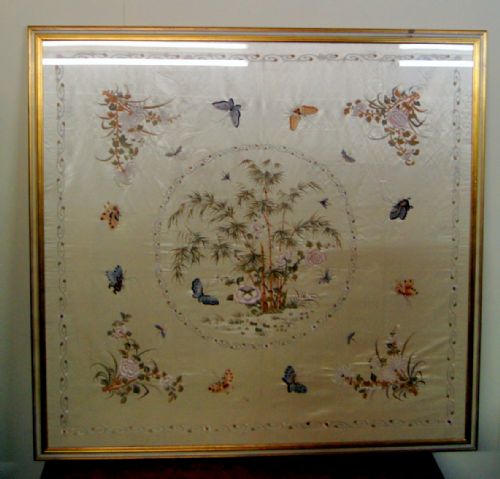
Silk Framed Chinese Artwork
These silk framed chinese artwork pieces combine delicate textile technique with traditional subject matter, offering collectors a direct link to historic Eastern craftsmanship.
Silk Framed Chinese Artwork
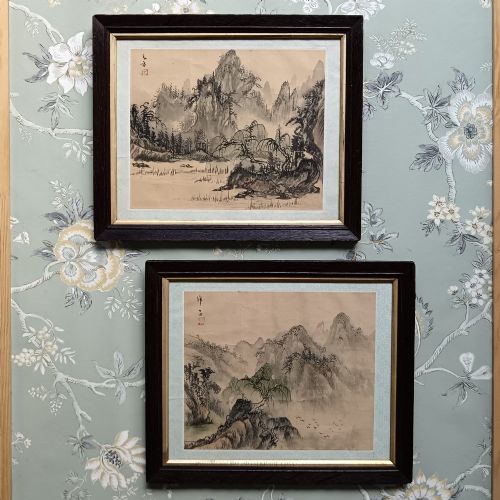
When you search for silk framed chinese artwork, you encounter a range of framed paintings, textile art, and wall hangings originating from the nineteenth and twentieth centuries. These items encompass traditional Chinese watercolours, gouache paintings on silk, hand-sewn embroideries, and ancestral portraits preserved beneath glass in original frames.
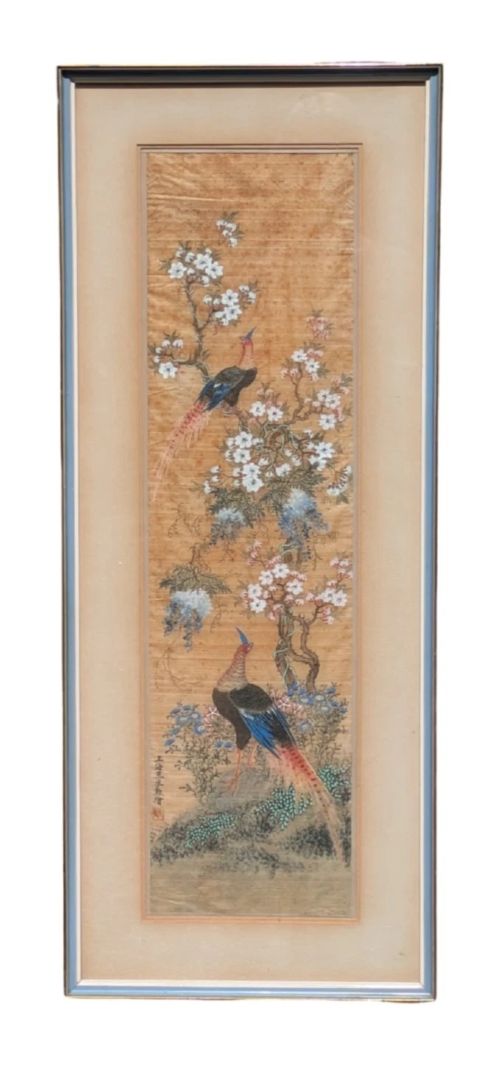
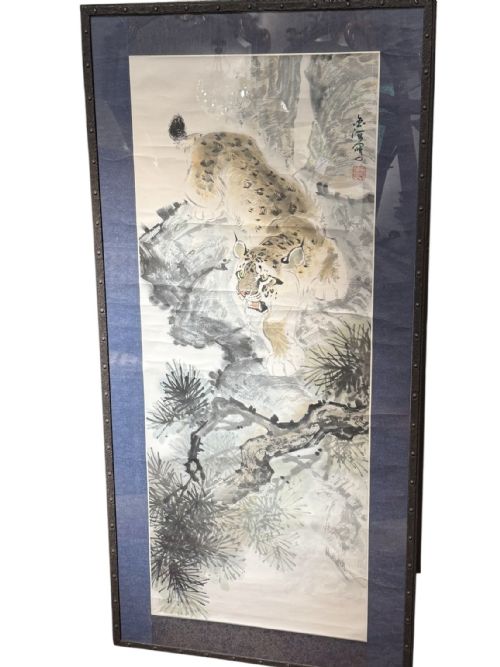
You are most likely to meet pieces from the Qing Dynasty and early twentieth-century periods, featuring motifs such as snow leopards, dragons, birds, flowers, and human figures. The inventory spans works from eighteen-fifty through to the nineteen-sixties, reflecting both domestic Chinese creation and export pieces designed for international markets.
How they were made
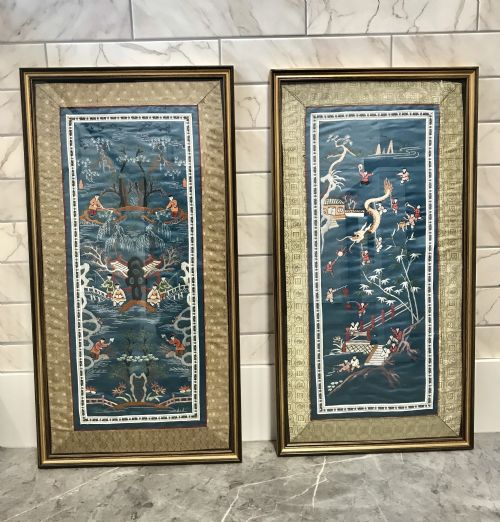
The makers of these works utilised fine silk as the primary ground for both painting and needlework, applying water-based, mineral, or ink pigments directly to the fabric. Hand-sewn embroidery panels incorporated intricate threadwork to depict figures, birds, and botanical elements with high precision.
Many of these textiles and paintings were housed within timber frames, often protected behind glass to preserve the delicate fabric and pigmented surfaces from atmospheric damage.
Snow leopards and mandarin ducks frequently peer out from these historic silk panels, proving that nineteenth-century interior decorators loved exotic wildlife just as much as we do.
What varies in quality
The standard of execution in brushwork or hand embroidery largely dictates the calibre of each piece, distinguishing master-level needlework and painting from simpler commercial output. Finer examples display meticulous detail in facial expressions, plumage, and botanical rendering.
The preservation of the silk ground and the retention of vibrant mineral pigments also influence desirability, alongside the presence of original framing and authentic artist stamps or signatures.
The Silk Framed Chinese Artwork Glossary
- Shan Shui
- Traditional Chinese landscape painting style featuring natural scenery such as mountains and rivers. These works often employ ink and wash techniques on silk.
- Gouache
- An opaque water-based pigment used on silk or paper to achieve dense, saturated colour. It allows for rich detail in antique Chinese artwork.
- Ancestor Portrait
- Formal depiction of family forebears created for veneration purposes. These group or individual portraits record historic costume and social standing.
- Qing Dynasty Style
- Aesthetic and artistic conventions associated with the final imperial dynasty of China. The style encompasses refined court painting and export wares.
Silk Framed Chinese Artwork: Frequently Asked Questions
How do I hang antique silk art?
Protect silk framed Chinese artwork from direct sunlight by placing it on a shaded interior wall. Consistent room temperature prevents the delicate fabric and timber frames from expanding and contracting.
Ensure the hanging wire or brackets securely support the weight of the original frame and glass. Avoid damp areas such as kitchens or unheated spaces to protect the textile fibres.
Are these pieces hand painted?
Many examples feature direct brushwork using ink and water-based or mineral pigments on silk. Artists applied these pigments by hand to create watercolours and gouache paintings.
Other pieces incorporate hand-sewn embroidery where artisans used silk threads to build up detailed figurative and botanical compositions.
What subjects appear on these artworks?
Common subjects include traditional landscapes, ancestral portraits, and narrative scenes featuring figures. Natural motifs such as snow leopards, phoenixes, mandarin ducks, and plum blossoms also recur.
Many works incorporate symbolic elements like dragons and garden birds, reflecting classical Chinese iconography and court tastes.
How do I identify nineteenth century pieces?
Examine the framing materials, backing boards, and the ageing characteristics of the silk and pigments. Nineteenth-century works often feature aged timber frames and natural fibre degradation consistent with historical handling.
Look for traditional artist signatures, stamps, and stylistic conventions associated with the Qing Dynasty or export production of that era.