



Antique Chinese Flower Painting
These antique chinese flower painting works and floral vessels capture centuries of botanical study through delicate pigments on silk and paper.
Antique Chinese Flower Painting
An antique chinese flower painting brings traditional botanical subjects into interior spaces through delicate pigments applied directly to silk or paper surfaces. These works often depict birds, branches, and blossoms arranged in compositions that reflect classical Far Eastern aesthetic principles.
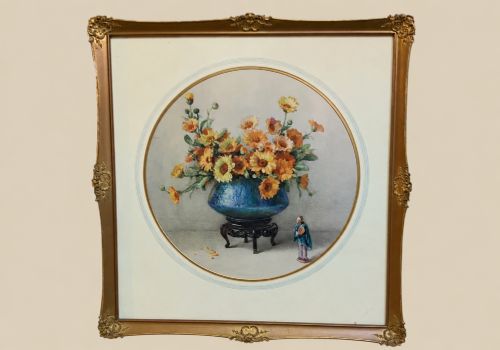
Buyers frequently encounter nineteenth-century gouache and watercolour examples alongside painted porcelain vessels and lacquered furnishings decorated with floral motifs. The selection spans the Qing Dynasty through to the early twentieth century, offering both hanging wall art and decorated decorative objects.
Materials and methods
Artists applied water-based pigments and gouache directly onto finely woven silk or prepared paper leaves to create these detailed floral studies. Silk grounds provided a subtle sheen that enhanced the luminous quality of the botanical subjects.
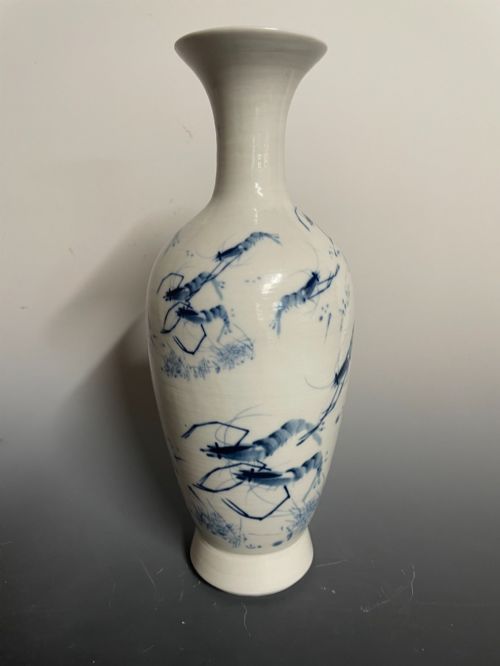
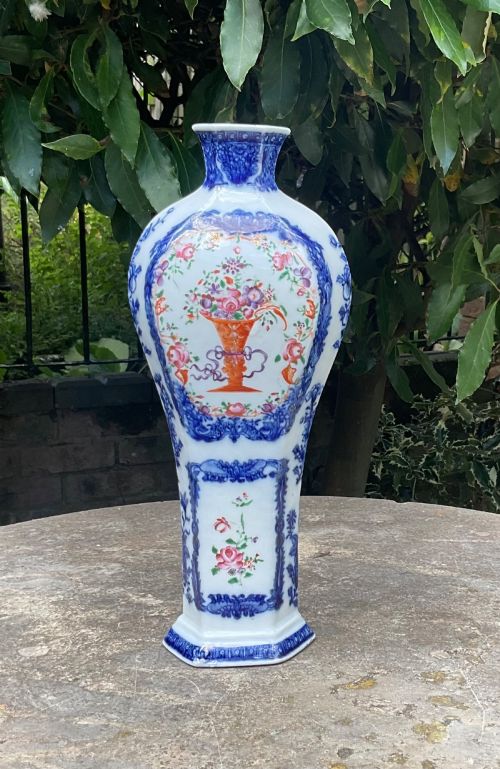
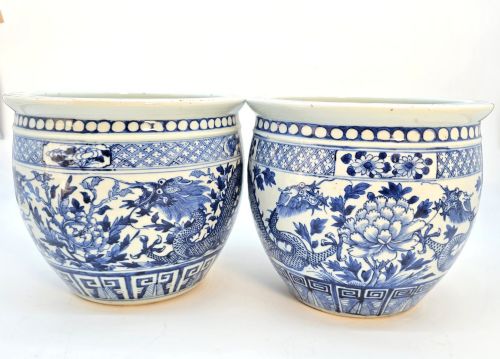
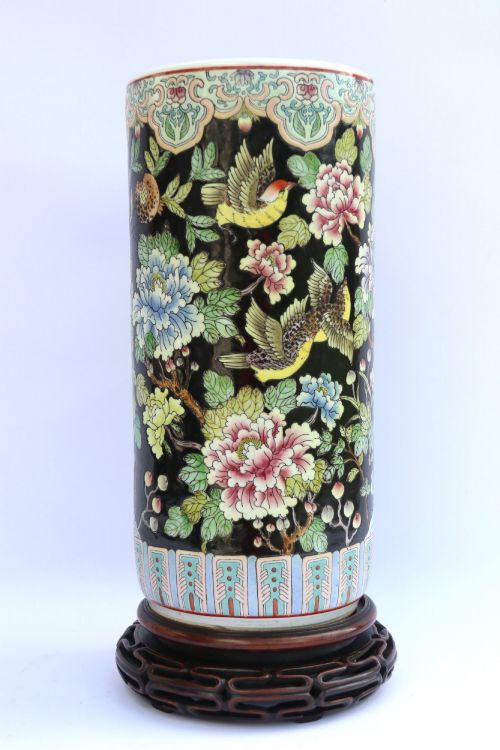
Makers also rendered floral scenes in enamels and underglaze blue upon porcelain vases and jardinières, firing the pieces at high temperatures. Wood supports received layers of lacquer and painted decoration to form cabinets and plant stands featuring matching bird and flower motifs.
Listings feature eighteenth-century export porcelain alongside nineteenth-century silk paintings and early twentieth-century lacquered plant stands.
Evaluating quality and execution
Superior examples demonstrate exceptional brushwork control, where every petal and stem exhibits deliberate, confident line work rather than mechanical repetition. The fineness of the pigment application on silk or porcelain directly separates masterworks from standard decorative output.
The preservation of the ground material significantly influences overall merit, as silk and paper are prone to staining or fraying over decades. Pieces retaining their original mounting, vibrant colour saturation, and crisp compositional balance command greater appreciation among collectors.
The Antique Chinese Flower Painting Glossary
- Gouache
- An opaque water-based medium frequently utilised on silk for botanical and avian studies. It provides rich colour saturation and allows for fine detail work.
- Famille Rose
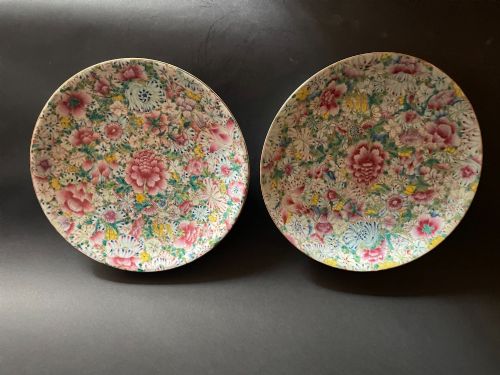
- A prominent palette of opaque enamel colours introduced during the Qing Dynasty, dominated by pink and rose hues. This palette appears frequently on decorated porcelain vessels.
- Canton
- A major export hub in southern China associated with heavily decorated porcelain and enamel wares. Pieces from this region often feature dense panels of flowers and figures.
- Jardinière
- A large ornamental pot or planter designed to hold growing plants or floral arrangements. These vessels appear in porcelain, enamel, and carved wood.
- Chinoiserie
- European artistic styles reflecting Chinese decorative motifs, including floral patterns and birds. It influenced various furniture and decorative arts from the eighteenth century onward.
Antique Chinese Flower Painting: Frequently Asked Questions
How do I care for silk paintings?
Keep painted silk works away from direct sunlight to prevent the water-based pigments and textile fibres from fading over time.
Display them in stable environmental conditions with controlled humidity to protect the delicate ground from warping or degradation.
Are these works hand painted?
The majority of pieces utilise hand-applied pigments on silk, paper, or porcelain surfaces by skilled artisans.
Brushwork details and individual colour gradations confirm the manual execution present across the available selection.
How are periods identified?
Dating relies upon stylistic markers, material composition, and specific reign marks associated with dynasties such as the Qing.
Comparative analysis of brush techniques and export patterns helps narrow down the decade of production.
Where were these items displayed?
Such decorative pieces adorned traditional scholar studios, formal reception rooms, and later European drawing rooms.
Plant stands and jardinières housed living specimens, while silk paintings served as portable scroll or wall art.