
Qing Dynasty Export Dish
A qing dynasty export dish brings centuries of ceramic trade into a room, combining Chinese forms with Western tastes.
Qing Dynasty Export Dish
A qing dynasty export dish serves as a tangible link to historical global trade, encompassing plates, platters, chargers, and bowls made for markets outside China. Buyers searching this phrase encounter items spanning the eighteenth and nineteenth centuries, often categorised under specific periods such as the Kangxi or Qianlong eras.
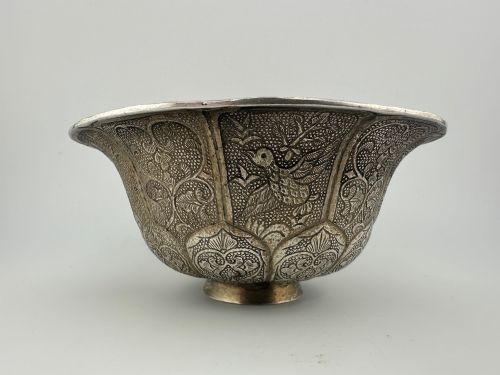
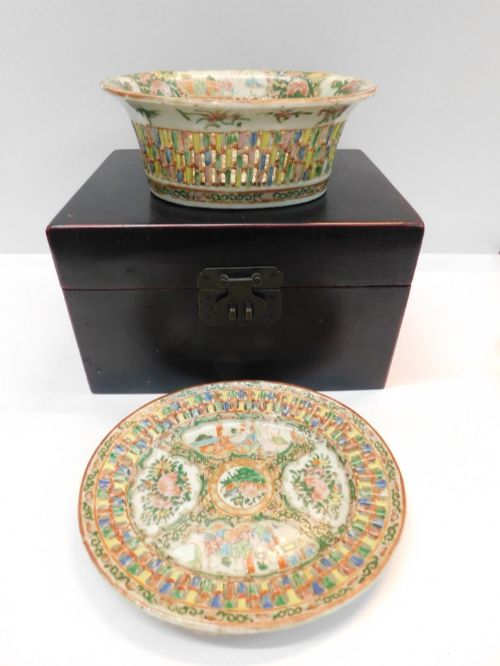
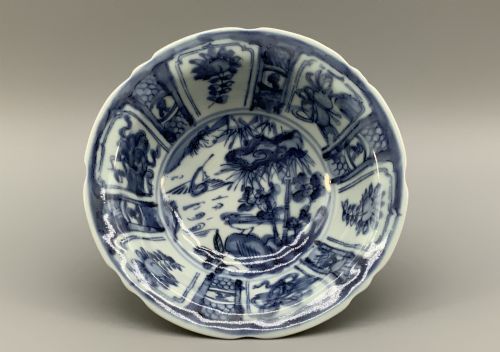
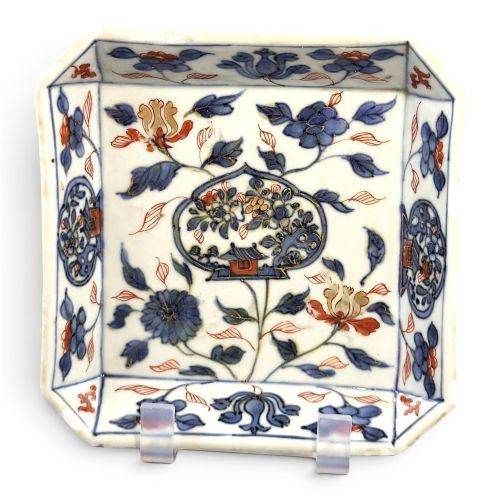
The forms range from simple lobed bowls and chamfered square dishes to elaborate reticulated chestnut baskets, serving platters, and pedestal dishes. Most examples on this page reflect traditional Chinese porcelain production combined with decorative programmes tailored for foreign clientele.
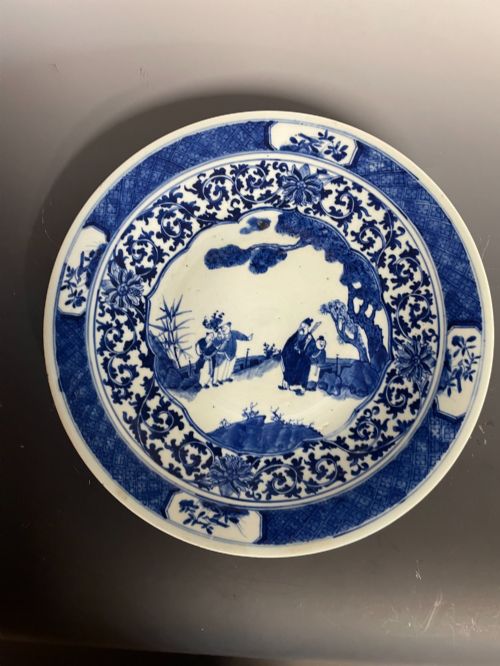
Originating primarily from kilns operating during the Qing dynasty, these vessels display a variety of shapes including circular chargers, shamrock-shaped dishes, and deep bowls. The selection represents both utilitarian tablewares and purely decorative objects created for export.
How they were made
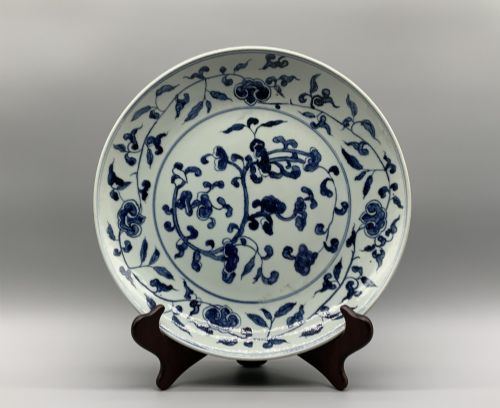
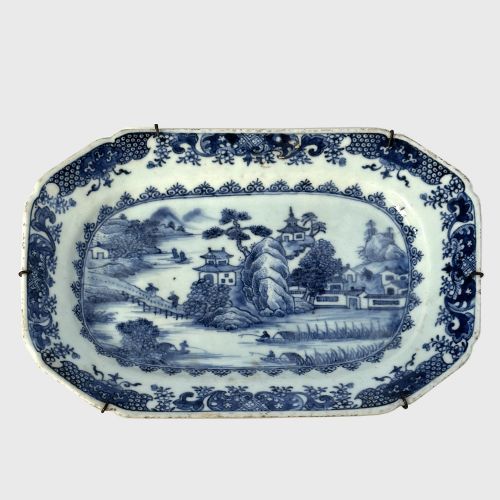
Hard-paste porcelain forms the structural foundation of these pieces, shaped through traditional potting techniques and fired at high temperatures. Cobalt underglaze provides the deep blue pigments seen in early wares, applied directly to the clay body before glazing and firing.
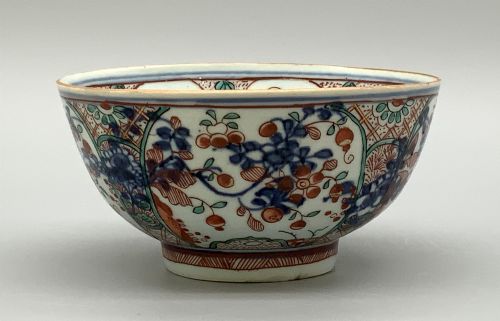
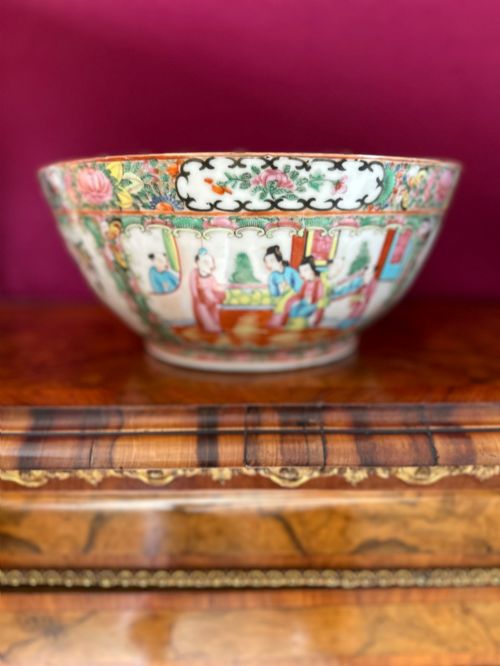
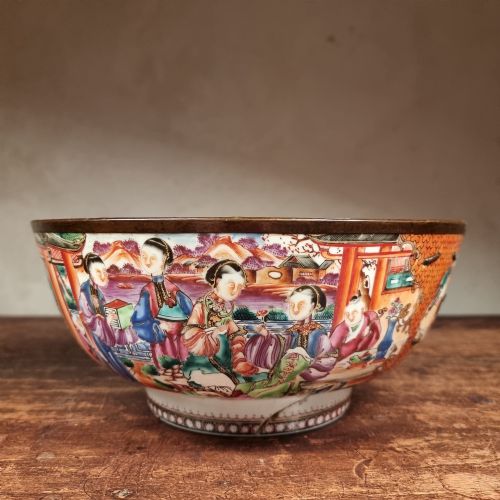
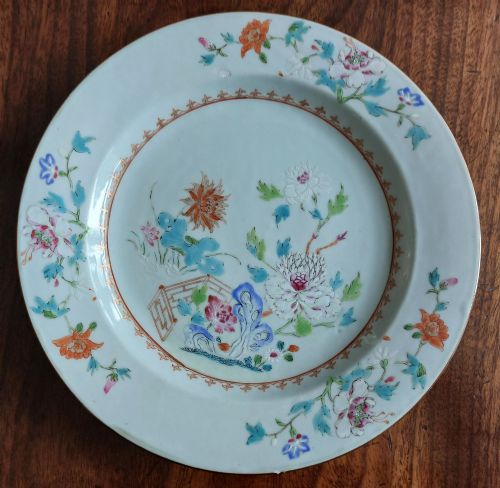
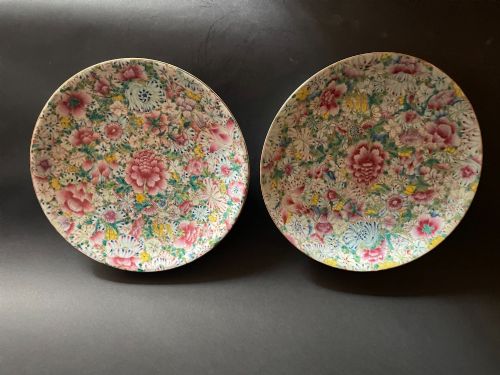
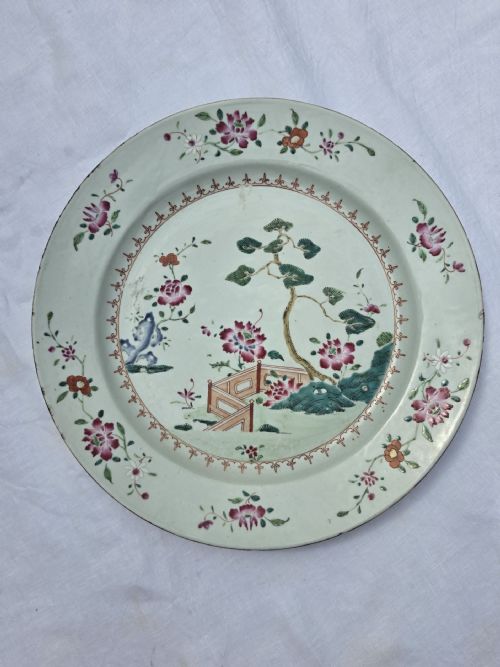
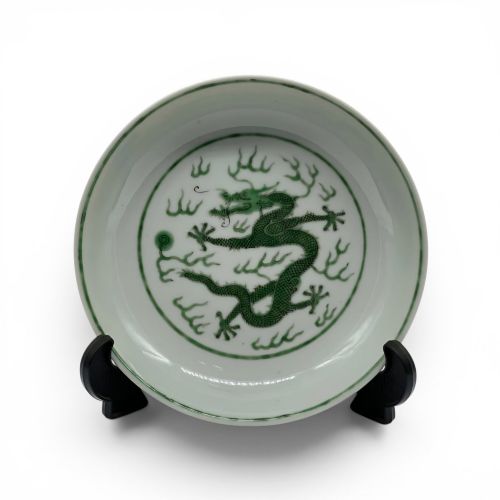
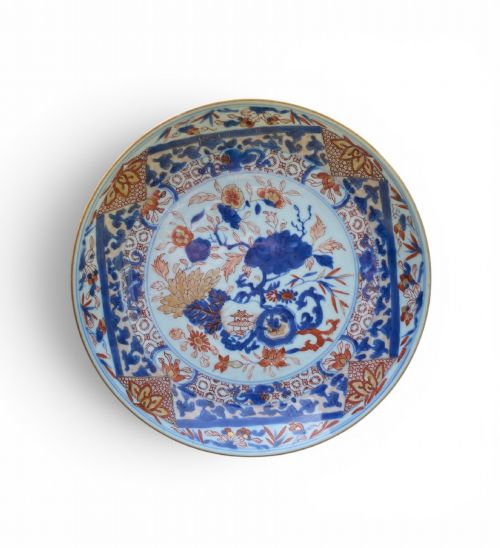
Overglaze enamels introduce colour palettes such as Famille Rose, Famille Verte, and Imari, requiring secondary lower-temperature firings to fix the pigments. Artisans also applied gold leaf, silver, and gilding to highlight specific motifs and add decorative contrast.
Listings feature hard-paste porcelain, enamel, gold leaf, silver, cobalt underglaze, glaze, and gilding across multiple centuries.
What varies in quality
The precision and delicacy of the hand-painted brushwork separate ordinary vessels from superior examples, particularly in complex floral, bird, and figural compositions. Superior pieces demonstrate confident lines and subtle tonal gradations within the enamel or underglaze blue.
The purity of the porcelain body and the evenness of the glaze application influence the overall refinement of a dish. Greater attention to finishing details, such as clean foot rims and balanced symmetry, distinguishes masterwork production from standard export output.
The Qing Dynasty Export Dish Glossary
- Famille Rose
- A prominent palette of opaque pink and rose enamel colours introduced during the Qing dynasty. It allowed artists to achieve shaded pictorial effects on porcelain.
- Kangxi Period
- The era spanning from sixteen sixty-two to seventeen twenty-two, noted for brilliant cobalt blue and fine porcelain bodies. Pieces from this time often display vigorous painting styles.
- Qianlong Period
- The reign lasting from seventeen thirty-six to seventeen ninety-five, characterised by technical virtuosity and complex decorative schemes. Wares from this phase frequently combine enamels with gilt highlights.
- Imari
- A style featuring a dominant scheme of underglaze blue, iron-red, and gold. This decorative approach was widely adopted for export wares destined for European markets.
- Charger
- A large ornamental plate used traditionally for serving or display. These substantial pieces provide a wide surface area for intricate border and central designs.
- Reticulated
- Describes ceramic work featuring openwork lattice or pierced patterns. Such techniques demand high skill during the drying and firing stages to prevent warping.
Qing Dynasty Export Dish: Frequently Asked Questions
What is a qing dynasty export dish?
These objects are ceramic vessels produced in China during the Qing dynasty specifically for international export markets, blending domestic manufacturing traditions with foreign aesthetic preferences.
They encompass a wide variety of functional and decorative forms, including plates, chargers, and bowls, which were shipped to buyers across Europe and the wider world.
How were these export dishes used?
Historically, many of these vessels functioned as serving pieces at elite dining tables, holding meats, fruits, or dry goods during formal meals. Others served purely decorative purposes, displayed on walls, cabinets, or sideboards to signal wealth and global sophistication.
Over time, their roles shifted from functional tableware to cherished collector items prized for their historical associations and artistry.
How do I live with a porcelain dish?
Placing these pieces safely in a home involves securing them on stable surfaces away from high-traffic areas or direct, prolonged sunlight that might fade delicate enamels. Many collectors use specialised plate stands or wall mounts designed to support the weight of hard-paste porcelain without causing stress.
Routine care requires gentle dusting with a soft, dry cloth and avoiding harsh cleaning agents that could compromise historical glazes or gilding.
How can I tell different periods apart?
Differentiating eras relies on examining the specific palette of colours, the character of the underglaze blue, and stylistic motifs such as specific floral borders or figural styles. For instance, Kangxi pieces often feature intense cobalt blues and distinct forms, while Qianlong wares frequently showcase elaborate Famille Rose enamels.
Base marks, where present, can also offer clues, though stylistic indicators and potting characteristics remain primary tools for establishing age.