




Porcelain Lidded Vase
A porcelain lidded vase brings together ceramic form and fitted cover in pieces spanning Asian export wares, European factories and Victorian mantelpieces.
Porcelain Lidded Vase
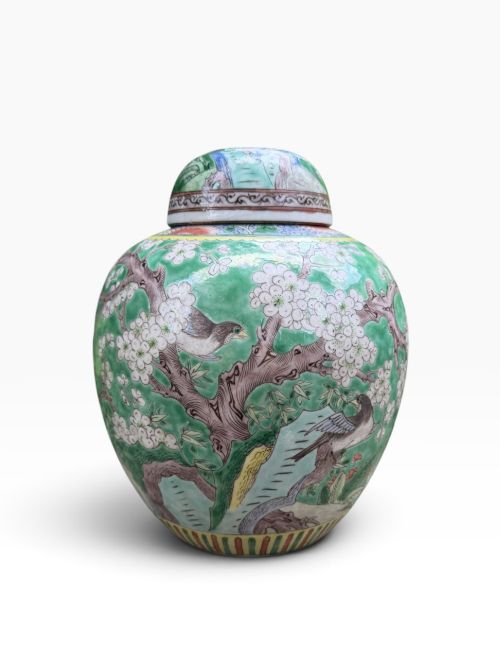
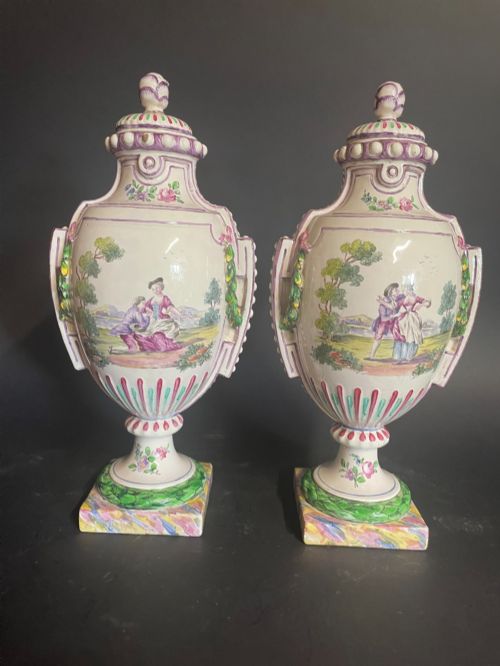
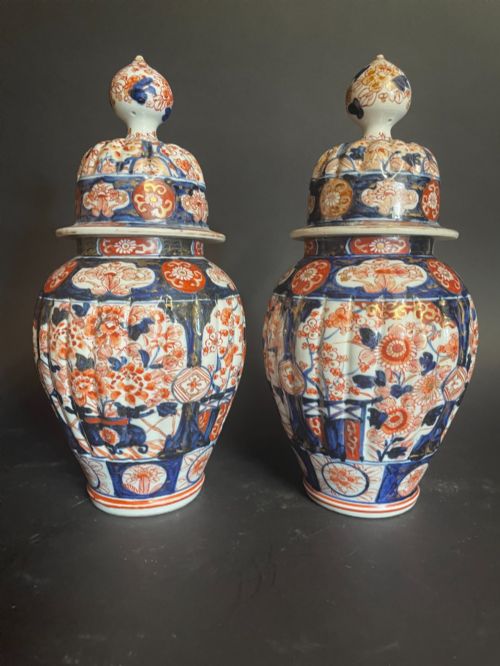
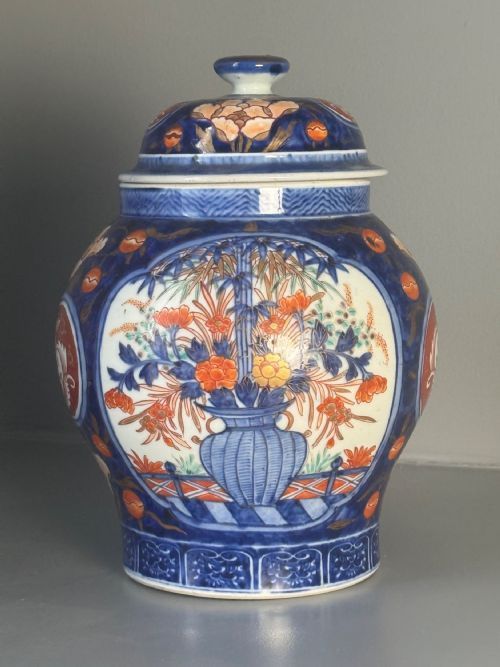
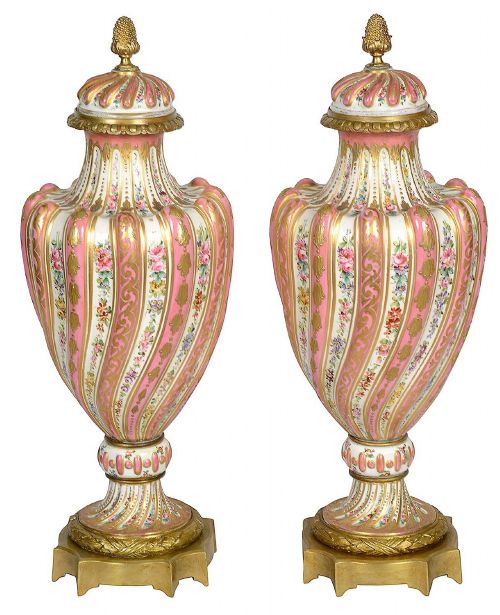
A porcelain lidded vase combines a hollow ceramic vessel with a matching cover, serving historically as display pieces, ginger jars or potpourri containers. The selection on this page ranges from eighteenth-century Chinese export wares to nineteenth-century European factory productions and Japanese Imari creations.
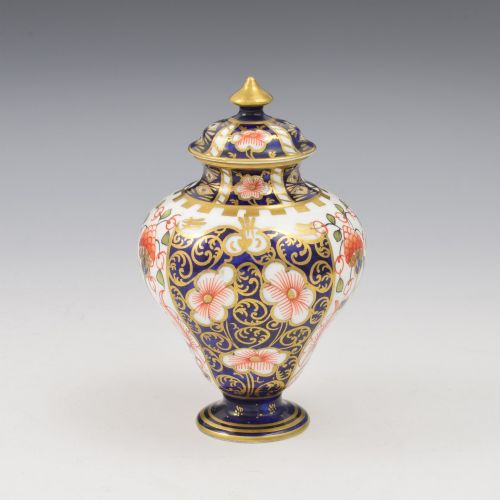
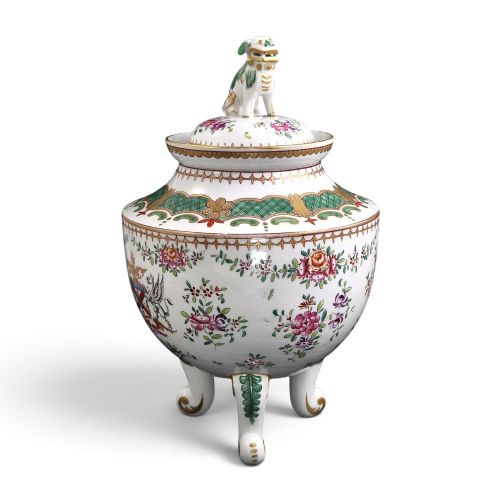
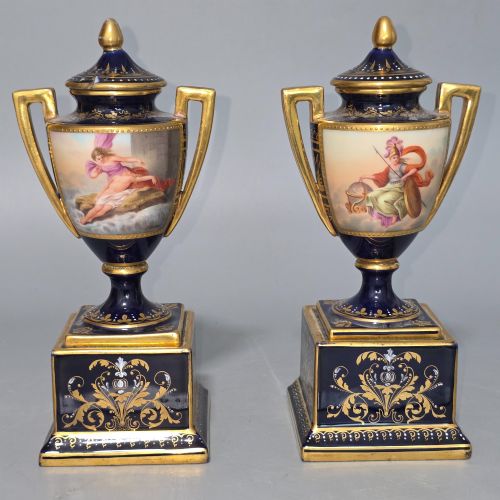
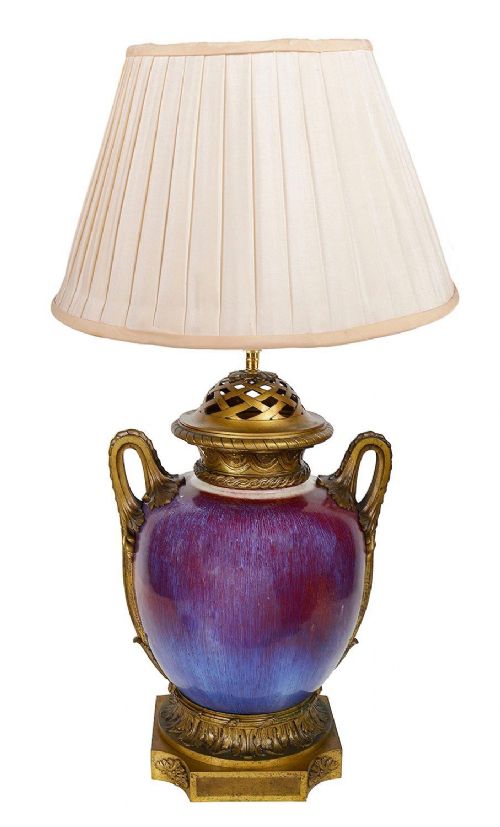
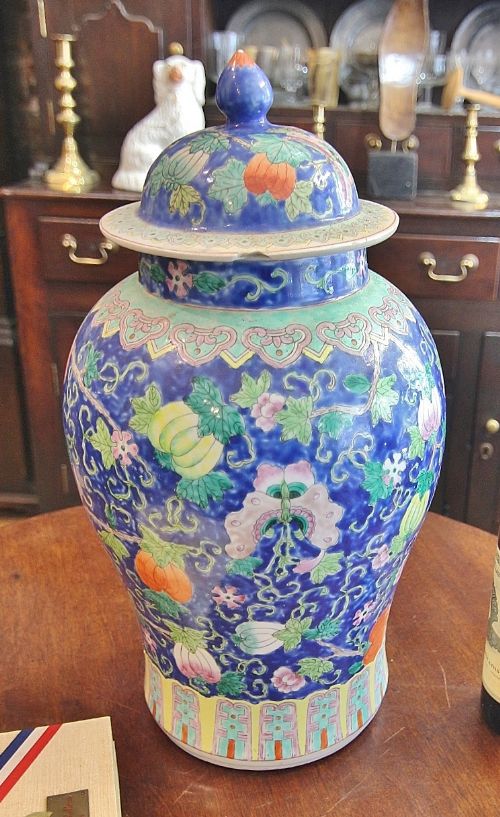
Buyers will encounter various forms including baluster shapes, ovoid jars, slender amphorae and twin-handled urns. These objects frequently display intricate painted decoration, ranging from cobalt blue underglaze to elaborate overglaze enamels and gilding.
Origins span major historic centres of ceramic production across Britain, continental Europe and East Asia. English factories like Royal Worcester and Derby sit alongside French Sèvres styles, Chinese Qing Dynasty pieces and Japanese Meiji period works.
Materials and production methods
Makers shaped fine clay bodies on the potter's wheel or cast them in moulds before applying transparent or coloured glazes. Tin-glazed earthenwares and ironstone bodies appear alongside true hard-paste and soft-paste porcelain across the various traditions represented.
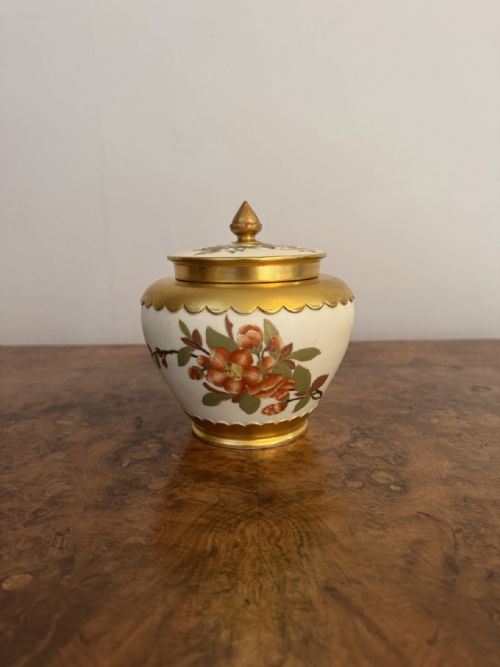
Decoration relied on skilled hand-painting utilising cobalt underglaze, enamel palettes, and applied gold leaf or gilding. Kiln firing fixed these mineral pigments into the glaze, sometimes requiring multiple firings for complex polychrome designs.
Listings feature porcelain lidded vases spanning the eighteenth, nineteenth, and twentieth centuries, incorporating materials such as gold leaf, enamel, and tin-glazed earthenware.
Distinctions in quality
The standard of craftsmanship shows in the crispness of the moulding, the balance of the fitted lid, and the precision of the hand-painted details. Superior pieces display finely rendered brushwork without smudging, whereas simpler items rely on transfer printing or heavier, uniform application.
Signatures, factory marks, and artist ciphers indicate high-workshop output, particularly among documented European makers and specific Japanese export periods. The richness of the gilding and the depth of the enamel colours further separate standard production wares from exhibition-grade pieces.
Royal Crown Derby·Samson Paris·Royal Worcester·Chamberlain Worcester·Coalport·Spode
The Porcelain Lidded Vase Glossary
- Baluster
- A tall vase form with a rounded lower body that tapers toward the base and neck. This classic silhouette provides a stable foundation for detailed pictorial scenes.
- Imari
- A style of Japanese porcelain featuring distinctive iron-red, cobalt blue, and gold decoration. European factories frequently copied these vibrant palettes during the eighteenth and nineteenth centuries.
- Potpourri
- A lidded vessel perforated to allow scented dried plant materials to fragrance a room. These pieces often feature pierced covers and elaborate decorative handles.
- Gilding
- The application of gold leaf or powdered gold to ceramic surfaces for highlights and borders. Skilled artisans burnished this metal to achieve a bright, reflective finish.
- Garniture
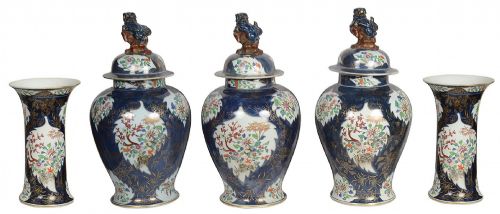
- A set of three or more matching vases and jars designed to be displayed together on a mantelpiece or sideboard. These matched groupings became popular in European interiors during the seventeenth and eighteenth centuries.
Porcelain Lidded Vase: Frequently Asked Questions
What is a porcelain lidded vase?
A porcelain lidded vase is a ceramic vessel accompanied by a matching removable cover, designed for ornamental display or storage. These items include ginger jars, potpourri containers, and classical urns created across various global traditions.
Craftsmen shaped these objects from refined clays before decorating them with glazes and enamels. Their primary purpose was interior ornamentation in domestic and formal reception rooms.
How do I identify the period of a vase?
Dating relies on examining factory marks, glaze characteristics, and painting styles associated with specific historic eras. Asian examples often reference earlier dynastic designs while retaining nineteenth-century manufacturing traits.
European factories frequently stamped or painted their specific cipher on the base. Comparing the weight, paste composition, and enamel type helps narrow down the production decade.
Were these vases used for flowers?
Many lidded vessels served primarily as decorative ornaments rather than functional flower holders. Ginger jars and potpourri pots were designed to hold dried aromatics or dry goods rather than water.
Some forms featuring removable lids could function as standard vases when the cover was set aside. However, delicate gilding and interior glazes often indicate purely decorative intent.