



Japanese Covered Vase
A japanese covered vase brings centuries of ceramic artistry into a room, offering both sculptural presence and practical lidded storage.
Japanese Covered Vase
When searching for a japanese covered vase, collectors encounter diverse vessels spanning ginger jars, baluster forms, and lidded urns. These pieces originate predominantly from historical periods including the Edo, Meiji, and Victorian eras.
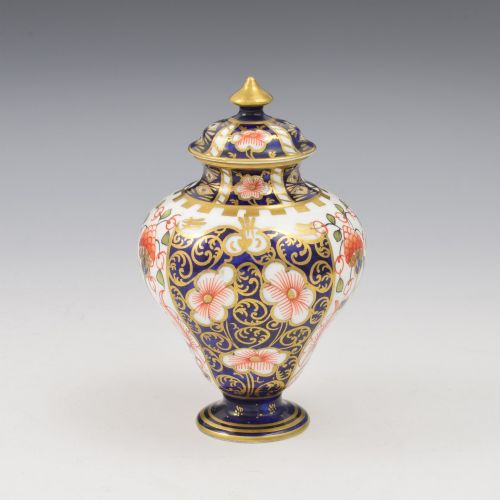
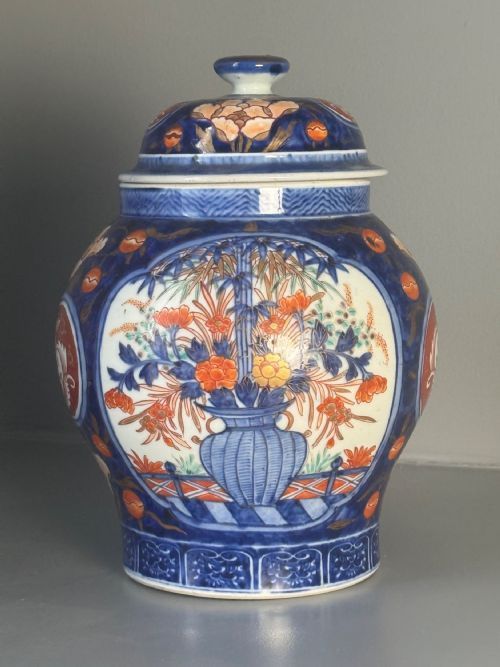
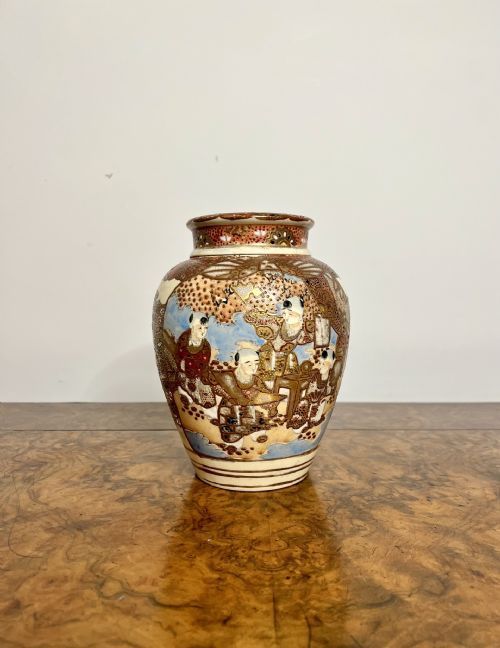
The pieces on this page appear most frequently in porcelain and earthenware bodies, often decorated in traditional palettes like Imari or Satsuma. Forms range from miniature cabinet items to large floor-standing display vessels complete with matching lids.
How They Were Made
Potters shaped these vessels from ceramic bodies such as porcelain and earthenware, applying complex underglaze and overglaze techniques. Artisans integrated enamel, gold leaf, and gilding to accentuate intricate patterns.
Makers utilised wood for certain display stands, whilst metal wire formed the basis for cloisonne examples. Kiln firing fixed the rich glazes and mineral pigments that define the surface decoration.
The listings show a concentration of 19th Century pieces, alongside items from the 18th Century and Edwardian era.
What Varies in Quality
The refinement of brushwork and the precision of the enamel application separate standard vessels from exceptional works. Superior examples display crisp definition in the gilt detailing and harmonious balance across the lid and body.
Provenance and signature marks from known workshops or artists elevate a piece. The crispness of the porcelain moulding and the stability of the glaze further distinguish finer specimens.
The Japanese Covered Vase Glossary
- Imari
- A style of Japanese porcelain decorated in underglaze blue, iron red, and gold. It originated in the town of Arita and became widely exported.
- Satsuma
- A type of earthenware with a fine ivory crackle glaze, typically decorated with polychrome enamels and gilding. These pieces were often produced in Kyoto and Satsuma province.
- Arita
- A Japanese town renowned as the birthplace of Japanese porcelain production. Kilns here supplied significant quantities of blue and white and Imari wares.
- Baluster
- A vase form with a rounded body that tapers toward the base and swells near the middle. This classic shape provides stability and visual balance.
- Cloisonne
- A technique where enamel is applied to compartments created by soldering metal strips onto a metal base. Lidded jars in this medium offer rich surface texture.
Japanese Covered Vase: Frequently Asked Questions
How were japanese covered vases used historically?
These vessels served primarily as storage containers for spices, tea, or ginger in domestic interiors. Over time, their decorative qualities led to prominent display in reception rooms and parlours.
Larger lidded jars functioned as floor or mantel ornaments, showcasing the owner's taste for imported East Asian aesthetics during the nineteenth century.
How do I identify Imari decoration?
Imari porcelain is characterised by a distinctive tripartite colour palette combining underglaze blue, iron red, and supplementary gold leaf. The motifs frequently incorporate floral and landscape panels arranged symmetrically.
Examining the foot ring and glaze helps confirm the production era, distinguishing genuine Arita wares from later European interpretations.
What is Satsuma ware?
Satsuma ware consists of earthenware ceramics covered in a characteristic creamy, crackle-finish glaze. The surfaces are painted with detailed figural scenes and dense floral patterns enriched with gilding.
Finer examples often bear artist signatures or workshop seals on the base, particularly those originating from Kyoto during the Meiji period.
How should I care for a covered ceramic vase?
Display these vessels away from direct sunlight to preserve the stability of surface enamels and gold leaf. Dust them gently with a soft, dry cloth rather than using liquid cleaning agents.
Take care when removing the lid, supporting the body of the vase with one hand to prevent accidental chips to the rim.