


Porcelain Female Figurine
When you handle a porcelain female figurine, you hold centuries of sculpted grace captured in fired earth and painted glaze.
Porcelain Female Figurine
A porcelain female figurine brings sculpted representations of women into domestic spaces, taking forms that range from classical maidens and street vendors to allegorical figures and dancers. These pieces emerge across the eighteenth, nineteenth, and early twentieth centuries in varied styles such as Rococo, Victorian Neoclassical, Art Nouveau, and Art Deco.
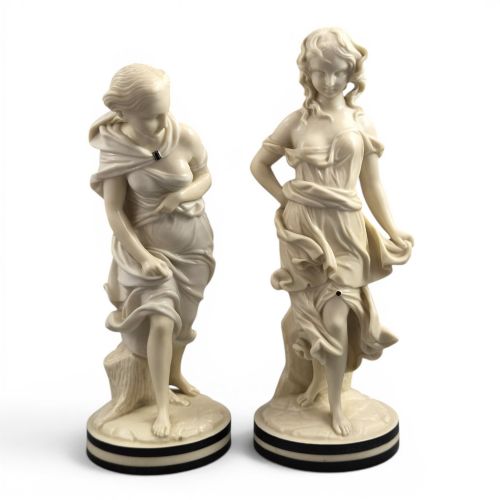
The versions most commonly met on this page include nineteenth-century parian ware figures of classical women, early twentieth-century Art Nouveau maidens from continental potteries, and glazed English factory pieces from the Victorian and Edwardian eras. Makers utilise soft biscuit bodies or glossy finishes to depict dancers, bathers, and allegorical subjects with distinct regional character.
How They Were Made
Potters shape these figures using hard-paste or soft-paste porcelain, alongside unglazed parian porcelain that mimics carved marble through slip casting or pressing in moulds. Artisans then apply hand-painted enamel, gilding, gold leaf, and transparent or shot glazes before firing the ceramic bodies at high temperatures in kilns.
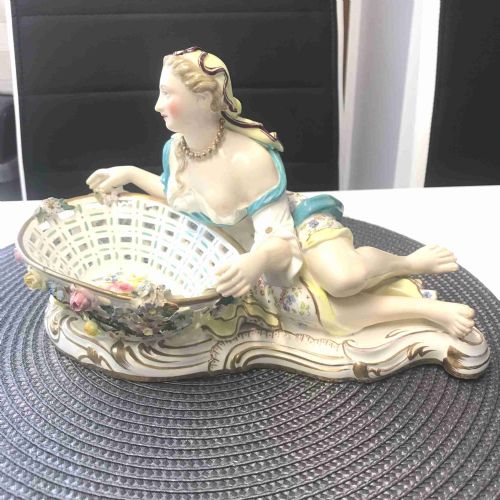
Factories combine modelled detail with applied elements such as baskets, drapery, and floral motifs, requiring precise temperature control during the glaze and muffle kilns stages to fix the colours and metallic highlights without distortion.
Several ladies on this page carry wicker baskets, jugs, or musical instruments, ensuring they remain permanently occupied despite standing still for centuries.
What Varies in Quality
Anatomical proportion and balance distinguish ambitious sculptural works from simpler commercial productions, as master modellers achieve natural posture and fluid movement in subjects like dancers and bathers. The integration of applied floral elements and the cleanliness of the ceramic surface beneath the glaze also mark the difference between standard factory output and top-tier studio craftsmanship.
Meissen·Royal Worcester·Royal Dux Bohemia·Derby Porcelain·Volkstedt·Ernst Wahliss·Copeland
The Porcelain Female Figurine Glossary
- Parian Porcelain
- A fine-grained, unglazed biscuit porcelain developed in the nineteenth century that resembles white marble. It was widely utilised by English potteries for classical and allegorical female figures.
- Biscuits
- Fired unglazed porcelain that has a matte, porous texture resembling marble or fine stone. Biscuit porcelain allows subtle modelling to remain crisp without the softening effect of a thick glaze coat.
- Gilding
- The application of gold leaf or powdered gold to ceramic surfaces for decorative highlights on garments, bases, or accessories. It is fixed by a low-temperature kiln firing.
- Bouquetiere
- A decorative vessel or figural composition designed to hold small bunches of flowers. These pieces often feature human figures integrated with baskets or pierced containers.
Porcelain Female Figurine: Frequently Asked Questions
What periods do these figures cover?
The listings span from the eighteenth century through the Victorian era and into the Art Deco period of the early twentieth century. Styles shift from ornate Rococo and Neoclassical designs to flowing Art Nouveau forms and geometric modernist pieces.
Early pieces often originate from continental factories like Meissen, while nineteenth and twentieth-century examples frequently feature English makers such as Royal Worcester.
How were these figures displayed?
These decorative objects served as centrepieces on dining tables, mantle ornaments in parlours, and display items in cabinet collections. Sweetmeat dishes and bouquetiere figures also had functional roles for holding small foods or flowers.
Larger monumental figures and table lamps were positioned on pedestals or dedicated side tables to showcase their sculptural qualities in domestic interiors.
How do I care for antique porcelain?
Keep porcelain figures away from direct sunlight and sources of extreme heat to protect delicate enamel colours and gilding. Dust them gently with a soft, dry brush rather than using harsh cleaning agents or submerging them in water.
Handle unglazed biscuit or parian pieces with clean hands, as the porous ceramic body can absorb oils from the skin over time.