





Polychrome Porcelain Platter
A polychrome porcelain platter brings rich, hand-painted colour to a room, offering both decorative presence and historical utility.

Polychrome Porcelain Platter
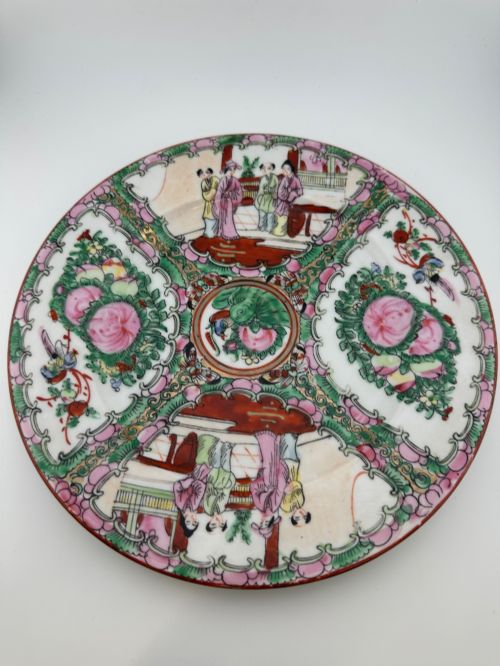
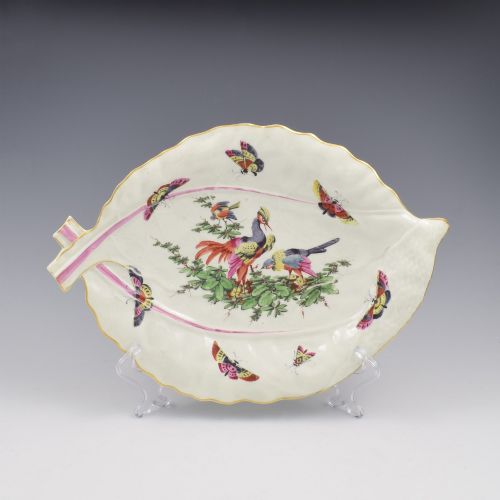
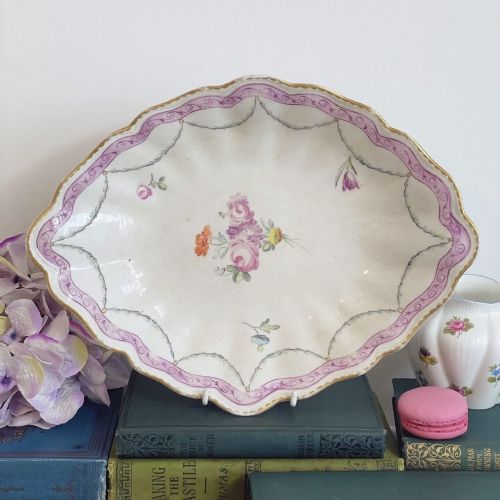
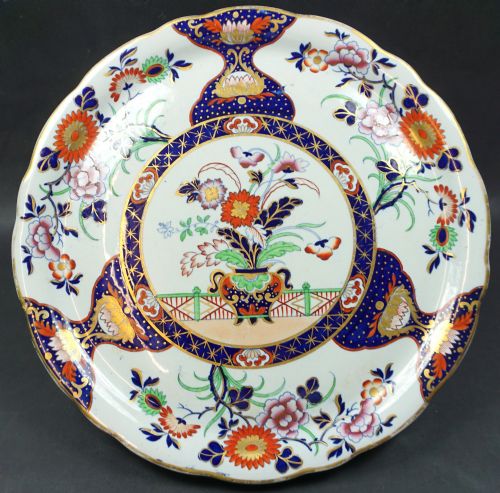
A polychrome porcelain platter encompasses a wide array of large decorative dishes, chargers, and serving plates produced across Europe and Asia. When searching for a polychrome porcelain platter, buyers most frequently encounter Japanese Imari chargers and Chinese export wares alongside English factory pieces from the eighteenth and nineteenth centuries.
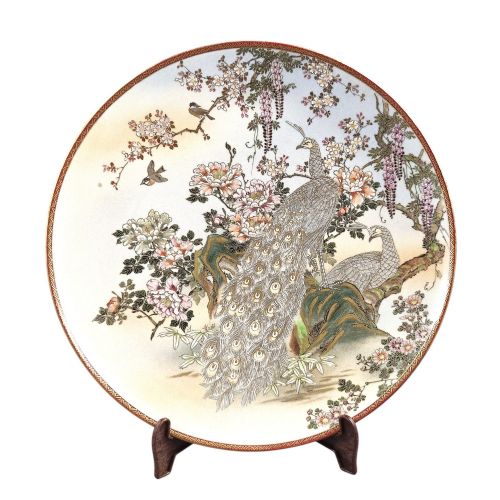
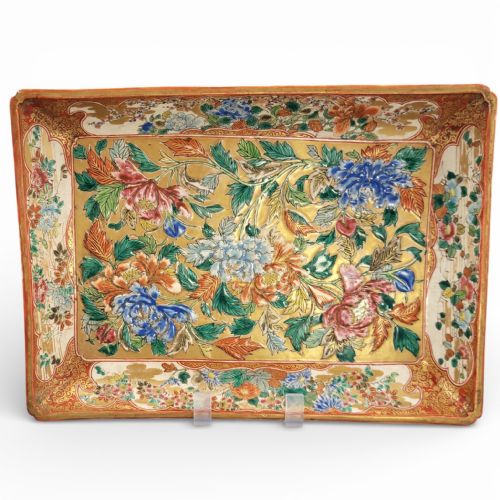
The selection ranges from large Meiji period Japanese plates adorned with birds and florals to Georgian and Victorian European serving dishes. Forms vary from traditional round chargers to octagonal plates, square presentation pieces, and trefoil trays designed for display or formal service.
Origins span diverse cultural aesthetics, uniting vibrant enamel palettes with durable ceramic bodies. Whether acquiring a Canton famille verte dish or a Derby floral serving platter, collectors secure items shaped by centuries of distinct ceramic traditions.
How they were made
Potters shaped fine clay or porcelain bodies before firing them to create a durable base for decoration. Artisans then applied intricate hand-painted designs utilising mineral-based enamels in multiple colours.
Many pieces incorporate gold leaf, gilt, or gold gilding to highlight specific motifs and borders. The application of these metallic accents required a secondary low-temperature firing to bond the precious metals securely to the glazed ceramic surface.
The inventory encompasses distinct regional traditions including Japanese Imari, Chinese export wares, and English Georgian factories.
What varies in quality
The precision and detail of the hand-painted brushwork separate standard production from superior examples. Master artists achieved finer lines, more expressive figures, and complex tonal gradations in floral and animal motifs.
The richness and stability of the enamel palette also dictate overall standard. High-grade pieces display evenly fused colours and lavish application of gold leaf without dull patches or sloppy registration.
Hicks and Meigh·Minton·Shozo
The Polychrome Porcelain Platter Glossary
- Polychrome
- Decorated in multiple colours. This technique defines ceramics featuring varied enamel pigments painted across the surface.
- Charger
- A large decorative plate or dish. These substantial pieces were typically used for ceremonial display or grand table service.
- Imari
- A traditional Japanese export style characterised by blue, iron-red, and gold decoration. It originated in the Hizen province and gained immense popularity in Europe.
- Famille Rose
- A major palette of Chinese ceramic glaze introduced in the Qing dynasty. It is distinguished by opaque pink or purple enamel derived from colloidal gold.
- Enamel
- A glassy substance fused to ceramic through firing. Artisans utilise these pigmented coatings to achieve vivid, permanent surface colours.
Polychrome Porcelain Platter: Frequently Asked Questions
How were large platters displayed historically?
Large chargers and platters were frequently stood on sideboards or mounted on walls to showcase vibrant enamel designs when not in use for dining.
In prosperous households, these decorative plates functioned primarily as status symbols during formal gatherings.
Can I use these antique platters for serving food?
Most antique pieces are best reserved for display or light decorative use rather than daily culinary service.
Historical glazes and hand-painted enamels can be sensitive to modern detergents and cutlery wear.
What period do most decorative chargers come from?
The majority of decorative chargers date from the nineteenth century, particularly the Meiji period in Japan and the Victorian era in Britain.
Earlier eighteenth-century examples also appear, representing significant European porcelain factories and Asian export trade.