





Japanese Wall Display Plates
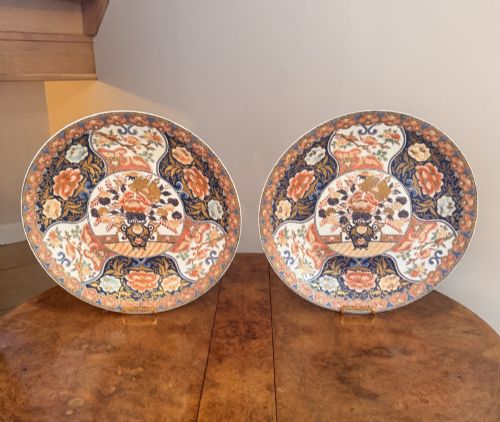
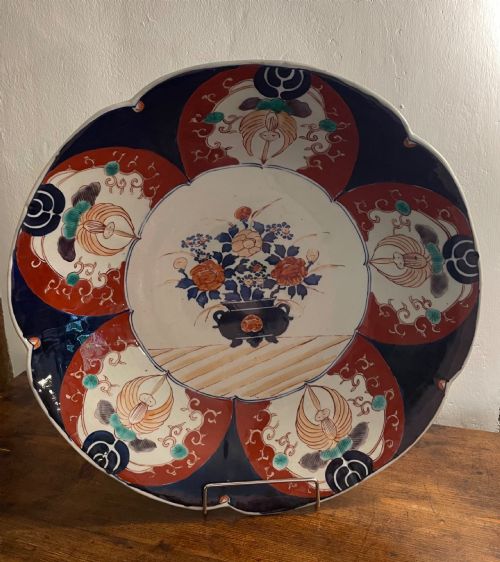
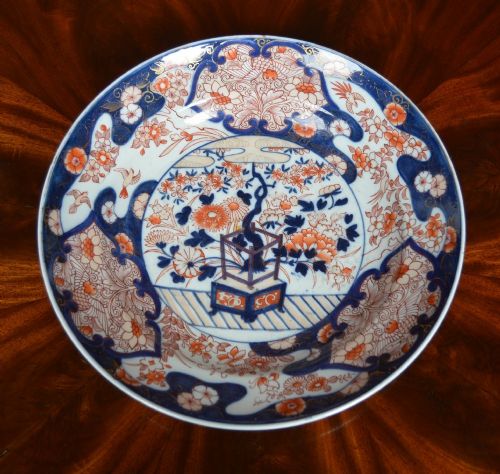
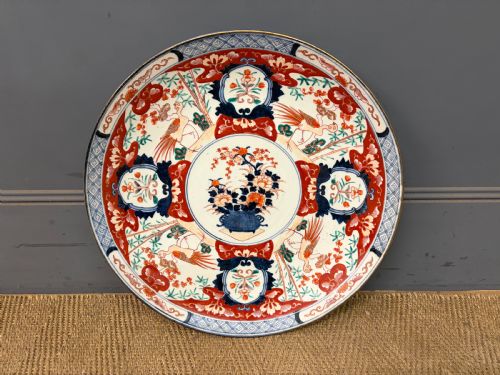
These japanese wall display plates bring vibrant Meiji period colour and intricate Imari patterns directly to your interior walls.
Japanese Wall Display Plates
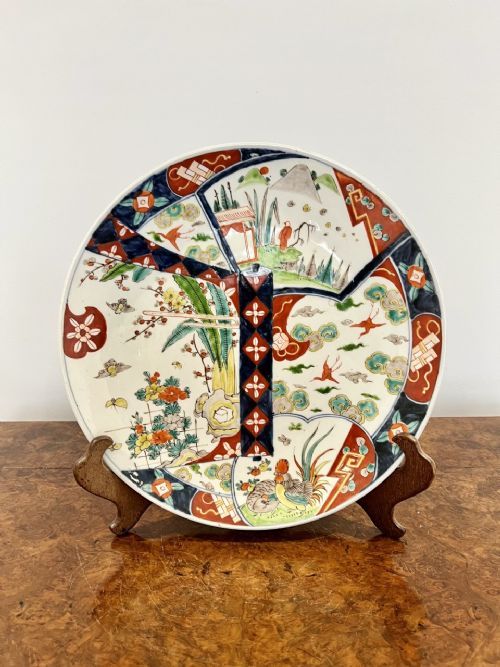
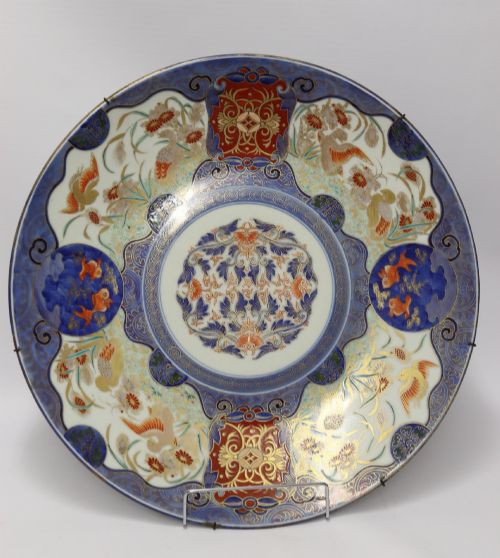
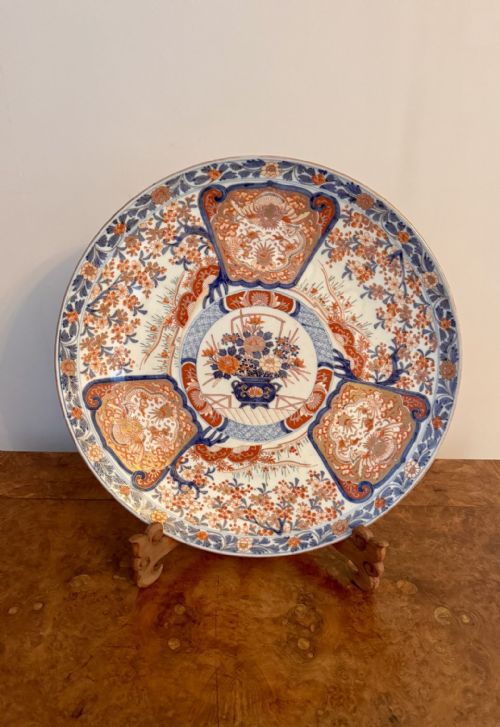
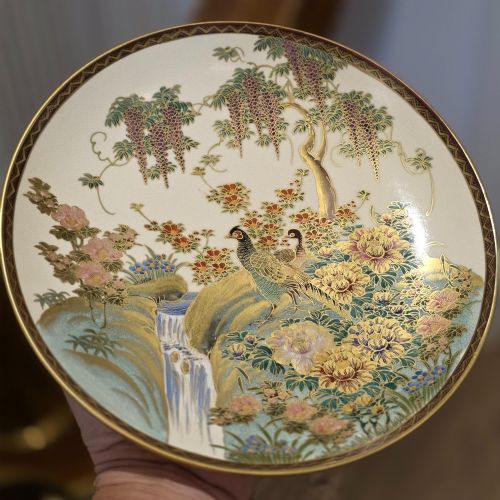
When searching for japanese wall display plates, collectors encounter a diverse array of decorative chargers, cabinet plates, and dishes spanning the nineteenth and early twentieth centuries. These pieces encompass traditional Japanese Imari porcelain alongside intricate cloisonne enamel trays depicting birds, dragons, and botanical motifs.
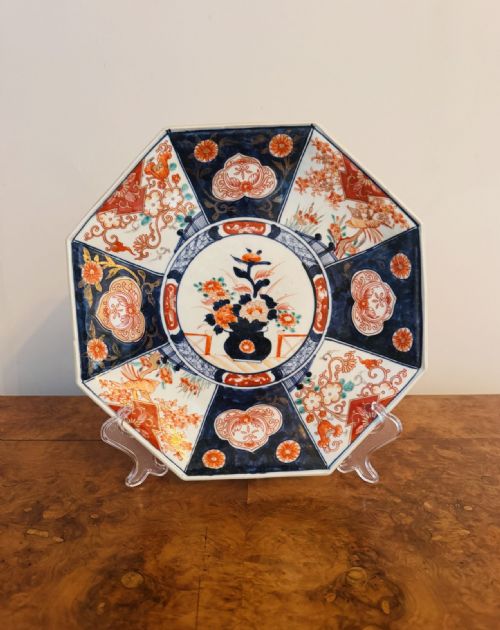
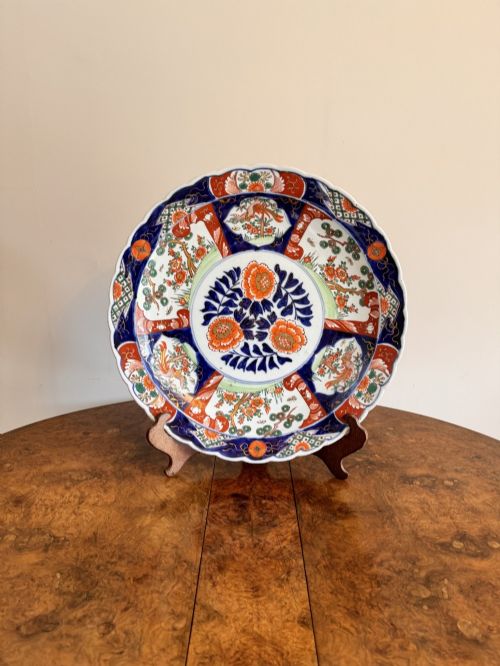
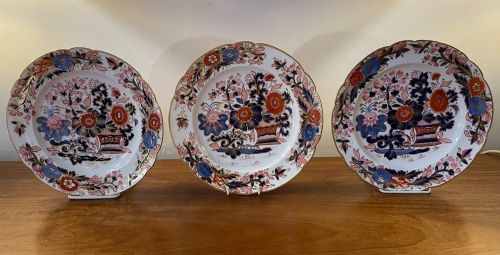
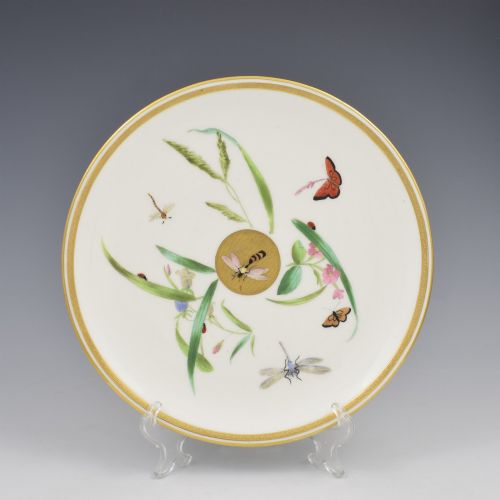
The selections on this page are dominated by Meiji period Imari chargers and plates, often featuring scalloped edges, hexagonal shapes, or vibrant blue and white palettes. Alongside these Japanese works, occasional European responses such as Staffordshire and Minton dessert plates demonstrate the nineteenth century enthusiasm for Eastern aesthetics.
How japanese wall display plates were made
Potters shaped porcelain and earthenware by hand before applying detailed hand-painted glazes, frequently incorporating rich cobalt blue and iron red alongside gold leaf highlights. Many plates utilise moulded or scalloped edges to create distinctive geometric forms like squares and hexagons.
Cloisonne enamel pieces substitute ceramic bodies for metal bases such as copper and brass, building intricate designs with soldered wire partitions filled with vitreous enamel. These metal vessels depict complex subjects like koi, phoenixes, and Mount Fuji through meticulous firing and polishing techniques.
Japanese Wall Display Plates Retail Price Guide 2026
Typical asking prices for japanese wall display plates among the pieces listed under this phrase on Sellingantiques today, from the lower quarter to the upper quarter. They describe what is for sale here now, not the wider market.
A solitary frog occasionally peers out from among the chrysanthemums on Meiji cloisonne.
What varies in quality
The distinction between standard domestic wares and superior examples lies in the precision of the hand-painted detailing and the complexity of the composition. Plates depicting intricate subjects like exotic birds, frogs, and detailed floral arrangements demonstrate a higher degree of artisan skill.
Material application also dictates standing, with better cloisonne chargers showing flawless enamel surfaces and precise wirework, while superior Imari porcelain benefits from crisp cobalt definition and generous gilt detailing that remains vibrant across the surface.
Koshida·Minton
The Japanese Wall Display Plates Glossary
- Imari
- A traditional style of Japanese porcelain characterised by a distinctive palette of cobalt blue, iron red, and gilt highlights. These wares were heavily exported to Europe during the Edo and Meiji periods.
- Cloisonne
- An enamelling technique where metal wire is soldered to a copper or brass base to create compartments, which are then filled with coloured enamel paste and fired. This method produces intricate pictorial designs across chargers and trays.
- Charger
- A large decorative plate intended primarily for display on a wall or sideboard rather than for practical dining use. They often measure significantly larger than standard table service plates.
- Meiji Period
- The era of Japanese history lasting from 1868 to 1912, marked by the opening of trade with the West and a surge in the production of highly detailed decorative arts for export.
Japanese Wall Display Plates: Frequently Asked Questions
How do I hang japanese wall display plates safely?
Displaying these plates securely requires specialised spring-loaded wire hangers that distribute the weight evenly across the rim without causing stress to the ceramic or enamel body. Ensure the wall fixing is anchored firmly, particularly when mounting larger heavy metal chargers.
Position plates away from direct sunlight and areas of high foot traffic to protect the delicate hand-painted glazes and gilt surfaces from accidental impact.
What is the difference between an Imari plate and a charger?
The primary distinction lies in the physical scale and intended display function of the piece. Chargers are substantially larger vessels traditionally meant to be stood on edge or hung for decorative impact.
Standard plates are smaller in diameter and were originally produced for table service or cabinet display, though both share the characteristic blue, red, and gilt Imari palette.
How do I date a Meiji period ceramic piece?
Dating relies on examining the stylistic characteristics, manufacturing techniques, and export history associated with the late nineteenth century. Meiji pieces often combine traditional motifs like chrysanthemums and phoenixes with a high level of decorative refinement tailored for Western markets.
Assessing the body material, the clarity of the underglaze blue, and the presence of hand-applied gilt highlights helps narrow down the period of production.
Can I clean antique cloisonne enamel trays with water?
Cleaning should be approached with extreme caution, using only a soft, dry cloth to gently remove dust from the metal wire and enamel surfaces. Moisture can seep into tiny fractures or affect the aged copper and brass bases underneath.
Avoid chemical cleaning agents, abrasive cloths, or immersion in water entirely to preserve the fragile vitreous enamel and metallic integrity.