







Imari Ceramic Wall Decor
These imari ceramic wall decor pieces bring striking palettes of cobalt underglaze, enamel and gilt into a room, offering rich visual history for your walls.
Imari Ceramic Wall Decor
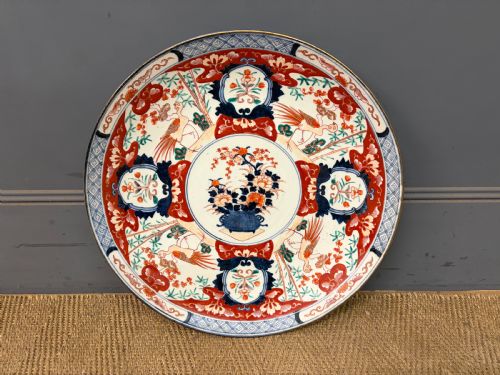
When you search for imari ceramic wall decor, you are looking at chargers, decorative plates, dishes and platters designed for display. The pieces on this page span the late nineteenth century into the early twentieth century, alongside a Victorian interpretation from the Mintons pottery.
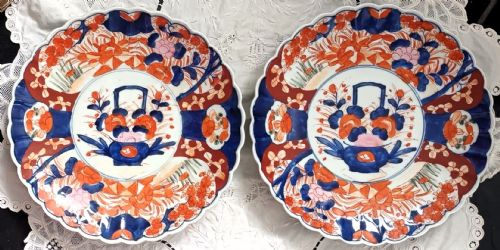
Japanese imports dominate the selection, crossing the Meiji period and the broader nineteenth century. You will frequently encounter pairs of plates, larger chargers, and specific forms such as shell shaped plates or items featuring exotic birds.
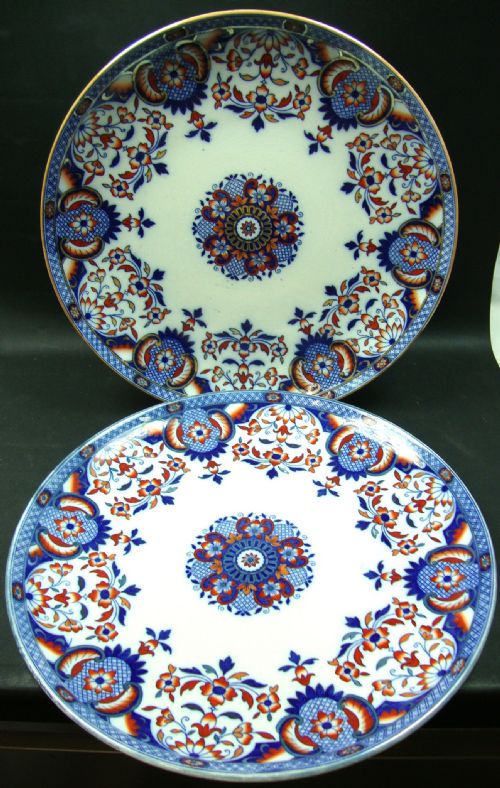
The aesthetic bridges traditional Japanese designs and the Victorian Aesthetic Movement. British production is represented by English earthenware or ceramic chargers utilising the distinctive Imari coloured decoration.
Materials and Construction
The foundation of these items is porcelain or glazed ceramic, shaped into round plates, platters and deep chargers. Makers applied cobalt underglaze to create deep blue motifs before firing.
Enamel colours and gold leaf or gold trim were subsequently added to enrich the surface. This layered technique produced the characteristic palette associated with Japanese Imari and Victorian decorative wares.
Imari Ceramic Wall Decor Retail Price Guide 2026
Typical asking prices for imari ceramic wall decor among the pieces listed under this phrase on Sellingantiques today, from the lower quarter to the upper quarter. They describe what is for sale here now, not the wider market.
Listings feature porcelain and glazed ceramic materials decorated with cobalt underglaze, enamel, and gold leaf.
Assessing Quality and Execution
Quality rests in the crispness of the cobalt underglaze and the precision of the enamel work. Finer examples display meticulous brushwork in the depiction of motifs like exotic birds and complex floral borders.
The application of gold trim or gold leaf also distinguishes finer pieces, showing deliberate placement rather than heavy or flat application. The depth of the glaze and the refinement of the ceramic body further separate standard items from superior works.
The Imari Ceramic Wall Decor Glossary
- Charger
- A large decorative plate intended primarily for display on a wall or sideboard rather than for dining use. These items form the largest format within this selection.
- Cobalt Underglaze
- A blue pigment applied to the ceramic body before the glaze and firing, ensuring the colour remains permanent and protected beneath the glassy surface. It provides the deep blue foundation of Imari designs.
- Enamel
- Opaque glass-like coloured paints applied over the fired glaze and subjected to a lower temperature kiln firing. These colours sit slightly raised on the surface.
- Gold Leaf
- Extremely thin sheets of beaten gold applied to the ceramic surface for decorative highlights. It brings a reflective quality to the patterns.
- Meiji Period
- The era of Japanese history lasting from 1868 to 1912, encompassing many of the export ceramics found in this category.
Imari Ceramic Wall Decor: Frequently Asked Questions
What is imari ceramic wall decor?
These items are decorative plates, dishes and large chargers designed to be hung on walls or displayed on surfaces. They feature traditional Japanese or Victorian-inspired patterns utilising rich blue, iron-red and gold.
Most examples date from the nineteenth and early twentieth centuries. They combine imported Japanese craftsmanship with pieces produced by English factories like Mintons.
How were these plates hung on walls?
Historically, decorative plates were mounted using spring-clip wire hangers that gripped the rim securely from behind. Modern display requires similar gentle hardware designed to support ceramic weight safely.
Care must be taken to ensure any wall mounting bracket accommodates the specific diameter and rim depth of chargers or plates.
How do I date Japanese imari pieces?
Dating relies on stylistic shifts across the Meiji period and the wider nineteenth century, alongside potting characteristics and trade history. Japanese export wares often bear period markers or stylistic traits typical of late nineteenth-century production.
English interpretations, such as those with Mintons date marks, offer precise year indicators based on impressed factory ciphers.
Are these pieces meant for dining?
These items function primarily as decorative art rather than functional tableware. Their overglaze enamel and gold leaf decorations are susceptible to wear from cutlery and frequent washing.
Displaying them on walls or plate stands preserves the delicate pigments and metallic details.
What defines the Aesthetic Movement style?
The Victorian Aesthetic Movement embraced art for art's sake, drawing heavy inspiration from Japanese design motifs and decorative arts. British potteries adopted these foreign visual elements to satisfy a growing European appetite for exotic decoration.
This crossover explains why English chargers feature the same intense colour palettes seen on imported Japanese porcelain.