


Polychrome Japanese Pottery Urn
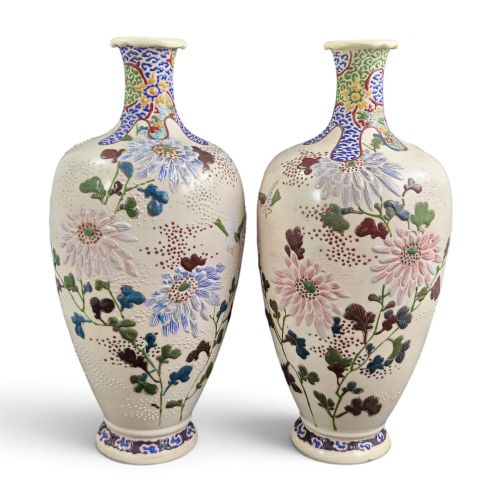
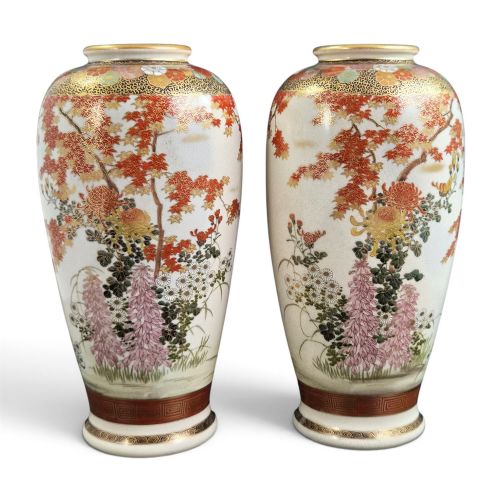
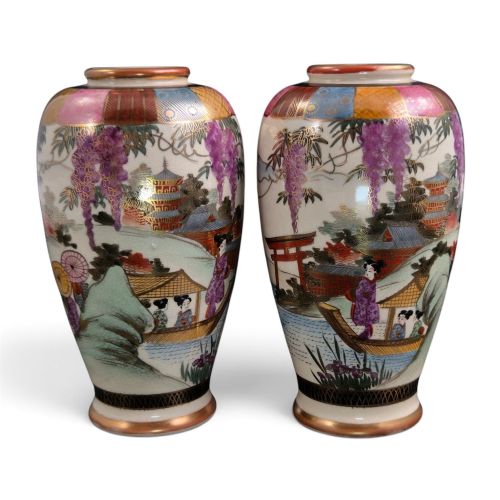
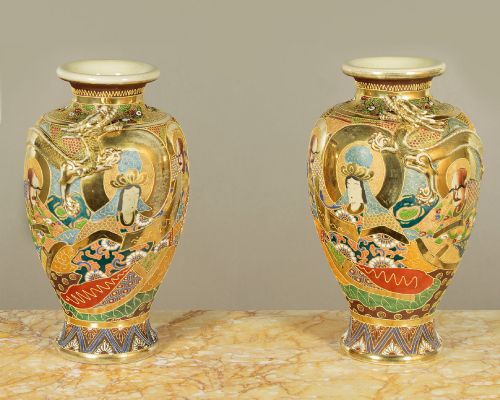
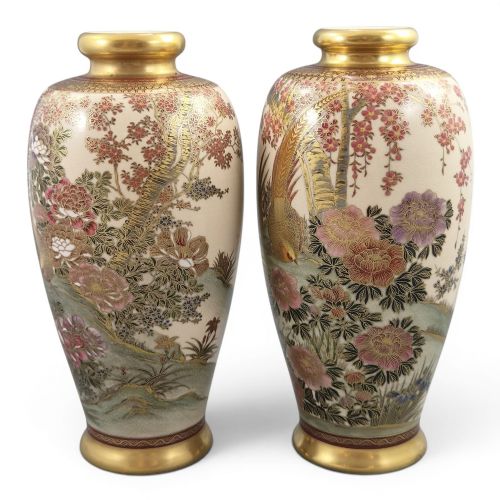
These polychrome japanese pottery urn pieces bring rich Satsuma and Kutani enamel work into a room.
Polychrome Japanese Pottery Urn
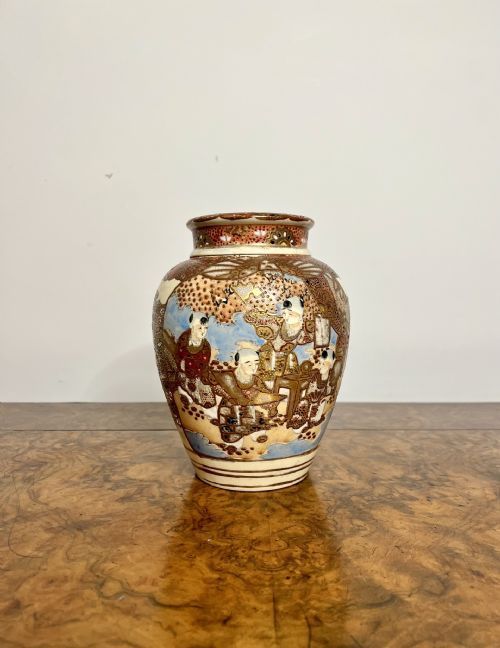
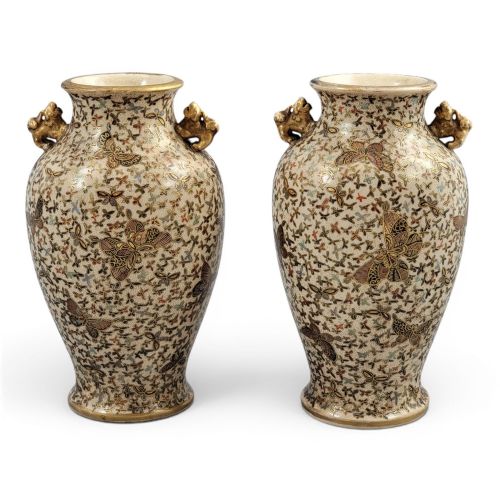
A polychrome japanese pottery urn search reveals vessels spanning the nineteenth century, the Meiji period, and into the Taisho and Showa periods. Buyers meet pieces ranging from ginger jars and lidded vessels to large floor vases and two-handled urn forms.
The selection centres heavily on Satsuma ware from centres like Kyoto and Kobe, alongside Kutani and Kakiemon pieces. These forms arrive decorated with landscapes, floral motifs, arhats, and the thousand butterflies pattern.
Materials and construction
Potters built these vessels using earthenware and porcelain bodies before applying intricate glazes and polychrome enamel decoration. Artisans then enriched the surfaces further using gold leaf, gilt, and detailed gilding.
Many pieces carry signatures from makers such as Manpei, Kinzan, and Kinkozan, alongside the Shimazu mon. Hand-painted execution defines the output across both late nineteenth-century examples and early twentieth-century creations.
Distinctions in quality
The degree of fineness in the brushwork and the density of the gilding separate standard production from exhibition quality works. Rich, multi-coloured enamel application combined with precise detail work marks out the superior pieces.
Scale and presence also dictate distinction, moving from standard mantel vases up to massive thirty-eight inch floor vases. Intricate subject matter, such as arhats or complex landscape scenes, signals higher ambition from the workshop.
Maruni Kobe·Manpei·Kinzan·Hododa·Hayakawa·Kinkozan
The Polychrome Japanese Pottery Urn Glossary
- Satsuma
- A type of Japanese earthenware originating from Satsuma Province, traditionally characterised by a crackle glaze and elaborate polychrome and gilt enamel decoration.
- Kutani
- Japanese porcelain and pottery known for bold enamel colours, particularly iron red and green, depicting figures, birds, and flowers.
- Mon
- A Japanese emblem or crest used to decorate ceramics and identify family lineages or clans, such as the Shimazu mon found on Satsuma wares.
- Meiji Period
- The era in Japanese history spanning from eighteen sixty-eight to nineteen twelve, noted for exceptional decorative arts produced for export.
- Arhat
- A Buddhist holy person or perfected sage, frequently depicted in detailed robes upon Satsuma and Kutani vases.
Polychrome Japanese Pottery Urn: Frequently Asked Questions
What is a Satsuma urn?
Satsuma urns are Japanese earthenware vessels featuring a distinctive creamy crackle glaze beneath dense polychrome enamel and gilt decoration. They range from small ginger jars to large floor vases.
Makers typically ornamented these pieces with landscapes, figures, flowers, and traditional motifs designed for export markets during the Meiji and Edwardian eras.
How do I date these urns?
Dating relies on stylistic shifts between the nineteenth century Meiji period and the later Taisho and Showa periods. Finer hand-painted detail and specific maker signatures often point towards the earlier Meiji decades.
Victorian and Edwardian import periods also provide helpful chronological markers for pieces arriving in Western markets during those decades.
How do I display a floor vase?
Large floor vases require stable placement in open interior spaces where their scale and painted details can be fully appreciated. Pairing them with minimal surrounding decor highlights their intricate polychrome and gilt surfaces.
Positioning them away from high-traffic areas protects the delicate enamel and gold leaf work from accidental contact.