


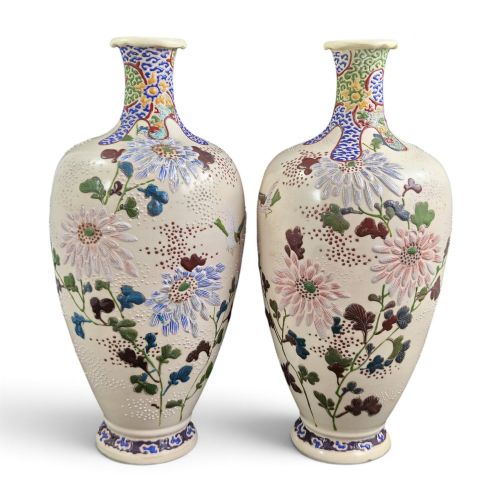
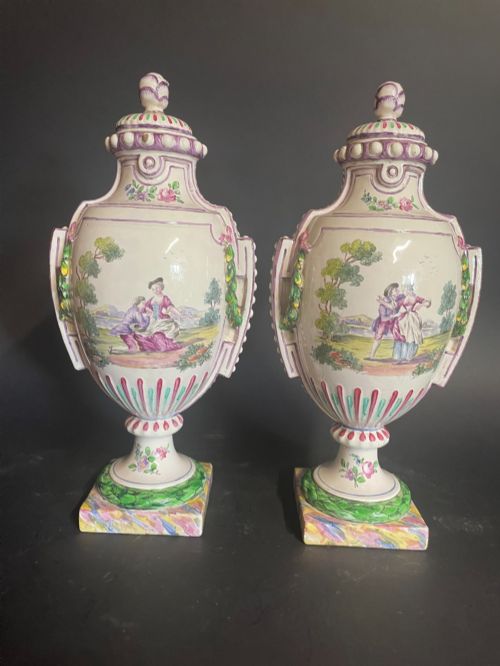

Polychrome Ceramic Urn
A polychrome ceramic urn brings vibrant pigment and complex glaze work into a room, drawing the eye instantly.
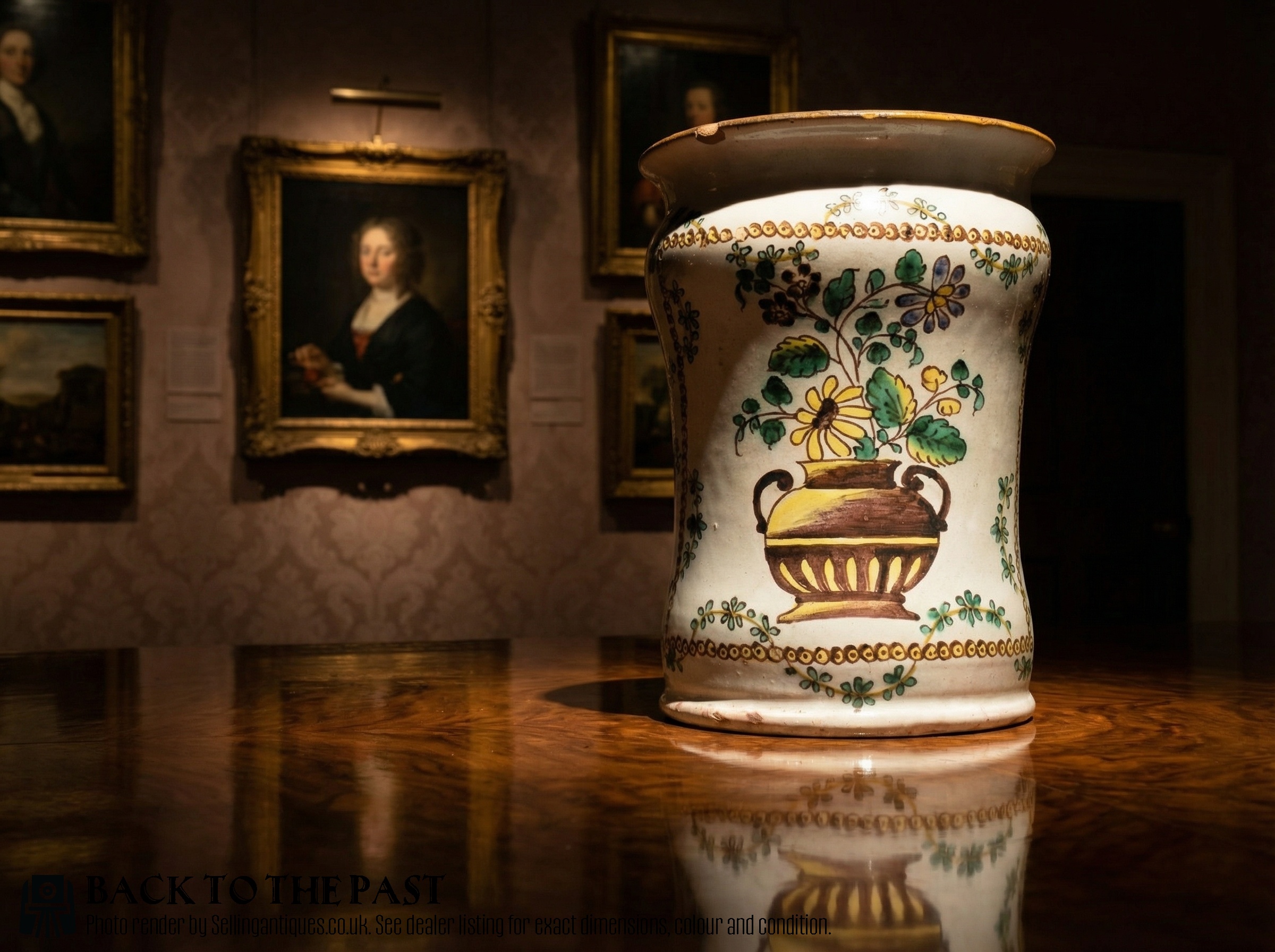
Polychrome Ceramic Urn
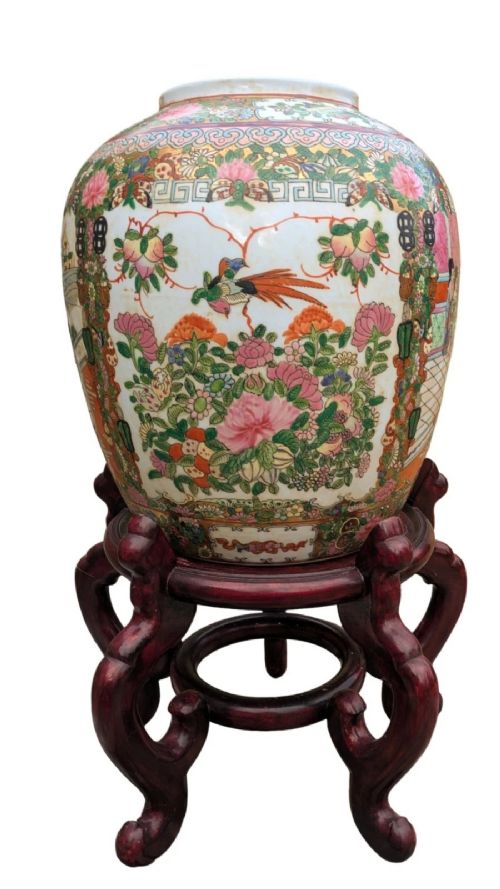
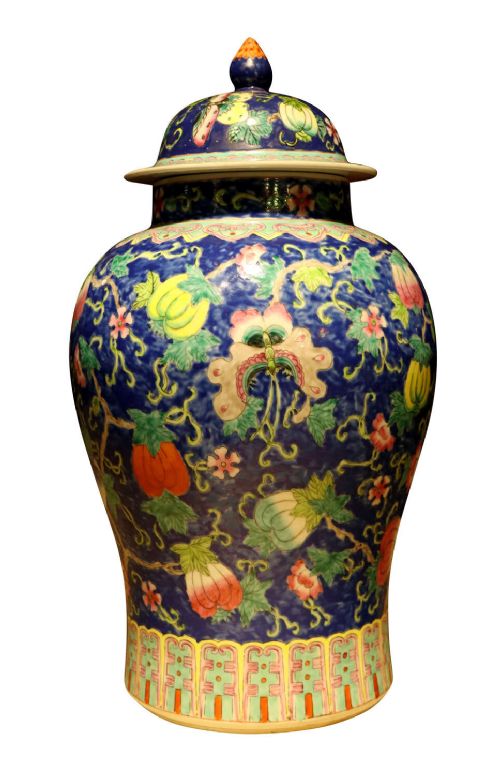
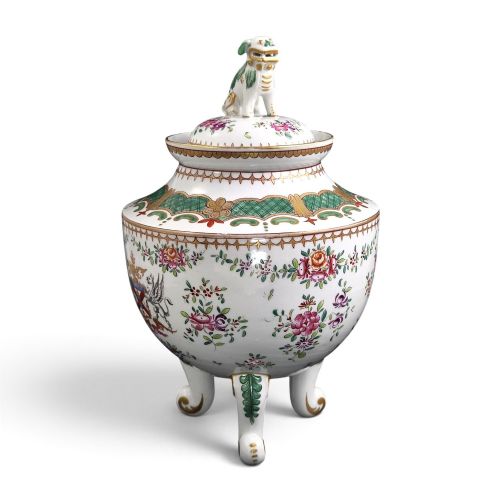
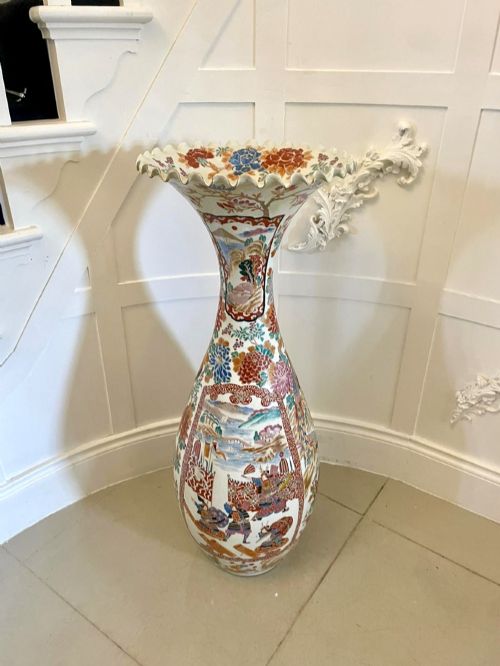
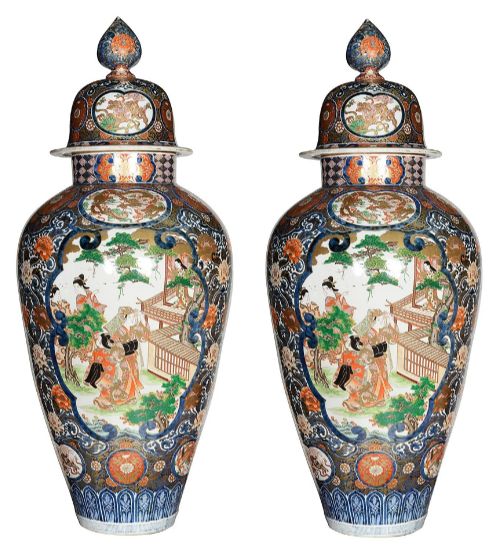
A polychrome ceramic urn is a vessel shaped for display, often taking the form of a lidded jar, floor-standing piece, or handled vase, decorated in multiple colours. When searching for a polychrome ceramic urn, buyers encounter pieces originating from nineteenth-century Japanese workshops, Chinese imperial periods, and European potteries.
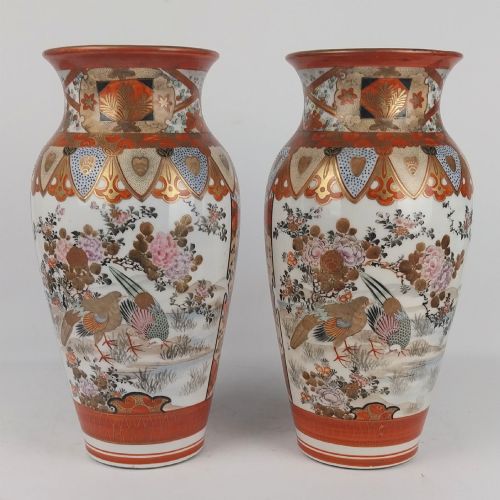
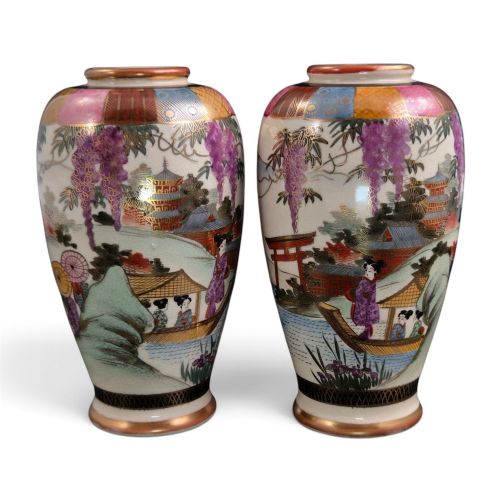
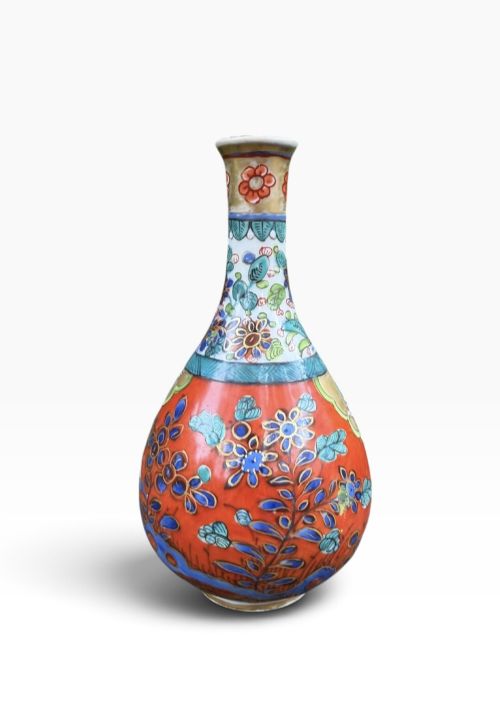
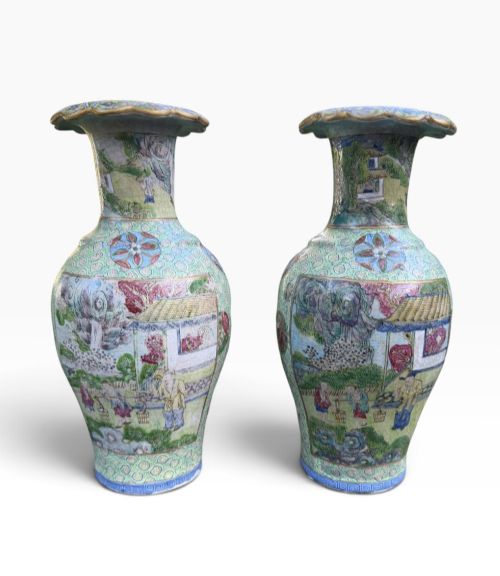
The selection ranges from large Imari and Satsuma floor vases to Dutch Delftware jars and English ironstone posy vessels. Nineteenth-century examples dominate the offerings, alongside eighteenth-century Italian majolica and twentieth-century Republican period Chinese porcelain.
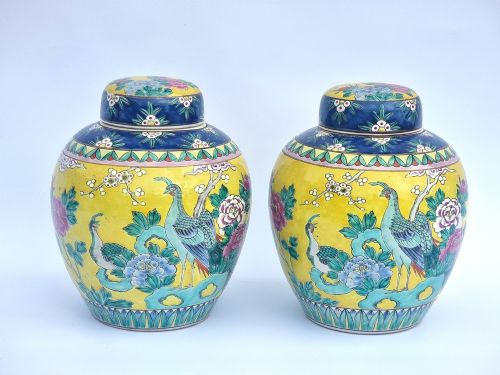
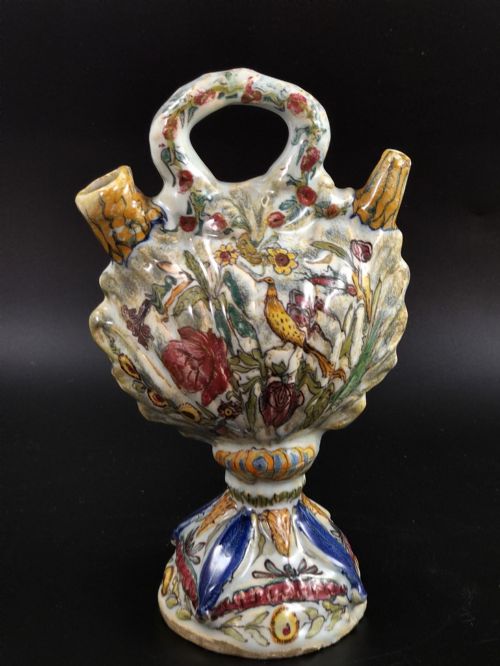
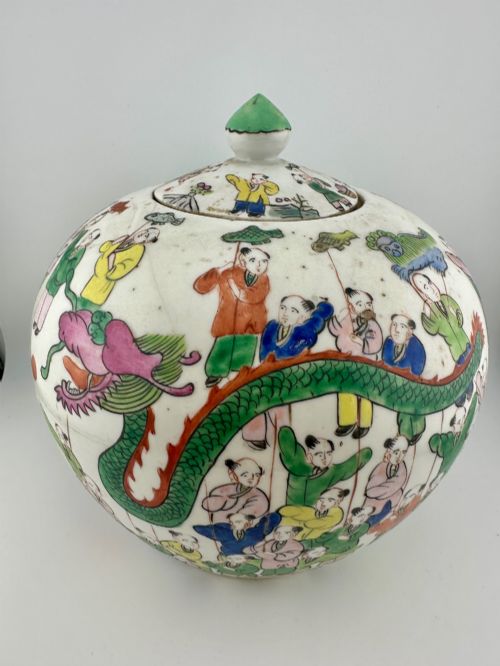
Vessels span a variety of distinct regional forms, including ginger jars, pilgrim flasks, campana shapes, and covered urns. Each style carries the palette and decorative conventions of its specific origin, from Japanese pictorial landscapes to European armorial motifs.

Materials and production methods
Potters shaped these pieces from ceramic, porcelain, earthenware, and ironstone, frequently applying a tin glaze or cracked glaze as a base for the decoration. Artisans then built up the polychrome surface using mineral enamels and metallic pigments.
Many items incorporate gold leaf and gilt highlights, applied over the fired glaze to accentuate specific motifs. Kiln techniques varied by region, ranging from high-temperature Chinese firing processes to the lower-firing earthenware methods employed in European faience.
Polychrome Ceramic Urn Retail Price Guide 2026
Typical asking prices for polychrome ceramic urn among the pieces listed under this phrase on Sellingantiques today, from the lower quarter to the upper quarter. They describe what is for sale here now, not the wider market.
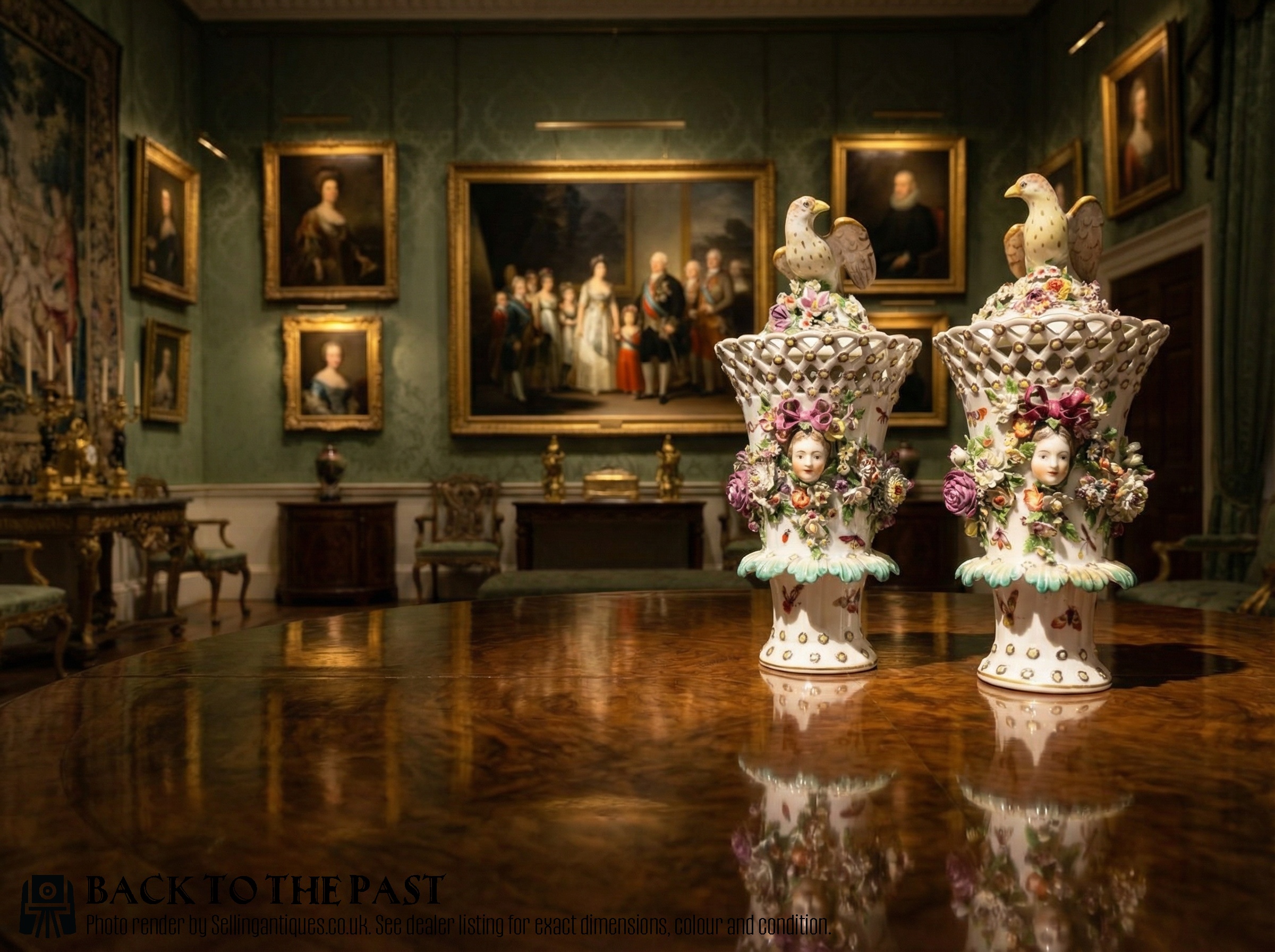
Exotic birds and delicate butterflies populate nineteenth-century surfaces, permanently frozen mid-flight across ceramic bodies.
Judgements of quality
Quality rests upon the precision of the hand-painted brushwork and the complexity of the polychrome palette. Superior pieces exhibit fine control in multi-coloured enamel application, where delicate botanical or figurative details remain crisp across the curved surface.
The depth and consistency of the glaze layer also separate standard production from exceptional work. Finer examples display harmonious integration of gilt leaf or gold accents without cluttering the underlying ceramic body.
Maruni Kobe·Samson Paris·Manpei·Kinzan
The Polychrome Ceramic Urn Glossary
- Polychrome
- Decorated in several colours. This term describes ceramics utilising a rich palette of enamel pigments rather than a single monochrome glaze.
- Imari
- Japanese export porcelain decorated in underglaze blue, iron red, and gold. These pieces typically display dense floral and brocade patterns.
- Majolica
- Tin-glazed earthenware produced in Italy. The technique allows for bright painted designs applied directly to an opaque white glaze.
- Faience
- European tin-glazed pottery. Tin glaze provides a smooth white background suitable for colourful overglaze painting.
- Famille Rose
- Chinese porcelain decorated with an opaque pink enamel introduced during the Qing dynasty. The palette also includes yellow, blue, and green hues.
Polychrome Ceramic Urn: Frequently Asked Questions
How were these urns used historically?
Many of these vessels served as decorative centrepieces in grand rooms, drawing attention on mantelpieces, pedestals, or tables. Lidded jars and ginger jars also functioned to store dry goods or potpourri.
Larger floor-standing examples filled empty corners in Victorian and Edwardian interiors, displaying wealth and an appreciation for global trade goods.
Can these ceramic urns hold water?
While many historical vessels were created purely for decorative display, some pottery and porcelain bodies can hold water if glazed entirely on the interior. However, porous earthenware and older tin-glazed pieces risk moisture seepage.
It is safest to use a discreet glass liner inside antique ceramic urns if fresh flowers or foliage are required.
How do I distinguish Japanese Satsuma from Imari?
Satsuma wares feature a distinctive cream-coloured, crackle-glazed earthenware body painted with detailed figures, landscapes, and raised enamels. They often carry signatures of specific studios or artists.
Imari pieces are porcelain rather than earthenware, defined by a rigid palette of dark blue, iron red, and gilt over a hard white base.
How should I display a large floor vase?
Large floor vases require stable placement away from heavy household traffic to prevent accidental knocks. Placing them directly on solid flooring rather than thick carpet ensures balance.
Allowing sufficient space around the vessel lets the polychrome details and painted panels catch the light without visual crowding.