

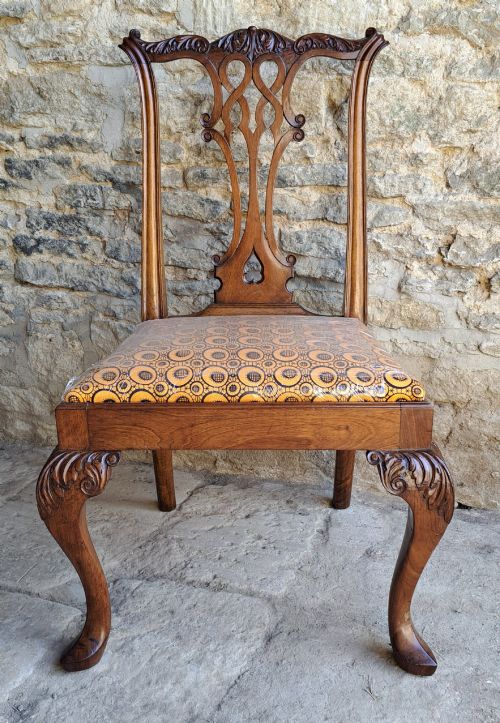
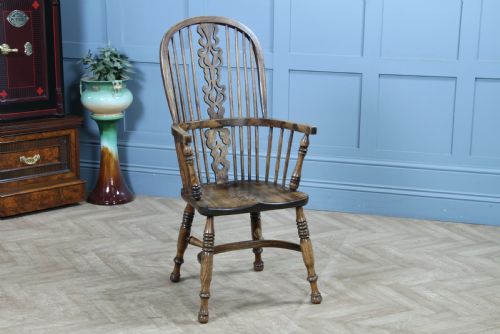
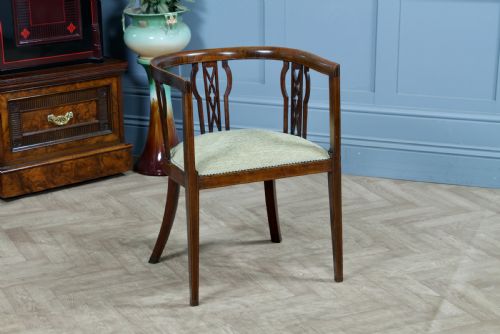
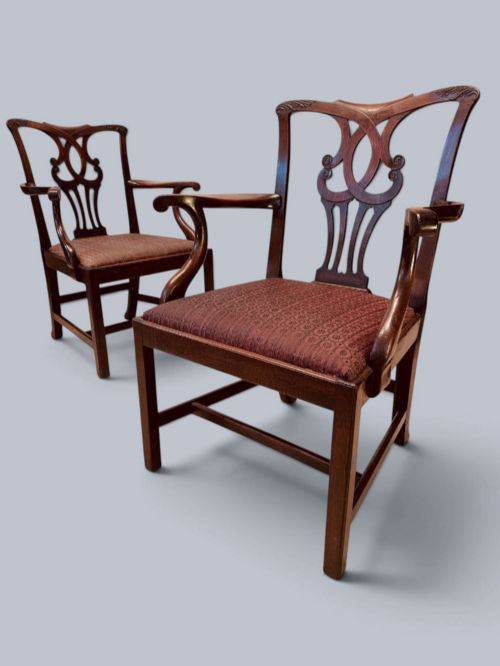
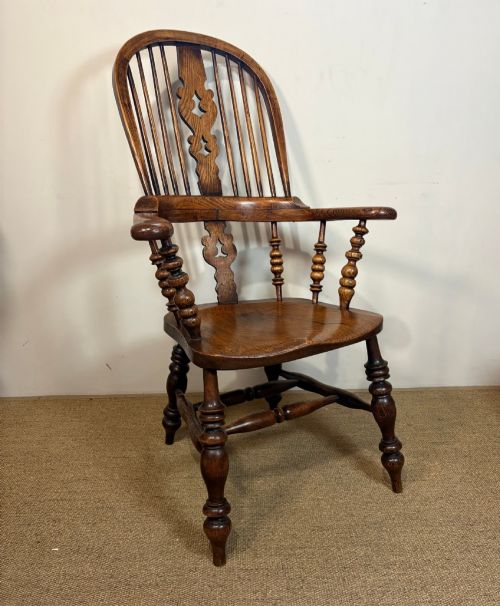
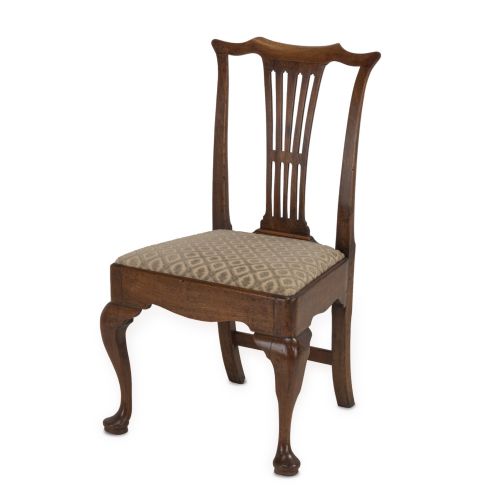
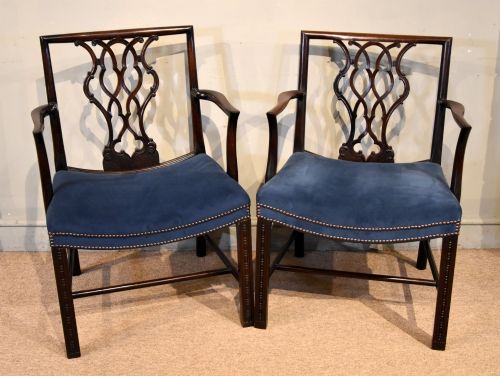
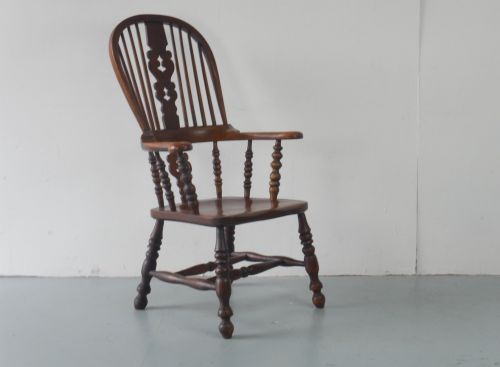
Pierced Splat Desk Chair
A pierced splat desk chair brings solid eighteenth and nineteenth-century craftsmanship to a study.
Pierced Splat Desk Chair
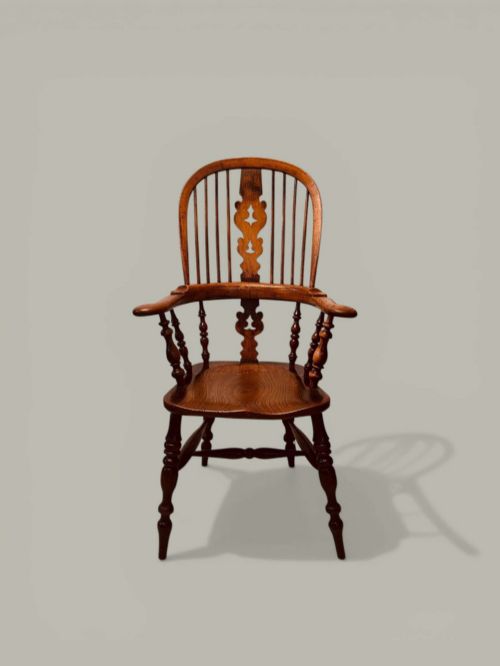
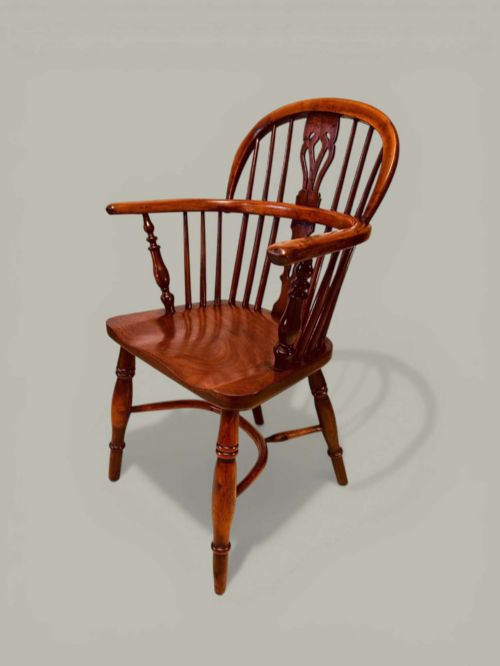
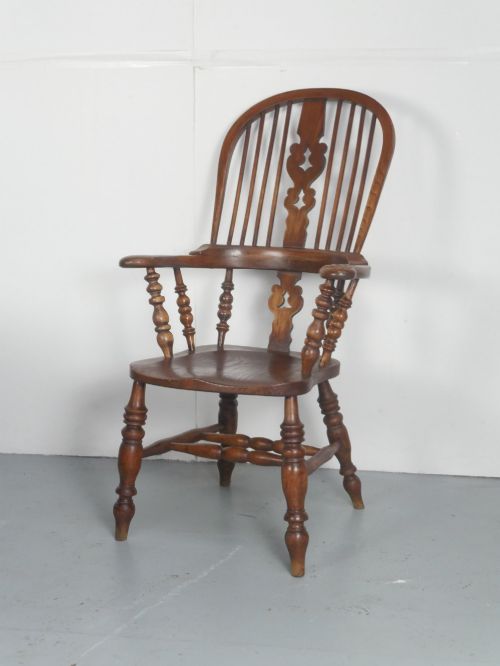
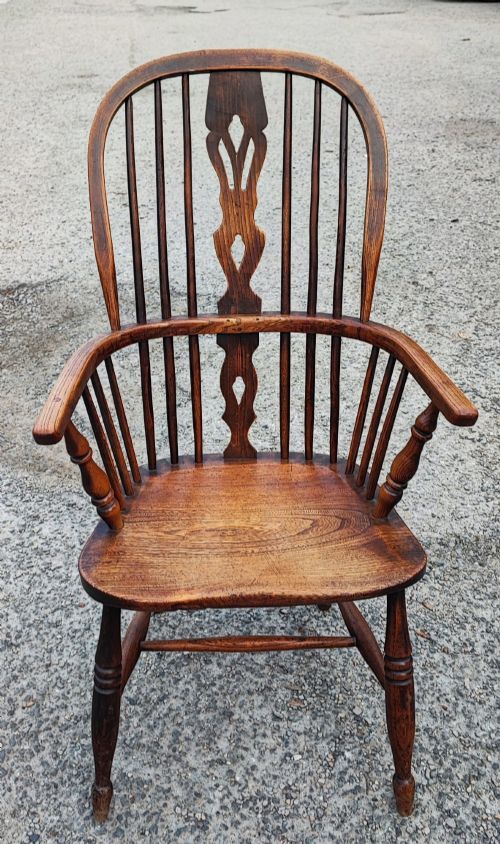
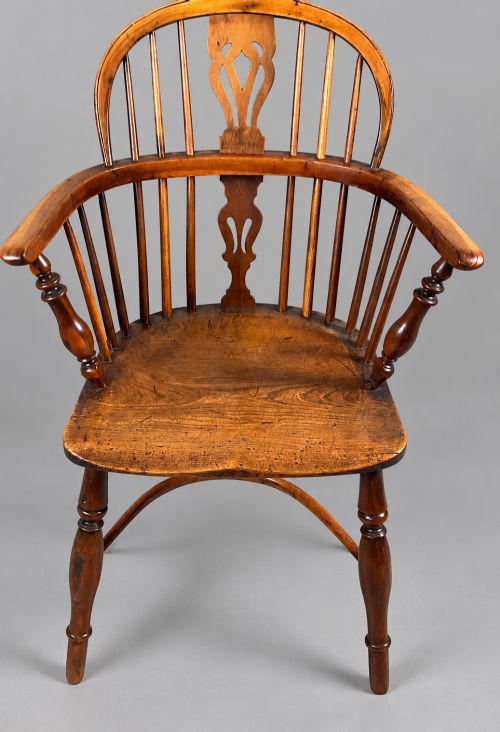
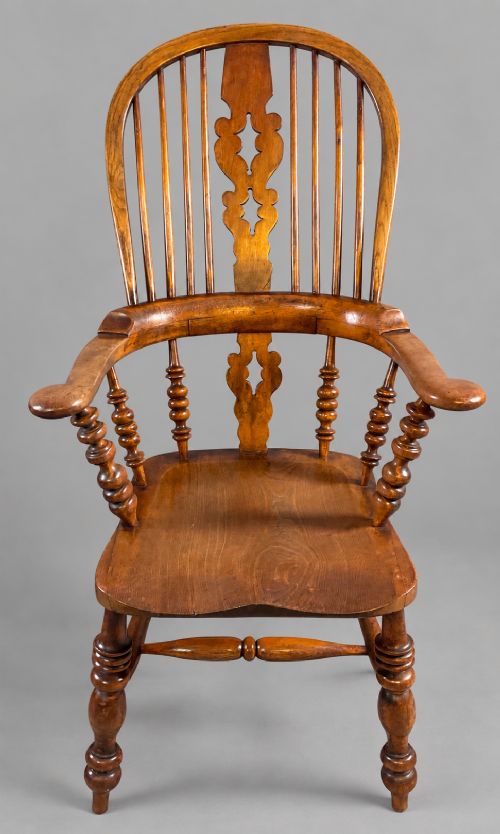
A pierced splat desk chair provides a supportive seat for writing and reading, drawing on robust seating forms from the eighteenth and nineteenth centuries. These items appear across Georgian, Victorian and Edwardian periods, utilising materials like mahogany, walnut, elm and yew.
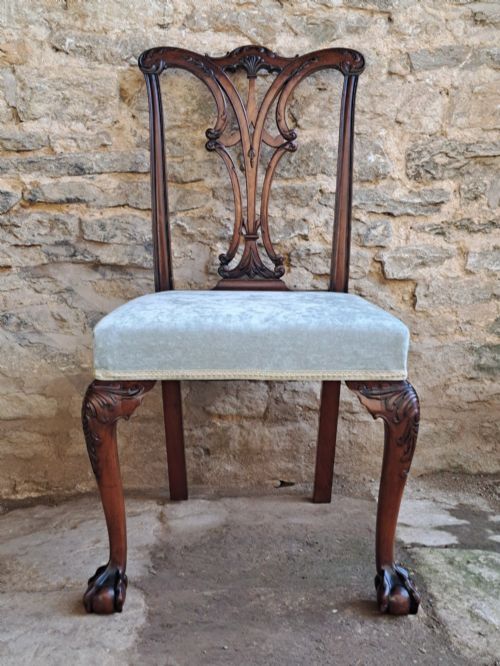
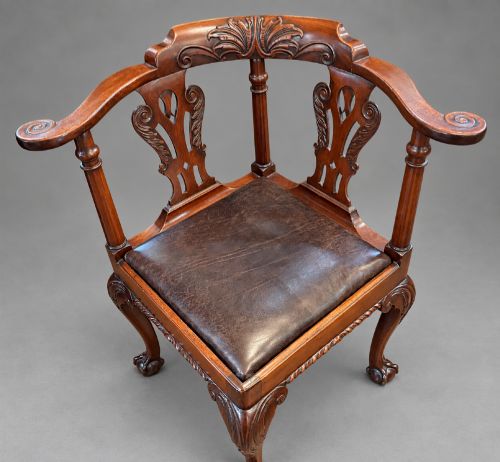
Makers shaped these seating options as armchairs, side chairs and elbow chairs, drawing on Chippendale style, English country vernacular and George III designs. A buyer examining this category will find sturdy woods combined with distinct back splats suited for domestic work spaces.
How they were made
Carpenters constructed these chairs using solid native and imported timbers, pairing mahogany and walnut for formal rooms with ash, elm and yew for country frames. Workshops relied on traditional joinery, integrating carved pierced splats into upright back rails.
Seats often utilised drop-in frames or solid wood panels, supported by cabriole legs, straight rails or turned spindles. Natural timber grains received polished or waxed finishes to protect the wood while highlighting the grain structure.
Pierced Splat Desk Chair Retail Price Guide 2026
Typical asking prices for pierced splat desk chair among the pieces listed under this phrase on Sellingantiques today, from the lower quarter to the upper quarter. They describe what is for sale here now, not the wider market.
Listings feature mahogany, yew, elm and walnut across eighteenth and nineteenth-century periods.
What varies in quality
Construction methods and timber selection set individual pieces apart, separating standard utility items from finely carved examples. The crispness of the pierced splat carving and the weight of the mahogany or walnut dictate the refinement of the piece.
Originality of components and timber selection influence the overall integrity of the frame. Sound historical repairs and honest surface patination reflect better treatment through successive generations.
Gabbitass Worksop
The Pierced Splat Desk Chair Glossary
- Splatted back
- A vertical wooden slat set in the centre of a chair back, frequently pierced or carved into decorative geometric patterns.
- Chippendale style
- A design influence originating from eighteenth-century cabinet maker patterns, characterised by pierced ribbon backs and cabriole legs.
- Windsor chair
- A sturdy seating form constructed with a solid wooden saddle seat into which turned legs and spindles are wedged directly.
- Cabriole leg
- A furniture leg featuring a double curve, bending outward at the knee and inward at the ankle, ending in a pad or claw foot.
- Drop-in seat
- A removable upholstered frame fitted into a recessed ledge within the chair rails.
Pierced Splat Desk Chair: Frequently Asked Questions
What periods do these chairs cover?
The selection spans the eighteenth and nineteenth centuries, taking in Georgian, Victorian and Edwardian eras. Pieces reflect manufacturing traditions from seventeen-fifty onward.
Craftsmen built these items using regional woods and prevailing aesthetic movements such as Chippendale style and English country vernacular.
How were these chairs used originally?
These seating options served for writing desks, dressing tables and general parlour use. Armchairs and elbow chairs provided comfort for reading and correspondence.
Side chairs offered compact seating around tables and desks in period libraries and domestic studies.
What woods appear in these listings?
Cabinet makers utilised mahogany, walnut and fruitwood for formal rooms. Country workshops employed elm, ash, yew, beech and oak.
Combinations of yew and elm frequently appear in Windsor forms, while mahogany dominates formal desk and dining seats.
How do I distinguish regional styles?
Formal urban pieces display carved mahogany or walnut frames with cabriole legs and pierced splats. Country vernacular items rely on turned spindles, bentwood hoops and solid elm seats.
Makers adapted standard forms to local materials, creating distinct regional variants across England and Ireland.