
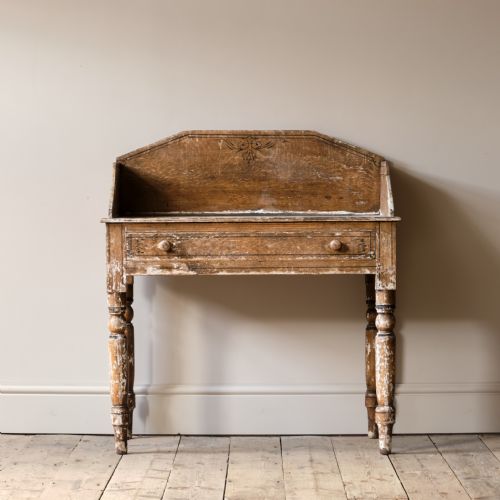
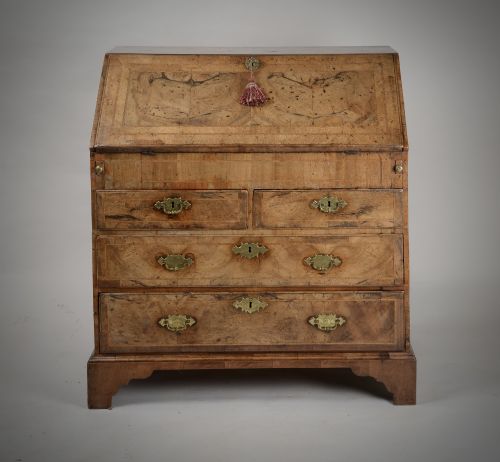
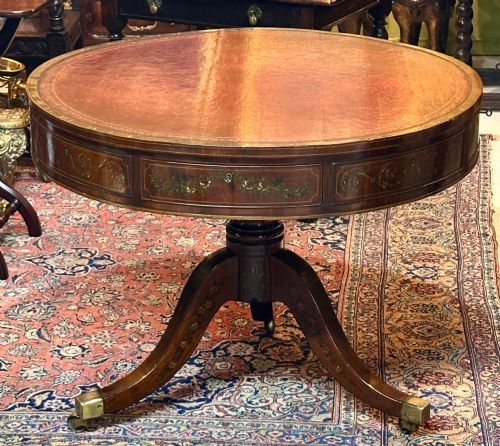
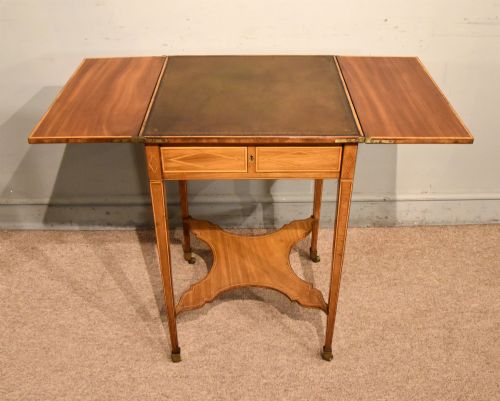
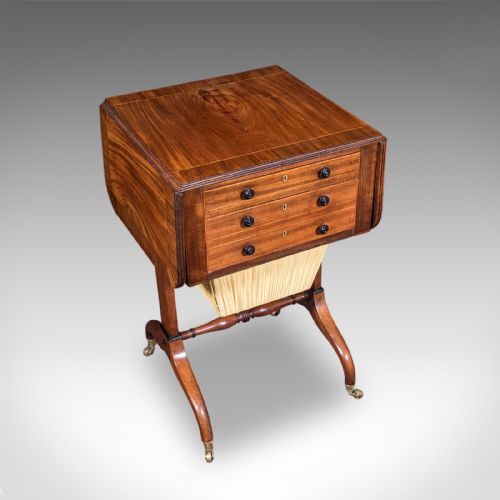
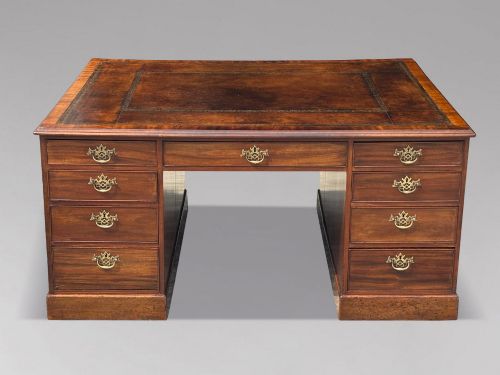

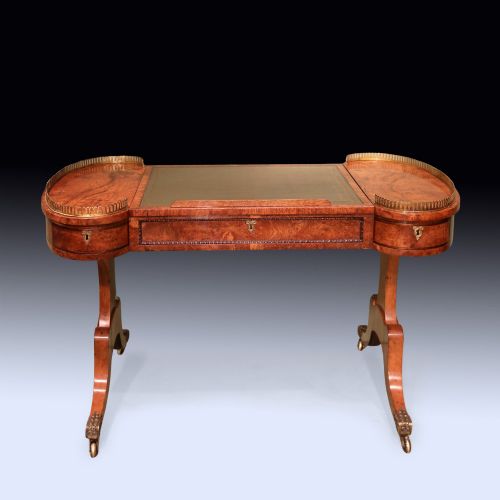
Period Writing Desk
A period writing desk brings tangible history into a room, offering practical surface space rooted in centuries of woodworking tradition.
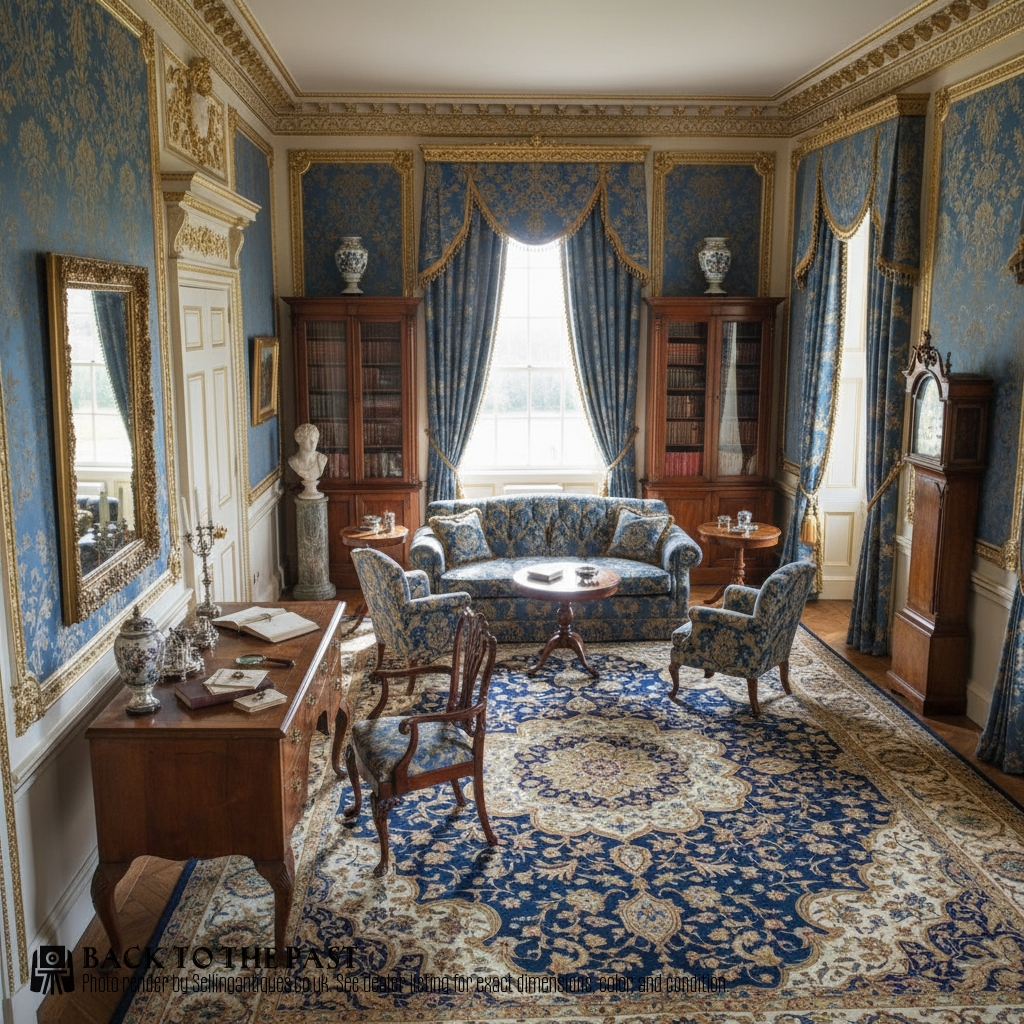
Period Writing Desk
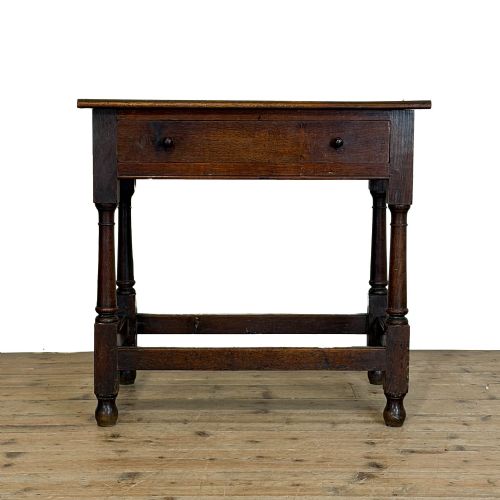
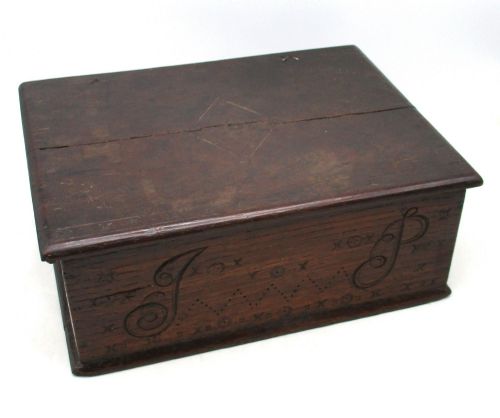
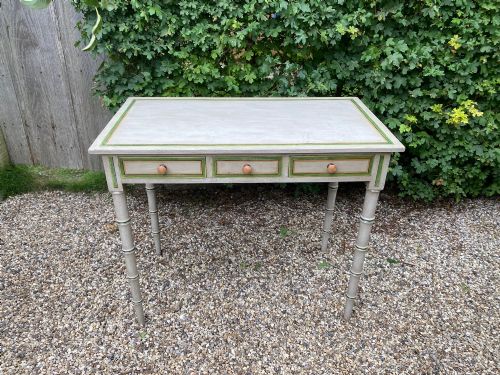
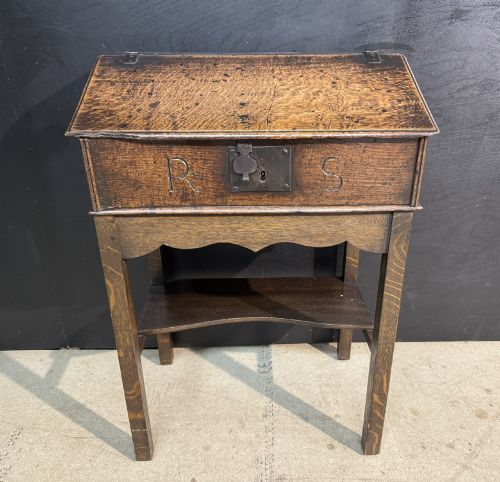
A search for a period writing desk uncovers a diverse range of historic furniture designed for correspondence and administration, spanning centuries of British and European craftsmanship. The forms encountered here stretch from early oak document boxes and slant-front bureaus to grand mahogany partners desks and refined Regency tables.
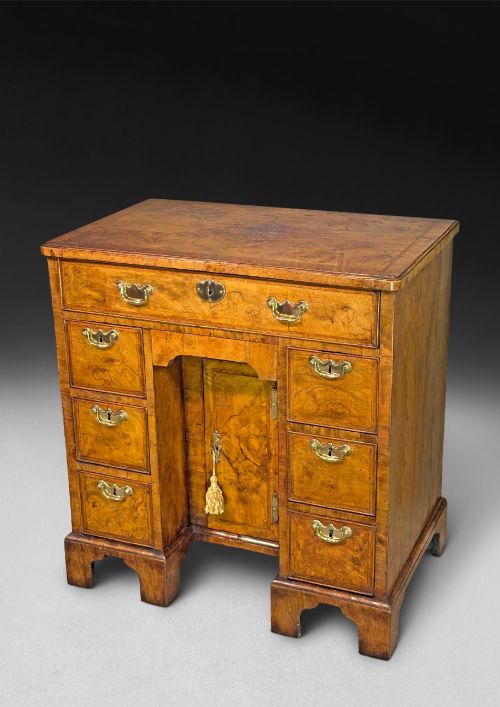
Buyers frequently meet mahogany and walnut examples from the Georgian and Regency eras, alongside robust oak pieces dating back to the seventeenth century. These items served functional roles in libraries, studies, and chambers, evolving from simple portable slopes into sophisticated freestanding pieces of furniture.
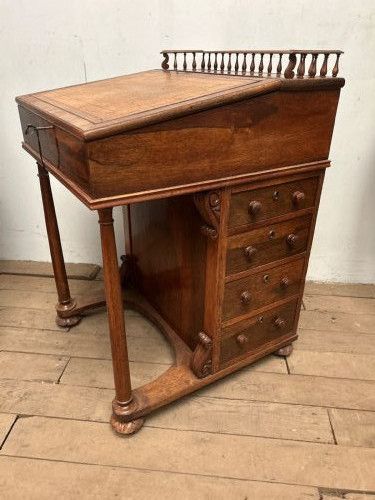
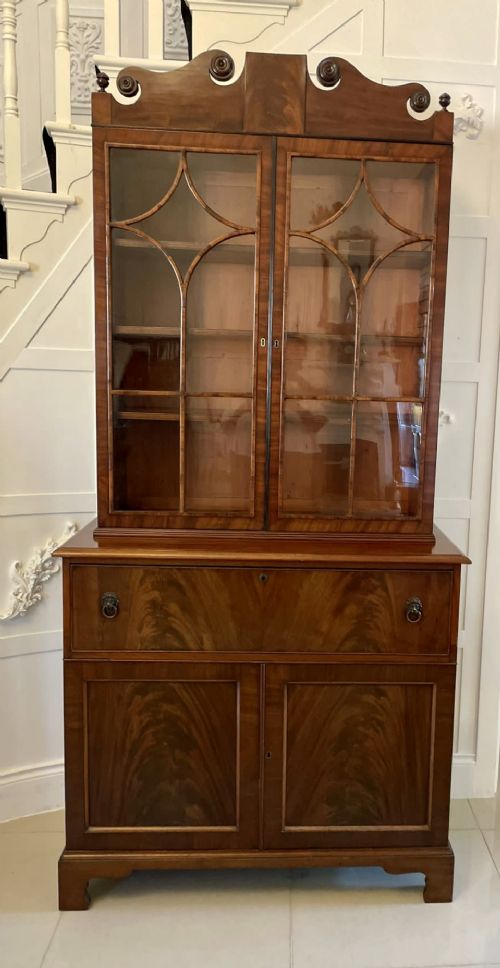
The selection also includes specialised variants such as Davenport desks, secretaire bookcases, and inlaid satinwood tables. Each surviving piece reflects the domestic habits and administrative needs of its respective period, from the seventeenth century through to the Art Deco era.
Materials and construction
Cabinetmakers relied heavily on dense hardwoods such as mahogany, oak, and walnut, often applying burr veneers or delicate satinwood and ebony inlay to decorative surfaces. Structural elements utilised secondary timbers, while working surfaces frequently incorporated inset panels of leather.
Traditional joinery techniques governed the construction of drawers, carcases, and writing slopes, utilising dovetail joints and solid framing to ensure longevity. Metal fittings in brass and iron provided functional hardware for handles, escutcheons, and hinges.
Surface finishing involved hand-applied polishes and wax coatings that developed a deep patina over centuries of use and maintenance. Decorative metalwork like ormolu mounts occasionally accented high-status pieces from the Victorian period.
Several seventeenth-century oak boxes carry the label of Bible boxes, though many spent their working lives storing confidential ink and parchment.
Evaluating craftsmanship and distinction
Quality in these desks rests upon the selection of timber, particularly the grain figuration in walnut and mahogany veneers, and the precision of the underlying joinery. Superior examples demonstrate harmonious proportions, intelligent integration of drawers and compartments, and untouched patination built up over generations.
The sophistication of the internal fittings, such as secret drawers, pigeonholes, and subtle crossbanding, separates standard utility items from masterwork pieces. Finer desks exhibit crisp carving, well-executed inlay work, and robust structural integrity that has survived centuries of daily use.
The Period Writing Desk Glossary
- Bureau
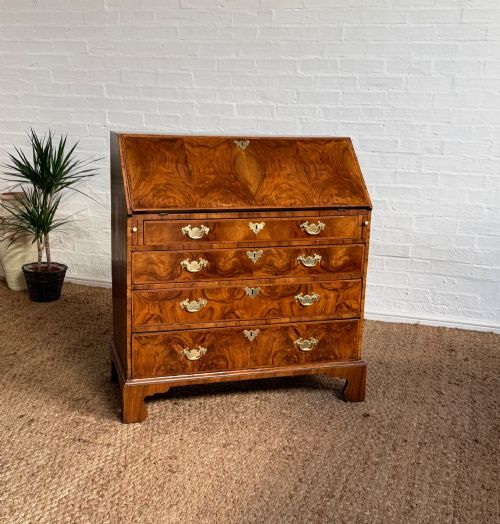
- A sloping desk with a hinged lid that opens to reveal internal compartments and pigeonholes. These often sit above a bank of graduated drawers.
- Davenport
- A compact writing desk featuring a sloping top and drawers accessed from the side. This form gained popularity during the Regency period.
- Partners desk
- A large double-sided pedestal desk designed to accommodate two people working opposite each other. They typically feature drawers and cupboards on both faces.
- Lowboy
- A small oak or walnut table with one or more drawers, originating in the late seventeenth century. These frequently double as dressing or writing surfaces.
- Secretaire bookcase
- A tall cabinet combining a shelved upper section with a drop-front writing drawer or desk compartment below. This form maximises storage within a single footprint.
- Crossbanding
- A decorative technique where narrow strips of veneer are applied across the grain of the primary wood panel. This creates a contrasting border around drawer fronts or tabletops.
Period Writing Desk: Frequently Asked Questions
How do I date a writing desk?
Dating relies upon examining the secondary timbers, construction methods, and hardware styles characteristic of specific centuries and reigns. Changes in drawer dovetailing and wood preparation offer reliable indicators of age.
Stylistic cues such as leg turns, carving motifs, and veneer choices further narrow down the decade of production. Comparing these physical traits with documented examples helps place the piece accurately.
What is the difference between a bureau and a secretary?
A bureau typically refers to a slant-front desk with internal compartments, whereas a secretary or secretaire incorporates a writing surface within a larger cabinet or bookcase structure.
Both forms served administrative duties but evolved along different lines of domestic furniture design. The terminology often varies between British and international usage.
How were partners desks used?
Partners desks were built with identical workspace configurations on both sides to allow two individuals to work facing one another. They were traditionally utilised in banks, libraries, and large estate offices.
The generous proportions and double-sided drawer arrangements made them central pieces of furniture for busy administrative environments.
Are these desks suitable for daily laptop use?
Many historic writing tables and kneehole desks provide adequate surface area and sturdy construction for contemporary writing equipment and laptops. Consideration must be given to the height of the kneehole and the depth of the writing surface.
Protecting antique leather or polished wood surfaces with a modern desk blotter ensures the timber remains undamaged during everyday use.