
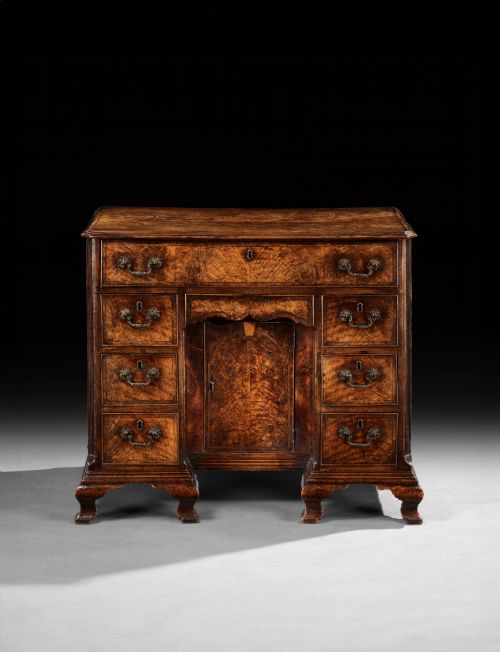
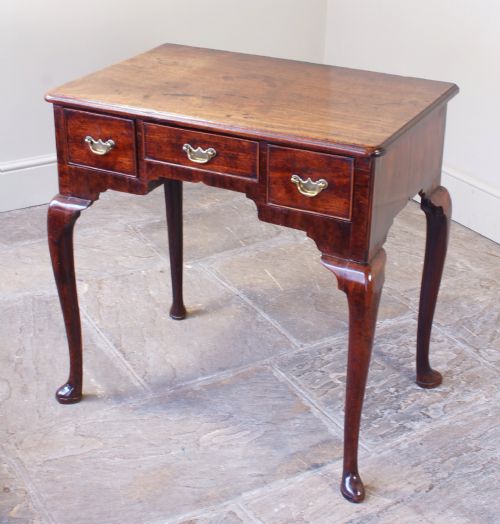


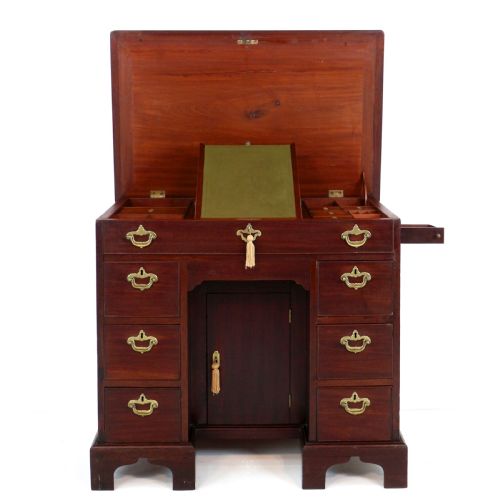

George II Writing Table
A george ii writing table is a sturdy, timber-rich workspace offering deep drawers and fine period proportions.
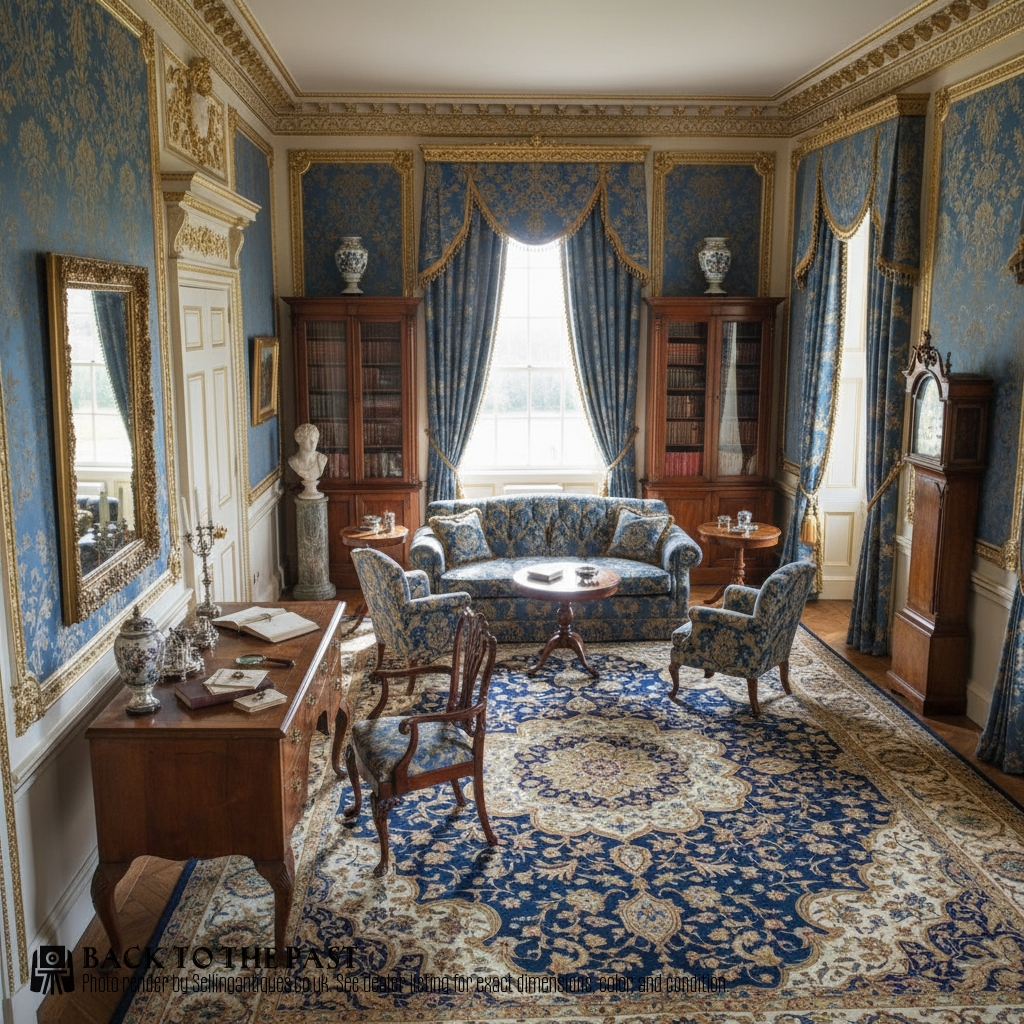
George II Writing Table
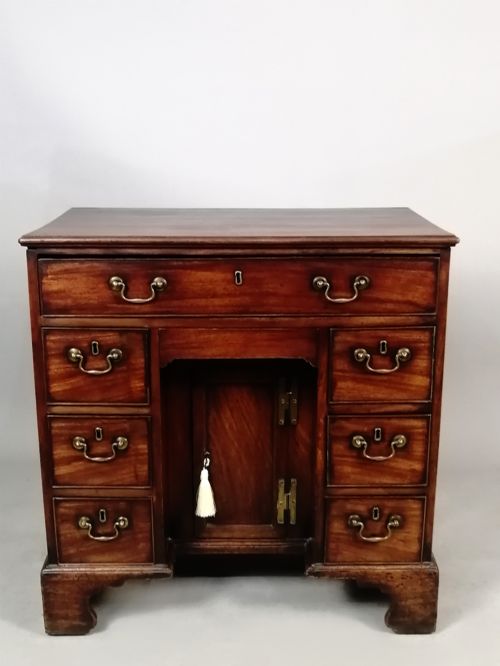
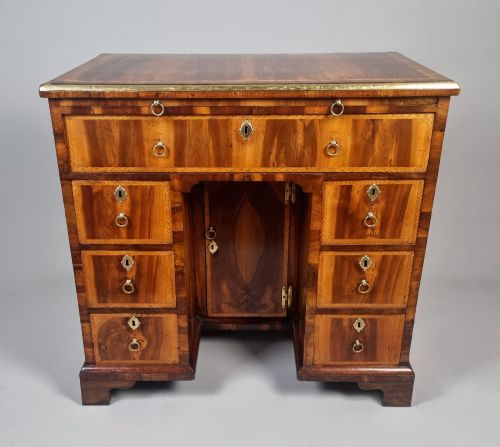
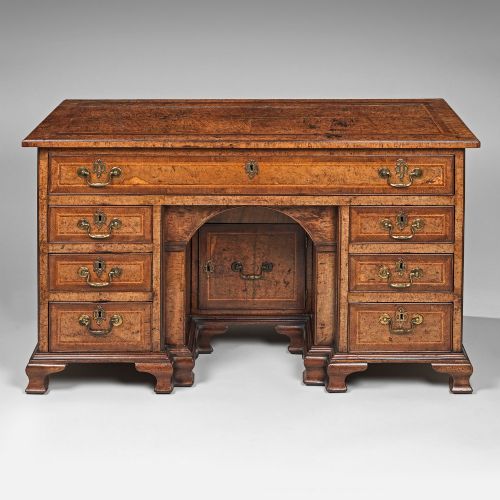
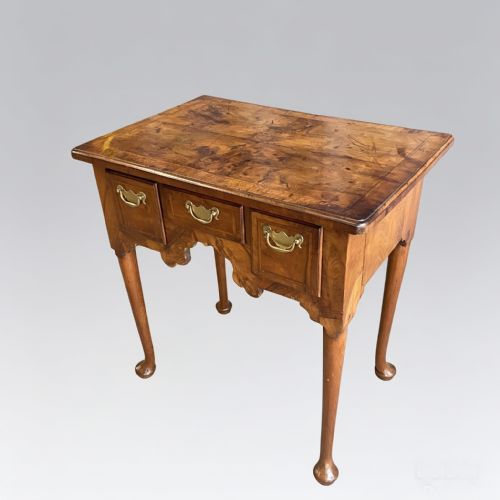
A george ii writing table brings practical 18th-century workspace design into modern rooms, typically appearing alongside related forms like lowboys, kneehole desks, and dressing tables.
Most examples found on this page date from the eighteenth century, constructed in oak, walnut, or mahogany, though later Victorian and revival interpretations also surface.
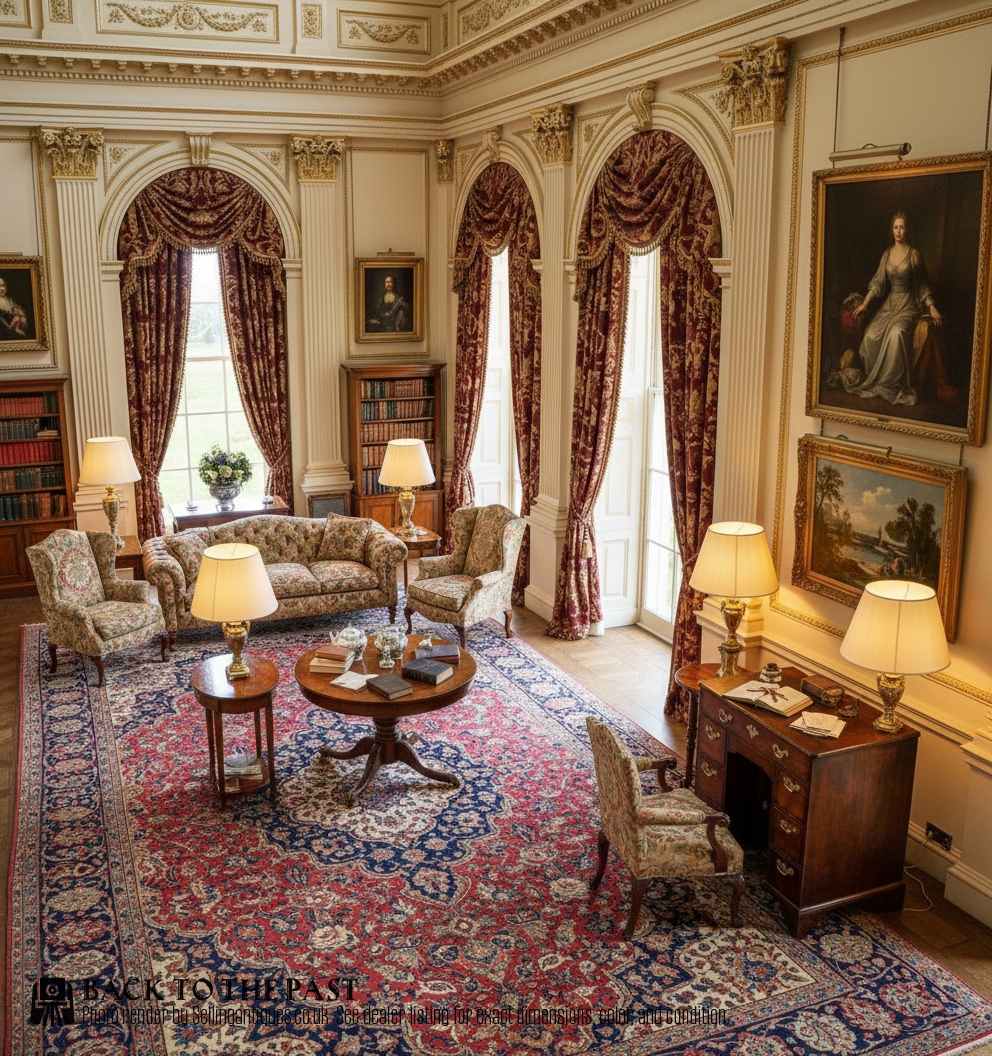
These pieces range from compact side tables to fitted desks with multiple small drawers, offering a designated writing surface that sits low and flat.
Materials and Construction
Cabinetmakers built these tables using solid native hardwoods like oak and mahogany, often applying walnut, burr walnut, or yew veneers to the primary display surfaces.
Detailed edge treatments such as featherbanding and inlay defined the drawer fronts and tabletops, while brass handles and escutcheons secured the storage compartments.
Joinery relied on traditional hand-cut joints to frame the drawer boxes and attach the legs, which frequently terminated in pad or cabriole shapes.
Several kneehole desks retain their original brasses, meaning tiny drawer locks still wait for keys lost centuries ago.
Judging Quality and Character
The choice of timber grain sets the standard for visual appeal, with figured burr walnut, fiddleback patterns, and rich red mahogany commanding greater visual depth.
Original hardware, untouched drawer linings, and minimal timber replacement elevate an example above pieces that have undergone heavy restoration or timber substitution.
The George II Writing Table Glossary
- Lowboy
- A small table with drawers, standing on four legs, typically used as a dressing table or side table in the eighteenth century.
- Kneehole desk
- A bureau or writing table featuring a central recess for the user's legs, flanked by banks of smaller drawers.
- Featherbanding
- A decorative inlay technique using thin strips of veneer arranged in a herringbone or chevron pattern around drawer borders.
- Cabriole leg
- A furniture leg that curves outward at the knee and tapers inward toward the ankle, ending in a pad or foot.
George II Writing Table: Frequently Asked Questions
How do I use a lowboy as a writing table?
A lowboy provides a flat top surface and shallow drawer storage suitable for holding paper and writing instruments.
Because these tables sit lower than modern desks, check the knee clearance height before pairing the piece with a chair.
What is the difference between walnut and mahogany pieces?
Walnut pieces generally date from the earlier part of the eighteenth century and display rich, figured grain patterns with warm brown tones.
Mahogany became more prominent later in the period, offering a denser timber that allowed for sharper carved details on cabriole legs.
Are revival writing tables considered authentic?
Revival writing tables date from the nineteenth or early twentieth century and replicate the proportions and decorative styles of the eighteenth century.
They offer functional workspace built with older revival techniques, distinguished from period originals by their secondary woods and construction marks.
How do I care for a veneered walnut surface?
Protect the thin walnut veneers by keeping the table away from direct sunlight and maintaining stable room humidity levels.
Apply a light coat of traditional beeswax periodically to nourish the timber without building up a heavy, glossy residue.