



Antique Timber Dressing Desk
An antique timber dressing desk is a sturdy, storied piece of furniture built for personal grooming and private correspondence, crafted from woods like mahogany, oak, and walnut.
Antique Timber Dressing Desk
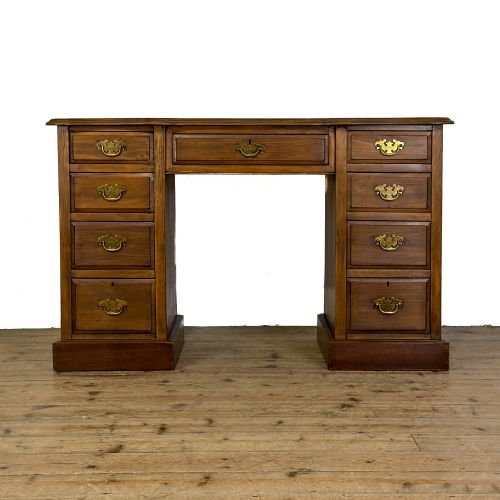
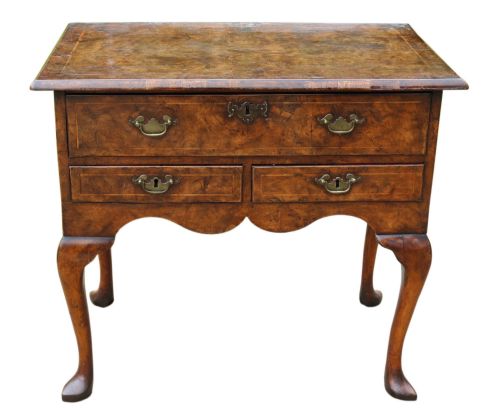
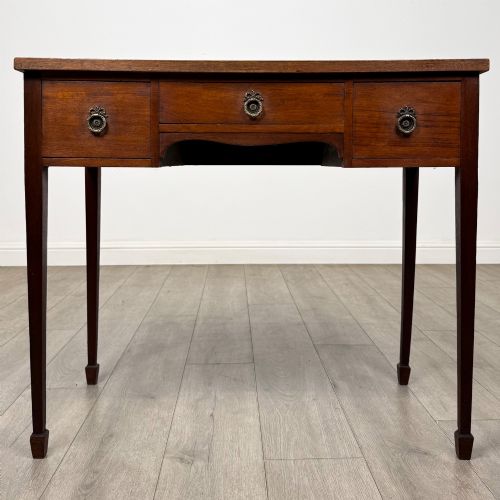
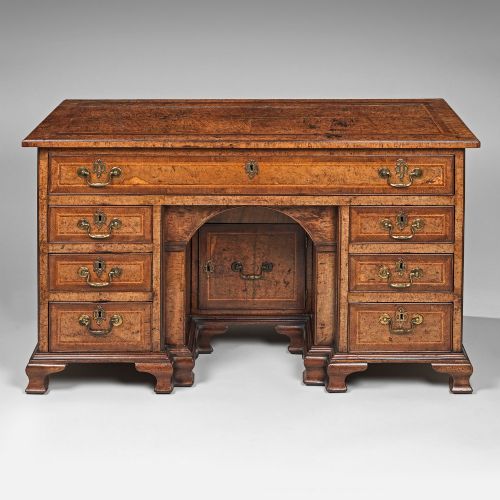
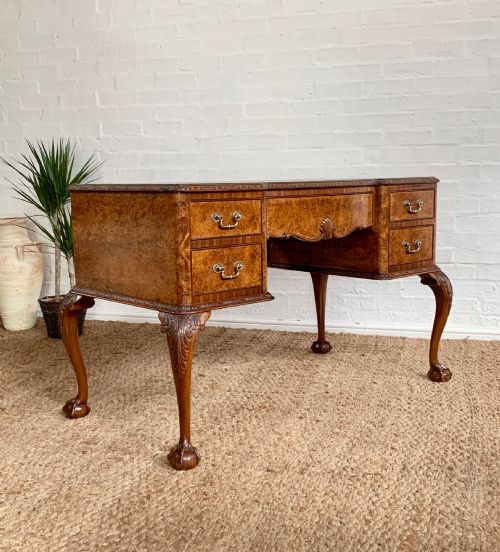
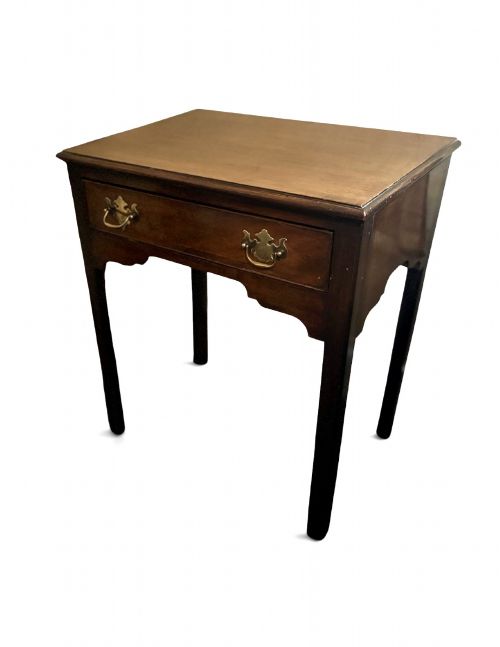
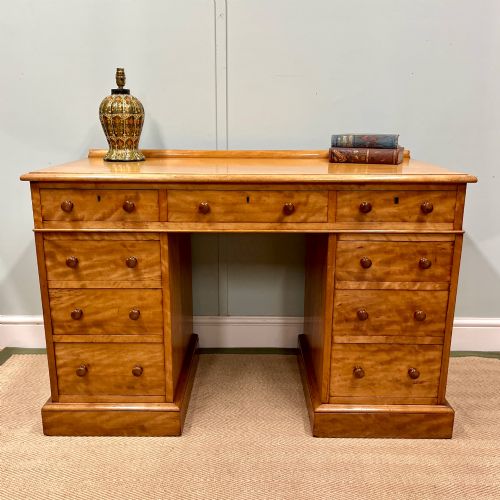
When you search for an antique timber dressing desk, you encounter a varied selection of forms that includes lowboys, kneehole desks, and side tables utilised for both writing and grooming. These pieces originate from periods spanning the eighteenth century through to the Edwardian era, reflecting shifting domestic habits over generations.
The version you are most likely to meet on this page is a Georgian or Victorian mahogany or walnut table, often featuring drawers and occasional fitted compartments. Makers from these eras constructed pieces designed to sit comfortably in a bedroom or dressing room, serving multiple daily functions.
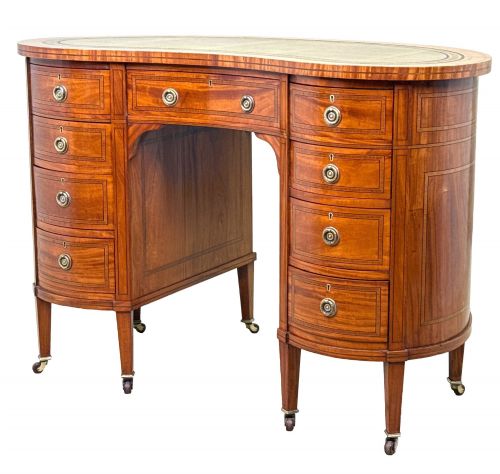
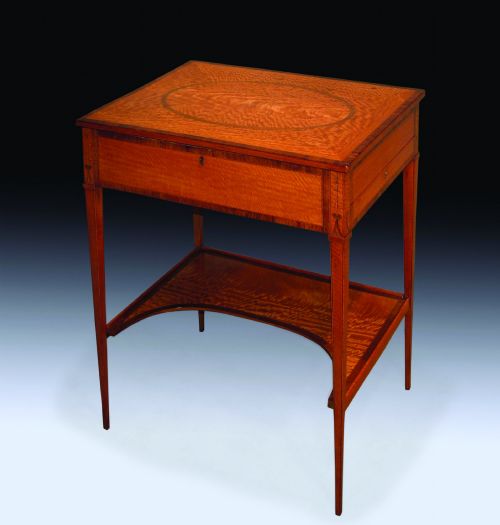
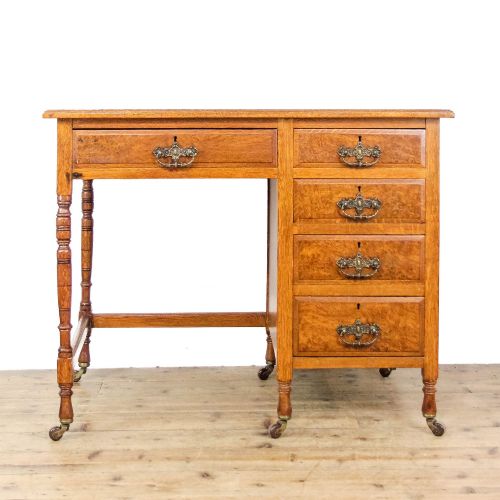
Examples stretch from modest oak writing desks to refined satinwood kidney-shaped tables and Dutch marquetry items. Each survival demonstrates how historical cabinet makers adapted simple timber frames to meet the practical demands of private spaces.
How they were made
Cabinet makers relied on dense hardwoods such as mahogany, oak, and walnut for the primary structure, often applying burr elm, satinwood, or fruitwood veneers to visible surfaces. These timbers were selected for both durability and grain figure, ensuring the furniture endured daily use.
Joinery techniques involved precise dovetailing for drawer construction and pegged mortise and tenon frames for stability. Brass handles, escutcheons, and leather writing surfaces were integrated to finish the pieces, balancing utilitarian strength with restrained ornamentation.
Several items combine two roles entirely, functioning equally as a writing desk or a dressing table depending on whether a mirror sits upon them.
What varies in quality
The grade of timber selection and the precision of the veneer work set finer examples apart from standard utility items. Cabinet makers who matched burr walnut or figured mahogany grains across drawer fronts achieved a visual harmony absent in simpler pieces.
Structural integrity depends on the original integrity of the joinery and the survival of secondary woods inside drawer linings. Pieces retaining their original brass hardware, leather inserts, and uncompromised internal framing command greater appreciation among collectors.
Heal and son
The Antique Timber Dressing Desk Glossary
- Lowboy
- A small dressing table or side table with drawers, typically supported by four tall legs. They gained popularity during the early eighteenth century.
- Kneehole desk
- A compact desk featuring a central recessed space for the legs, flanked by pedestals of small drawers. This form allows the user to sit directly facing the piece.
- Veneer
- A thin layer of figured wood applied over a secondary timber base to create decorative surfaces. Craftspeople used this technique to display dramatic grain patterns.
- Marquetry
- The art of applying pieces of wood veneer to a structure to form decorative patterns or pictures. Dutch examples frequently utilise floral or geometric motifs.
- Bowfronted
- A curved cabinet front that swells outward in the centre. This shape requires advanced woodworking skill to construct accurately.
Antique Timber Dressing Desk: Frequently Asked Questions
What is an antique timber dressing desk used for?
These pieces served historical households as private stations for morning grooming, applying cosmetics, and writing letters. The surface accommodated mirrors and toiletries while drawers stored personal documents.
Today, owners utilise them as compact writing desks, hallway consoles, or bedroom dressing tables. Their modest scale allows them to fit comfortably into modern domestic spaces.
How do I date an antique timber desk?
Dating relies on examining construction methods, timber choices, and hardware styles. Eighteenth-century pieces frequently feature hand-cut dovetails and solid primary woods, whereas later Victorian examples show machine-sawn components.
Design motifs also offer clear indicators of period. For instance, walnut pieces often align with the Queen Anne and George II styles, while satinwood decoration points towards the Sheraton revival.
Are these desks suitable for daily work?
Many historical desks accommodate modern writing tasks and laptop use, provided the height and knee clearance match your ergonomic needs. Their shallow drawers remain ideal for stationery and small items.
Protection is essential when working with antique surfaces. Using a blotter or desk pad preserves the aged timber and leather inserts from accidental marks.
What woods were commonly used?
Mahogany, oak, and walnut form the backbone of these pieces, selected for their strength and rich colour. Cabinet makers also employed fruitwood, pine, and ash for internal structures or regional pieces.
Decorative surfaces frequently showcase burr elm or satinwood veneers. These lighter or figured woods provided striking contrast against darker primary frames.