
Pembroke Drop Leaf Table
When you search for a pembroke drop leaf table, you are looking at a clever space-saving design with hinged flaps that dates from the eighteenth century onward.
Pembroke Drop Leaf Table
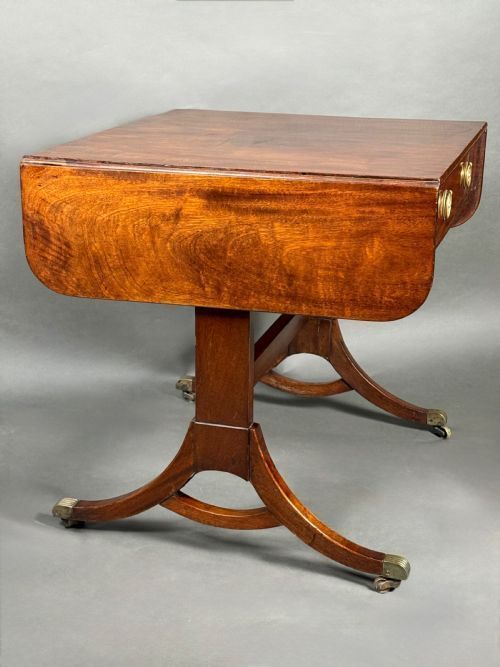
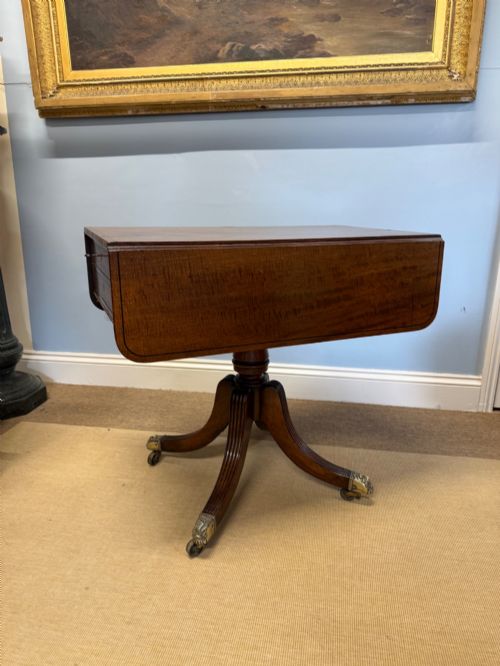
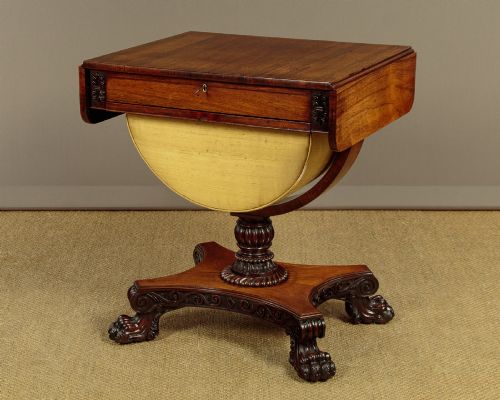
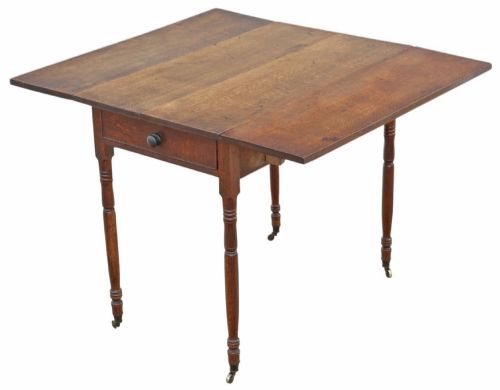
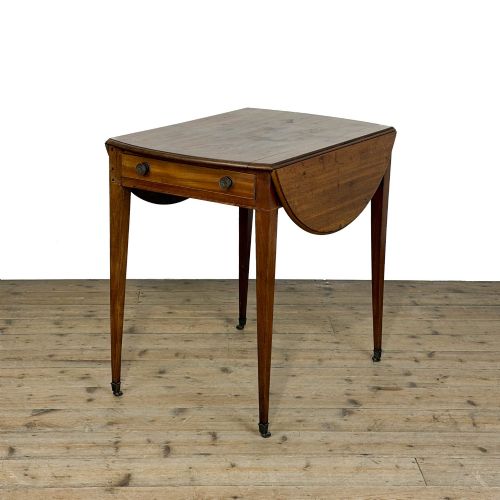
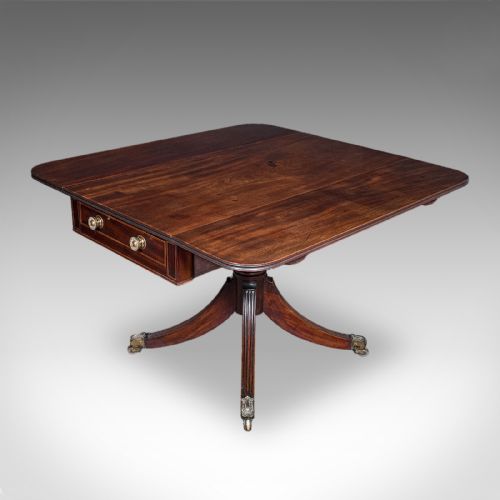
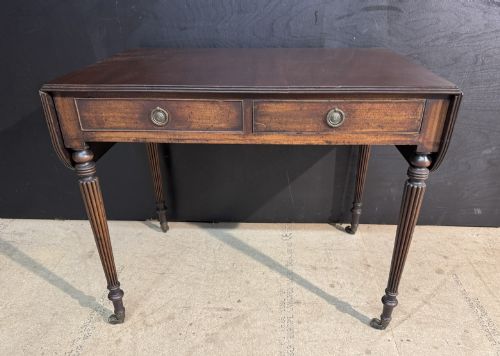
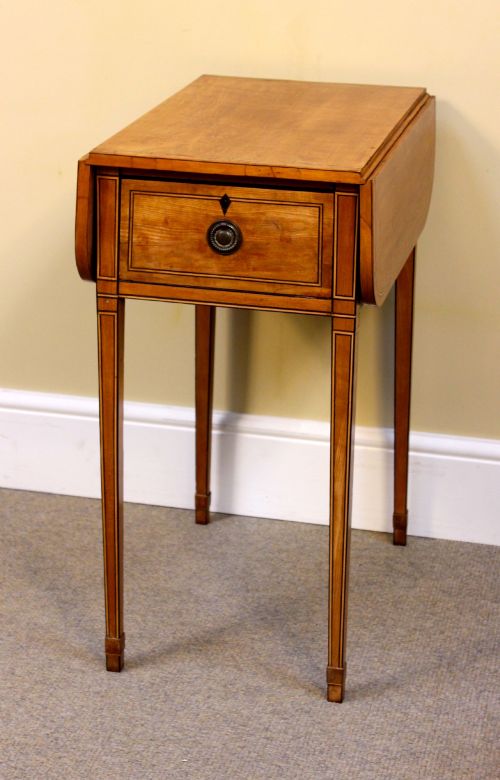
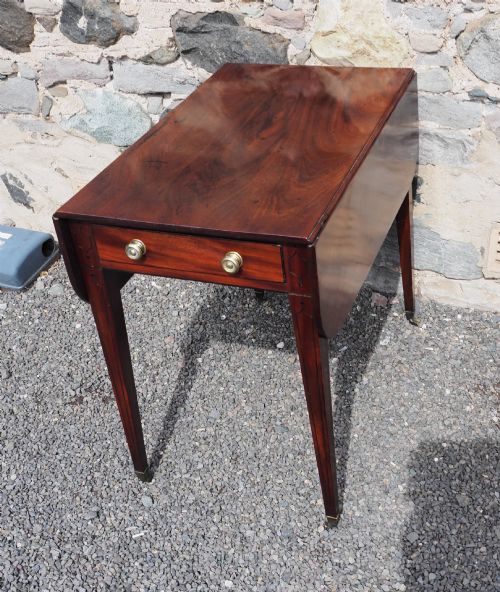
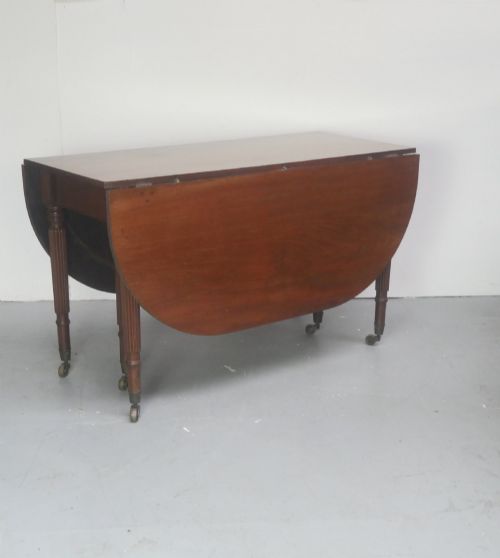
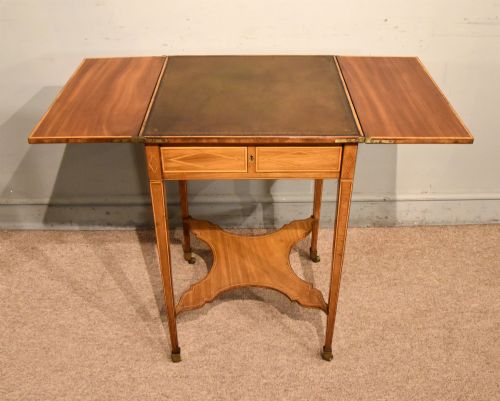
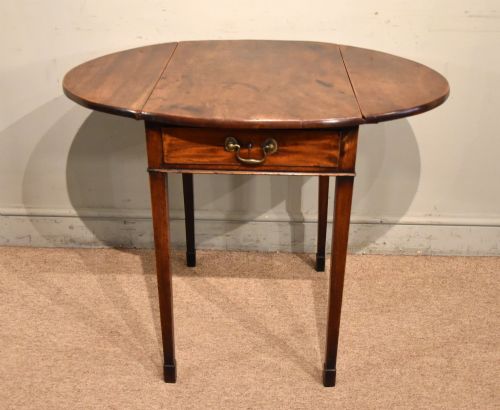
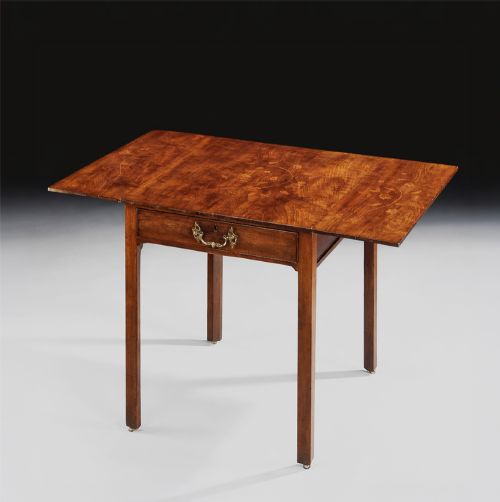
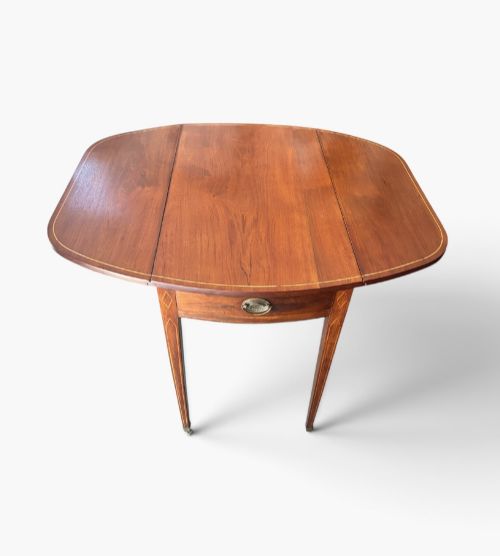
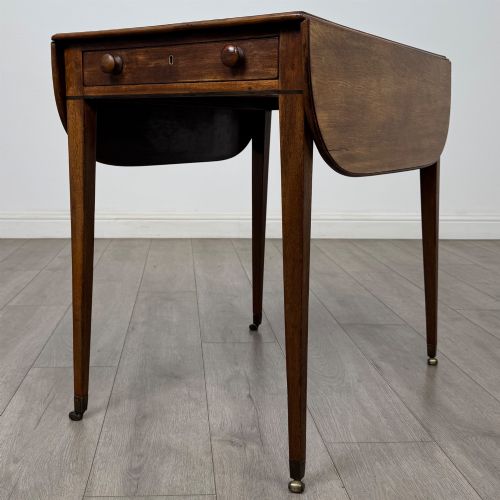
A pembroke drop leaf table is a versatile form featuring a fixed central surface flanked by two hinged drop leaves supported by folding brackets or swinging legs.
Most examples found here date from the Georgian and Regency periods, continuing through the Victorian era and into the early twentieth century.
These tables served many domestic uses, functioning as breakfast tables, writing desks, side tables, or occasional lamp tables depending on their proportions.
Materials and construction
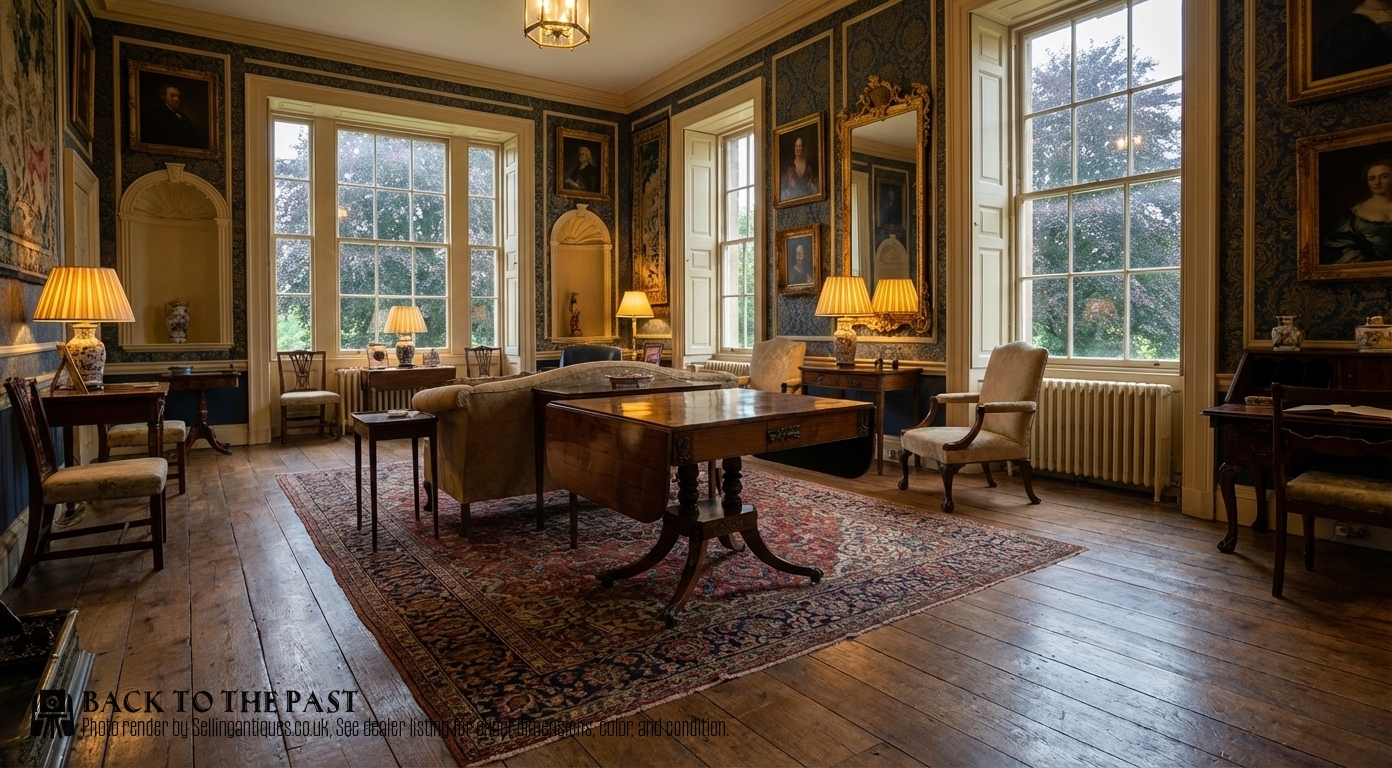
Cabinet makers built these pieces predominantly using solid timbers and veneers of mahogany, complemented by rarer woods such as satinwood, rosewood, and fiddleback sycamore.
Inlay and cross-banding in boxwood or partridge wood frequently embellished the tops and drawer fronts of finer Georgian and Regency iterations.
Structural integrity relied on stable framing, dovetailed drawers, and carefully fitted brass hinges to support the drop leaves securely.
Pembroke Drop Leaf Table Retail Price Guide 2026
Typical asking prices for pembroke drop leaf table among the pieces listed under this phrase on Sellingantiques today, from the lower quarter to the upper quarter. They describe what is for sale here now, not the wider market.
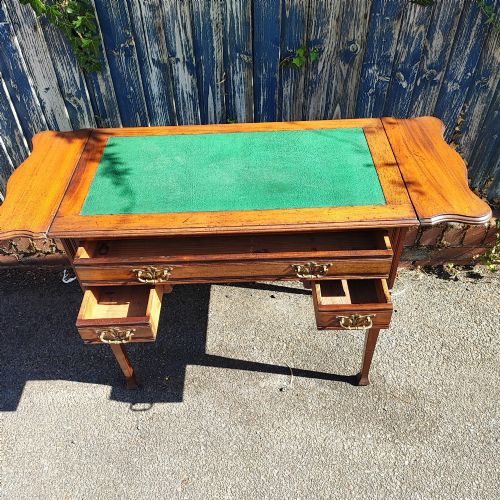
Several tables include hidden drawers and fitted compartments for sewing and writing, proving that historic desks loved secrets just as much as we do.
Judging quality and character
Quality rests heavily on the choice of timber figure, such as flame mahogany or plum pudding mahogany, and the crispness of any inlaid woodwork.
Proportion and stability separate finer workshops from standard production, particularly in the smooth operation of the drop leaf folding mechanisms and fitted drawers.
The Pembroke Drop Leaf Table Glossary
- Drop leaf
- A table featuring hinged side flaps that fold down to save space or lift up to enlarge the surface area. These flaps are supported by hinged brackets or swinging legs.
- Cross-banding
- A decorative technique where a border of veneer is applied to the edge of a table top with the grain running perpendicular to the central panel. This adds a neat framing effect.
- Satinwood
- A durable, light yellowish timber prized for its lustrous finish and utilised extensively for fine inlay and cabinet work during the eighteenth and nineteenth centuries.
- Fiddleback sycamore
- A figured variety of sycamore wood displaying a wavy grain pattern that resembles the back of a violin. It yields a distinctive shimmering texture when polished.
- Apron
- The vertical wooden framing beneath the table top that connects the legs and frequently houses one or more small drawers.
Pembroke Drop Leaf Table: Frequently Asked Questions
What is a pembroke table?
A pembroke table is a small, adaptable table characterised by two hinged flaps on opposite sides and usually a single drawer beneath the top. It was designed for multiple domestic duties in smaller rooms.
First appearing in the eighteenth century, the form quickly became a staple of British interior design because it combined mobility with an expandable surface area.
How were these tables used?
These tables served as writing desks, breakfast tables, sewing work tables, and bedside or lamp stands depending on their specific size and interior fittings. The drop leaves allowed owners to tuck them against a wall when not in use.
Many examples feature fitted interior compartments or drawers designed specifically for writing utensils, sewing supplies, or tea storage.
How do I identify a Georgian table?
Georgian tables generally display restrained classical proportions, straight or slightly tapered legs, and high-quality timber such as Cuban mahogany. Details like hand-cut dovetails in the drawers point toward this earlier era of hand craftsmanship.
Later Victorian versions often feature heavier turnings, bulbous legs, or darker finishes while maintaining the same core drop leaf mechanism.
Where should I place one?
Their compact footprint makes them ideal for hallways, beside a sofa, or as occasional writing surfaces in studies and bedrooms where floor space is at a premium. With both leaves raised, they can function adequately for intimate dining.
Keeping them away from direct heat sources and strong sunlight preserves the polished wood finishes and delicate inlaid veneers.