


Paneled Oak Coffer
A paneled oak coffer brings centuries of domestic history into a room, serving as a sturdy storage box built to endure.

Paneled Oak Coffer
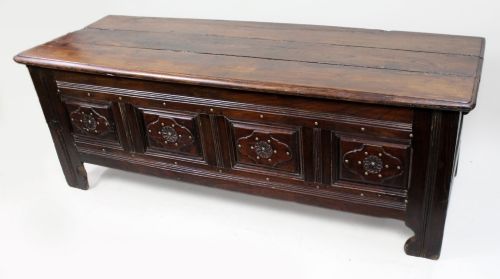
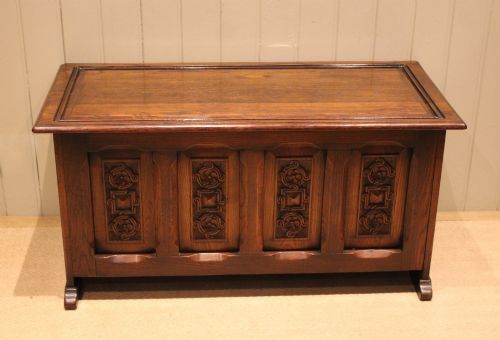
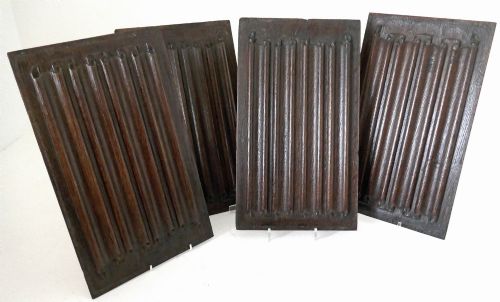
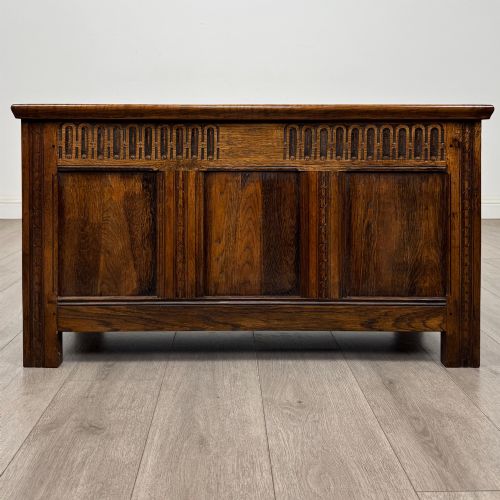
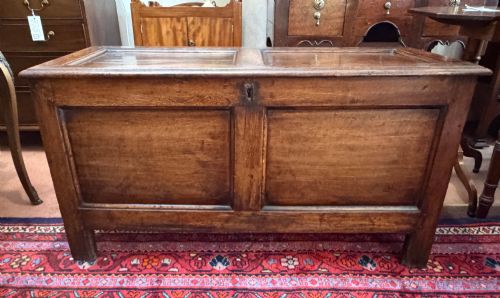
A paneled oak coffer is a heavy storage chest constructed with frame and panel technique, designed to hold household goods, textiles, and valuables. The pieces found here span multiple periods, from sixteenth-century examples with linenfold panels through to seventeenth and eighteenth-century country pieces, alongside later revival items.
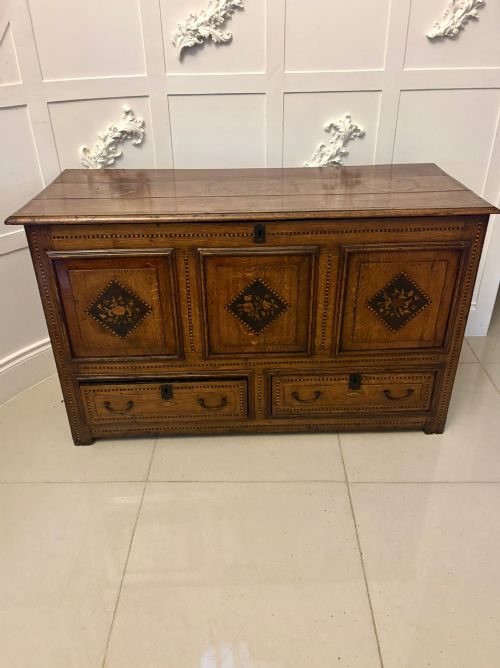
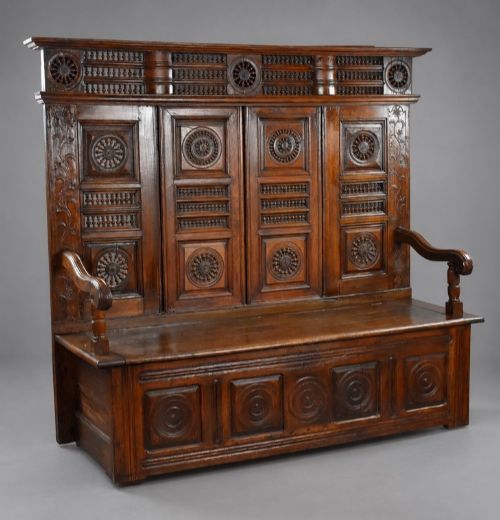
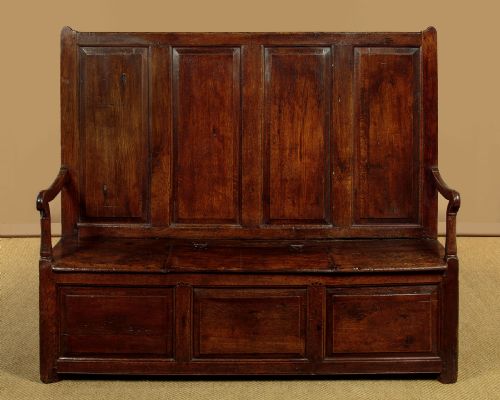
Most items on this page date from the seventeenth and eighteenth centuries, reflecting vernacular traditions from regions such as the Welsh Gower Peninsula as well as broader English styles. Forms range from simple boarded and paneled boxes to mule chests fitted with lower drawers and box settles combining storage with seating.
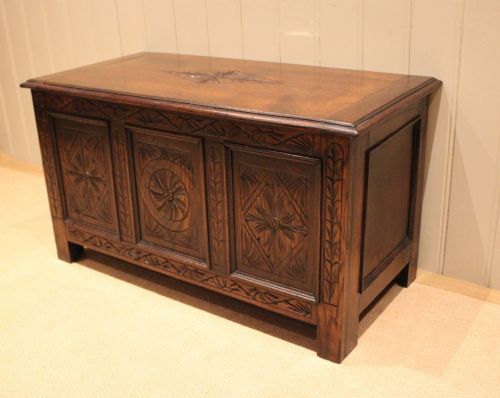
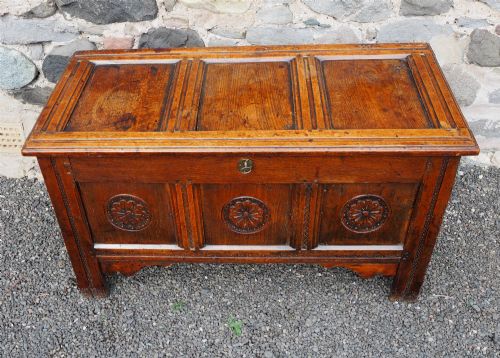
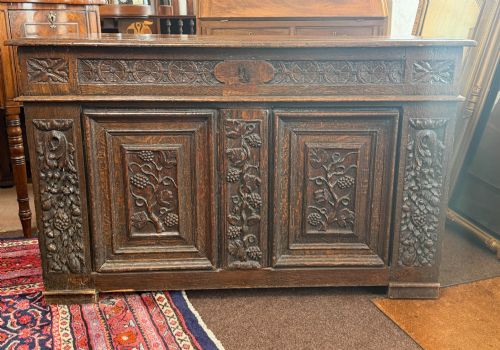
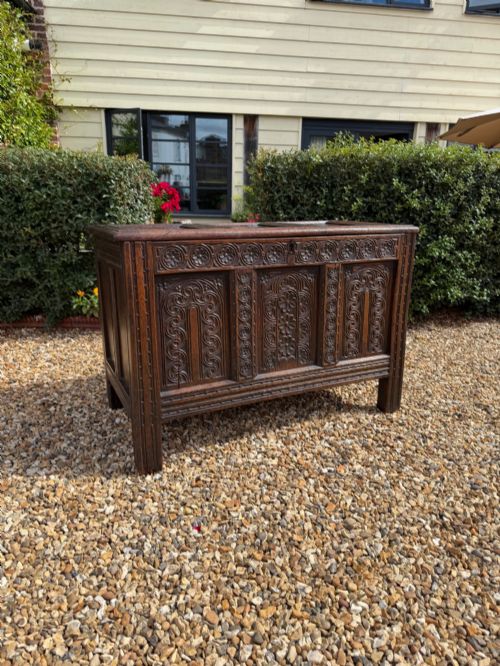
Buyers encounter significant variety in proportion and decoration, spanning small proportions suited for contemporary spaces to large country house chests. Surface treatments vary from natural waxed finishes to pieces featuring high-relief carving, marquetry inlay, or ebonised wood details.
Materials and construction methods
Construction relies heavily on solid oak timbers, chosen for strength and local availability, occasionally supplemented with ash or pine for secondary parts. Carpenters utilised frame and panel construction to accommodate the natural expansion and contraction of timber across seasonal humidity changes.
Joinery involved pegged mortise and tenon joints, creating rigid frameworks without metal nails. Iron and brass fittings such as hinges, straps, and lock plates were hand-wrought and secured by hand.
Surface ornamentation combined structural joinery with surface carving, including linenfold motifs, geometric patterns, and wood inlay or marquetry. Finished surfaces were often left with a natural waxed appearance that developed dark patination over centuries.
Several seventeenth-century examples are recorded with compact dimensions, proving that ancestors also struggled to fit bulky storage into tight hallways.
Distinguishing quality in period chests
Quality rests in the integrity of the original timber and the crispness of the hand-carved detailing. Superior examples retain their original boarded lids, floorboards, and ironwork without extensive timber replacement.
Proportion and decorative ambition separate standard storage boxes from exceptional pieces. Chests featuring sophisticated marquetry inlay, dated inscriptions, or high-relief carving demonstrate superior craftsmanship from their period.
The depth of the natural patination on the oak surface indicates how a piece has aged and how much original finish remains intact beneath decades of wax and handling.
The Paneled Oak Coffer Glossary
- Linenfold
- A style of wood carving imitating folded parchment or linen, common on sixteenth-century panels. This decorative technique gives flat surfaces a textured, textile-like appearance.
- Mule chest
- A storage chest fitted with one or more drawers beneath the main internal compartment. This form bridges the traditional coffer and the chest of drawers.
- Coffer bach
- A small Welsh oak coffer, often featuring proportions suited for tabletop use or small storage. These miniature chests share the construction methods of larger domestic examples.
- Patina
- The surface sheen and deep colour developed by aged oak through handling, polishing, and light exposure over centuries. It serves as an indicator of age and original finish.
- Box settle
- A high-backed wooden bench incorporating a storage box beneath the seat. These dual-purpose pieces were placed near hearths to block draughts.
Paneled Oak Coffer: Frequently Asked Questions
What were paneled oak coffers used for originally?
These chests served primarily for storing household valuables, linens, and documents in domestic settings. Because they were heavy and secure, people used them to protect important possessions from theft and damp conditions.
Over time, their roles expanded as domestic spaces evolved. Some versions incorporated seating or lower drawers, turning storage furniture into benches for the hall or parlour.
How do I care for an antique oak coffer?
Keep the wood away from direct heat sources and dramatic humidity changes to prevent the oak panels from splitting. Natural beeswax applied sparingly helps maintain the finish and protects the dry timber.
Avoid modern liquid polishes that build up sticky residues. A soft cloth and occasional gentle waxing preserve the surface patination safely.
How can I tell the age of a coffer?
Examine the construction joints, tool marks, and how the panels fit within the frame. Hand-split timber, pegged tenons, and hand-wrought iron hinges point toward earlier centuries of manufacture.
Stylistic clues such as linenfold carving, geometric mouldings, or inscribed dates offer further confirmation of the period. Secondary woods and fastener types help distinguish original construction from later additions.
Are these chests suitable for modern homes?
Their sturdy construction and practical storage capacity make them functional additions to contemporary hallways, living rooms, and bedrooms. They function well as blanket boxes, coffee tables, or entryway seating.
Selecting a piece with smaller proportions ensures it fits comfortably into modern room layouts without overwhelming the space.