
Painted Storage Drawers
These painted storage drawers combine practical utility with historic charm, offering versatile organisation shaped by centuries of regional craftsmanship.
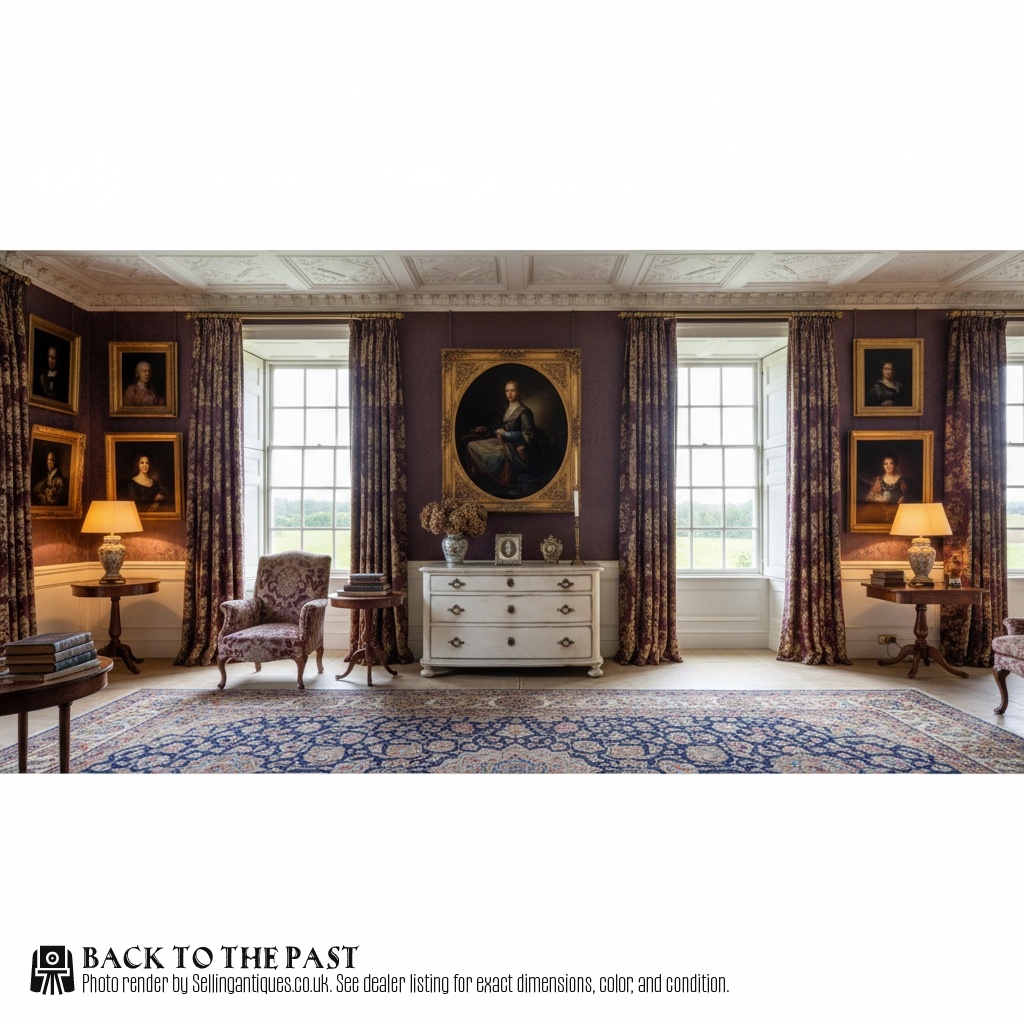
Painted Storage Drawers
When searching for painted storage drawers, a buyer encounters a diverse range of period furniture designed for household organisation. The selection spans Georgian, Regency and Victorian eras, encompassing country workshops and continental ateliers alike.
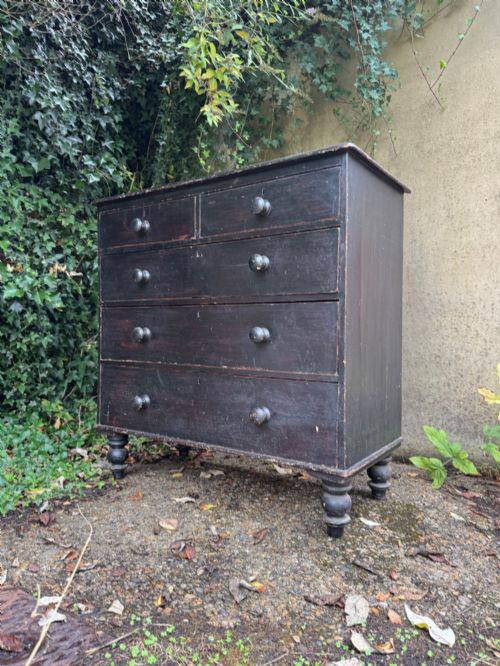
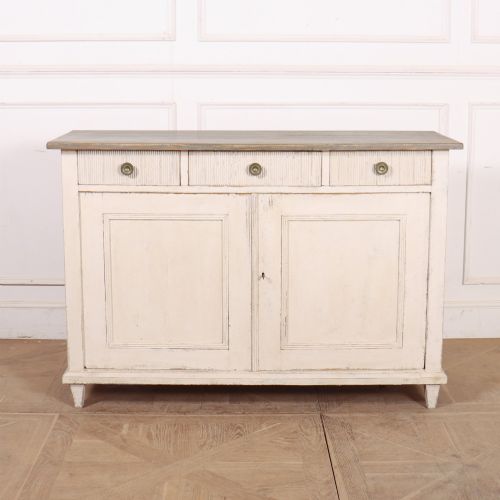
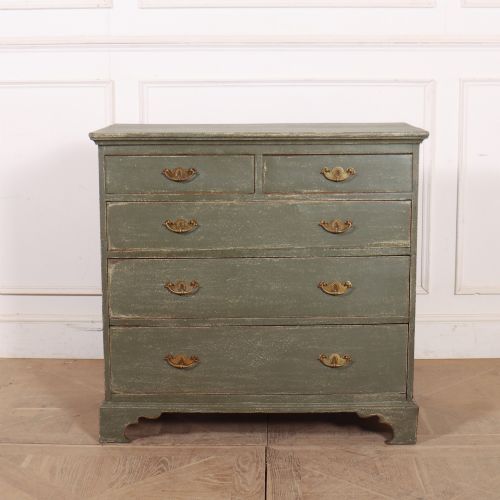
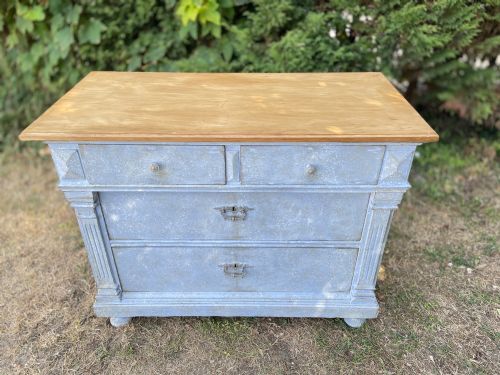
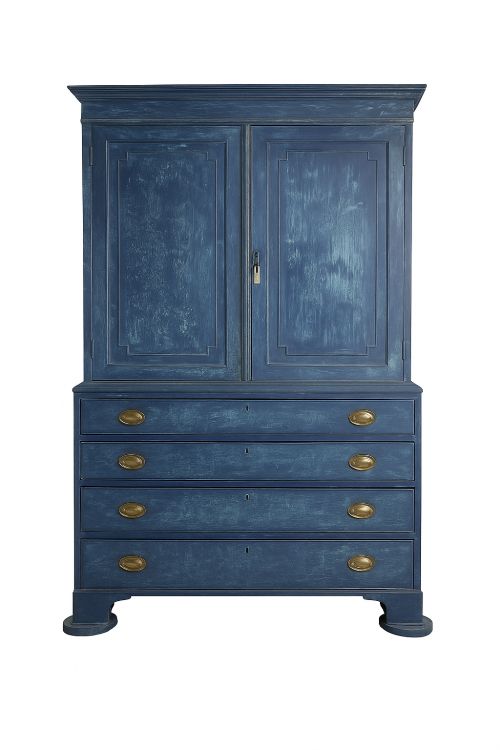
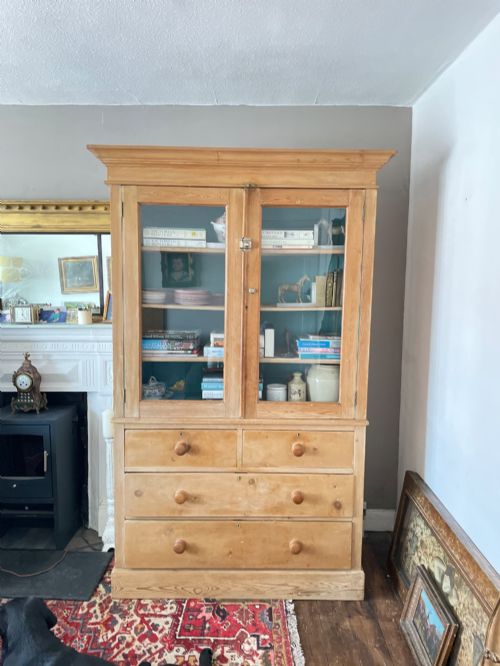
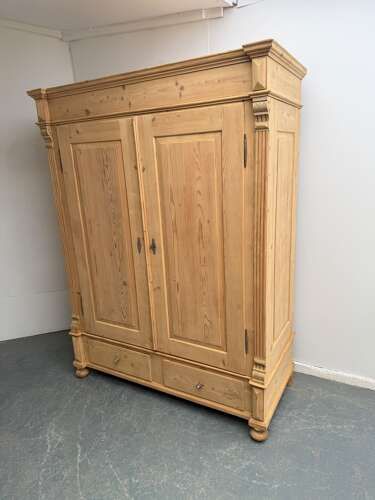
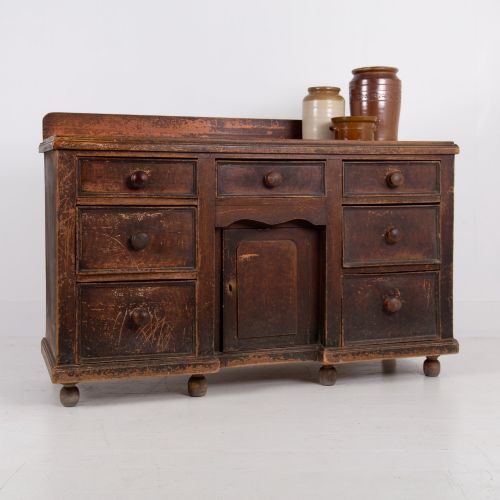
The most common forms on this page are chests of drawers, alongside dresser bases, linen presses, wardrobes and specialised apothecary banks of drawers. These pieces reflect everyday domestic storage needs from the eighteenth to the early twentieth century.
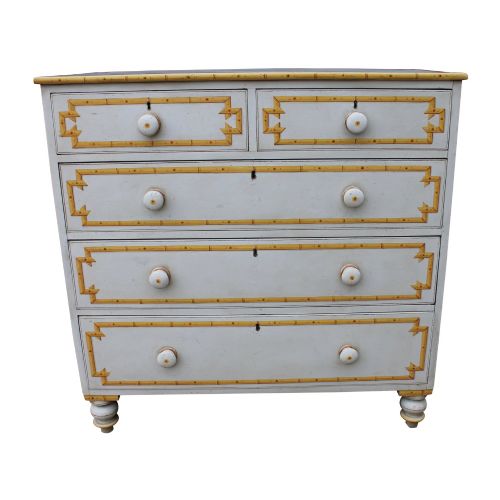
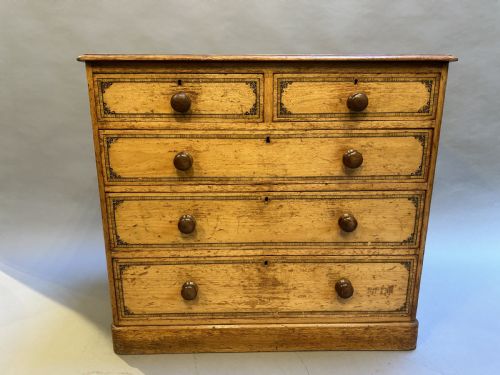
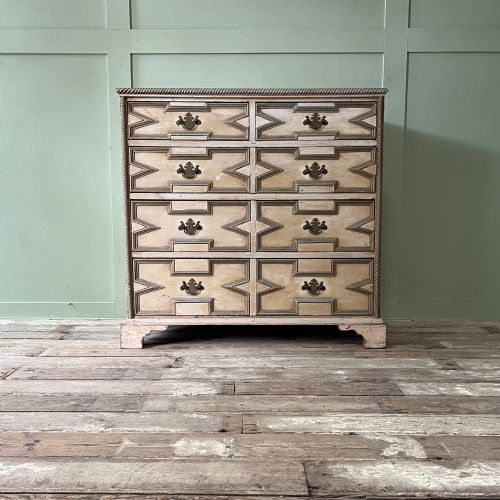
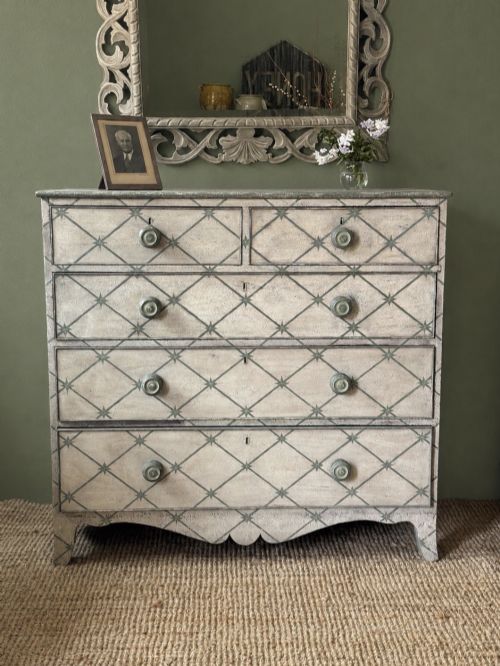
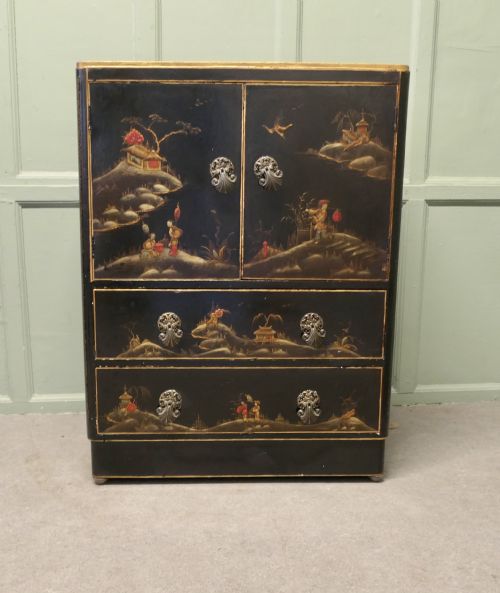
Materials and finishes vary widely, from utilitarian pine treated with scumble paint to sophisticated hardwoods like mahogany finished in decorative lacquer or stencilled designs. Each piece carries the distinct structural vernacular of its origin, whether English country, French provincial or continental.
How they were made
Makers relied primarily on solid pine and other regional timbers for the carcass and drawer construction, joined with traditional techniques suited to domestic service. Surfaces were frequently treated with layers of paint, scumble glaze or lacquer to protect the wood and impart colour.
Hardware such as brass handles, iron hinges and glass elements were integrated depending on the form and period, balancing utilitarian function with decorative appeal. Original paint layers or subsequent decorative schemes survive to show the working methods of historical workshops.
Listings feature periods from Georgian to Edwardian times, using pine, ash and mahogany with original paint, scumble, and brass hardware.
What varies in quality
Quality in these pieces is dictated by the integrity of the original construction, the proportional harmony of the design and the survival of authentic surface finishes. Better examples demonstrate careful cabinetmaking details such as dovetailed drawer construction and well-balanced proportions.
The character and preservation of the painted surface significantly influence distinction, with original scumble, lacquer or decorative stencilling marking the difference between standard utilitarian items and finer decorative commissions.
Sir Clough Williams-Ellis·Edwards and Roberts
The Painted Storage Drawers Glossary
- Scumble paint
- A decorative technique involving translucent paint manipulated over a base coat to imitate wood grain or create textured patterns. This finish was widely applied to nineteenth-century pine furniture.
- Dresser base
- The lower section of a kitchen or dining dresser, typically featuring a combination of cupboards and drawers. These sturdy pieces provided essential food preparation and storage space in historic homes.
- Commode
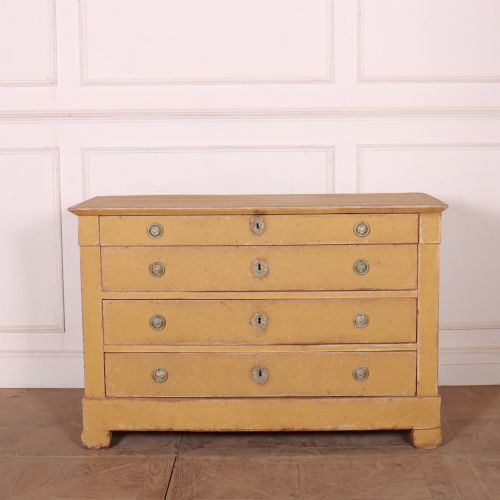
- A low French-style chest of drawers or cabinet originating in the seventeenth century. They often feature serpentine fronts or decorative commode forms associated with continental reception rooms.
- Linen press
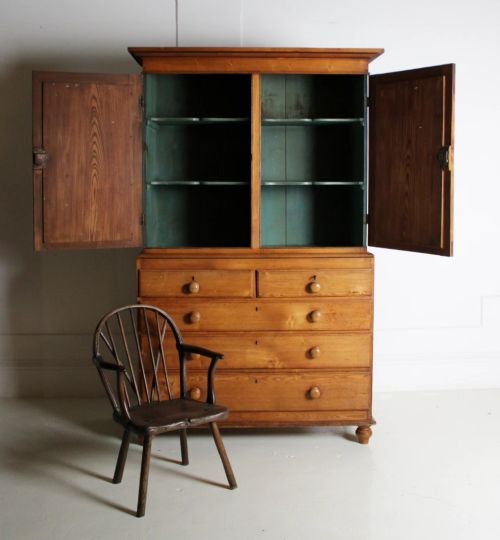
- A tall storage piece traditionally used for storing folded bed linens, combining upper cupboard doors with lower drawers. Early examples were constructed from solid ash or pine.
- Bank of drawers
- A multi-drawer cabinetry unit, often associated with commercial, apothecary or workshop use. These modular drawer banks offered specialised sorting and storage capabilities.
Painted Storage Drawers: Frequently Asked Questions
What periods do these storage drawers come from?
The pieces span from the eighteenth century through the Georgian and Regency periods into the Victorian and Edwardian eras. This broad chronological range reflects evolving domestic tastes and joinery methods.
Most items date from the nineteenth century, showcasing regional vernacular styles and traditional workshop practices across Britain and continental Europe.
How were these painted finishes applied originally?
Historic painted finishes involved layering mineral pigments with oil, glue or resin binders over timber substrates. Techniques ranged from simple protective coats to complex scumble graining and decorative lacquering.
Many surviving pieces retain their original surface treatments, while others show traces of subsequent decorative layers applied during their working lives.
Where were these storage pieces used in the home?
These versatile units served throughout the domestic sphere, from bedrooms and dressing rooms to kitchens and utility spaces. Chests and wardrobes managed clothing storage, while dresser bases and cupboards organised provisions.
Specialist forms like chemist banks of drawers and artists' chests fulfilled specific functional requirements in workshops and commercial settings.
How do I care for antique painted furniture?
Preserving historic painted surfaces requires stable indoor humidity and protection from direct sunlight to prevent fading or flaking. Dusting gently with a dry, soft cloth is generally sufficient for routine maintenance.
Avoid harsh modern chemical cleaners and abrasive materials, which can strip away fragile original paint layers and historic patination.
What distinguishes pine furniture from hardwood pieces here?
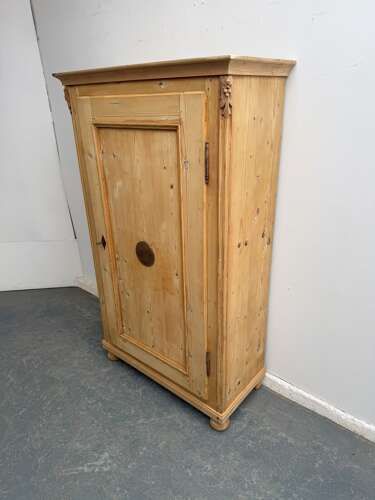
Pine was the primary timber for utilitarian and country pieces, valued for its accessibility and suitability for painted or scumbled finishes. These items often exhibit a rustic charm characteristic of vernacular production.
Hardwoods like mahogany appeared in more formal urban furniture, sometimes receiving decorative painted or bleached treatments in line with changing neoclassical fashions.