

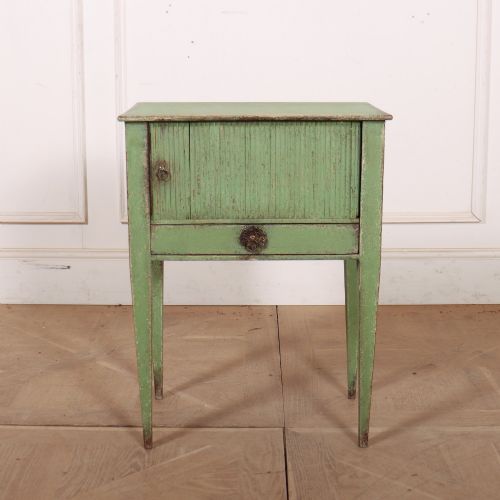
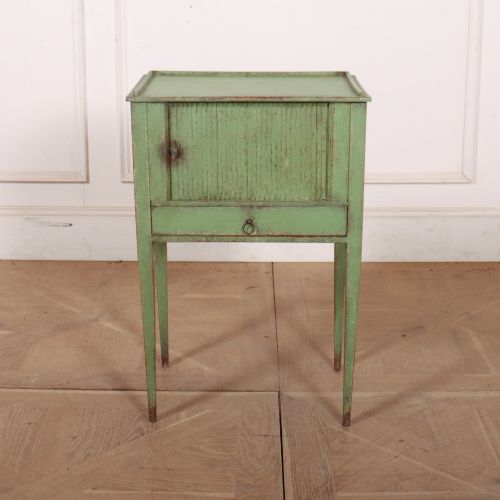
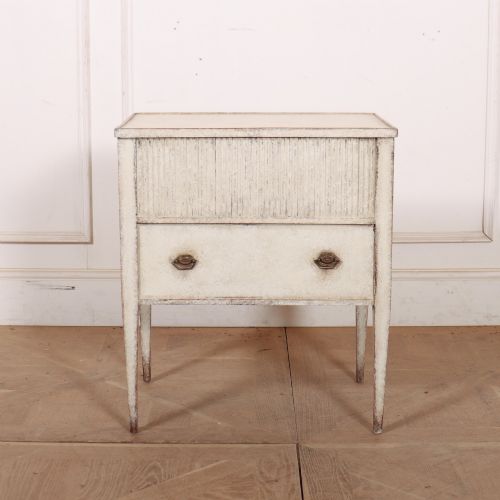
Painted Table Cabinet
A painted antique table cabinet brings colourful surface and compact storage to a room, ranging from Chinoiserie decoration to rustic pine.
Painted Table Cabinet
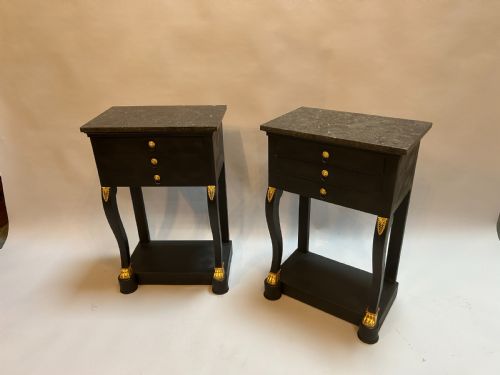
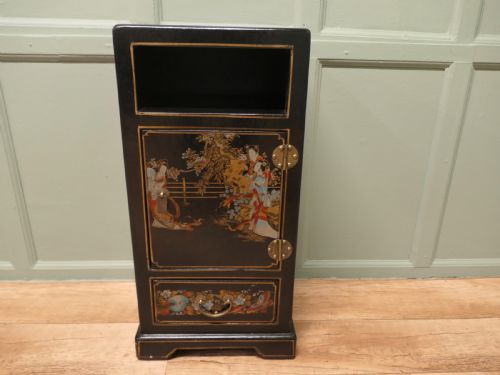
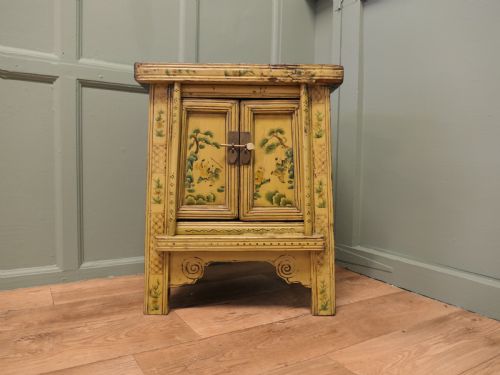
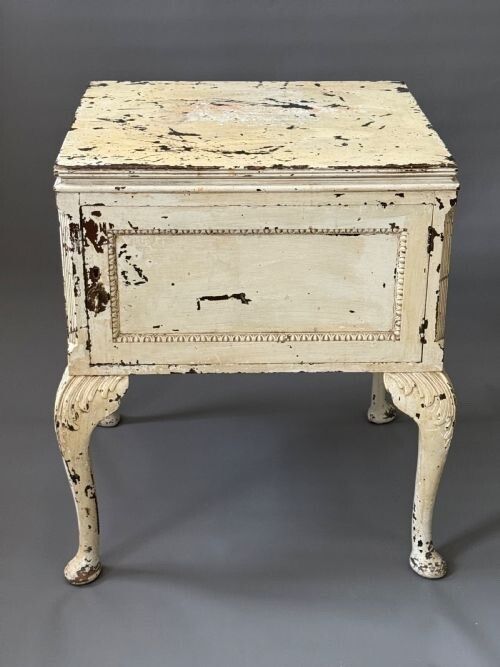
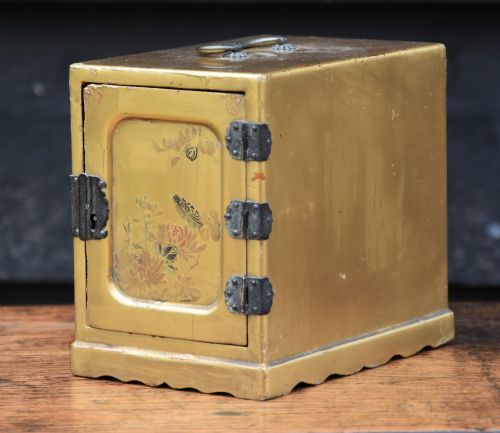
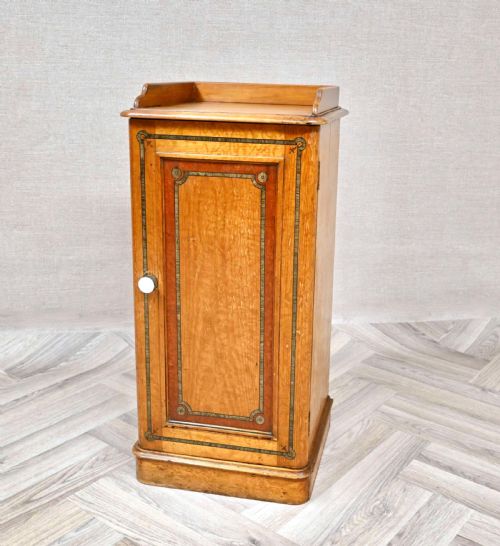
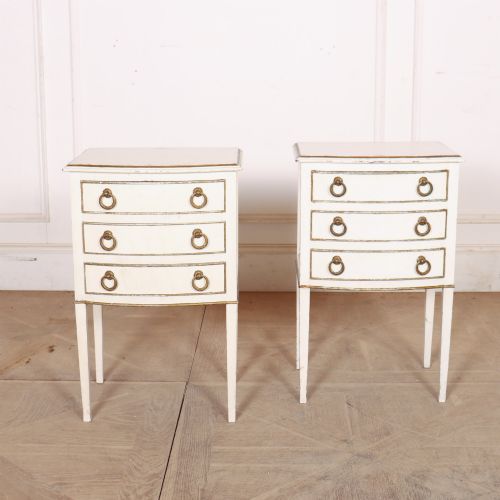
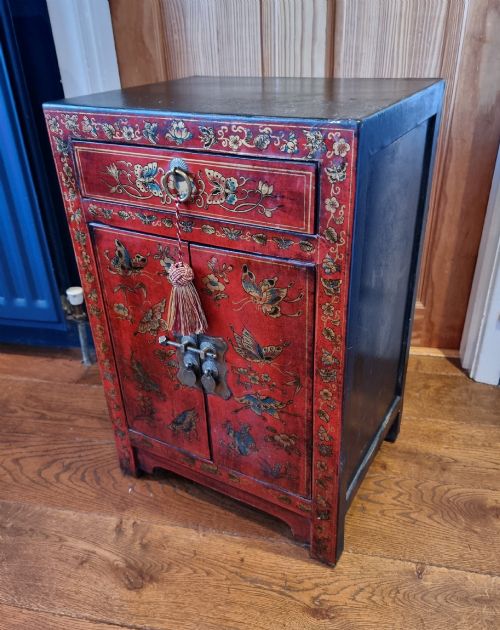
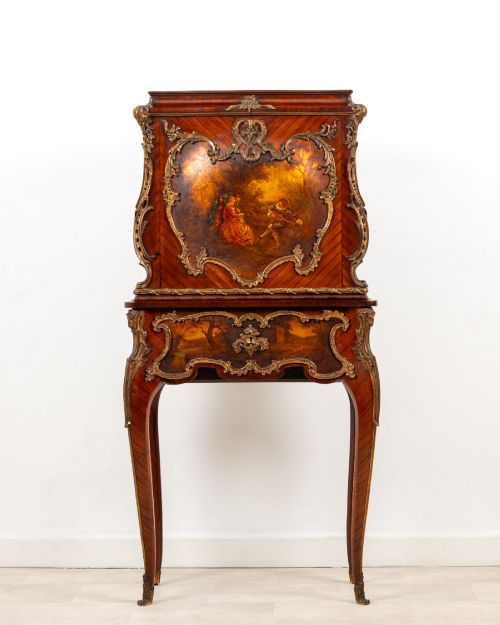
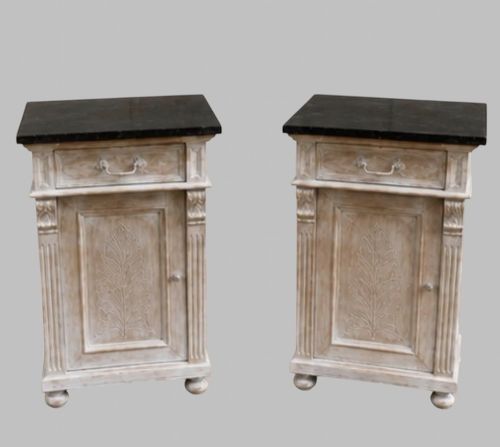
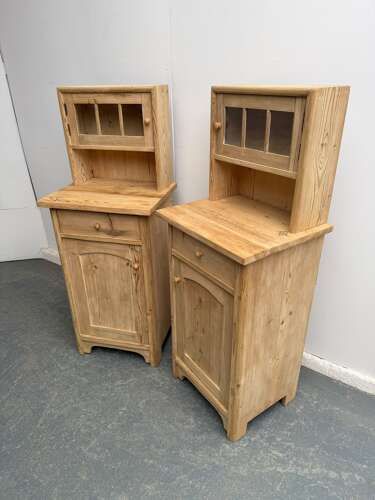
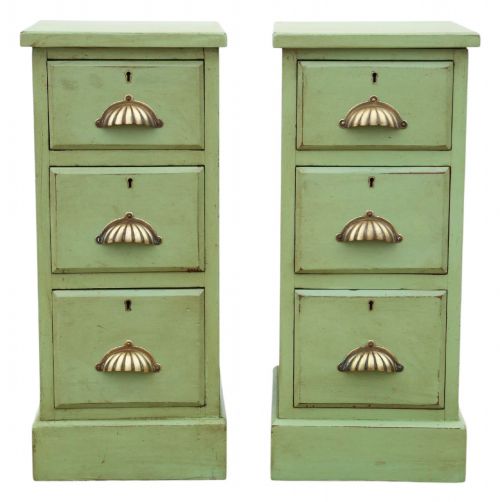
When you search for a painted antique table cabinet, you encounter a variety of compact furniture forms designed for storage and display. The selection on this page centres heavily on bedside tables, bedside cabinets, and small chests of drawers spanning the nineteenth and early twentieth centuries.
The regional origins of these items vary widely, taking in English pine, French commodes, Dutch designs, and Swedish Gustavian pieces. Alongside bedside pieces, you find occasional side cabinets, writing cabinets, and miniature apprentice chests of drawers.
Many examples arrive as matched pairs, particularly those originating from French and Swedish workshops. Others appear as singular statement items finished in cream, green, red, black, or blue paint schemes.
Materials and technique
Cabinet makers utilised a mix of solid timbers including pine, oak, satinwood, and kingwood as the structural foundation for these pieces. Marble tops appear frequently on Victorian variants, adding a durable stone surface above painted wooden carcasses.
Decorative surface techniques define this category, incorporating hand-applied paint, Vernis Martin panels, and Chinoiserie motifs. Metal elements such as brass, gilt bronze, and ormolu mounts frequently accent key pieces, alongside occasional glass panels and mirrors.
Listings feature items spanning the Georgian era through the 1930s, constructed predominantly from pine, oak, and satinwood.
What varies in quality
The calibre of a piece rests heavily on the execution of its painted surface and decorative motifs. Finely rendered Chinoiserie or Vernis Martin panels distinguish higher-tier decorative items from standard utility paint finishes.
Material selection and hardware integration also divide the range. Pieces featuring matched timber grains, integrated marble slabs, and cast ormolu mounts represent a more ambitious standard of manufacture than simpler pine constructions.
The Painted Table Cabinet Glossary
- Chinoiserie
- European decorative style inspired by Chinese artistic traditions, often featuring hand-painted motifs on lacquered or painted surfaces. This technique appears on cabinets from the nineteenth and early twentieth centuries.
- Vernis Martin
- A type of simulated japanning or lacquer work developed in eighteenth-century France and emulated later. It involves multiple translucent layers of varnish over painted scenes.
- Ormolu
- Gilded bronze mounts applied to furniture edges and feet for decorative effect. This technique is common on French revival cabinets.
- Gustavian
- Swedish neoclassical style characterised by pale paint finishes and restrained carved detail. Pieces from this tradition often feature soft grey, white, or black colour schemes.
Painted Table Cabinet: Frequently Asked Questions
Where were these cabinets used?
These compact cabinets served primarily in bedrooms as bedside storage for personal items and lighting. Some variations functioned in reception rooms or boudoirs for writing and display.
Larger versions double as side cabinets or small commodes placed in hallways and drawing rooms. Their modest scale allowed them to fit easily into tight architectural spaces.
How do I identify the period?
Dating relies on combining the timber types, hardware, and structural assembly methods visible on each item. Victorian pieces often use heavy pine with added marble, while earlier Georgian items utilise satinwood.
Stylistic cues such as Gustavian lines or Louis XV revival mounts provide further chronological markers. Paint analysis can also reveal whether a finish is original or a later application.
Are painted finishes usually original?
Some pieces retain their original nineteenth or early twentieth-century decorative paintwork, while others were painted or waxed during subsequent decades. Regional styles often feature authentic layered paint surfaces applied by period workshops.
Examining the wear patterns and underlying timber helps determine the age of the paint layer. Many utility pine pieces were designed to be repainted to suit domestic interiors.
How do I care for marble tops?
Marble surfaces require gentle cleaning with mild, non-acidic soap and warm water to protect the stone. Avoid placing vinegar or citrus directly on the marble as it etches the polished finish.
Periodic application of specialist stone wax helps preserve the sheen and repel moisture. Lifting rather than dragging objects across the top prevents scratching.