


Gilt Decorated Cabinet
A gilt decorated cabinet brings rich metallic ornamentation and lacquered or painted surfaces into a room, offering both display and storage.
Gilt Decorated Cabinet
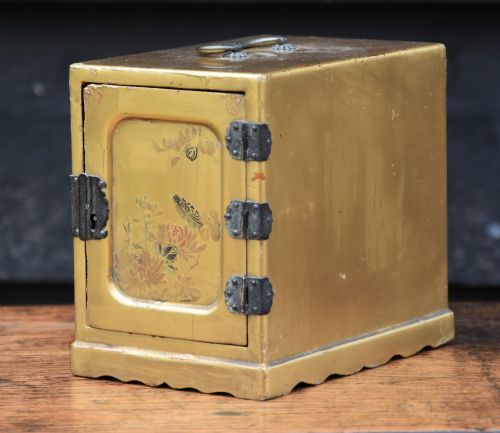
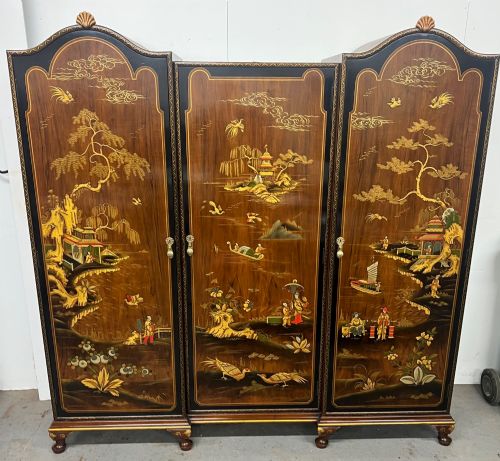
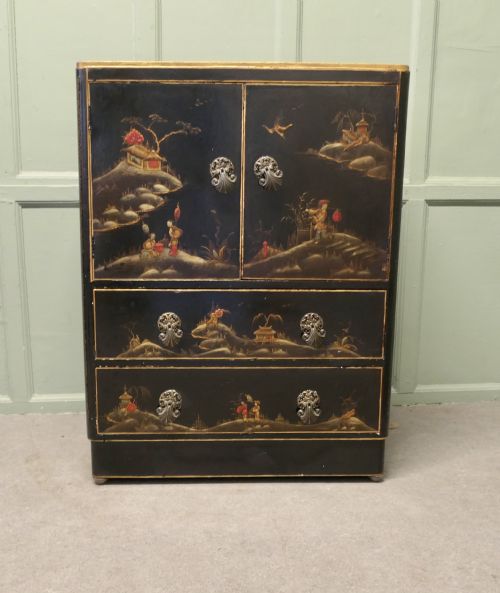
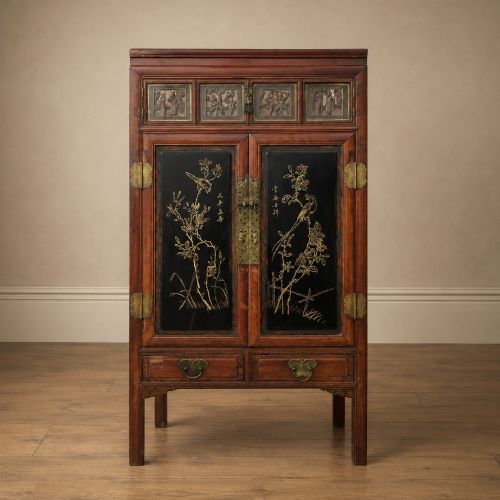
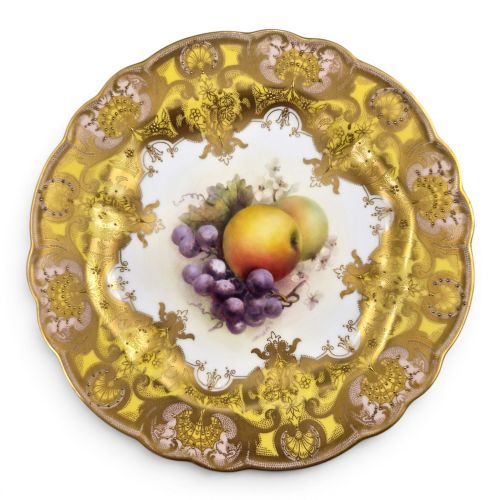
When you search for a gilt decorated cabinet, you encounter a varied selection ranging from large side cabinets and wardrobes to small tabletop containers. The pieces span multiple centuries, including Georgian, Regency, Victorian, and Edwardian eras, alongside pieces from the 1960s. You also find plates and smaller boxes included because the broader category encompasses decorated display items alongside larger furniture.
The aesthetic leans heavily toward Chinoiserie and Japanese Meiji period influences, featuring black, red, and natural wood finishes highlighted with gold leaf. Side cabinets and cupboards dominate the larger furniture options, often paired with stands or marble tops. Meanwhile, the smaller objects demonstrate similar ornamental painting and gilding techniques on wood, lacquer, and porcelain.
Materials and construction
Construction relies on timber substrates such as mahogany, thuya wood, and rosewood, frequently enhanced with applied lacquer or intricate penwork. Artisans applied gold leaf and gilt decoration over painted or lacquered panels to create contrasting metallic highlights against dark or brightly coloured backgrounds. Brass hardware and marble tops also appear on select pieces, adding structural and visual weight.
Ceramic items within the category utilise porcelain bodies painted by named artists and finished with gilt borders. Lacquer cabinets employ traditional layering techniques, building up red and black surfaces before applying detailed gold motifs.
Listings feature items from the 18th century through to the 1960s, incorporating materials like gold leaf, porcelain, lacquer, brass, and mahogany.
Distinctions in craftsmanship
Quality reveals itself in the precision of the surface decoration, particularly the fineness of the hand-painted details and the application of the gold leaf. Pieces bearing signatures from established porcelain factories or renowned makers demonstrate higher standards of artistic execution.
The integrity of the underlying material matters greatly, whether it is stable timber construction or well-preserved lacquer that resists cracking. The harmony between the gilt ornamentation and the base material dictates the overall visual success of the piece.
Maples & Co.·Royal Worcester·Coalport·Chelsea-Derby·Flight, Barr & Barr·Spode·Royal Doulton·K.P.M
The Gilt Decorated Cabinet Glossary
- Gilt
- Application of gold leaf or gold powder to a surface. It provides the characteristic metallic highlights seen across the wooden cabinets and ceramic borders.
- Lacquer
- A durable finish applied in multiple layers to wood and polished to a smooth sheen. It serves as the primary ground for red and black Chinoiserie designs.
- Penwork
- Detailed decorative technique executed using ink on wood, often finished with protective varnishes. It creates intricate black and gold linear patterns on antique table cabinets.
- Vitreen
- A wall-hanging display case with glass panels. These items protect and showcase small decorative objects while incorporating painted or gilt frames.
Gilt Decorated Cabinet: Frequently Asked Questions
How do I care for a lacquered and gilt cabinet?
Keep the piece away from direct sunlight and dramatic temperature fluctuations to protect the delicate lacquer and gold leaf. Dust gently with a soft, dry cloth without applying modern chemical polishes.
Ensure the room maintains a stable humidity level to prevent the timber beneath the lacquer from expanding or contracting. Professional conservation advice should be sought if the surface develops cracks.
Are porcelain plates considered cabinets?
Plates categorised here are usually cabinet plates intended for display on plate stands or walls rather than dining use. They share the decorative gilt borders and hand-painted motifs found on larger furniture.
These ceramic pieces complement wooden cabinets by featuring matching artistic styles, such as fruit painting or Chinoiserie motifs, produced by the same period factories.
How can I identify the period of a Chinoiserie cabinet?
Examine the timber construction, hardware fixings, and the style of the lacquer work to determine the manufacturing era. 18th-century and 19th-century pieces often display hand-cut joinery and aged patination on the gold leaf.
Revival periods, such as the Edwardian Chinoiserie revival, exhibit machine-prepared timbers combined with hand-applied decorative finishes designed to mimic earlier Asian imports.