


Lacquered Table Box
A lacquered table box brings rich oriental and European decoration to a desk, holding small treasures and documents in durable style.
Lacquered Table Box
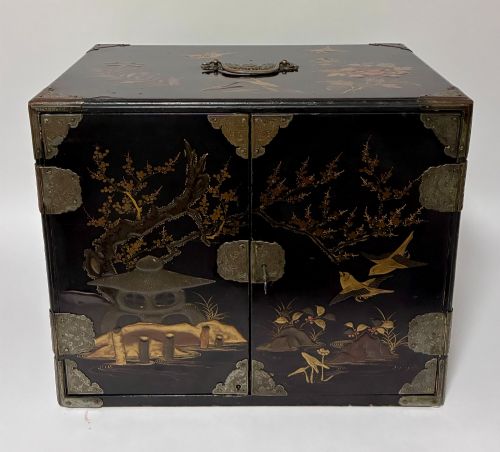
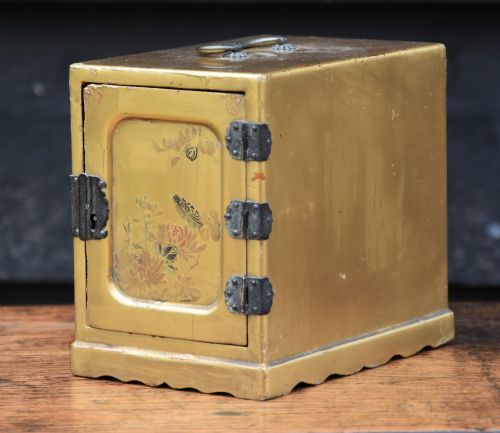
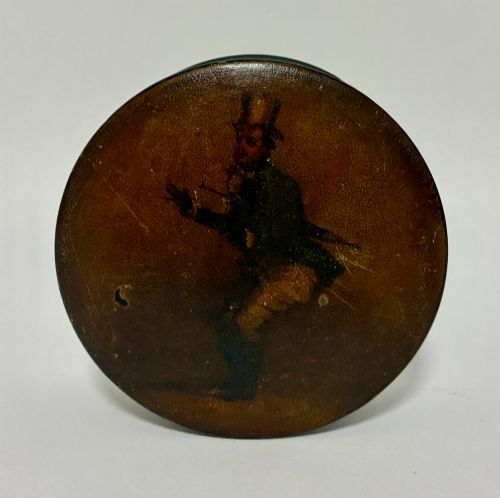
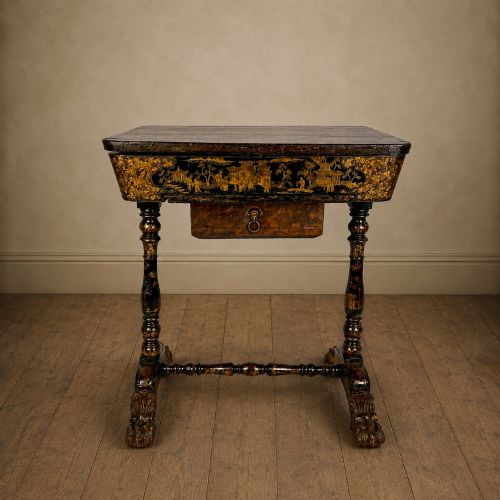
When you search for a lacquered table box, you look at compact storage vessels and small cabinets built for the table top. These pieces range from delicate jewellery boxes and snuff boxes to larger work tables and table cabinets.
The versions most likely to meet you on this page originate from Japanese Meiji workshops, Chinese export trade, and Georgian or Victorian English makers. They span centuries of craftsmanship, incorporating papier-mache, wood, and specialised lacquering techniques.
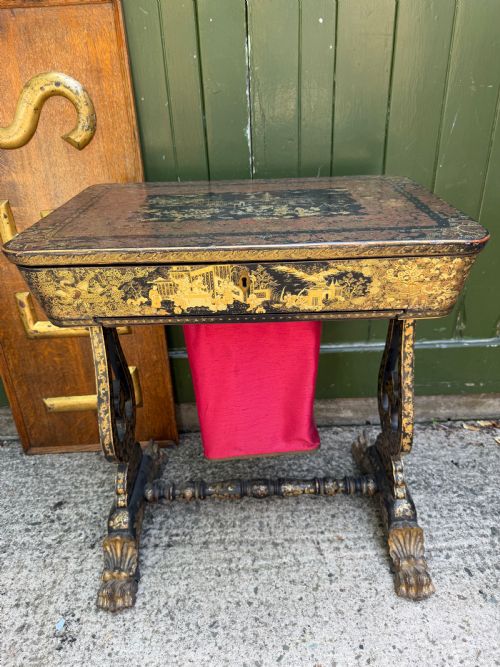
Forms include miniature bureaus, sewing tables, and kodansu cabinets fitted with internal drawers. Each object served a domestic purpose for storing keepsakes, writing materials, or sewing equipment while displaying decorative surfaces.
How they were made
Maker's workshops applied layers of lacquer onto timber, papier-mache, or bamboo bases to build hard, glossy protective surfaces. This finish often received detailed ornamentation using gold leaf, paint, and metal fittings.
English and European pieces frequently utilised penwork, japanning, and brass hardware to emulate oriental imports. Artisans shaped timber or pressed papier-mache into robust carcases designed to withstand daily handling.
Gilded decoration and hand-painted motifs required precise brushwork executed by skilled decorators. These decorative layers were sealed and polished to create the characteristic sheen found on surviving boxes and tables.
What varies in quality
The distinction between standard examples and the top of the range lies in the depth and intricacy of the surface decoration. Hand-painted gold leaf, meticulous penwork, and refined carving elevate certain cabinets and workboxes above mass-produced items.
The integrity of the underlying material, whether solid wood, papier-mache, or pig skin, dictates how well the structure survives. Superior boxes retain tight joints, intact internal fittings, and well-preserved hinges that operate smoothly.
Makers known for exceptional output, such as Stobwasser or Jennens and Bettridge, achieved a standard of finish that marks their pieces out. The clarity of the lacquered surface and the preservation of the original gilt distinguish superior items from weathered examples.
Stobwasser·Jennens and Bettridge
The Lacquered Table Box Glossary
- Kodansu
- A small Japanese table cabinet featuring multiple internal drawers for storing valuables. These miniature chests often display intricate lacquer and metal mountings.
- Japanning
- A European imitation of East Asian lacquerwork achieved through successive coats of varnish and heat treatment. This technique gained popularity in Georgian and Victorian interiors.
- Papier-mache
- A composite material made from paper pulp or layers of paper bound with glue, then moulded and lacquered. It provided a lightweight yet sturdy base for snuff and work boxes.
- Chinoiserie
- The European interpretation and imitation of Chinese and East Asian artistic traditions. This style heavily influenced British furniture and decorative boxes during the Georgian period.
- Penwork
- A surface decoration technique using ink applied with a pen to create fine geometric or pictorial designs on wood or bone. It often mimics more costly inlay work.
Lacquered Table Box: Frequently Asked Questions
What is a lacquered table box used for?
These boxes served domestic roles for holding jewellery, sewing gear, snuff, or correspondence on tables and desks.
They kept small personal items organised while adding a decorative focal point to a room.
How do I tell Japanese lacquer from European japanning?
Japanese lacquer often employs true tree sap resin applied over wood bases with distinct metal mounts and gold dusting.
European japanning relies on varnish coats over timber or papier-mache, showing different ageing patterns and brush techniques.
Are these boxes fragile for daily use?
While the lacquered surfaces resist normal wear, they require gentle care to avoid scratching the finish or exposing the wood to moisture.
Placing them away from direct sunlight preserves the gold leaf and painted details.
What periods do these pieces come from?
The listings span from the eighteenth century through the Georgian, Victorian, and Regency eras into the early twentieth century.
Items also include Meiji period Japanese craftsmanship and Chinese export pieces from the nineteenth century.