
Ornate Glass Wall Mirror
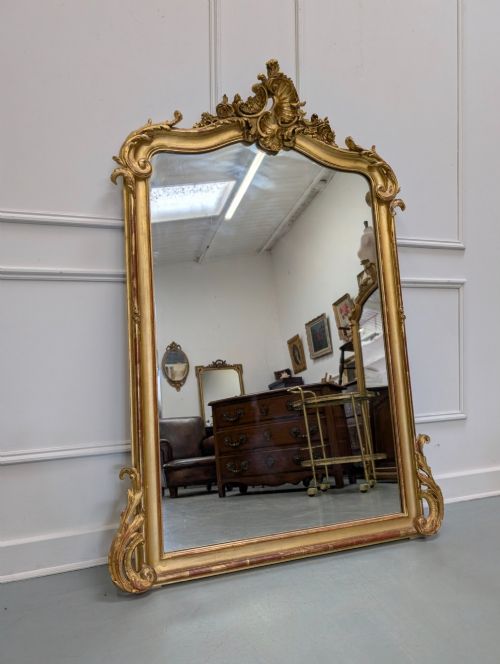
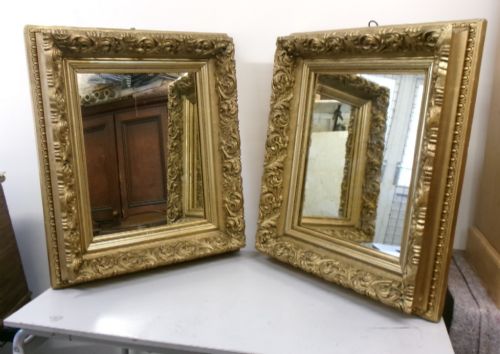
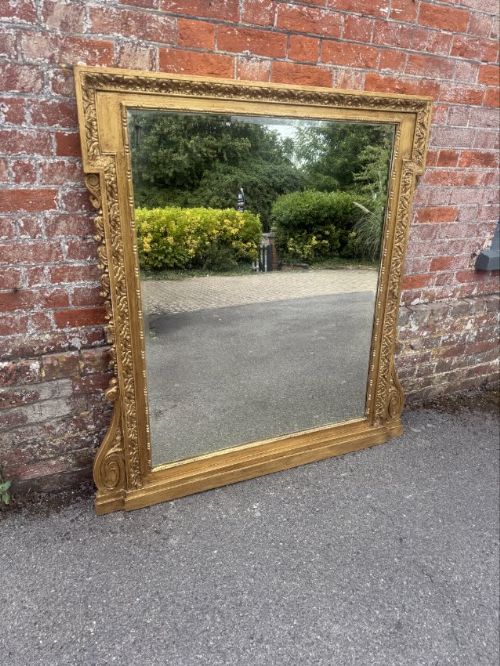
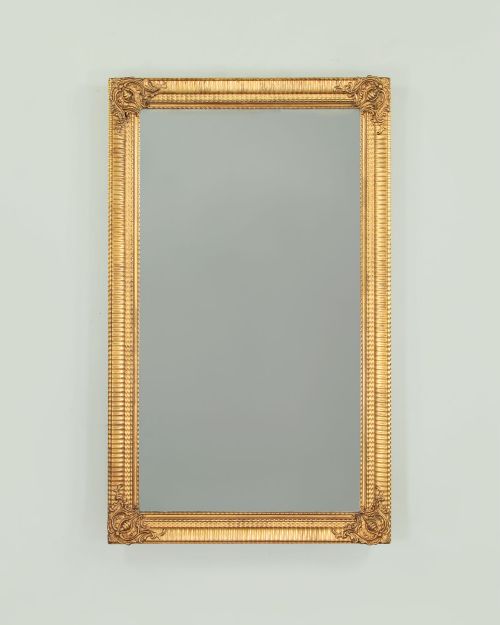
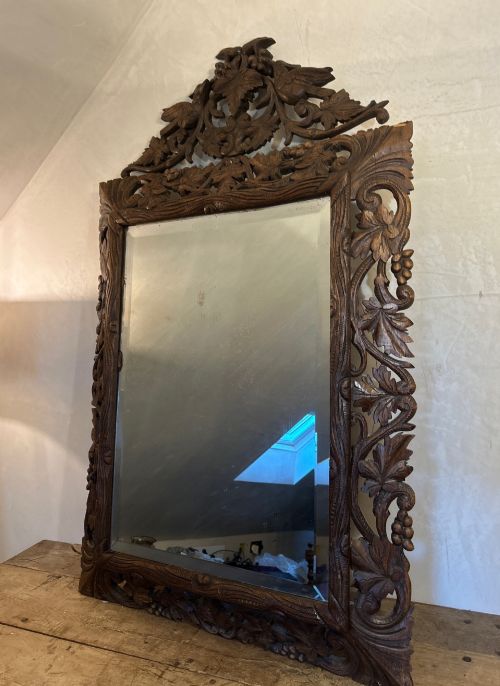
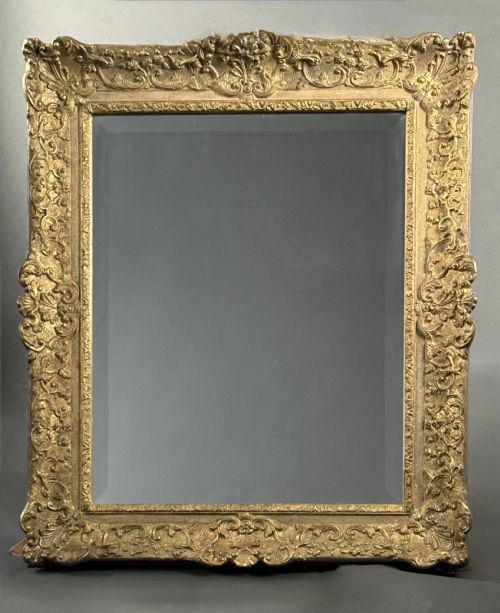
An ornate glass wall mirror brings light and decorative presence to a room, drawing the eye with carved frames and historic gilding.
Ornate Glass Wall Mirror
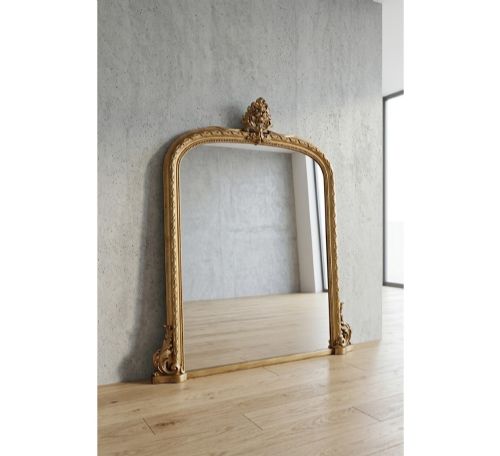
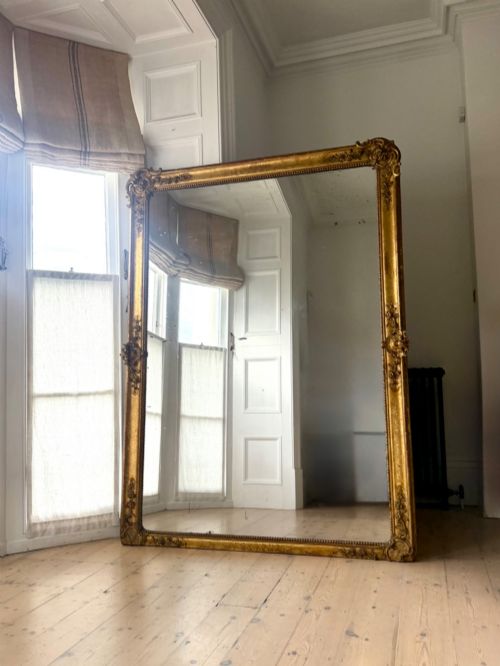
When you search for an ornate glass wall mirror, you encounter centuries of decorative ambition expressed through carved timber, gesso, and reflective plates. These pieces range from compact oval dressing mirrors to substantial overmantels designed to command the expanse of a principal reception room.
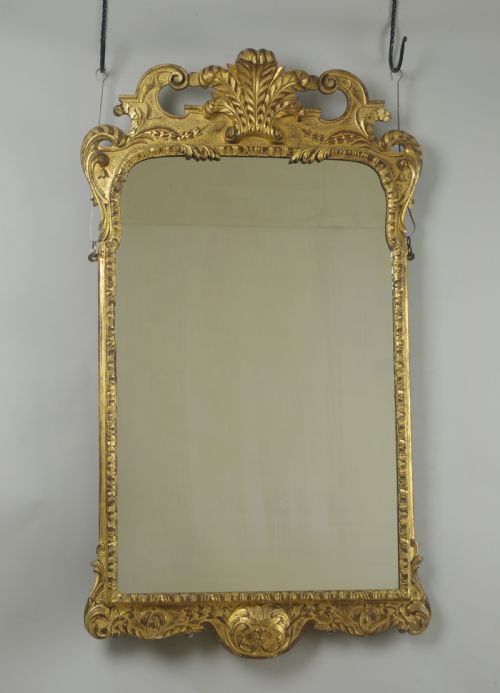
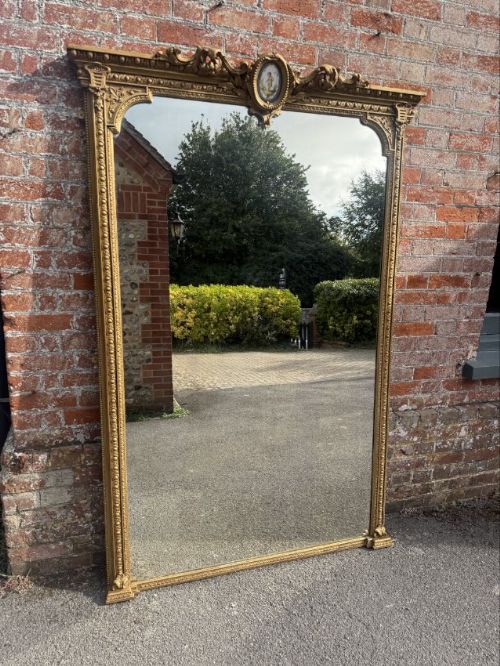
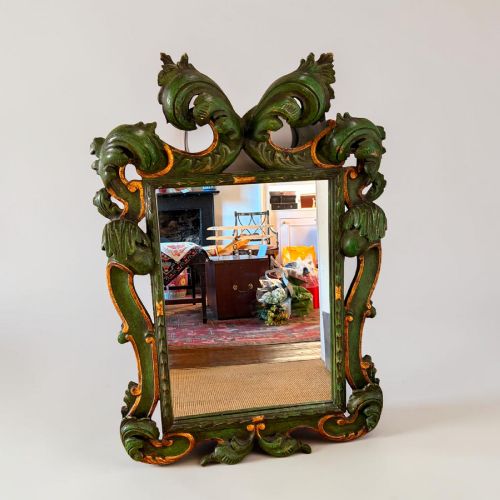
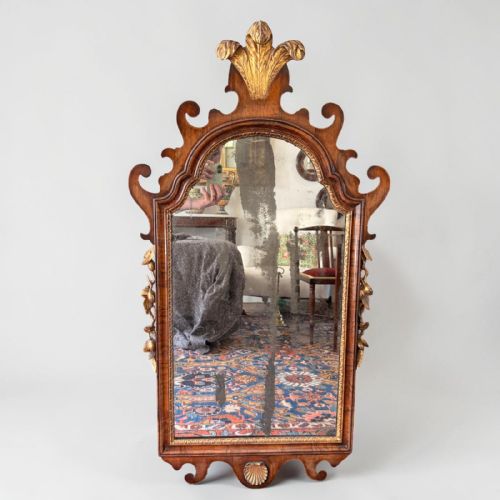
The version you are most likely to meet on this page belongs to the nineteenth century, often channelling French or Italian Rococo revival aesthetics with exuberant scrolling frames. Georgian and eighteenth-century examples appear less frequently, offering restrained cartouche outlines or classical symmetry alongside deeply patinated glass.
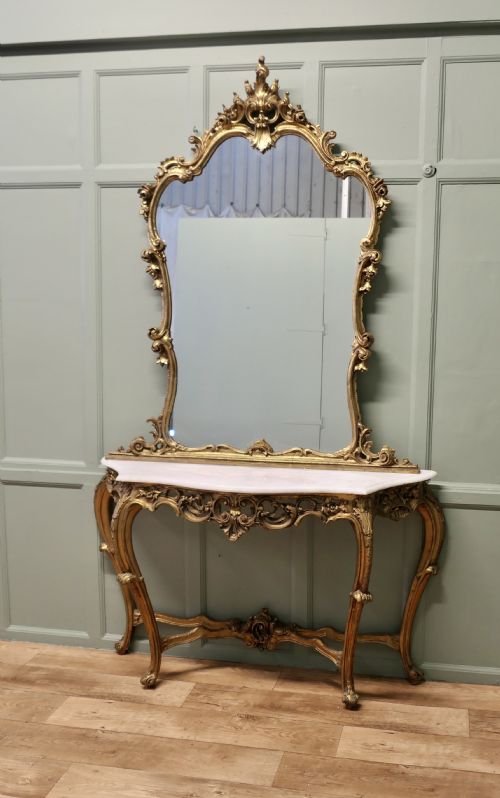
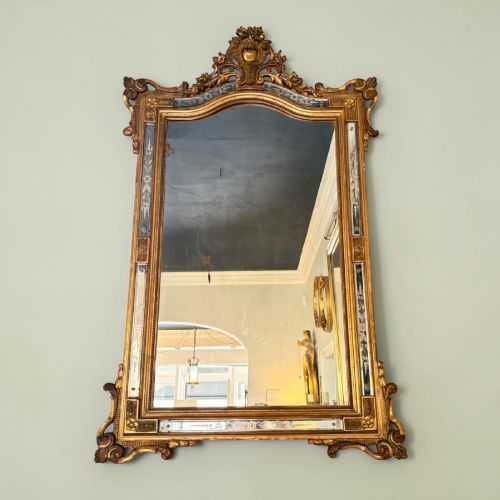
Beyond standard wall mirrors, the selection encompasses specialised forms such as Venetian etched plates, pier glasses meant for narrow wall spaces between windows, and occasional console table combinations. Each object retains the capacity to amplify natural daylight while serving as a primary focal point in domestic interiors.
How these mirrors were made
Wood serves as the primary structural foundation for these frames, utilising carved oak, pine, or specialist joinery to achieve intricate relief work. Artisans then applied layers of gesso - a mixture of chalk and binder - to build up high-relief ornamentation before smoothing the surface for gilding.
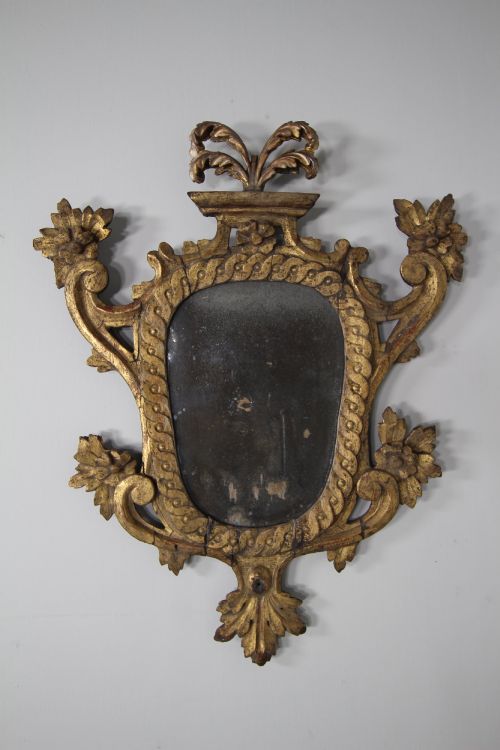
Gilding was achieved by laying thin sheets of gold leaf over an oil or water size base, occasionally complemented by composition mouldings for repetitive botanical or scroll motifs. Mirror plates themselves vary from early mercury silvering to later industrial float glass, frequently finished with bevelled edges or hand-engraved surface details.
The inventory records significant stylistic variety, encompassing Venetian etched plates, French Rococo revival forms, and English Georgian overmantels.
What varies in quality
The distinction between ordinary and exceptional quality rests upon the depth and crispness of the hand-carved detail within the wooden frame. Superior examples display undercut foliage and sharp scrollwork executed by skilled artisans, whereas lesser pieces rely heavily on cast composition ornamentation that lacks fine definition.
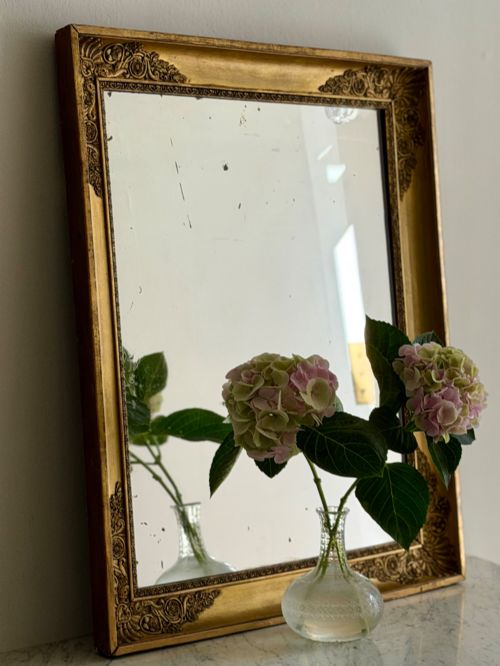
Surface finish further separates the tiers, with burnished gold leaf reflecting light with a warm, complex sheen compared to flat, modern metallic paints. Additionally, the character of the mirror plate contributes significantly to the piece, where original foxing, mercury speckling, or hand-bevelling denotes authenticity and age.
The Ornate Glass Wall Mirror Glossary
- Gesso
- A dense plaster mixture applied to wooden frames as a smooth base for subsequent gilding or paint. It allows for intricate decorative mouldings to be stamped or carved onto the surface.
- Giltwood
- Timber that has been coated with a thin layer of gold leaf over a prepared ground. This technique protects the underlying wood while providing a brilliant, reflective metallic finish.
- Overmantel mirror
- A large horizontal looking glass specifically proportioned to hang above a fireplace mantelpiece. These pieces traditionally anchored the decorative scheme of a nineteenth-century drawing room.
- Foxed glass
- Mirror plates showing spots, darkening, or discolouration caused by the gradual degradation of the backing silver over decades. Collectors prize this natural ageing for the atmospheric depth it imparts.
- Pier glass
- A tall, narrow mirror designed to hang on the section of wall between two windows. They were frequently paired with matching console tables beneath.
- Cartouche
- An ornamental frame resembling a scroll or rolled-up piece of paper, often featuring prominently in Rococo designs. It provides a distinctive asymmetrical outline to eighteenth-century plates.
Ornate Glass Wall Mirror: Frequently Asked Questions
What causes dark spots on antique mirror glass?
Dark spots and clouding occur when moisture seeps behind the glass plate over many decades, reacting with the silver or mercury backing. This natural oxidation process creates the characteristic foxed appearance valued by collectors.
Stable historical foxing does not compromise the structural integrity of the glass. It simply serves as a visual indicator of genuine age and atmospheric exposure.
Can I polish the gilt frame on my mirror?
Gilt surfaces require minimal intervention because aggressive cleaning can strip away the delicate gold leaf layer. Dusting gently with a soft, dry brush is generally sufficient for routine maintenance.
Avoid using commercial polishing liquids, water, or chemical solvents on the frame. Professional conservation is recommended if the gilding shows active flaking or requires stabilization.
How do I distinguish Rococo Revival from original 18th-century pieces?
Nineteenth-century Rococo Revival pieces typically feature heavier construction using composition ornaments alongside carved wood, reflecting industrial-era manufacturing methods. Eighteenth-century originals rely entirely on hand-carved joinery and display distinct tool marks on the reverse.
Timber species and backboard construction also offer reliable clues to dating. Older pine or walnut backs differ substantially from the standardised boards seen in later Victorian workshops.