
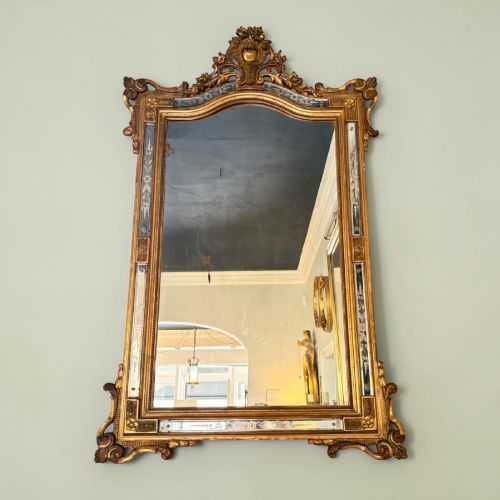
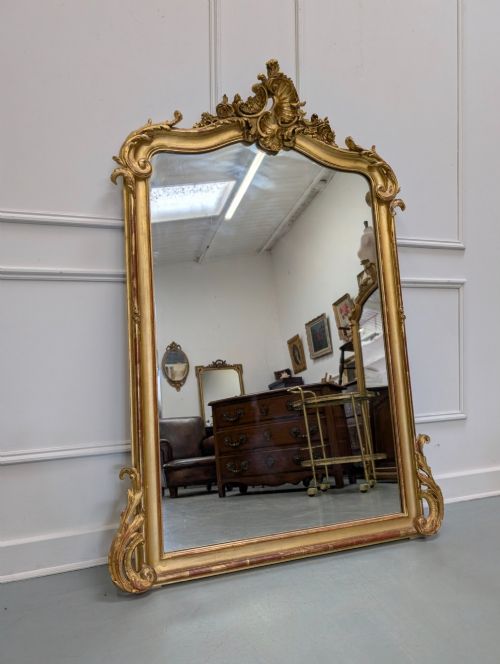
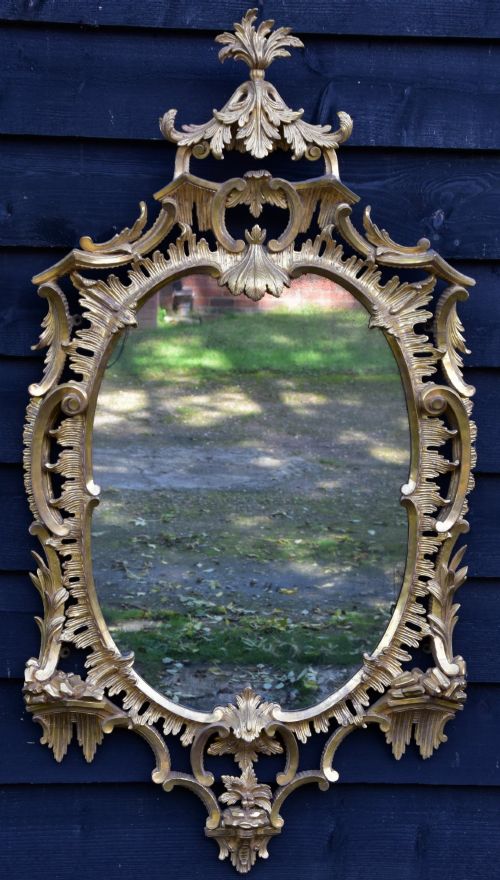
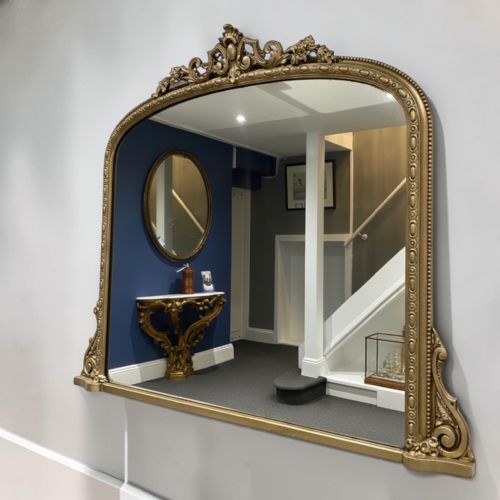

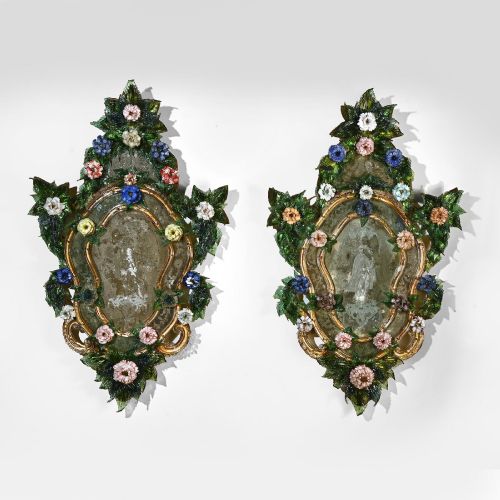
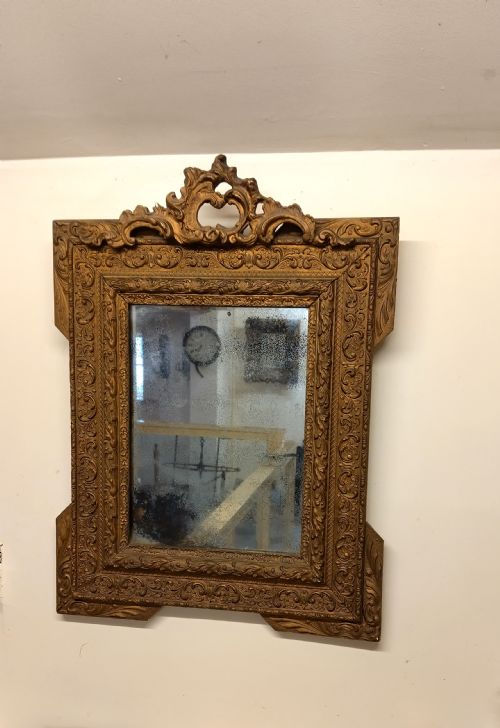
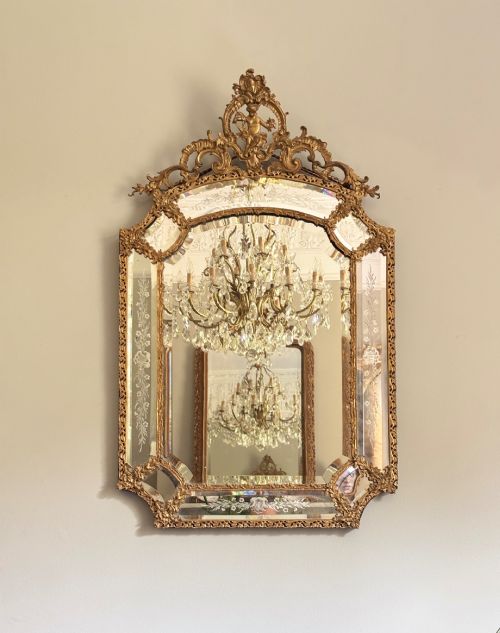
Rococo Glass Wall Mirror
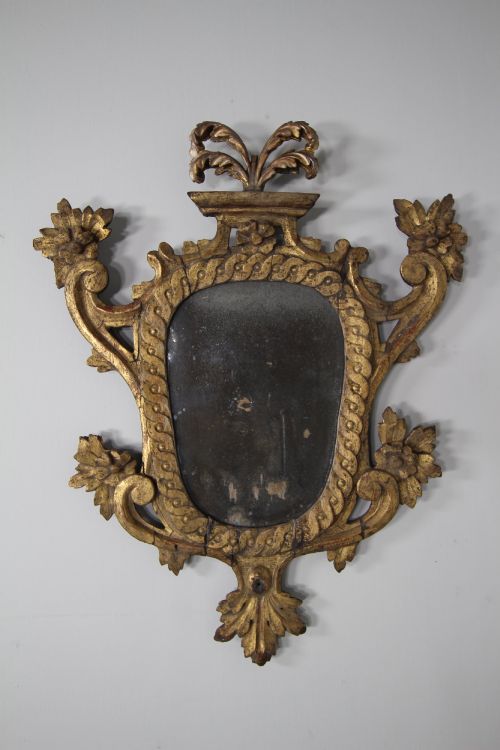
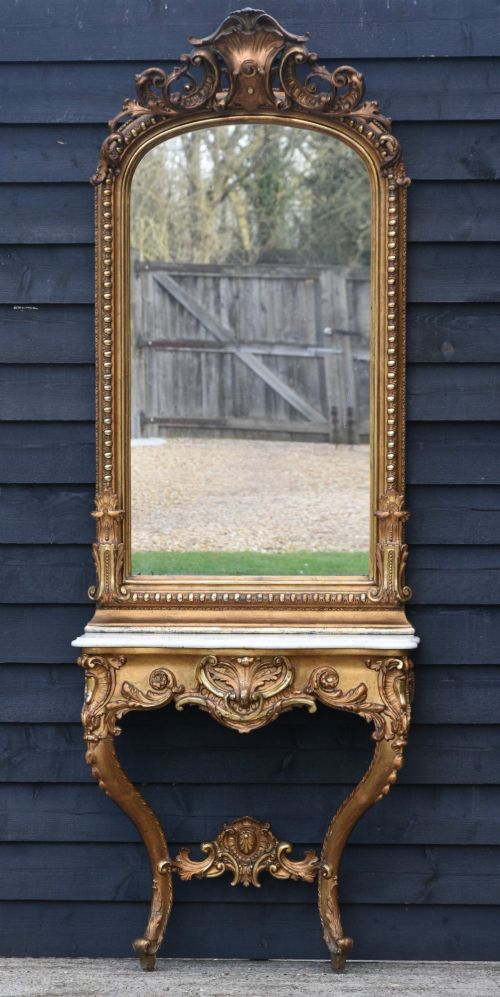
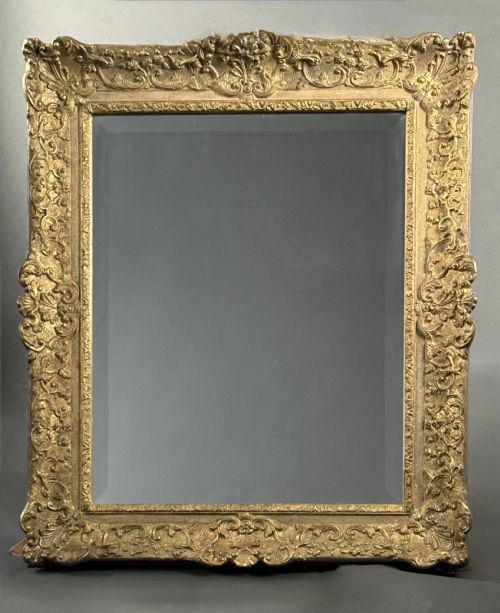
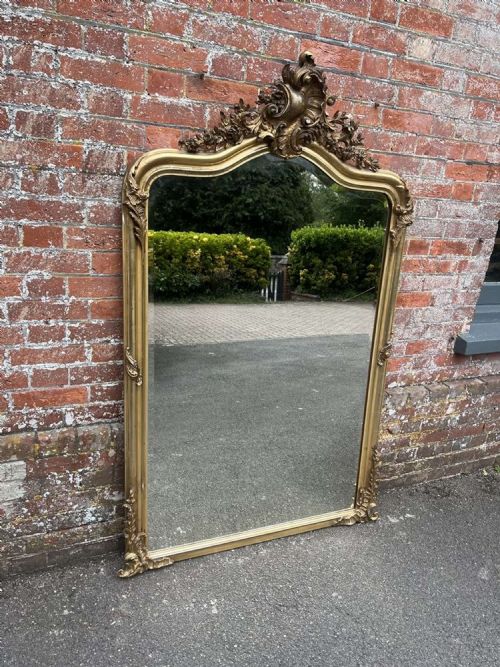
A rococo glass wall mirror brings flamboyant asymmetric curves and deep gilding into a room.
Rococo Glass Wall Mirror
A rococo glass wall mirror unites ornate, scrolling frames with reflective glass plates designed to hang in principal rooms. These pieces appear frequently in nineteenth-century revivals and eighteenth-century Georgian or continental forms.
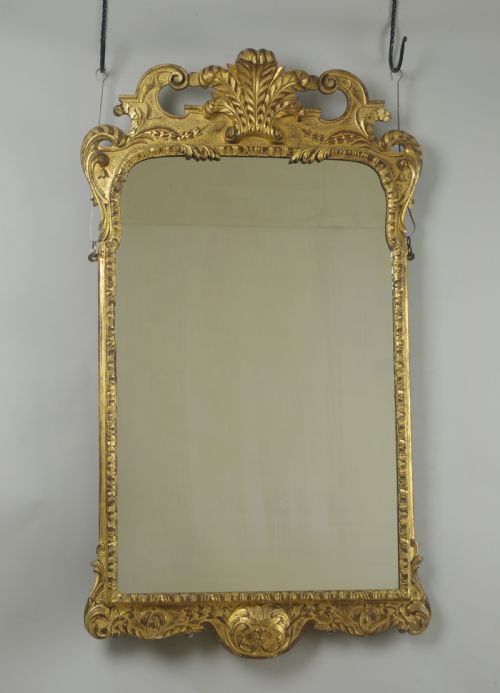
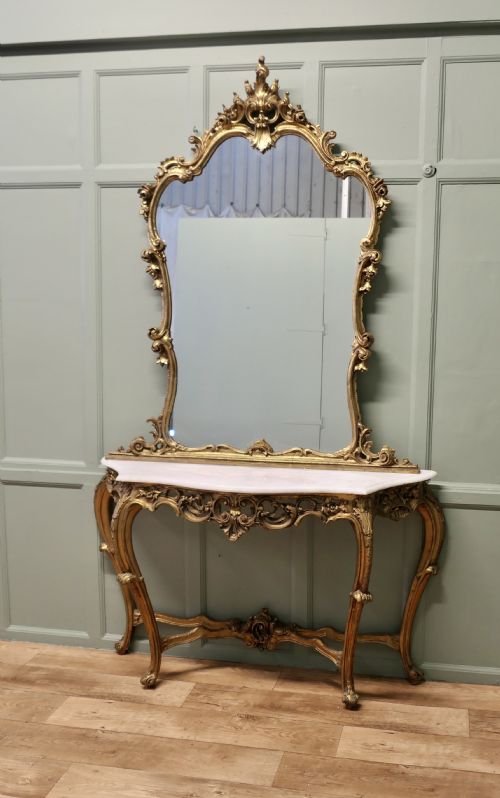
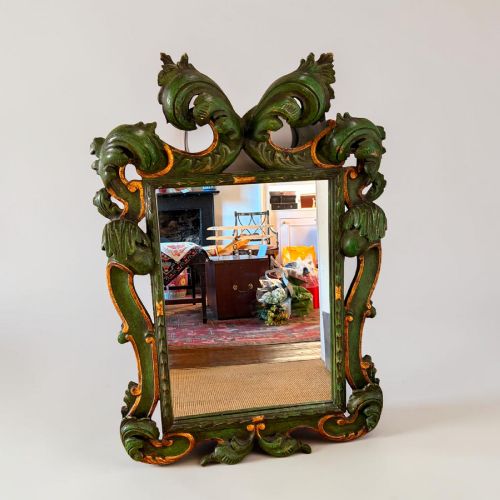
The selection ranges from tall overmantel mirrors and console pairs to Italian, French, and English wall hangings. Makers deploy carved wood, gesso, and gilt frames shaped with characteristic C-scrolls and asymmetrical foliage.
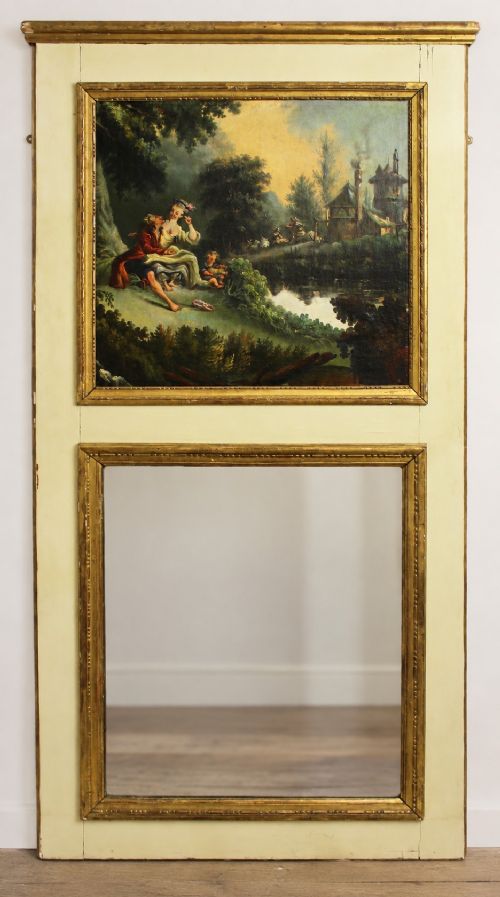
Buyers encounter trumeau panels incorporating oil paintings alongside Venetian Murano plates and walnut fretwork frames. Each piece reflects the exuberant decorative vocabulary of the mid-eighteenth century revived across later decades.
How they were made
Frames rely on carved timber substrates, often pine, oak, or walnut, built up with layers of gesso to receive intricate surface ornamentation. Artisans apply gold leaf, silver leaf, or giltwood finishes over the prepared ground.
Mirror plates include early mercury glass and bevelled glass plates, sometimes hand-engraved or showing age through foxing. Trumeau variations combine these glass elements directly with pastoral or marine oil paintings set into the wooden structure.
Materials documented across the selection include giltwood, gesso, walnut, oak, and silver leaf paired with mercury and bevelled glass.
What varies in quality
Depth and crispness of the carved detail define the upper tiers of these mirrors, separating hand-tooled gesso and undercut timber from simpler moulded compositions. The integration of original mercury glass plates or hand-engraved Venetian glass adds significant distinction.
Proportion and structural harmony dictate the overall success of the piece, particularly in large overmantel and console formats where balance is vital. Surface preservation, including the intact survival of early gold leaf and minimal disturbance to the original backing, marks the finest examples.
The Rococo Glass Wall Mirror Glossary
- Gesso
- A plaster-like mixture applied to wooden frame bases to create a smooth surface for gilding. Artisans carve fine details directly into this hardened layer before applying gold leaf.
- Trumeau mirror
- A decorative wall mirror paired with an oil painting set into the wooden frame above the glass plate. These often incorporate pastoral scenes or seascapes.
- Mercury glass
- An early mirror plate created by applying a mercury and tin amalgam behind the glass. This process produces a characteristic mottled reflection and darker foxing spots over time.
- Giltwood
- Wood that has been coated with thin sheets of gold leaf or gold paint. It provides a warm, reflective metallic sheen across carved rococo frames.
- Pier mirror
- A tall mirror designed specifically to hang on the wall space between windows. They frequently pair with matching console tables below.
Rococo Glass Wall Mirror: Frequently Asked Questions
How do I date a rococo mirror?
Dating relies on examining the construction methods of the wooden frame, the composition of the gesso, and the characteristics of the mirror plate itself. Eighteenth-century pieces show distinct hand-carved joinery and often feature heavier mercury glass with natural foxing.
Nineteenth-century revival pieces emulate these forms but frequently utilise machine-sawn timbers, standard modern mirror plates, or gesso compositions typical of the Victorian and Edwardian eras.
Where should I hang an overmantel mirror?
Overmantel mirrors sit traditionally above a fireplace mantelpiece to reflect light and anchor the focal point of a reception room. Their substantial scale requires secure wall fixings tied directly into structural studs or masonry.
Ensure the height allows adequate clearance above the mantel shelf while maintaining a balanced relationship with surrounding furniture.
What is a trumeau mirror used for?
A trumeau mirror functions as both a decorative wall hanging and an integrated piece of architectural art due to the accompanying oil painting set into the upper panel. Historically placed between windows or above console tables, they introduced colour and light into formal drawing rooms.
The incorporated artwork often depicts pastoral landscapes, floral motifs, or maritime scenes.