


Ormolu Mounted Urns
Ormolu mounted urns combine cast bronze metalwork with decorative bodies, bringing formal French design and ornamental weight into a room.
Ormolu Mounted Urns
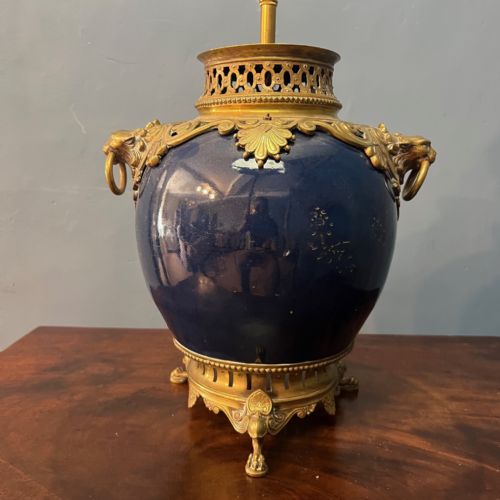
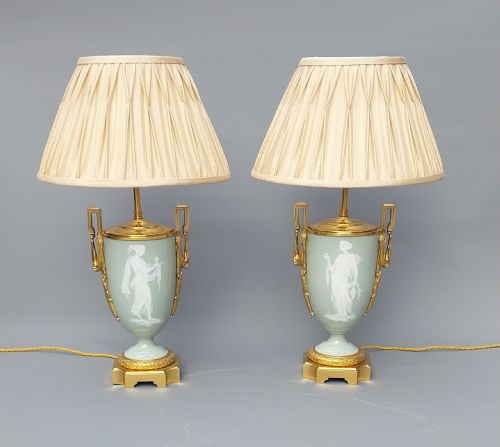
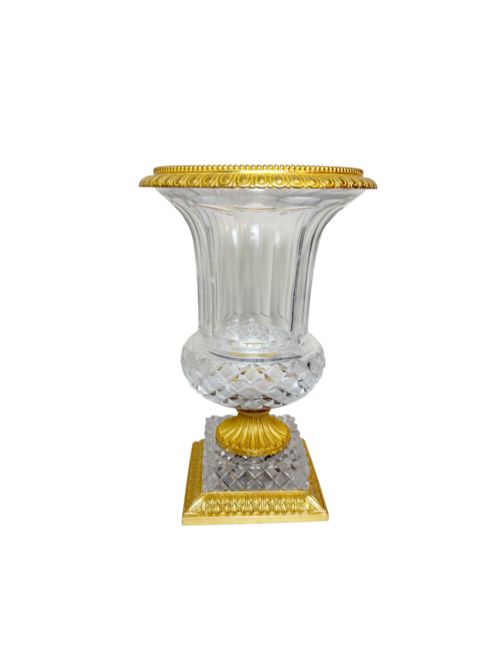
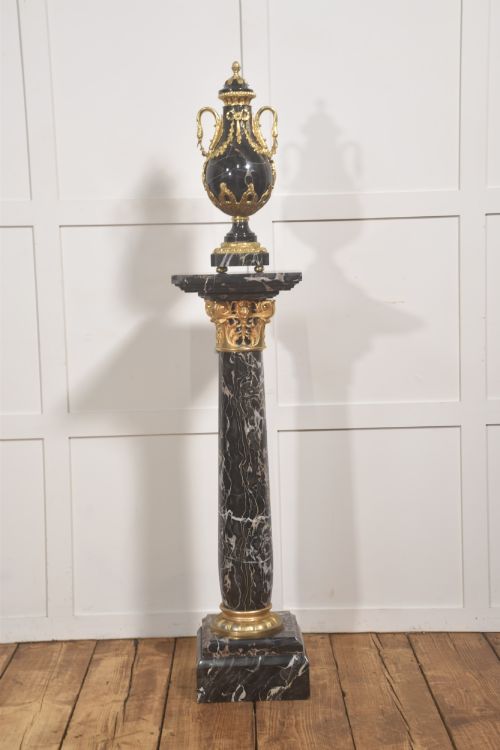
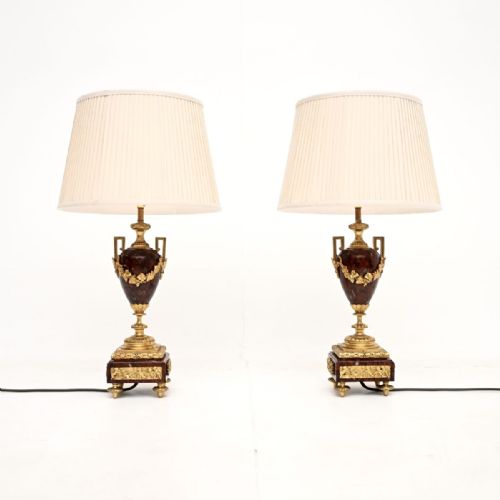
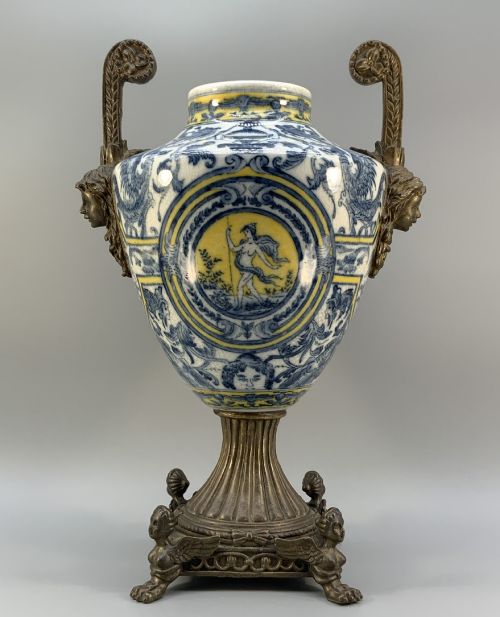
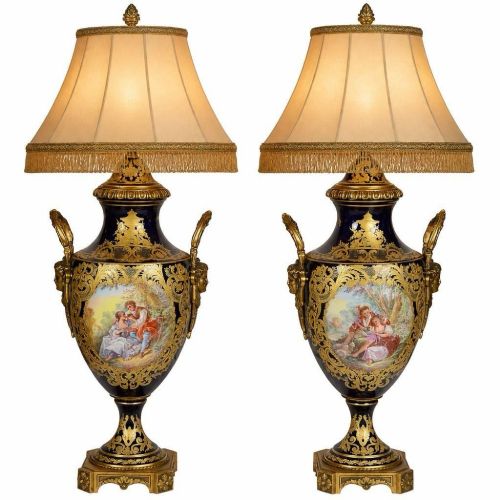
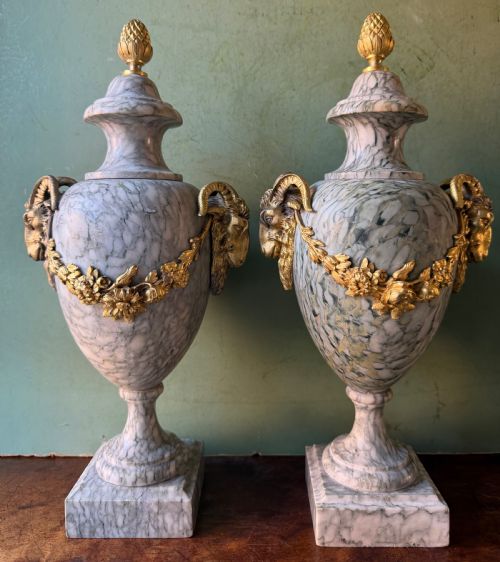
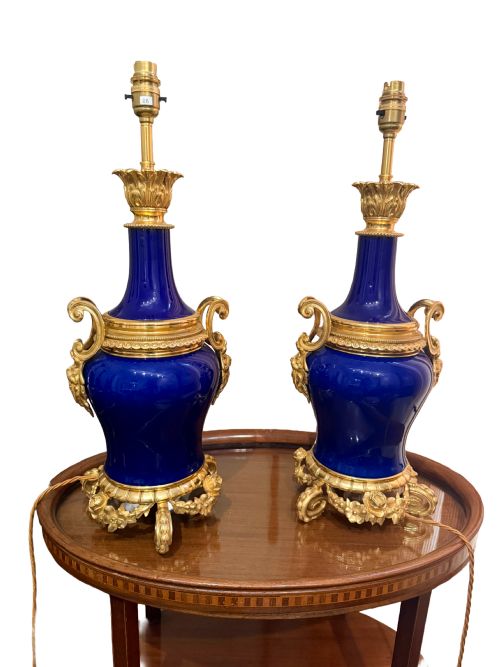
When you examine ormolu mounted urns, you are looking at decorative vessels combining sculpted metal mounts with bodies formed from porcelain, marble, glass, or enamel. The most frequent examples encountered here are nineteenth-century French pieces following Louis XVI or Rococo Revival styles, often styled as lamps, cassolettes, or lidded vases.
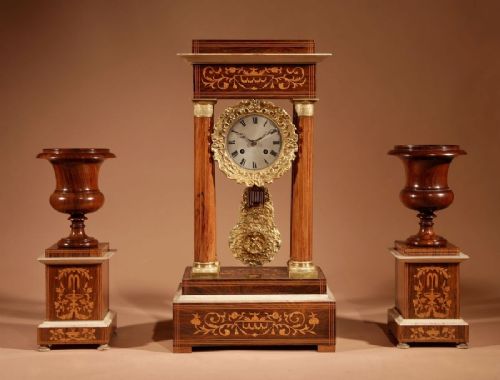
These items originate predominantly from nineteenth-century French workshops, though selections also include earlier eighteenth-century Chinese ceramics adapted with European metal mounts. Makers drew inspiration from classical forms, adapting them into garnitures, mantel clocks, and decorative table centrepieces for formal interiors.
How They Were Made
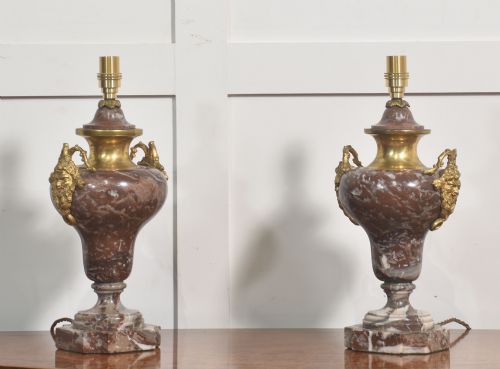
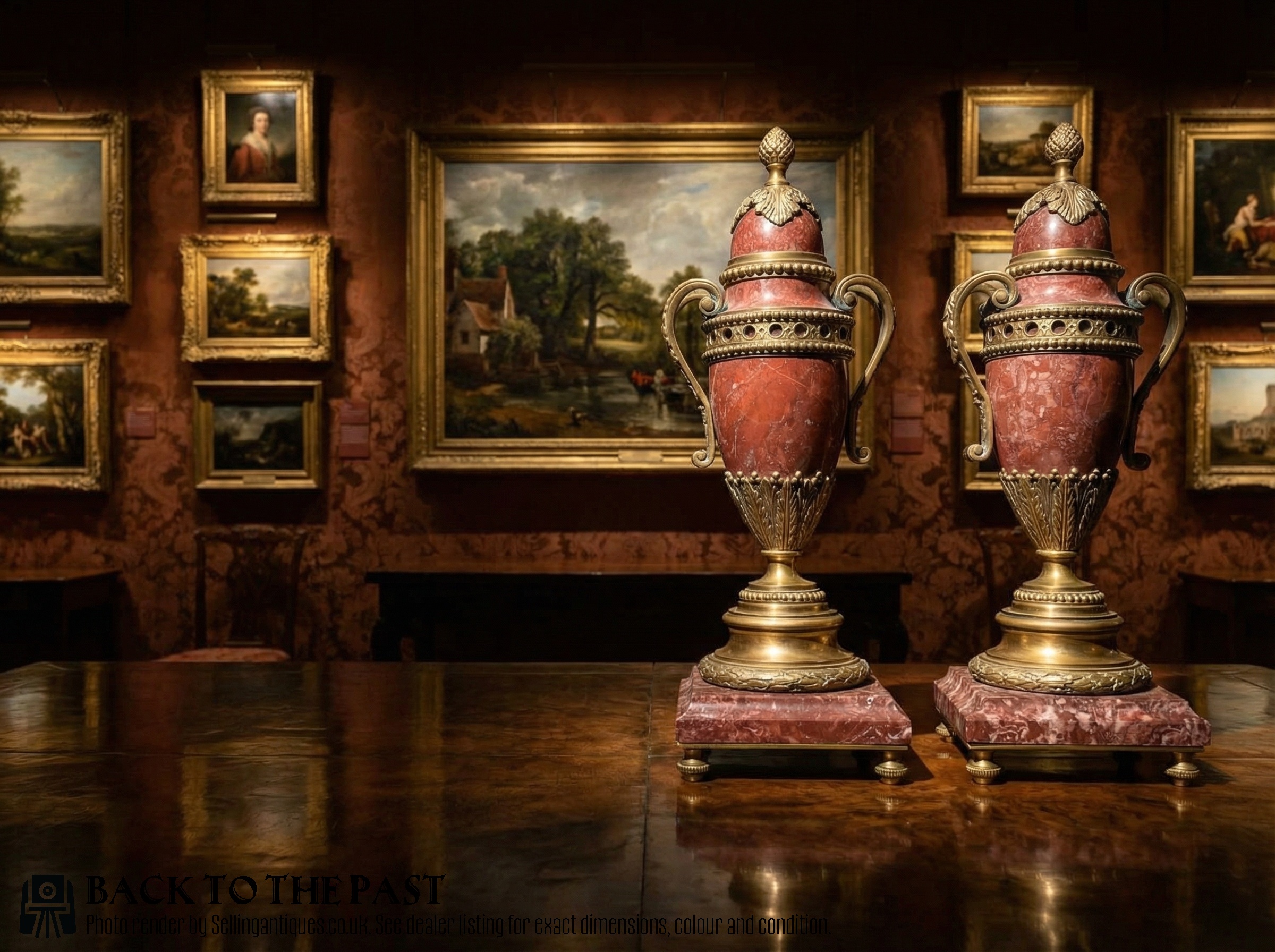
The manufacture relies on the fusion of fire-gilt bronze, known as ormolu, with contrasting natural materials such as rouge marble, onyx, or glazed ceramic bodies. Artisans cast the bronze components with intricate chased detailing before applying a fine layer of gold amalgamation, securing them tightly around stone or porcelain bodies.
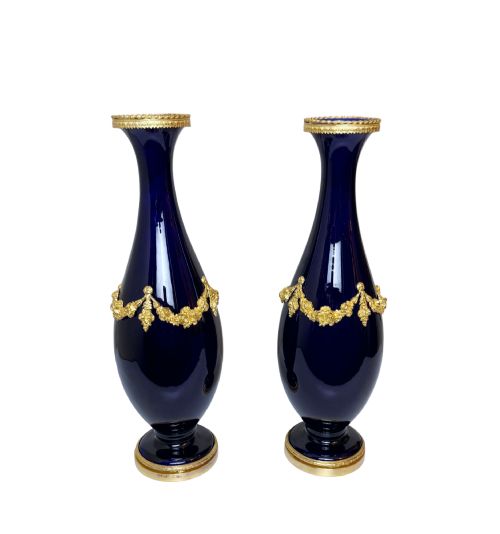
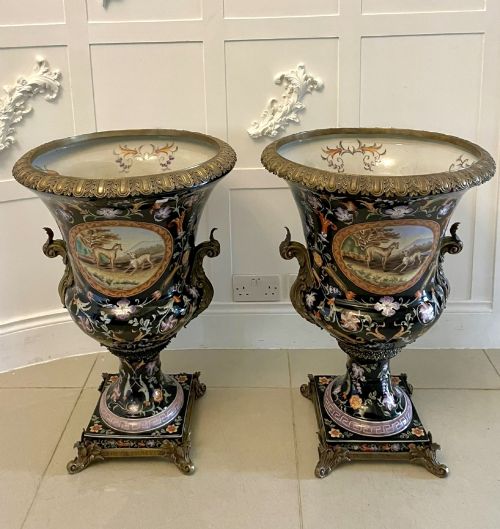
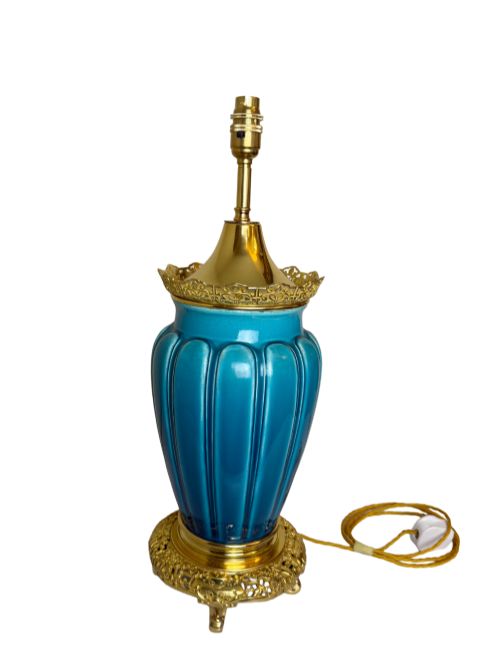
Porcelain bodies often utilised Sevres-style techniques, featuring rich blue glazes, hand-painted scenes, and enamel highlights. Stonework elements like marble and onyx were precision turned and polished to provide a heavy, stable architectural base for the gilded metal mounts.
Ormolu Mounted Urns Retail Price Guide 2026
Typical asking prices for ormolu mounted urns among the pieces listed under this phrase on Sellingantiques today, from the lower quarter to the upper quarter. They describe what is for sale here now, not the wider market.
Some urns double as secret candleholders when flipped upside down.
What Varies in Quality
The degree of refinement in the bronze chasing dictates the visual success of the piece, separating crisp, deeply carved mountings from softer, shallower castings. Weight and substance also play a role, as dense marble bases and thick porcelain bodies provide a more commanding presence than lighter substitutes.
Harmony between the mount and the vessel body marks superior examples, where the gilding retains its warm, matt-and-burnished contrast rather than appearing overly bright or flat. The integrity of the ceramic or stone body, free from heavy restoration, completes the standard expected in higher-tier examples.
Louis Goret
The Ormolu Mounted Urns Glossary
- Ormolu
- Gilded bronze produced by applying a mercury and gold mixture to cast bronze and firing it to drive off the mercury. This technique creates a durable, warm golden surface finish found on decorative mounts.
- Cassolette
- A reversible decorative vase or urn that functions either as a closed vessel or, when inverted, as a candleholder. These double-ended objects typically feature elaborate metal mounts.
- Garniture
- A set of three or more matching decorative objects, often comprising a central clock or urn flanked by matching vases. They were designed specifically for display on mantelpieces or console tables.
- Champlevé
- An enamelling technique where troughs are dug into a metal surface and filled with vitreous enamel paste before firing. The metal partitions remain visible as a linear grid between coloured glass areas.
- Rouge Marble
- A rich red ornamental stone with white and grey veining, frequently utilised for French furniture tops and urn bodies during the eighteenth and nineteenth centuries.
Ormolu Mounted Urns: Frequently Asked Questions
What were ormolu mounted urns used for?
These decorative objects served primarily as formal ornaments on mantelpieces, sideboards, and large console tables in grand nineteenth-century drawing rooms.
Many were also adapted later into functional table lamps, combining historic ornamentation with modern domestic lighting needs.
How do I identify Louis XVI style?
Louis XVI style pieces rely on classical symmetry, straight architectural lines, and restrained geometric motifs such as bead reels and acanthus leaves. This aesthetic contrasts sharply with the curving, asymmetric flourishes of earlier Rococo designs.
Look for upright proportions, fluted columns, and disciplined urn shapes supported by heavy marble bases.
Are these pieces French?
A large proportion of the items listed originate from nineteenth-century French workshops following traditional Parisian design vocabularies and revival aesthetics.
However, the inventory also encompasses imported Chinese porcelain bodies fitted with European bronze mounts during the nineteenth century.
How should I clean ormolu mounts?
Dust bronze mounts gently with a soft, dry brush to prevent dirt accumulation in the recessed chased details. Avoid commercial metal polishes, which can strip away the historic fire-gilt surface layer entirely.
Preserving the original patina requires minimal intervention using only dry methods or slightly damp cloths for stubborn grime.